Master of Computational Chemistry and Molecular Design

Welcome, future creators of matter. We will use the power of AI and computation to unlock the secrets of molecules and create the materials that will shape our world.

Identity only. No score is printed. Checkout waits.

Sign in to record identity enrolment
Level
Master
Learning model
Professor + Mentor
Named list
See the named lists · 12 months recommended
NXAcademic
Edition
The program

Ideas engineered for the real world

A rigorous academic core, paired with practical production judgment.

01

Academic focus

Quantum Chemistry, Molecular Dynamics, AI-Driven Material Design, High-Performance Computing

02

Practical focus

Cheminformatics, Data Analysis, Scientific Visualization, Organic Chemistry

After this programme

Success journey, careers and practice

Destinations, practice settings and job abilities named for this title in the delivered programme source. From graduation onwards where the source names that path.

Success journey

  • Syngenta

    Opportunities in computational agriculture

  • Sandia National Laboratories

    Internships in computational materials science

Career opportunities

  • Computational Chemist

    In a pharmaceutical or materials company

  • Materials Scientist

    Developing new materials for technology

  • Cheminformatics Specialist

    In a biotech or food science company

  • Research Scientist

    In academia or a national lab

Jobs and projects

  • Problem-Solving

    Debugging and optimizing complex computational models

  • Collaboration

    Working on interdisciplinary teams

  • Attention to Detail

    Meticulousness in model design and analysis

  • Creative Thinking

    Designing novel molecular structures

Copied from the delivered professor and mentor rows for this title.

This programme

What you study, and what it builds

Gains and skills named for this title, listed as a reader would scan them.

  • What you gain

    • You will gain the skills to become a crucial player in the modern chemical industry. You will be able to manage, analyze, and visualize chemical data in a way that accelerates discovery and innovation.
  • Skills you build

    • Quantum Chemistry: Understanding molecular behavior at the quantum level.
    • Molecular Dynamics: Simulating the movement of atoms and molecules over time.
    • Scientific Programming: Writing code to run chemical simulations.
    • Data Analysis: Interpreting large-scale simulation data.
Listed courses

Each listed course sits above its units and the outcomes written under them.

Master of Computational Chemistry and Molecular Design

  1. 01Advanced Quantum Mechanics for Chemists
    1. FoundationsFoundations of Advanced Quantum Mechanics for Chemists

      The learner can you will gain the skills to become a crucial player in the modern chemical industry, as applied to Advanced Quantum Mechanics for Chemists.

      The learner can you will be able to manage, analyze, and visualize chemical data in a way that accelerates discovery and innovation, as applied to Advanced Quantum Mechanics for Chemists.

    2. MethodsMethods in Advanced Quantum Mechanics for Chemists

      The learner can apply a method from Advanced Quantum Mechanics for Chemists to a documented case.

      The learner can select an appropriate method from Advanced Quantum Mechanics for Chemists for a stated problem.

    3. ApplicationApplication of Advanced Quantum Mechanics for Chemists

      The learner can evaluate a practice of Advanced Quantum Mechanics for Chemists against a stated criterion.

      The learner can transfer Advanced Quantum Mechanics for Chemists to a new documented context.

  2. 02Molecular Dynamics and AI-Driven Design
    1. FoundationsFoundations of Molecular Dynamics and AI-Driven Design

      The learner can explain the core terms of Molecular Dynamics and AI-Driven Design.

      The learner can distinguish related ideas inside Molecular Dynamics and AI-Driven Design.

    2. MethodsMethods in Molecular Dynamics and AI-Driven Design

      The learner can apply a method from Molecular Dynamics and AI-Driven Design to a documented case.

      The learner can select an appropriate method from Molecular Dynamics and AI-Driven Design for a stated problem.

    3. ApplicationApplication of Molecular Dynamics and AI-Driven Design

      The learner can evaluate a practice of Molecular Dynamics and AI-Driven Design against a stated criterion.

      The learner can transfer Molecular Dynamics and AI-Driven Design to a new documented context.

  3. 03Machine Learning for Molecular Design
    1. FoundationsFoundations of Machine Learning for Molecular Design

      The learner can explain the core terms of Machine Learning for Molecular Design.

      The learner can distinguish related ideas inside Machine Learning for Molecular Design.

    2. MethodsMethods in Machine Learning for Molecular Design

      The learner can apply a method from Machine Learning for Molecular Design to a documented case.

      The learner can select an appropriate method from Machine Learning for Molecular Design for a stated problem.

    3. ApplicationApplication of Machine Learning for Molecular Design

      The learner can evaluate a practice of Machine Learning for Molecular Design against a stated criterion.

      The learner can transfer Machine Learning for Molecular Design to a new documented context.

  4. 04Computational Spectroscopy
    1. FoundationsFoundations of Computational Spectroscopy

      The learner can explain the core terms of Computational Spectroscopy.

      The learner can distinguish related ideas inside Computational Spectroscopy.

    2. MethodsMethods in Computational Spectroscopy

      The learner can apply a method from Computational Spectroscopy to a documented case.

      The learner can select an appropriate method from Computational Spectroscopy for a stated problem.

    3. ApplicationApplication of Computational Spectroscopy

      The learner can evaluate a practice of Computational Spectroscopy against a stated criterion.

      The learner can transfer Computational Spectroscopy to a new documented context.

  5. 05High-Performance Computing for Science
    1. FoundationsFoundations of High-Performance Computing for Science

      The learner can explain the core terms of High-Performance Computing for Science.

      The learner can distinguish related ideas inside High-Performance Computing for Science.

    2. MethodsMethods in High-Performance Computing for Science

      The learner can apply a method from High-Performance Computing for Science to a documented case.

      The learner can select an appropriate method from High-Performance Computing for Science for a stated problem.

    3. ApplicationApplication of High-Performance Computing for Science

      The learner can evaluate a practice of High-Performance Computing for Science against a stated criterion.

      The learner can transfer High-Performance Computing for Science to a new documented context.

  6. 06Introduction to Cheminformatics
    1. FoundationsFoundations of Introduction to Cheminformatics

      The learner can explain the core terms of Introduction to Cheminformatics.

      The learner can distinguish related ideas inside Introduction to Cheminformatics.

    2. MethodsMethods in Introduction to Cheminformatics

      The learner can apply a method from Introduction to Cheminformatics to a documented case.

      The learner can select an appropriate method from Introduction to Cheminformatics for a stated problem.

    3. ApplicationApplication of Introduction to Cheminformatics

      The learner can evaluate a practice of Introduction to Cheminformatics against a stated criterion.

      The learner can transfer Introduction to Cheminformatics to a new documented context.

  7. 07Data Analysis for Chemists
    1. FoundationsFoundations of Data Analysis for Chemists

      The learner can explain the core terms of Data Analysis for Chemists.

      The learner can distinguish related ideas inside Data Analysis for Chemists.

    2. MethodsMethods in Data Analysis for Chemists

      The learner can apply a method from Data Analysis for Chemists to a documented case.

      The learner can select an appropriate method from Data Analysis for Chemists for a stated problem.

    3. ApplicationApplication of Data Analysis for Chemists

      The learner can evaluate a practice of Data Analysis for Chemists against a stated criterion.

      The learner can transfer Data Analysis for Chemists to a new documented context.

  8. 08Capstone Project in Molecular Design
    1. FoundationsFoundations of Capstone Project in Molecular Design

      The learner can explain the core terms of Capstone Project in Molecular Design.

      The learner can distinguish related ideas inside Capstone Project in Molecular Design.

    2. MethodsMethods in Capstone Project in Molecular Design

      The learner can apply a method from Capstone Project in Molecular Design to a documented case.

      The learner can select an appropriate method from Capstone Project in Molecular Design for a stated problem.

    3. ApplicationApplication of Capstone Project in Molecular Design

      The learner can evaluate a practice of Capstone Project in Molecular Design against a stated criterion.

      The learner can transfer Capstone Project in Molecular Design to a new documented context.

How teaching is described

Dual guidance

Two intelligences. One coherent journey.

Research leadership

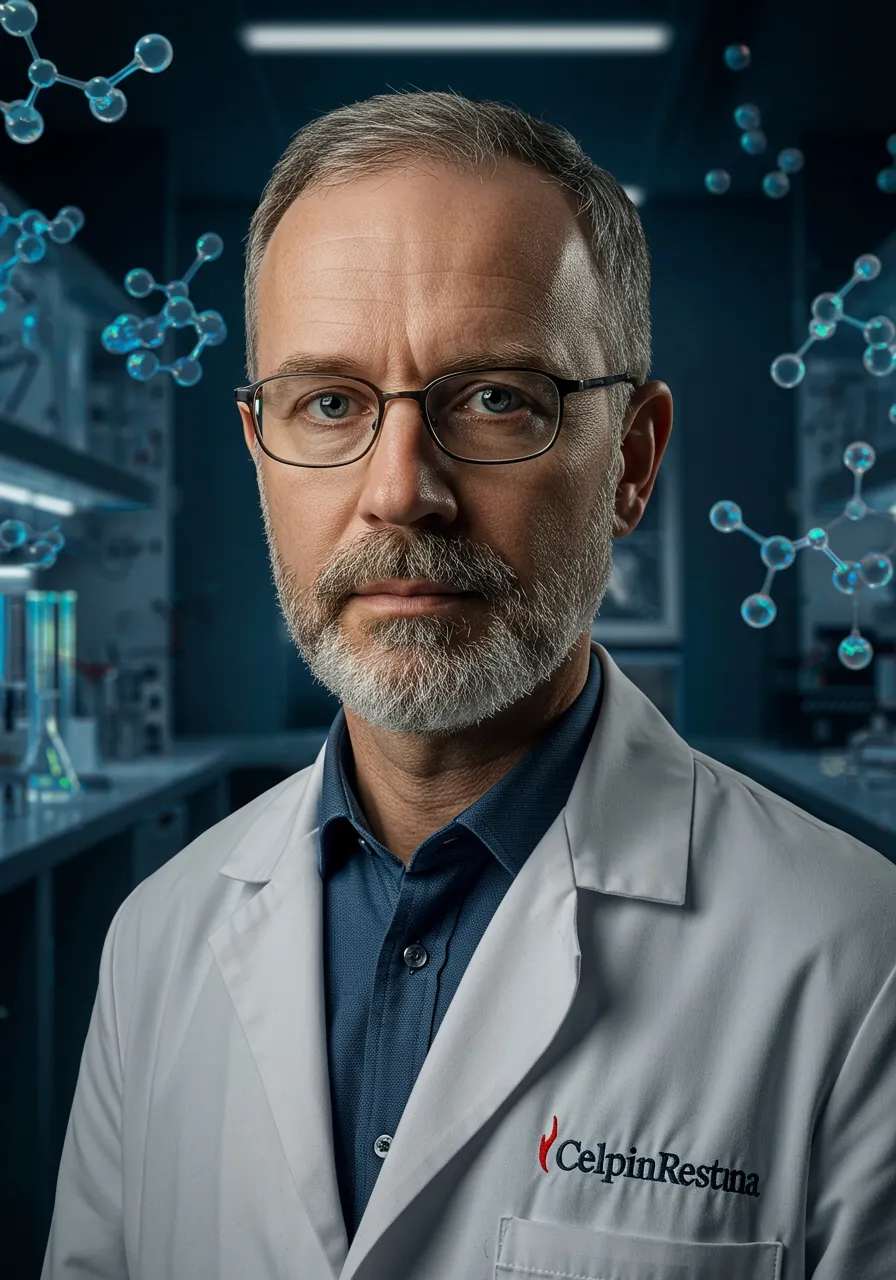
I am a theoretical chemist who believes that the lab of the future is not a physical space but a computational one. My work focuses on using simulations and AI to design new molecules and materials, from pharmaceuticals to polymers.

Applied mentorship

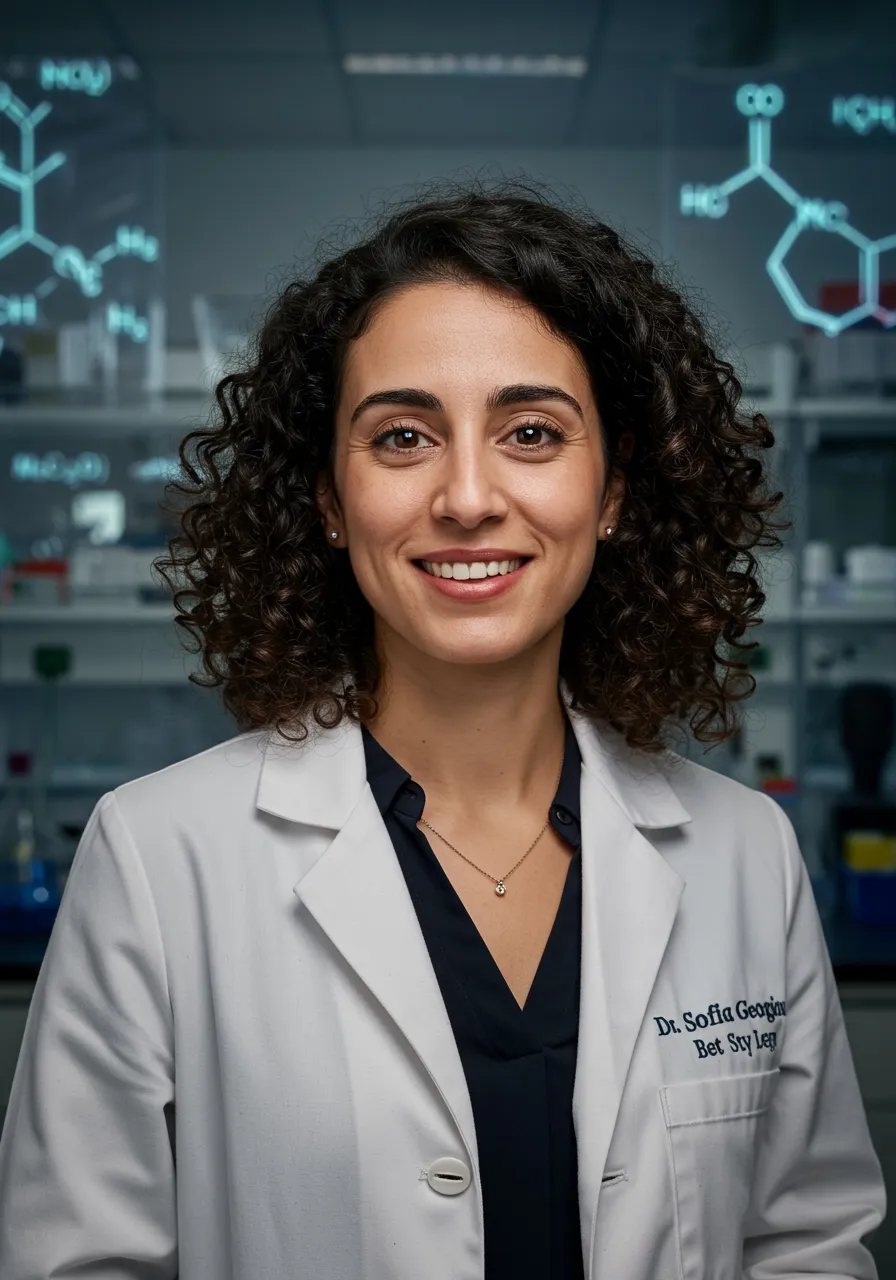
I am a computational chemist with a passion for turning raw data into meaningful chemical insights. My mentorship focuses on the practical application of computational tools to solve problems in drug discovery and materials science, empowering students to navigate the data-rich world of modern chemistry.

Research & intelligence

A living field, not a static syllabus

Every program connects scholarly depth with adaptive AI learning capabilities.

R / 01

Professor research lens

• Blog Post: 'The AI Chemist: How Machine Learning is Transforming Drug Discovery' - Discusses how AI algorithms are accelerating the process of identifying potential drug candidates. · • Blog Post: 'From Atoms to Algorithms: The New Frontier of Computational Chemistry' - Explores the shift from traditional lab work to computational modeling as a primary research tool. · • Conference Paper: 'A Novel Algorithm for Simulating Electron Correlation in Large Molecular Systems' - Presented at the International Conference on Computational Chemistry, detailing a new method for complex quantum simulations. · • Journal Article: 'Predicting the Stability of Novel Perovskite Solar Cells using Ab Initio Calculations' - Published in the Journal of Physical Chemistry Letters, this paper details a successful prediction of new material properties. · • Standard Article: 'A Computational Guide to Carbon Nanotubes' - A series for a scientific magazine on using simulations to understand the properties and potential applications of nanotubes. · • Book: 'Quantum Mechanics for Computational Chemists' - A comprehensive textbook on the theoretical foundations of quantum chemistry for a new generation of computational researchers. · • Total Score: 28/30 · • Kairos Badge: 🥇

R / 02

Mentor practice lens

• Article: 'How to Build a Molecular Database from Scratch' - A practical guide for students on the first steps of organizing chemical data. · • Guide: 'Visualizing Molecular Interactions in Virtual Reality' - A tutorial on using open-source tools to create immersive 3D visualizations of chemical reactions. · • Essay: 'The Role of Cheminformatics in Sustainable Chemistry' - An essay on how data-driven approaches can help design more environmentally friendly chemical processes. · • Total Score: 28/30 · • Kairos Badge: 🥇

Adaptive capability

Professor superpower

GAF-powered Molecular Synthesis Simulation

Adaptive capability

Mentor superpower

GAF-powered Molecular Data Integration

Your academic team

Guidance with depth and continuity

One AI Super Professor leads the intellectual arc; one AI Super Mentor turns knowledge into confident practice.
Same faculty and level

Related programs

Named lists

Named lists for this house

Adapted. Bachelor, Master and Doctorate by duration. Enrolment is not open. Nothing here is a sale.

DurationBachelorMaster
This programme
Doctorate
9 months · Fast track12000 EUR9600 EUR12000 EUR
12 months · Recommended14400 EUR12000 EUR14400 EUR
15 months · Standard16800 EUR14400 EUR16800 EUR
18 months · Flexible19200 EUR16800 EUR19200 EUR
21 months · Extended21600 EUR19200 EUR21600 EUR
24 months · Part-time24000 EUR21600 EUR24000 EUR

These are the owner lists. Enrolment is not open. Nothing here is a sale.

Named tuition lists Add-on services

Continue exploring

Find the program that expands your universe.

Browse all programs
Master of Computational Chemistry and Molecular Design | Nexier University | Nexier University