Digital History and Computational Historiography (Ph.D.)

Kon'nichiwa! Welcome, future keepers of the past. Our mission is to train you to not just read history, but to interact with it, building the digital tools that will preserve our collective memory for generations to come.

Identity only. No score is printed. Checkout waits.

Sign in to record identity enrolment
Level
Doctorate
Learning model
Professor + Mentor
Named list
See the named lists · 12 months recommended
NXAcademic
Edition
The program

Ideas engineered for the real world

A rigorous academic core, paired with practical production judgment.

01

Academic focus

Digital History, Archival Science, Cultural Memory, Japanese History

02

Practical focus

Digital Humanities, Archival Science, Cultural Heritage, Middle Eastern History

After this programme

Success journey, careers and practice

Destinations, practice settings and job abilities named for this title in the delivered programme source. From graduation onwards where the source names that path.

Success journey

  • The British Library

    Internships in digital archives and preservation

  • The Guggenheim Museum

    Opportunities in digital humanities and curation

  • The National Archives

    Internships in archival science

Career opportunities

  • Digital Archivist

    In a museum or library

  • Historian

    In academia or a research institution

  • Data Analyst

    In a variety of industries

  • Documentarian

    Creating historical documentaries

Jobs and projects

  • Critical Thinking

    Evaluating the validity and reliability of historical sources

  • Research Skills

    Finding, analyzing, and synthesizing information

  • Programming

    Competency in languages like Python or R

  • Communication

    Presenting complex historical information clearly

Copied from the delivered professor and mentor rows for this title.

This programme

What you study, and what it builds

Gains and skills named for this title, listed as a reader would scan them.

  • What you gain

    • You will gain a deep understanding of how to use data to improve human health, with a skill set that is in high demand in the rapidly growing field of personalized medicine and diagnostics.
  • Skills you build

    • Archival Science: Managing and preserving historical documents.
    • Digital History: Using computational tools to research the past.
    • Cultural Memory: Understanding how societies remember and forget.
    • Data Visualization: Creating compelling visual representations of historical data.
Listed courses

Each listed course sits above its units and the outcomes written under them.

Digital History and Computational Historiography (Ph.D.)

  1. 01Advanced Digital Archival Methods
    1. FoundationsFoundations of Advanced Digital Archival Methods

      The learner can you will gain a deep understanding of how to use data to improve human health, with a skill set that is in high demand in the rapidly growing field of personalized medicine and diagnostics, as applied to Advanced Digital Archival Methods.

      The learner can distinguish related ideas inside Advanced Digital Archival Methods.

    2. MethodsMethods in Advanced Digital Archival Methods

      The learner can apply a method from Advanced Digital Archival Methods to a documented case.

      The learner can select an appropriate method from Advanced Digital Archival Methods for a stated problem.

    3. ApplicationApplication of Advanced Digital Archival Methods

      The learner can evaluate a practice of Advanced Digital Archival Methods against a stated criterion.

      The learner can transfer Advanced Digital Archival Methods to a new documented context.

  2. 02Computational Historiography
    1. FoundationsFoundations of Computational Historiography

      The learner can explain the core terms of Computational Historiography.

      The learner can distinguish related ideas inside Computational Historiography.

    2. MethodsMethods in Computational Historiography

      The learner can apply a method from Computational Historiography to a documented case.

      The learner can select an appropriate method from Computational Historiography for a stated problem.

    3. ApplicationApplication of Computational Historiography

      The learner can evaluate a practice of Computational Historiography against a stated criterion.

      The learner can transfer Computational Historiography to a new documented context.

  3. 03Network Analysis for Historians
    1. FoundationsFoundations of Network Analysis for Historians

      The learner can explain the core terms of Network Analysis for Historians.

      The learner can distinguish related ideas inside Network Analysis for Historians.

    2. MethodsMethods in Network Analysis for Historians

      The learner can apply a method from Network Analysis for Historians to a documented case.

      The learner can select an appropriate method from Network Analysis for Historians for a stated problem.

    3. ApplicationApplication of Network Analysis for Historians

      The learner can evaluate a practice of Network Analysis for Historians against a stated criterion.

      The learner can transfer Network Analysis for Historians to a new documented context.

  4. 04Research Seminar in Digital Humanities
    1. FoundationsFoundations of Research Seminar in Digital Humanities

      The learner can explain the core terms of Research Seminar in Digital Humanities.

      The learner can distinguish related ideas inside Research Seminar in Digital Humanities.

    2. MethodsMethods in Research Seminar in Digital Humanities

      The learner can apply a method from Research Seminar in Digital Humanities to a documented case.

      The learner can select an appropriate method from Research Seminar in Digital Humanities for a stated problem.

    3. ApplicationApplication of Research Seminar in Digital Humanities

      The learner can evaluate a practice of Research Seminar in Digital Humanities against a stated criterion.

      The learner can transfer Research Seminar in Digital Humanities to a new documented context.

  5. 05The Ethics of Digital History
    1. FoundationsFoundations of The Ethics of Digital History

      The learner can explain the core terms of The Ethics of Digital History.

      The learner can distinguish related ideas inside The Ethics of Digital History.

    2. MethodsMethods in The Ethics of Digital History

      The learner can apply a method from The Ethics of Digital History to a documented case.

      The learner can select an appropriate method from The Ethics of Digital History for a stated problem.

    3. ApplicationApplication of The Ethics of Digital History

      The learner can evaluate a practice of The Ethics of Digital History against a stated criterion.

      The learner can transfer The Ethics of Digital History to a new documented context.

  6. 06The Practical Guide to Digital History
    1. FoundationsFoundations of The Practical Guide to Digital History

      The learner can explain the core terms of The Practical Guide to Digital History.

      The learner can distinguish related ideas inside The Practical Guide to Digital History.

    2. MethodsMethods in The Practical Guide to Digital History

      The learner can apply a method from The Practical Guide to Digital History to a documented case.

      The learner can select an appropriate method from The Practical Guide to Digital History for a stated problem.

    3. ApplicationApplication of The Practical Guide to Digital History

      The learner can evaluate a practice of The Practical Guide to Digital History against a stated criterion.

      The learner can transfer The Practical Guide to Digital History to a new documented context.

  7. 07Archival Science for Public Policy
    1. FoundationsFoundations of Archival Science for Public Policy

      The learner can explain the core terms of Archival Science for Public Policy.

      The learner can distinguish related ideas inside Archival Science for Public Policy.

    2. MethodsMethods in Archival Science for Public Policy

      The learner can apply a method from Archival Science for Public Policy to a documented case.

      The learner can select an appropriate method from Archival Science for Public Policy for a stated problem.

    3. ApplicationApplication of Archival Science for Public Policy

      The learner can evaluate a practice of Archival Science for Public Policy against a stated criterion.

      The learner can transfer Archival Science for Public Policy to a new documented context.

  8. 08Capstone Project in Historical Analysis
    1. FoundationsFoundations of Capstone Project in Historical Analysis

      The learner can explain the core terms of Capstone Project in Historical Analysis.

      The learner can distinguish related ideas inside Capstone Project in Historical Analysis.

    2. MethodsMethods in Capstone Project in Historical Analysis

      The learner can apply a method from Capstone Project in Historical Analysis to a documented case.

      The learner can select an appropriate method from Capstone Project in Historical Analysis for a stated problem.

    3. ApplicationApplication of Capstone Project in Historical Analysis

      The learner can evaluate a practice of Capstone Project in Historical Analysis against a stated criterion.

      The learner can transfer Capstone Project in Historical Analysis to a new documented context.

How teaching is described

Dual guidance

Two intelligences. One coherent journey.

Research leadership

I am a historian who believes that the past is not a static record, but a living, breathing digital landscape. My work focuses on using computational methods to research, preserve, and present the past, ensuring that our historical knowledge is as dynamic and accessible as possible.

Applied mentorship

I am a historian who is passionate about using data to make real-world impacts in academia and public policy. My mentorship focuses on helping students apply their skills to clinical and research problems, turning raw data into actionable insights.

Research & intelligence

A living field, not a static syllabus

Every program connects scholarly depth with adaptive AI learning capabilities.

R / 01

Professor research lens

• Blog Post: 'The Algorithm of Memory: How AI is Changing History' - An accessible essay on the use of AI and machine learning to analyze historical documents and artifacts. · • Blog Post: 'Why Every Historian Needs to Be a Data Scientist' - Discusses the importance of digital skills for historians and the future of the field. · • Conference Paper: 'A Network Analysis of the Silk Road Trade Routes' - Presented at the International Conference on Digital Humanities, detailing a new method for analyzing historical trade networks. · • Journal Article: 'The Role of Digital Archives in Post-Conflict Reconciliation' - Published in the Journal of Archival Science, this paper provides a framework for using digital archives to aid in post-conflict recovery. · • Standard Article: 'A Digital Tour of Ancient Japan' - A multi-part series for a history magazine on how digital tools can be used to recreate and explore ancient sites. · • Book: 'The Digital Archive: A Historian's Guide' - A comprehensive textbook on the theoretical and practical applications of digital archives. · • Total Score: 28/30 · • Kairos Badge: 🥇

R / 02

Mentor practice lens

• Article: 'The Role of Digital Archives in Preserving Cultural Heritage' - A concise article on how digital archives can be used to preserve and protect cultural heritage. · • Guide: 'A Beginner's Guide to Using R for Historical Data Analysis' - A practical tutorial for new students on the basics of a key bioinformatics programming language. · • Essay: 'Building Ethical AI for Public Policy' - An essay on the challenges and responsibilities of creating AI tools for government. · • Total Score: 28/30 · • Kairos Badge: 🥇

Adaptive capability

Professor superpower

GAF-powered Historical Data Visualization

Adaptive capability

Mentor superpower

GAF-powered Clinical Insight Extraction

Your academic team

Guidance with depth and continuity

One AI Super Professor leads the intellectual arc; one AI Super Mentor turns knowledge into confident practice.
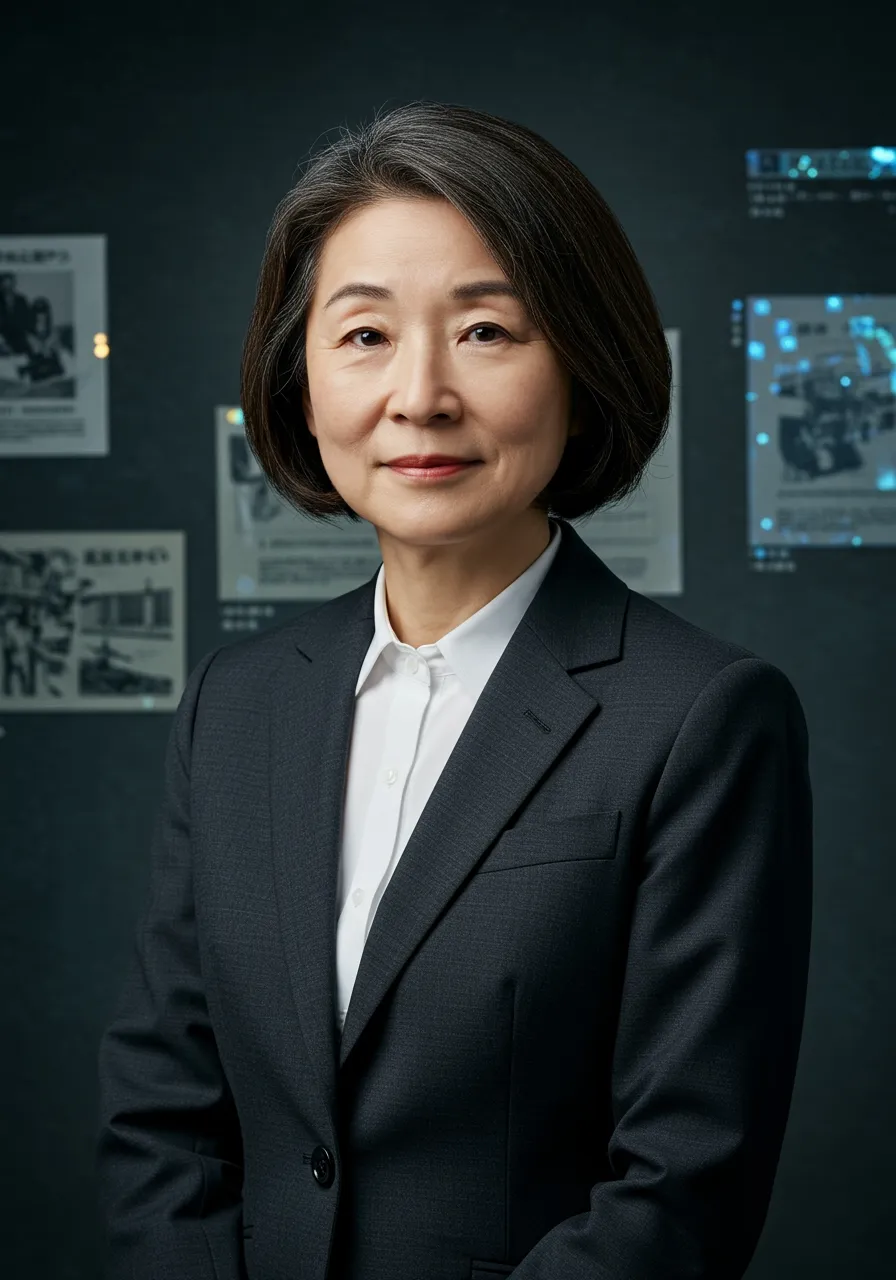
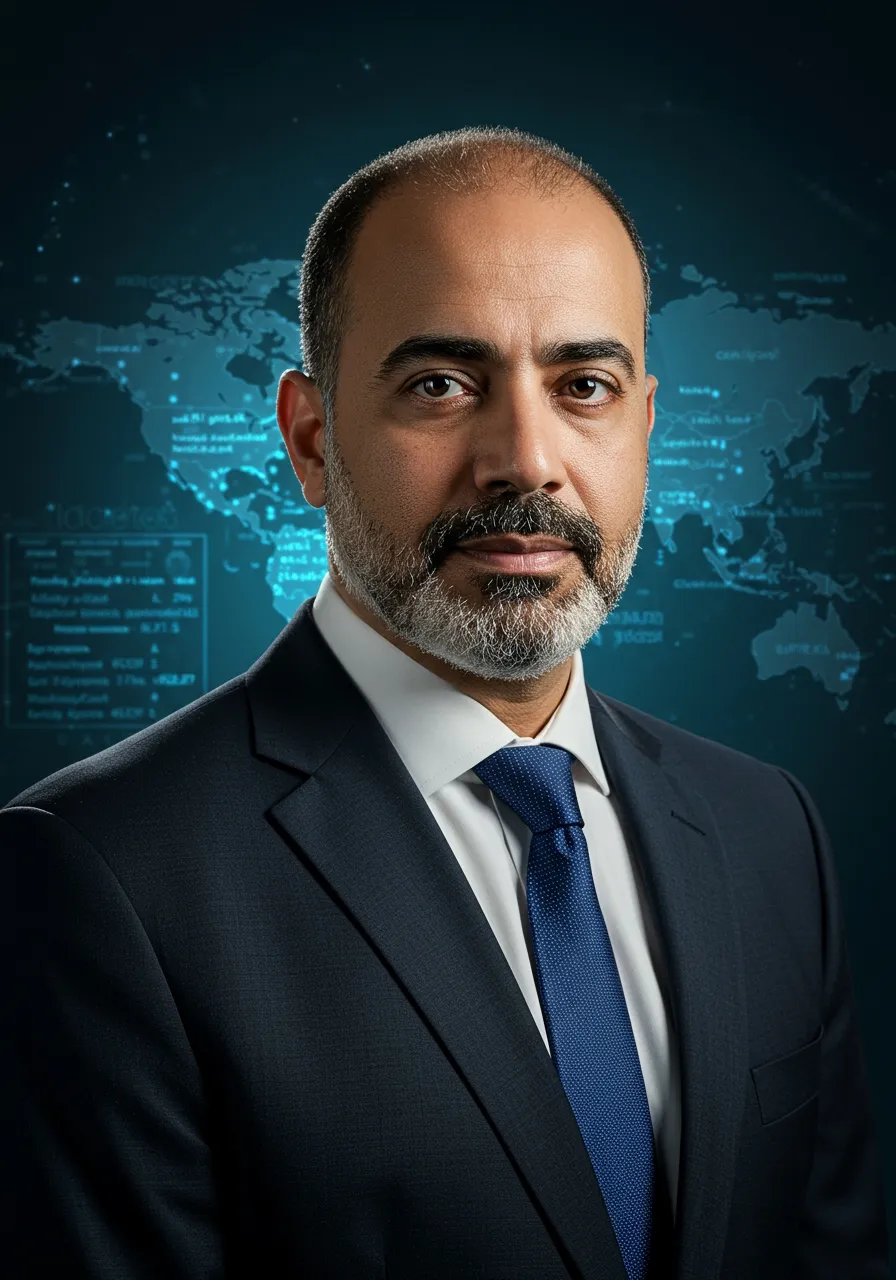
Same faculty and level

Related programs

Named lists

Named lists for this house

Adapted. Bachelor, Master and Doctorate by duration. Enrolment is not open. Nothing here is a sale.

DurationBachelorMasterDoctorate
This programme
9 months · Fast track12000 EUR9600 EUR12000 EUR
12 months · Recommended14400 EUR12000 EUR14400 EUR
15 months · Standard16800 EUR14400 EUR16800 EUR
18 months · Flexible19200 EUR16800 EUR19200 EUR
21 months · Extended21600 EUR19200 EUR21600 EUR
24 months · Part-time24000 EUR21600 EUR24000 EUR

These are the owner lists. Enrolment is not open. Nothing here is a sale.

Named tuition lists Add-on services

Continue exploring

Find the program that expands your universe.

Browse all programs