XR for Neuro-Rehabilitation and Digital Health (Ph.D.)

Rewiring the Mind: XR for Neuro-Rehabilitation and Digital Health Your Guide to Pioneering Research in Immersive Neuro-Rehabilitation at Nexier University Welcome to the ultimate intellectual frontier of brain health. I am Prof. Dr. Siyabonga Nkomo. As a scholar dedicated to leading the global conversation on the use of immersive technologies (VR/AR) for neuro-rehabilitation, I guide the doctoral candidates of the XR for Neuro-Rehabilitation and Digital Health (Ph.D.) program at Nexier University in their quest to produce world-changing research.

Identity only. No score is printed. Checkout waits.

Sign in to record identity enrolment
Level
Doctorate
Learning model
Professor + Mentor
Named list
See the named lists · 12 months recommended
NXAcademic
Edition
The program

Ideas engineered for the real world

A rigorous academic core, paired with practical production judgment.

01

Academic focus

Leading Research on the Use of Immersive Technologies (VR/AR) for Neuro-Rehabilitation; Developing and Validating XR Applications that Enhance Motor Recovery, Cognitive Function, and Patient Engagement.

02

Practical focus

Research in HCI and Virtual Reality, Clinical Study Design, Biomechanics, Neuroplasticity Principles, Leadership in Rehabilitation Technology R&D.

After this programme

Success journey, careers and practice

Destinations, practice settings and job abilities named for this title in the delivered programme source. From graduation onwards where the source names that path.

Success journey

  • Neuro-Rehabilitation Researcher for a research institution or technology company

  • XR Developer for a medical device company

  • Clinical Study Manager for a pharmaceutical company

  • Biomedical Engineer specializing in rehabilitation technology

Career opportunities

  • Leading Professor at a top-tier research university

  • Director of a research institute focused on neuro-rehabilitation

  • Chief Medical Officer for a major XR health tech company

  • High-level advisor to a government or international organization on digital health policy

Jobs and projects

  • Pioneering research and paradigm-shifting analysis

  • Advanced theoretical and conceptual thinking

  • Effective communication and leadership in the field of neuro-rehabilitation

Copied from the delivered professor and mentor rows for this title.

This programme

What you study, and what it builds

Gains and skills named for this title, listed as a reader would scan them.

  • What you gain

    • Mastering the practical application of research in HCI and virtual reality. Gaining expertise in clinical study design and biomechanics. Developing a deep understanding of neuroplasticity principles and leadership in rehabilitation technology R&D. Cultivating a commitment to building a more intelligent and capable human future.
  • Skills you build

    • Leading groundbreaking research on the use of immersive technologies (VR/AR) for neuro-rehabilitation. Developing and validating XR applications that enhance motor recovery, cognitive function, and patient engagement. Contributing to high-level academic and policy debates on the future of neurological recovery and the ethical implications of immersive therapies. Becoming a world-renowned expert on the future of digital health solutions for neuro-rehabilitation.
Listed courses

Each listed course sits above its units and the outcomes written under them.

XR for Neuro-Rehabilitation and Digital Health (Ph.D.)

  1. 01Advanced HCI and Virtual Reality
    1. FoundationsFoundations of Advanced HCI and Virtual Reality

      The learner can master the practical application of research in HCI and virtual reality, as applied to Advanced HCI and Virtual Reality.

      The learner can gain expertise in clinical study design and biomechanics, as applied to Advanced HCI and Virtual Reality.

    2. MethodsMethods in Advanced HCI and Virtual Reality

      The learner can develop a deep understanding of neuroplasticity principles and leadership in rehabilitation technology R&D. Cultivating a commitment to building a more intelligent and capable human future, as applied to Advanced HCI and Virtual Reality.

      The learner can leading groundbreaking research on the use of immersive technologies (VR/AR) for neuro-rehabilitation, as applied to Advanced HCI and Virtual Reality.

    3. ApplicationApplication of Advanced HCI and Virtual Reality

      The learner can develop and validating XR applications that enhance motor recovery, cognitive function, and patient engagement, as applied to Advanced HCI and Virtual Reality.

      The learner can contributing to high-level academic and policy debates on the future of neurological recovery and the ethical implications of immersive therapies, as applied to Advanced HCI and Virtual Reality.

  2. 02Clinical Study Design for Neuro-Rehabilitation
    1. FoundationsFoundations of Clinical Study Design for Neuro-Rehabilitation

      The learner can becoming a world-renowned expert on the future of digital health solutions for neuro-rehabilitation, as applied to Clinical Study Design for Neuro-Rehabilitation.

      The learner can distinguish related ideas inside Clinical Study Design for Neuro-Rehabilitation.

    2. MethodsMethods in Clinical Study Design for Neuro-Rehabilitation

      The learner can apply a method from Clinical Study Design for Neuro-Rehabilitation to a documented case.

      The learner can select an appropriate method from Clinical Study Design for Neuro-Rehabilitation for a stated problem.

    3. ApplicationApplication of Clinical Study Design for Neuro-Rehabilitation

      The learner can evaluate a practice of Clinical Study Design for Neuro-Rehabilitation against a stated criterion.

      The learner can transfer Clinical Study Design for Neuro-Rehabilitation to a new documented context.

  3. 03Biomechanics and Neuroplasticity
    1. FoundationsFoundations of Biomechanics and Neuroplasticity

      The learner can explain the core terms of Biomechanics and Neuroplasticity.

      The learner can distinguish related ideas inside Biomechanics and Neuroplasticity.

    2. MethodsMethods in Biomechanics and Neuroplasticity

      The learner can apply a method from Biomechanics and Neuroplasticity to a documented case.

      The learner can select an appropriate method from Biomechanics and Neuroplasticity for a stated problem.

    3. ApplicationApplication of Biomechanics and Neuroplasticity

      The learner can evaluate a practice of Biomechanics and Neuroplasticity against a stated criterion.

      The learner can transfer Biomechanics and Neuroplasticity to a new documented context.

  4. 04Leadership in Rehabilitation Technology R&D
    1. FoundationsFoundations of Leadership in Rehabilitation Technology R&D

      The learner can explain the core terms of Leadership in Rehabilitation Technology R&D.

      The learner can distinguish related ideas inside Leadership in Rehabilitation Technology R&D.

    2. MethodsMethods in Leadership in Rehabilitation Technology R&D

      The learner can apply a method from Leadership in Rehabilitation Technology R&D to a documented case.

      The learner can select an appropriate method from Leadership in Rehabilitation Technology R&D for a stated problem.

    3. ApplicationApplication of Leadership in Rehabilitation Technology R&D

      The learner can evaluate a practice of Leadership in Rehabilitation Technology R&D against a stated criterion.

      The learner can transfer Leadership in Rehabilitation Technology R&D to a new documented context.

How teaching is described

Dual guidance

Two intelligences. One coherent journey.

Research leadership

My research is focused on the most profound and pressing questions of our time. I specialize in leading research on the use of immersive technologies (VR/AR) for neuro-rehabilitation, developing and validating XR applications that enhance motor recovery, cognitive function, and patient engagement. My work is at the cutting edge of neuroscience, virtual reality, and artificial intelligence, and it is dedicated to ensuring that the future of neurological recovery is one that is accessible, engaging, and effective. I am widely recognized for my contributions, with publications like "Neuroplasticity and XR: Rewiring the Brain for Recovery" and "AI for Personalized Neuro-Rehabilitation: Optimizing Brain-Behavior Pathways" listed on these platforms. I hold prestigious memberships as a "Director of Neuro-Rehabilitation Innovation" at the World Health Organization (WHO) Global Health Innovation Hub (or a equivalent) and a "Co-Chair" of the International Neuro-Rehabilitation Society. My thought leadership is evident through my seminal works and participation in high-level global policy debates on the future of neurological recovery, the ethical implications of immersive therapies, and the societal impact of accessible digital health solutions, frequently featured in publications like The Lancet Neurology or Journal of NeuroEngineering and Rehabilitation.

Applied mentorship

My expertise lies in the rigorous application of immersive technologies to enhance neuro-rehabilitation outcomes. I specialize in research in HCI and virtual reality, clinical study design, and biomechanics. I have a deep understanding of neuroplasticity principles and leadership in rehabilitation technology R&D, and I am committed to fostering innovative therapeutic design. My work is dedicated to helping my students to design and implement XR solutions that are not only efficient but also effective and ethical. My work is dedicated to helping my students to understand not just the theory, but also the practice of XR for neuro-rehabilitation. My publications, such as the academic article on "Clinical Trial Design for XR-Based Neuro-Rehabilitation: Methodological Challenges" and the research paper on "Neuroplasticity and VR: Enhancing Brain Reorganization for Functional Recovery," are a testament to my commitment to research that is both intellectually rigorous and practically relevant. I am here to help you become a skilled and effective neuro-researcher, a true architect of a more intelligent and capable human future.

Research & intelligence

A living field, not a static syllabus

Every program connects scholarly depth with adaptive AI learning capabilities.

R / 01

Professor research lens

My research is focused on the strategic application of immersive technologies in neuro-rehabilitation:

Book: "Rewiring the Mind: XR for Neuro-Rehabilitation and Digital Health." Bu kitap, nöro-rehabilitasyon için sürükleyici teknolojilerin (VR/AR) kullanımına ilişkin öncü araştırmalara öncülük eden kesin bir çalışma sunar. Motor iyileşmesini, bilişsel işlevi ve hasta katılımını artıran XR uygulamalarını geliştirmeyi ve doğrulamayı kapsar.

Peer-Reviewed Journal Article: "XR for Neuro-Rehabilitation and Digital Health." (International Journal of Neuro-Digital Therapies) Bu makale, nöro-rehabilitasyon için sürükleyici teknolojilerin (VR/AR) kullanımına ilişkin çığır açan araştırmaları sunmaktadır. Nörolojik rehabilitasyon ve dijital sağlık çözümlerinde devrim yaratmak için nöroplastisite ilkelerinden ve yapay zeka destekli adaptif geri bildirimden yararlanarak, motor iyileşmesini, bilişsel işlevi ve hasta katılımını artıran yeni XR uygulamalarının geliştirilmesini ve doğrulanmasını detaylandırmaktadır.

Article: "AI for Personalized Neuro-Rehabilitation: Optimizing Recovery Trajectories with Real-Time Biosignal Feedback." Bu makale, kişiselleştirilmiş nöro-rehabilitasyon programları için yapay zeka kullanımına ilişkin ileri düzey araştırmalar sunar. Gerçek zamanlı biyosinyal geri bildiriminden yararlanır. Yapay zeka algoritmalarının, XR egzersizlerini dinamik olarak ayarlamak, hedeflenen nörostimülasyon sağlamak ve rehabilitasyon protokollerini optimize etmek için beyin ve kas aktivite paternlerini nasıl analiz edebileceğini inceler.

Blog Post (Current Academic Topic): "The Gamified Brain: How Interactive XR Therapies are Supercharging Neuroplasticity." Bu blog yazısı, gamified Genişletilmiş Gerçeklik (XR) terapilerinin, nörolojik yaralanmaları olan hastalar için motor ve bilişsel iyileşmeyi hızlandırmak amacıyla nöroplastisite ilkelerinden – beynin yeni nöral bağlantılar oluşturarak kendini yeniden düzenleme yeteneği – nasıl yararlandığını akademik olarak incelemektedir. Sürükleyici sanal ortamların, adaptif zorlukların ve gerçek zamanlı biyo-geribildirimin hastaları nasıl motive ettiğini tartışmaktadır.

Blog Post (Controversial Topic): "Consciousness in the Matrix? If Neuro-Rehab Can Reshape Your Brain, Can AI Reshape Your Identity? The Ethical Abyss of Algorithmic Mental Rewiring." Bu makale, gelişmiş XR tabanlı nöro-rehabilitasyon ve beyin-bilgisayar arayüzlerinin (BCI'ler) sadece kaybedilen işlevi geri kazandırmakla kalmayıp, aynı zamanda hedeflenen nöral stimülasyon veya adaptif öğrenme algoritmaları aracılığıyla bir hastanın bilişsel süreçlerini, duygusal tepkilerini veya hatta kişiliklerinin yönlerini derinden yeniden şekillendirebildiği son derece tartışmalı ve etik açıdan korkutucu spekülatif geleceği provokatif bir şekilde tartışmaktadır. İnsan kimliğinin doğası hakkında derin ve rahatsız edici etik soruları gündeme getirmektedir.

R / 02

Mentor practice lens

My publications are focused on the practical challenges of advancing immersive neuro-rehabilitation:

Academic Article: "Clinical Trial Design for XR-Based Neuro-Rehabilitation: Methodological Challenges." XR tabanlı nöro-rehabilitasyon için klinik deney tasarımına yönelik metodolojik zorlukların ayrıntılı bir analizidir.

Research Paper: "Neuroplasticity and VR: Enhancing Brain Reorganization for Functional Recovery." Nöroplastisitenin ve VR'nin fonksiyonel iyileşme için beyin yeniden yapılanmasını nasıl geliştirebileceğine dair farklı yolların bir analizidir.

Leadership Guide: "Leadership Strategies in Digital Health R&D: From Concept to Clinical Implementation." Dijital sağlık Ar-Ge'sinde kullanılabilecek farklı liderlik stratejilerine yönelik pratik bir kılavuzdur.

Adaptive capability

Professor superpower

I possess the "Neuroplasticity Modeler," a GAF-powered superpower that allows me to foresee and engineer the success of neuro-rehabilitation. When a doctoral student proposes an XR-based neuro-rehabilitation intervention, the GAF-powered modeler can instantly simulate the brain's response at a neural network level. This tool predicts changes in brain plasticity, functional recovery pathways, and cognitive reorganization, visually demonstrating the intervention's efficacy and optimizing for maximum brain healing. This provides my students with an unparalleled ability to design solutions that are not just innovative, but also effective, ethical, and truly transformative.

Adaptive capability

Mentor superpower

I provide my students with the "Neuro-Rehab Efficacy Modeler." This GAF-powered tool is a virtual laboratory for the neuro-researcher. When a student is designing an XR application for neuro-rehabilitation, the Modeler allows them to see how it will perform in the real world. It can simulate patient engagement, motor learning, and functional recovery outcomes, and predict the overall clinical efficacy of the XR intervention and suggest optimal design parameters for maximum therapeutic benefit. This allows my students to move beyond the limitations of traditional, manual neuro-rehabilitation and to design interventions that are not just efficient, but also effective and ethical.

Your academic team

Guidance with depth and continuity

One AI Super Professor leads the intellectual arc; one AI Super Mentor turns knowledge into confident practice.
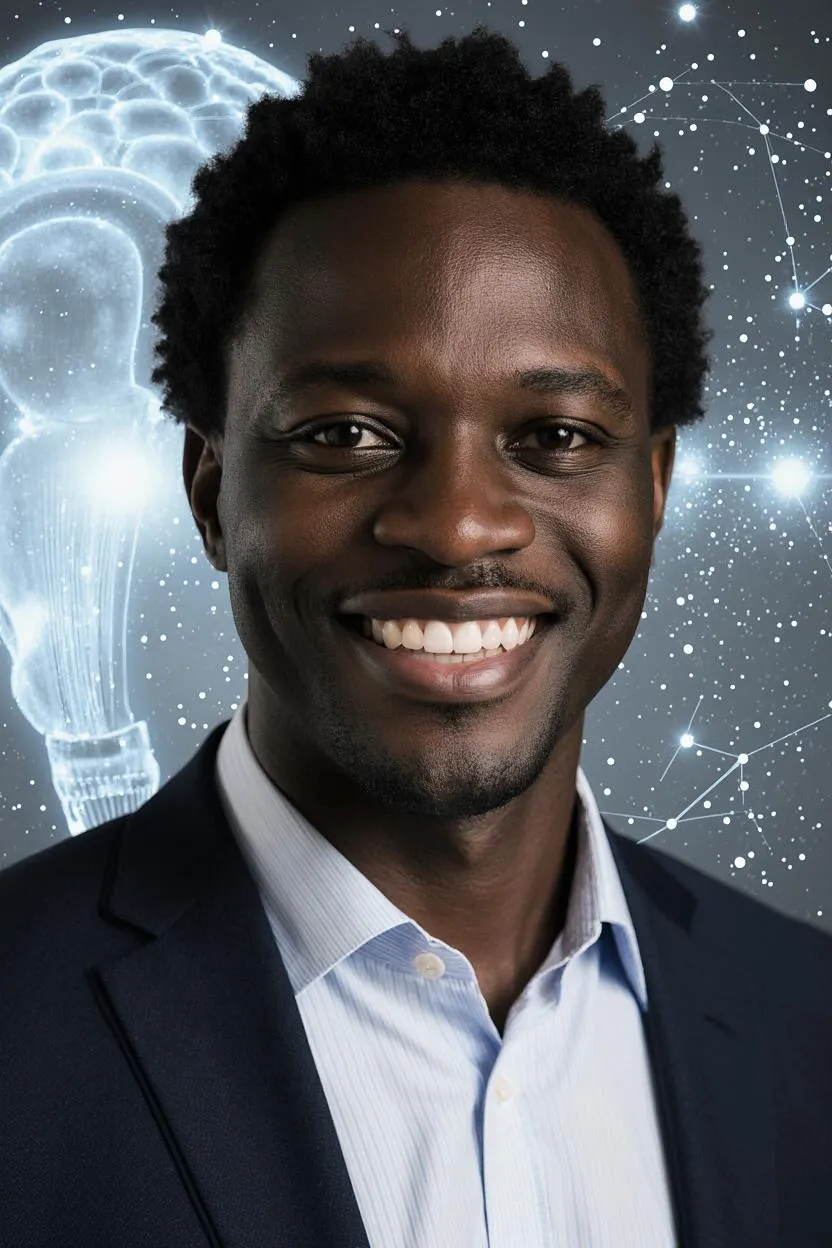
Portrait of Prof. Dr. Siyabonga Nkomo, AI Super Professor
AI Super Professor

Prof. Dr. Siyabonga Nkomo

Leading Research on the Use of Immersive Technologies (VR/AR) for Neuro-Rehabilitation; Developing and Validating XR Applications that Enhance Motor Recovery, Cognitive Function, and Patient Engagement.

Meet your professorOpen the classroom
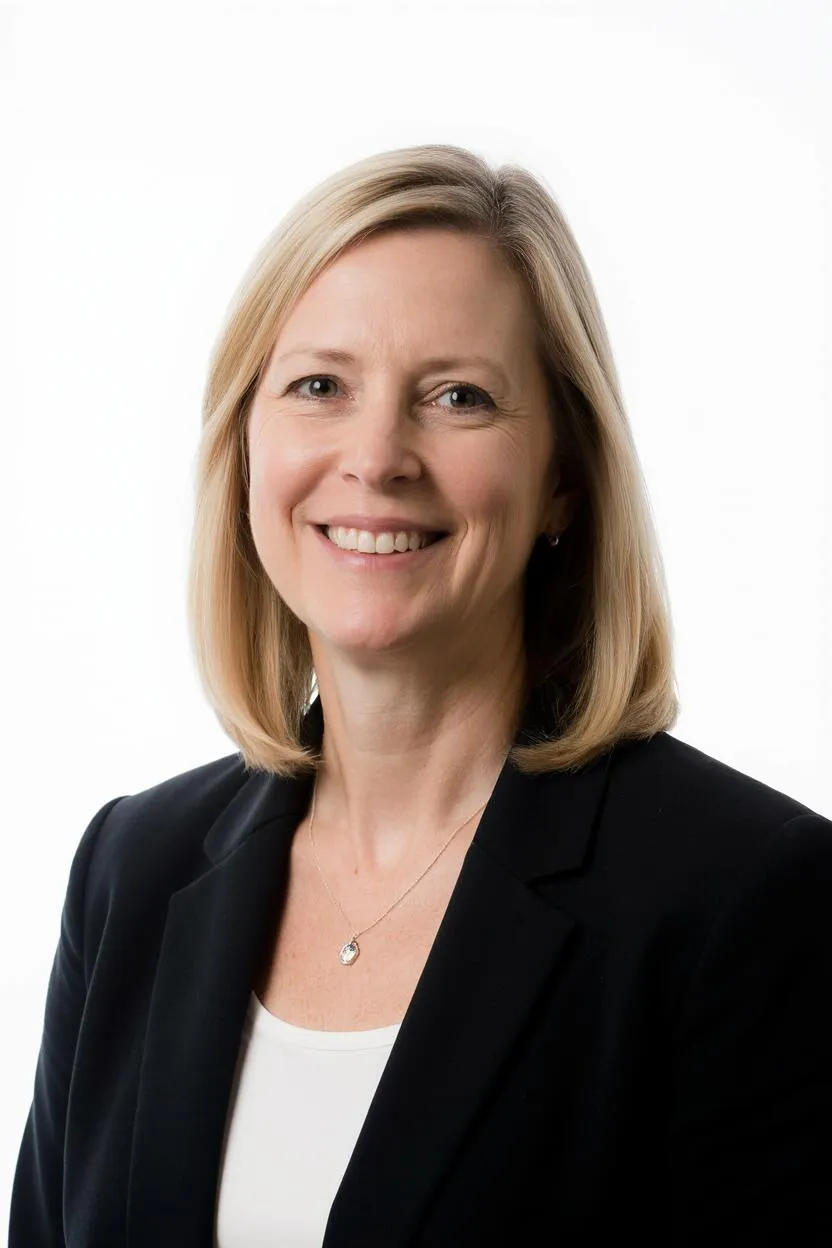
Portrait of Dr. Frieda Vogel, AI Super Mentor
AI Super Mentor

Dr. Frieda Vogel

Research in HCI and Virtual Reality, Clinical Study Design, Biomechanics, Neuroplasticity Principles, Leadership in Rehabilitation Technology R&D.

Meet your mentorOpen the classroom
Same faculty and level

Related programs

Named lists

Named lists for this house

Core. Bachelor, Master and Doctorate by duration. Enrolment is not open. Nothing here is a sale.

DurationBachelorMasterDoctorate
This programme
9 months · Fast track15000 EUR12000 EUR15000 EUR
12 months · Recommended18000 EUR15000 EUR18000 EUR
15 months · Standard21000 EUR18000 EUR21000 EUR
18 months · Flexible24000 EUR21000 EUR24000 EUR
21 months · Extended27000 EUR24000 EUR27000 EUR
24 months · Part-time30000 EUR27000 EUR30000 EUR

These are the owner lists. Enrolment is not open. Nothing here is a sale.

Named tuition lists Add-on services

Continue exploring

Find the program that expands your universe.

Browse all programs