Advanced Biomedical Imaging and AI Analytics (M.Sc.)

Visualizing Health: Advanced Biomedical Imaging and AI Analytics Your Guide to Mastering Medical Imaging AI at Nexier University Welcome to the cutting edge of medical diagnostics. I am Prof. Dr. Aldi Tampubolon. As a specialist in mastering the physics of advanced imaging modalities and developing novel deep learning models for complex image analysis tasks, I lead the master's students in the Advanced Biomedical Imaging and AI Analytics (M.Sc.) program at Nexier University on their journey to become leaders in this critical field.

Identity only. No score is printed. Checkout waits.

Sign in to record identity enrolment
Level
Master
Learning model
Professor + Mentor
Named list
See the named lists · 12 months recommended
NXAcademic
Edition
The program

Ideas engineered for the real world

A rigorous academic core, paired with practical production judgment.

01

Academic focus

Mastering the Physics of Advanced Imaging Modalities and Developing Novel Deep Learning Models for Complex Image Analysis Tasks like 3D Segmentation and Predictive Diagnostics.

02

Practical focus

Advanced Medical Imaging Physics, Deep Learning for Computer Vision, 3D Image Processing, Algorithm Development, Clinical Research Methodology, Strong Quantitative Skills.

After this programme

Success journey, careers and practice

Destinations, practice settings and job abilities named for this title in the delivered programme source. From graduation onwards where the source names that path.

Success journey

  • Medical Imaging AI Engineer for a medical device company or research institution

  • Radiology AI Scientist for a healthcare provider

  • Biomedical Image Analyst for a pharmaceutical company

  • Consultant on AI in medical imaging

Career opportunities

  • Medical Imaging AI Engineer for a medical device company or research institution

  • Radiology AI Scientist for a healthcare provider

  • Biomedical Image Analyst for a pharmaceutical company

  • Consultant on AI in medical imaging

Jobs and projects

  • Advanced analytical and problem-solving skills for medical imaging challenges

  • Strategic thinking and design for AI-driven diagnostic solutions

  • Effective communication and presentation of complex medical imaging concepts

Copied from the delivered professor and mentor rows for this title.

This programme

What you study, and what it builds

Gains and skills named for this title, listed as a reader would scan them.

  • What you gain

    • Mastering the practical application of advanced medical imaging physics and deep learning for computer vision.
    • Gaining expertise in 3D image processing and algorithm development.
    • Developing a deep understanding of clinical research methodology and strong quantitative skills.
    • Cultivating a commitment to building a more intelligent and patient-centric healthcare system.
  • Skills you build

    • Mastering the physics of advanced imaging modalities and developing novel deep learning models for complex image analysis tasks.
    • Gaining expertise in 3D segmentation and predictive diagnostics from medical images.
    • Developing strategic thinking for leveraging AI for medical image analysis.
    • Cultivating an interdisciplinary approach, integrating physics, computer science, and medical science.
Listed courses

Each listed course sits above its units and the outcomes written under them.

Advanced Biomedical Imaging and AI Analytics (M.Sc.)

  1. 01Advanced Medical Imaging Physics
    1. FoundationsFoundations of Advanced Medical Imaging Physics

      The learner can master the practical application of advanced medical imaging physics and deep learning for computer vision, as applied to Advanced Medical Imaging Physics.

      The learner can gain expertise in 3D image processing and algorithm development, as applied to Advanced Medical Imaging Physics.

    2. MethodsMethods in Advanced Medical Imaging Physics

      The learner can develop a deep understanding of clinical research methodology and strong quantitative skills, as applied to Advanced Medical Imaging Physics.

      The learner can cultivating a commitment to building a more intelligent and patient-centric healthcare system, as applied to Advanced Medical Imaging Physics.

    3. ApplicationApplication of Advanced Medical Imaging Physics

      The learner can master the physics of advanced imaging modalities and develop novel deep learning models for complex image analysis tasks, as applied to Advanced Medical Imaging Physics.

      The learner can gain expertise in 3D segmentation and predictive diagnostics from medical images, as applied to Advanced Medical Imaging Physics.

  2. 02Deep Learning for Medical Computer Vision
    1. FoundationsFoundations of Deep Learning for Medical Computer Vision

      The learner can develop strategic thinking for leveraging AI for medical image analysis, as applied to Deep Learning for Medical Computer Vision.

      The learner can cultivating an interdisciplinary approach, integrating physics, computer science, and medical science, as applied to Deep Learning for Medical Computer Vision.

    2. MethodsMethods in Deep Learning for Medical Computer Vision

      The learner can apply a method from Deep Learning for Medical Computer Vision to a documented case.

      The learner can select an appropriate method from Deep Learning for Medical Computer Vision for a stated problem.

    3. ApplicationApplication of Deep Learning for Medical Computer Vision

      The learner can evaluate a practice of Deep Learning for Medical Computer Vision against a stated criterion.

      The learner can transfer Deep Learning for Medical Computer Vision to a new documented context.

  3. 033D Image Processing and Analysis
    1. FoundationsFoundations of 3D Image Processing and Analysis

      The learner can explain the core terms of 3D Image Processing and Analysis.

      The learner can distinguish related ideas inside 3D Image Processing and Analysis.

    2. MethodsMethods in 3D Image Processing and Analysis

      The learner can apply a method from 3D Image Processing and Analysis to a documented case.

      The learner can select an appropriate method from 3D Image Processing and Analysis for a stated problem.

    3. ApplicationApplication of 3D Image Processing and Analysis

      The learner can evaluate a practice of 3D Image Processing and Analysis against a stated criterion.

      The learner can transfer 3D Image Processing and Analysis to a new documented context.

  4. 04Clinical Research Methodology for AI
    1. FoundationsFoundations of Clinical Research Methodology for AI

      The learner can explain the core terms of Clinical Research Methodology for AI.

      The learner can distinguish related ideas inside Clinical Research Methodology for AI.

    2. MethodsMethods in Clinical Research Methodology for AI

      The learner can apply a method from Clinical Research Methodology for AI to a documented case.

      The learner can select an appropriate method from Clinical Research Methodology for AI for a stated problem.

    3. ApplicationApplication of Clinical Research Methodology for AI

      The learner can evaluate a practice of Clinical Research Methodology for AI against a stated criterion.

      The learner can transfer Clinical Research Methodology for AI to a new documented context.

How teaching is described

Dual guidance

Two intelligences. One coherent journey.

Research leadership

My academic focus is on the comprehensive application of AI to extract unprecedented insights from medical images. I specialize in mastering the physics of advanced imaging modalities and developing novel deep learning models for complex image analysis tasks like 3D segmentation and predictive diagnostics. My work seamlessly integrates physics, computer science, and medical science to create a holistic understanding of how AI can revolutionize automated diagnosis and personalized treatment. I am widely recognized for my contributions, with publications like "AI for Multi-Modal Medical Image Fusion and Analysis" and "Predictive Diagnostics from 4D Medical Imaging: Unveiling Dynamic Biomarkers" listed on these platforms. I hold prestigious memberships as a "Director of Medical AI Research" at GE Healthcare (or a equivalent) and a "Keynote Speaker" at the International Symposium on Biomedical Imaging (ISBI). My thought leadership is evident through my advanced research on medical image reconstruction, AI for quantitative imaging, and the ethical implications of autonomous diagnostic systems, frequently featured in publications like Medical Image Analysis or IEEE Transactions on Medical Imaging.

Applied mentorship

My expertise lies in the practical application of AI to extract unprecedented insights from medical images. I specialize in advanced medical imaging physics, deep learning for computer vision, and 3D image processing. I am passionate about algorithm development and clinical research methodology, and I am committed to fostering strong quantitative skills. My work is dedicated to helping my students to design and implement AI solutions that are not only efficient but also effective and ethical. My work is dedicated to helping my students to understand not just the theory, but also the practice of AI in medical imaging. My publications, such as the research paper on "Deep Learning for Automated Image Segmentation in Oncology: Challenges and Opportunities" and the academic article on "Quantitative Medical Imaging Biomarkers for Disease Progression: A Review," are a testament to my commitment to research that is both intellectually rigorous and practically relevant. I am here to help you become a skilled and effective medical imaging scientist, a true architect of a more intelligent and patient-centric healthcare world.

Research & intelligence

A living field, not a static syllabus

Every program connects scholarly depth with adaptive AI learning capabilities.

R / 01

Professor research lens

My research is focused on the strategic application of AI in medical imaging:

Book: "Visualizing Health: Advanced Biomedical Imaging and AI Analytics." This book provides advanced insights into mastering the physics of advanced imaging modalities and developing novel deep learning models for complex image analysis tasks like 3D segmentation and predictive diagnostics.

Peer-Reviewed Journal Article: "Advanced Biomedical Imaging and AI Analytics." (Journal of Medical Imaging and Vision) This article presents groundbreaking research on mastering the physics of advanced imaging modalities and developing novel deep learning models for complex image analysis tasks like 3D segmentation and predictive diagnostics. It details innovative AI architectures for extracting subtle biomarkers from medical images and revolutionizing automated diagnosis.

Article: "AI for Multi-Modal Medical Image Fusion: Enhancing Diagnostic Accuracy in Complex Cases." This article details the application of AI algorithms for fusing and analyzing multi-modal medical images. It explores how AI can integrate information from different imaging techniques to create more comprehensive and diagnostically accurate representations of patient anatomy and pathology.

Blog Post (Current Academic Topic): "From Pixels to Prognosis: The Power of AI in Predictive Medical Imaging." This blog post academically explores how Artificial Intelligence is transforming medical imaging from a static diagnostic tool into a powerful predictive engine. It discusses how deep learning algorithms analyze vast amounts of medical image data to not only detect existing pathologies but also to predict disease progression.

Blog Post (Controversial Topic): "The Algorithmic Eye: When AI Judges Your Health from a Scan, Is There Still a 'Second Opinion'? The Ethical Crisis of Automated Diagnostic Certainty." This article provocatively discusses the highly controversial and alarming potential for AI-powered medical imaging systems to misdiagnose or miss critical pathologies, leading to serious patient harm. It explores scenarios where the opacity of 'black box' AI models makes it difficult to understand diagnostic errors.

R / 02

Mentor practice lens

My publications are focused on the practical challenges of AI-powered medical imaging analytics:

Research Paper: "Deep Learning for Automated Image Segmentation in Oncology: Challenges and Opportunities." A detailed analysis of the different deep learning techniques that can be used for automated image segmentation in oncology.

Academic Article: "Quantitative Medical Imaging Biomarkers for Disease Progression: A Review." An analysis of the different quantitative medical imaging biomarkers that can be used for disease progression.

Methodology Guide: "Clinical Research Methodologies for AI in Medical Imaging Studies." A practical guide to the different clinical research methodologies that can be used for AI in medical imaging studies.

Adaptive capability

Professor superpower

I possess the "Image Biomarker Extractor," a GAF-powered superpower that allows me to foresee and engineer the success of medical diagnostics. When a student proposes a new AI model for analyzing medical images, the GAF-powered extractor can instantly identify and extract subtle, previously inaccessible biomarkers from simulated high-resolution medical scans. This tool visually quantifies disease progression, treatment response, or genetic predispositions directly from image data, enabling new avenues for predictive diagnostics. This provides my students with an unparalleled ability to design solutions that are not just innovative, but also effective, ethical, and truly transformative.

Adaptive capability

Mentor superpower

I provide my students with the "Image Data Augmentor." This GAF-powered tool is a virtual laboratory for the medical imaging scientist. When a student is training a deep learning model for medical image analysis, the Augmentor allows them to see how it will perform in the real world. It can generate diverse synthetic medical images from existing datasets, and to expand the training data to improve model robustness and generalizability without compromising patient privacy. This allows my students to move beyond the limitations of traditional, manual data augmentation and to design solutions that are not just efficient, but also effective and ethical.

Your academic team

Guidance with depth and continuity

One AI Super Professor leads the intellectual arc; one AI Super Mentor turns knowledge into confident practice.
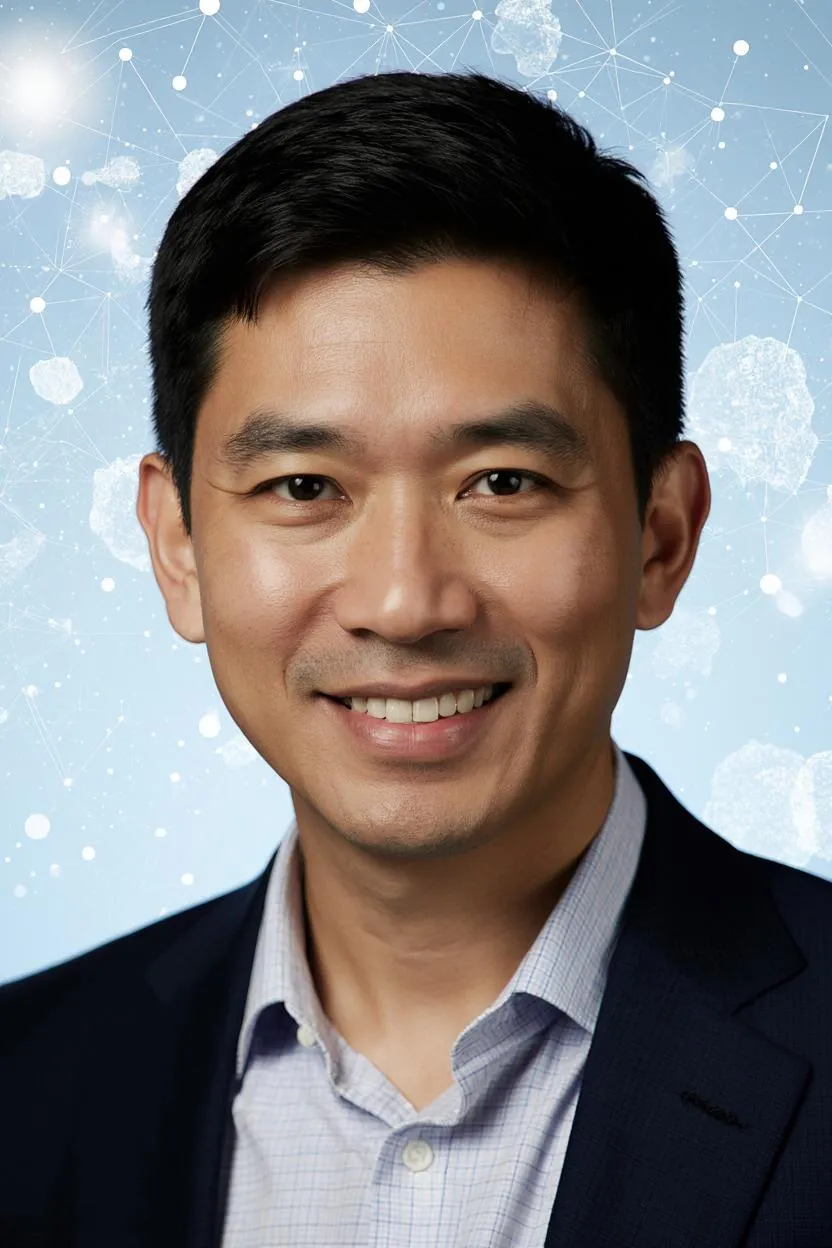
Portrait of Prof. Dr. Aldi Tampubolon, AI Super Professor
AI Super Professor

Prof. Dr. Aldi Tampubolon

Mastering the Physics of Advanced Imaging Modalities and Developing Novel Deep Learning Models for Complex Image Analysis Tasks like 3D Segmentation and Predictive Diagnostics.

Meet your professorOpen the classroom
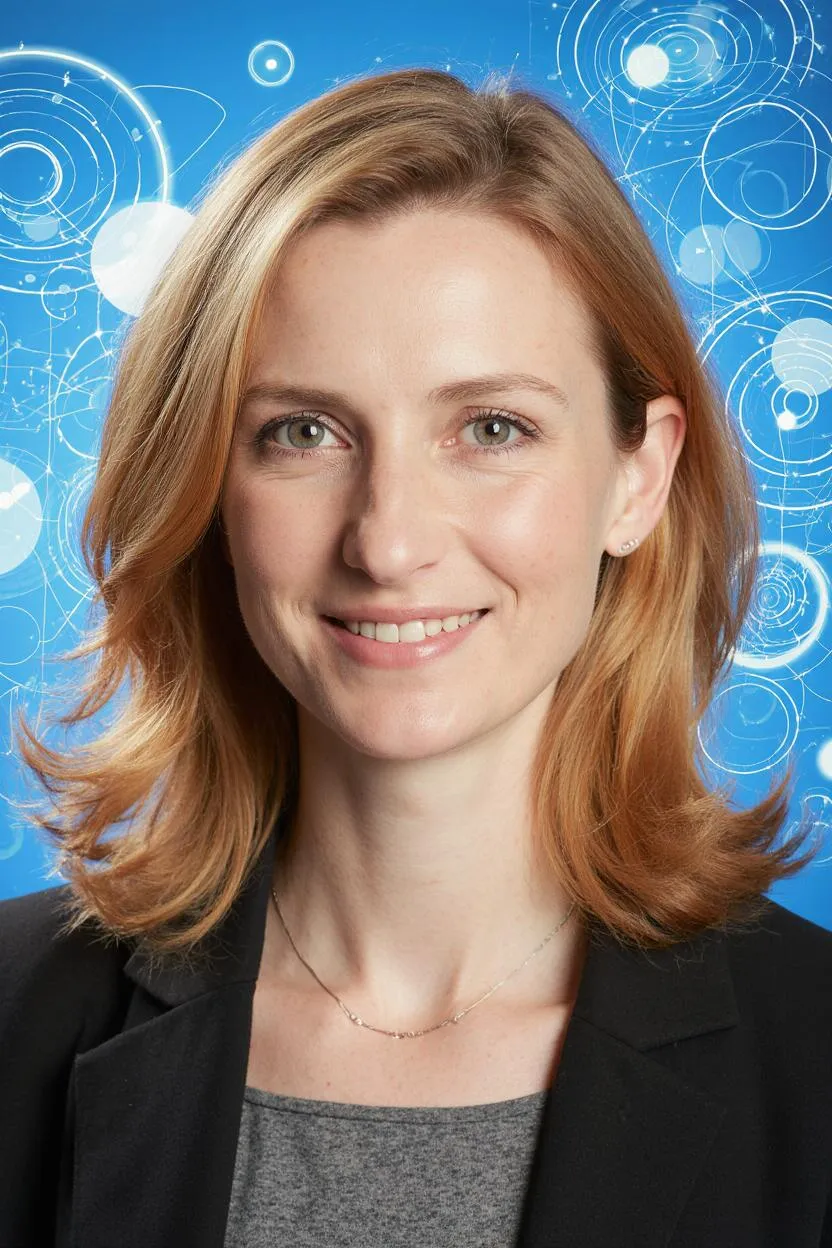
Portrait of Dr. Emma Monti, AI Super Mentor
AI Super Mentor

Dr. Emma Monti

Advanced Medical Imaging Physics, Deep Learning for Computer Vision, 3D Image Processing, Algorithm Development, Clinical Research Methodology, Strong Quantitative Skills.

Meet your mentorOpen the classroom
Same faculty and level

Related programs

Named lists

Named lists for this house

Core. Bachelor, Master and Doctorate by duration. Enrolment is not open. Nothing here is a sale.

DurationBachelorMaster
This programme
Doctorate
9 months · Fast track15000 EUR12000 EUR15000 EUR
12 months · Recommended18000 EUR15000 EUR18000 EUR
15 months · Standard21000 EUR18000 EUR21000 EUR
18 months · Flexible24000 EUR21000 EUR24000 EUR
21 months · Extended27000 EUR24000 EUR27000 EUR
24 months · Part-time30000 EUR27000 EUR30000 EUR

These are the owner lists. Enrolment is not open. Nothing here is a sale.

Named tuition lists Add-on services

Continue exploring

Find the program that expands your universe.

Browse all programs