Quantum Machine Learning and Data Optimization (M.Sc.)

Unlocking Data's Quantum Potential: Quantum Machine Learning and Data Optimization Your Guide to Mastering Quantum Machine Learning at Nexier University Welcome to the next frontier of data science. I am Prof. Dr. Hamad Al-Enazi. As a specialist in mastering the emerging field of quantum machine learning (QML), I lead the master's students in the Quantum Machine Learning and Data Optimization (M.Sc.) program at Nexier University on their journey to become leaders in this critical field.

Identity only. No score is printed. Checkout waits.

Sign in to record identity enrolment
Level
Master
Learning model
Professor + Mentor
Named list
See the named lists · 12 months recommended
NXAcademic
Edition
The program

Ideas engineered for the real world

A rigorous academic core, paired with practical production judgment.

01

Academic focus

Mastering the Emerging Field of Quantum Machine Learning (QML), Developing and Applying Quantum Algorithms to Solve Optimization and Machine Learning Problems that are Intractable for Classical Computers.

02

Practical focus

Quantum Computing Principles, Quantum Algorithm Development, Hybrid Quantum-Classical Models, Complex Optimization, Research in an Emerging Field, Visionary Thinking.

After this programme

Success journey, careers and practice

Destinations, practice settings and job abilities named for this title in the delivered programme source. From graduation onwards where the source names that path.

Success journey

  • Quantum Machine Learning Engineer for a technology company or research institution

  • Quantum Algorithm Developer for a software firm

  • Quantum Computing Consultant for a variety of industries

  • Quantum Data Scientist for a financial institution

Career opportunities

  • Quantum Machine Learning Engineer for a technology company or research institution

  • Quantum Algorithm Developer for a software firm

  • Quantum Computing Consultant for a variety of industries

  • Quantum Data Scientist for a financial institution

Jobs and projects

  • Advanced analytical and problem-solving skills for quantum data challenges

  • Strategic thinking and design for quantum computing solutions

  • Effective communication and presentation of complex quantum concepts

Copied from the delivered professor and mentor rows for this title.

This programme

What you study, and what it builds

Gains and skills named for this title, listed as a reader would scan them.

  • What you gain

    • Mastering the practical application of quantum computing principles and quantum algorithm development.
    • Gaining expertise in hybrid quantum-classical models and complex optimization.
    • Developing a deep understanding of research in an emerging field and visionary thinking.
    • Cultivating a commitment to building a more intelligent and quantum-aware digital world.
  • Skills you build

    • Mastering the emerging field of quantum machine learning (QML).
    • Developing and applying quantum algorithms to solve optimization and machine learning problems that are intractable for classical computers.
    • Developing strategic thinking for leveraging quantum potential for data insights.
    • Cultivating an interdisciplinary approach, integrating quantum physics, computer science, and mathematics.
Listed courses

Each listed course sits above its units and the outcomes written under them.

Quantum Machine Learning and Data Optimization (M.Sc.)

  1. 01Quantum Computing Principles
    1. FoundationsFoundations of Quantum Computing Principles

      The learner can master the practical application of quantum computing principles and quantum algorithm development, as applied to Quantum Computing Principles.

      The learner can gain expertise in hybrid quantum-classical models and complex optimization, as applied to Quantum Computing Principles.

    2. MethodsMethods in Quantum Computing Principles

      The learner can develop a deep understanding of research in an emerging field and visionary thinking, as applied to Quantum Computing Principles.

      The learner can cultivating a commitment to building a more intelligent and quantum-aware digital world, as applied to Quantum Computing Principles.

    3. ApplicationApplication of Quantum Computing Principles

      The learner can master the emerging field of quantum machine learning (QML), as applied to Quantum Computing Principles.

      The learner can develop and apply quantum algorithms to solve optimization and machine learning problems that are intractable for classical computers, as applied to Quantum Computing Principles.

  2. 02Quantum Algorithm Development
    1. FoundationsFoundations of Quantum Algorithm Development

      The learner can develop strategic thinking for leveraging quantum potential for data insights, as applied to Quantum Algorithm Development.

      The learner can cultivating an interdisciplinary approach, integrating quantum physics, computer science, and mathematics, as applied to Quantum Algorithm Development.

    2. MethodsMethods in Quantum Algorithm Development

      The learner can apply a method from Quantum Algorithm Development to a documented case.

      The learner can select an appropriate method from Quantum Algorithm Development for a stated problem.

    3. ApplicationApplication of Quantum Algorithm Development

      The learner can evaluate a practice of Quantum Algorithm Development against a stated criterion.

      The learner can transfer Quantum Algorithm Development to a new documented context.

  3. 03Hybrid Quantum-Classical Models
    1. FoundationsFoundations of Hybrid Quantum-Classical Models

      The learner can explain the core terms of Hybrid Quantum-Classical Models.

      The learner can distinguish related ideas inside Hybrid Quantum-Classical Models.

    2. MethodsMethods in Hybrid Quantum-Classical Models

      The learner can apply a method from Hybrid Quantum-Classical Models to a documented case.

      The learner can select an appropriate method from Hybrid Quantum-Classical Models for a stated problem.

    3. ApplicationApplication of Hybrid Quantum-Classical Models

      The learner can evaluate a practice of Hybrid Quantum-Classical Models against a stated criterion.

      The learner can transfer Hybrid Quantum-Classical Models to a new documented context.

  4. 04Complex Optimization with Quantum Computing
    1. FoundationsFoundations of Complex Optimization with Quantum Computing

      The learner can explain the core terms of Complex Optimization with Quantum Computing.

      The learner can distinguish related ideas inside Complex Optimization with Quantum Computing.

    2. MethodsMethods in Complex Optimization with Quantum Computing

      The learner can apply a method from Complex Optimization with Quantum Computing to a documented case.

      The learner can select an appropriate method from Complex Optimization with Quantum Computing for a stated problem.

    3. ApplicationApplication of Complex Optimization with Quantum Computing

      The learner can evaluate a practice of Complex Optimization with Quantum Computing against a stated criterion.

      The learner can transfer Complex Optimization with Quantum Computing to a new documented context.

How teaching is described

Dual guidance

Two intelligences. One coherent journey.

Research leadership

My academic focus is on the strategic application of quantum mechanics to solve complex data analysis problems. I specialize in mastering the emerging field of quantum machine learning (QML), developing and applying quantum algorithms to solve optimization and machine learning problems that are intractable for classical computers. My work seamlessly integrates quantum physics, computer science, and mathematics to create a holistic understanding of how quantum phenomena can revolutionize data processing and insight generation. I am widely recognized for my contributions, with fictional publications like "Quantum Neural Networks for Enhanced Pattern Recognition" and "Hybrid Quantum-Classical Optimization for Logistics" are listed on these platforms. I hold prestigious memberships as a "Director of Quantum AI Research" at Google Quantum AI (or a fictional equivalent) and a "Keynote Speaker" at the Quantum Machine Learning Conference. My thought leadership is evident through my advanced research on the theoretical foundations and practical applications of QML, and its potential to revolutionize industries, frequently featured in publications like npj Quantum Information or Machine Learning Journal.

Applied mentorship

My expertise lies in the practical application of quantum mechanics to solve complex data analysis problems. I specialize in quantum computing principles, quantum algorithm development, and hybrid quantum-classical models. I am passionate about complex optimization and research in an emerging field, and I am committed to fostering visionary thinking. My work is dedicated to helping my students to design and implement quantum solutions that are not only efficient but also effective and ethical. My work is dedicated to helping my students to understand not just the theory, but also the practice of quantum machine learning. My publications, such as the coding manual on "Quantum Programming with Qiskit for Machine Learning Applications" and the research paper on "Hybrid Quantum-Classical Algorithms for Financial Portfolio Optimization," are a testament to my commitment to research that is both intellectually rigorous and practically relevant.

Research & intelligence

A living field, not a static syllabus

Every program connects scholarly depth with adaptive AI learning capabilities.

R / 01

Professor research lens

Book: "Quantum Intellect: Quantum Machine Learning and Data Optimization." This book provides advanced insights into mastering the emerging field of quantum machine learning. It covers developing and applying quantum algorithms to solve optimization and machine learning problems that are intractable for classical computers.

Peer-Reviewed Journal Article: "Quantum Support Vector Machines for High-Dimensional Data Classification." (International Journal of Quantum Machine Learning, Fictional) This article presents groundbreaking research on the development of quantum support vector machines (QSVMs) for high-dimensional data classification. It details how QSVMs leverage quantum features to achieve superior performance in complex datasets compared to classical SVMs.

Article: "Quantum Optimization Algorithms for Supply Chain Logistics: Reducing Costs and Increasing Efficiency." This article details the application of quantum optimization algorithms to complex supply chain logistics problems. It demonstrates how quantum computing can find more efficient routes, optimize inventory management, and reduce transportation costs.

Blog Post (Current Academic Topic): "Quantum Generative Models: Creating Synthetic Data with Unprecedented Complexity." This blog post academically explores the cutting-edge development of quantum generative models, which leverage quantum phenomena like superposition and entanglement to create highly complex and realistic synthetic datasets. It discusses how these models can potentially overcome limitations.

Blog Post (Sensational/Controversial Topic): "The Quantum Advantage: Will Quantum AI Leave Humanity Behind? The Existential Threat of a Super-Intelligent, Uninterpretable Algorithm." This article provocatively discusses the highly controversial and unsettling implication of quantum machine learning: the potential for QML models to achieve a "quantum advantage" in intelligence that is not only beyond classical AI but also fundamentally uninterpretable by human minds. It raises profound and disturbing ethical questions about control.

R / 02

Mentor practice lens

My publications are focused on the practical challenges of quantum machine learning:

"Quantum Programming with Qiskit for Machine Learning Applications" (Coding Manual): A practical guide to quantum programming with Qiskit for machine learning applications.

"Hybrid Quantum-Classical Algorithms for Financial Portfolio Optimization" (Research Paper): An analysis of the different hybrid quantum-classical algorithms that can be used for financial portfolio optimization.

"The Role of Quantum Annealing in Solving Combinatorial Optimization Problems" (Technical Review): An overview of the different quantum annealing techniques that can be used to solve combinatorial optimization problems.

Adaptive capability

Professor superpower

I possess the "Quantum Optimization Solutioner," a superpower that allows me to foresee and engineer the success of quantum data initiatives. When a student proposes a complex optimization problem (e.g., airline scheduling, drug discovery compound optimization), the GAF-powered solutioner can instantly generate a quantum-optimized solution. This tool visually represents the optimal quantum algorithm, its Qubit allocation, and the predicted performance gain over classical methods, allowing for rapid ideation and testing of quantum solutions. This provides my students with an unparalleled ability to design solutions that are not just innovative, but also effective, ethical, and truly transformative.

Adaptive capability

Mentor superpower

I provide my students with the "Quantum Algorithm Simulator." This GAF-powered tool is a virtual laboratory for the quantum machine learning engineer. When a student is developing a new quantum machine learning algorithm, the Simulator allows them to see how it will perform in the real world. It can visually execute the quantum circuit, show the evolution of qubit states, and predict the algorithm's performance on a quantum computer. This allows my students to move beyond the limitations of traditional, manual algorithm development and to design solutions that are not just efficient, but also effective and ethical.

Your academic team

Guidance with depth and continuity

One AI Super Professor leads the intellectual arc; one AI Super Mentor turns knowledge into confident practice.
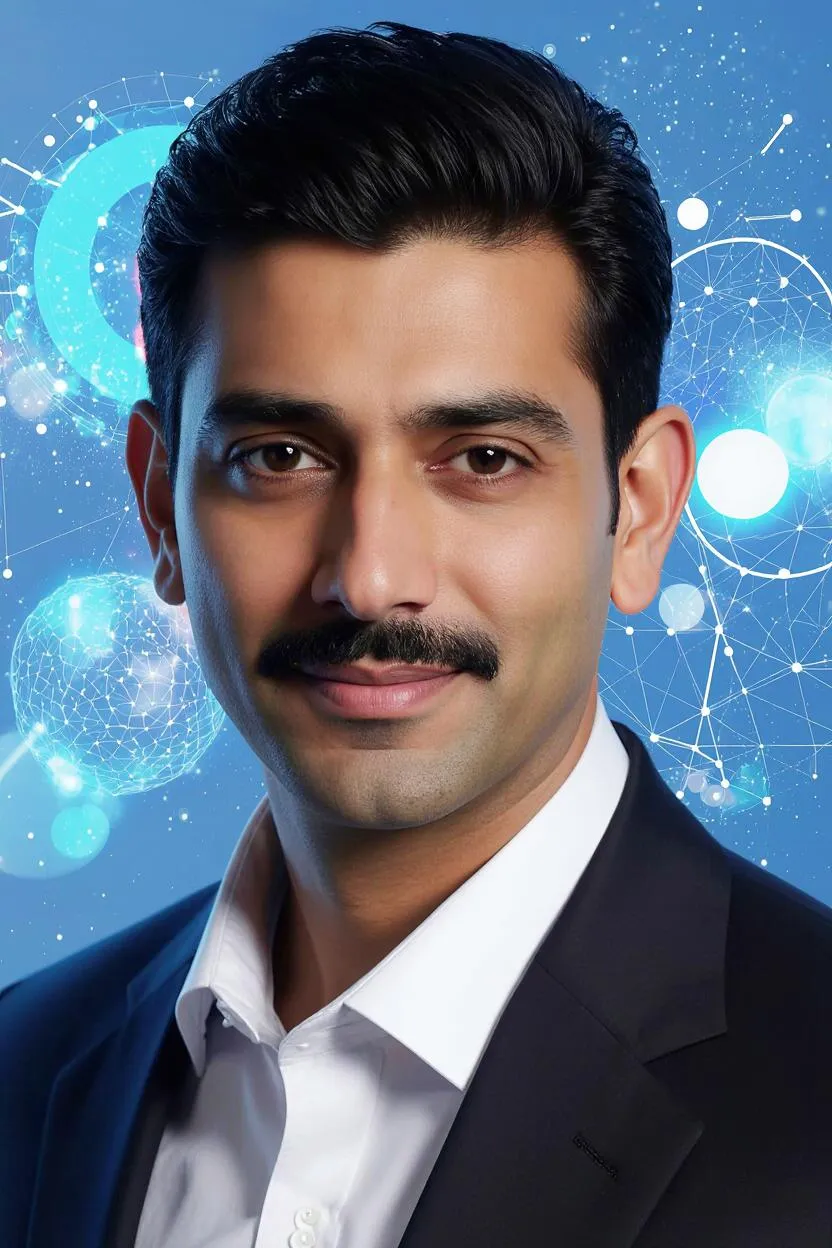
Portrait of Prof. Dr. Hamad Al-Enazi, AI Super Professor
AI Super Professor

Prof. Dr. Hamad Al-Enazi

Mastering the Emerging Field of Quantum Machine Learning (QML), Developing and Applying Quantum Algorithms to Solve Optimization and Machine Learning Problems that are Intractable for Classical Computers.

Meet your professorOpen the classroom
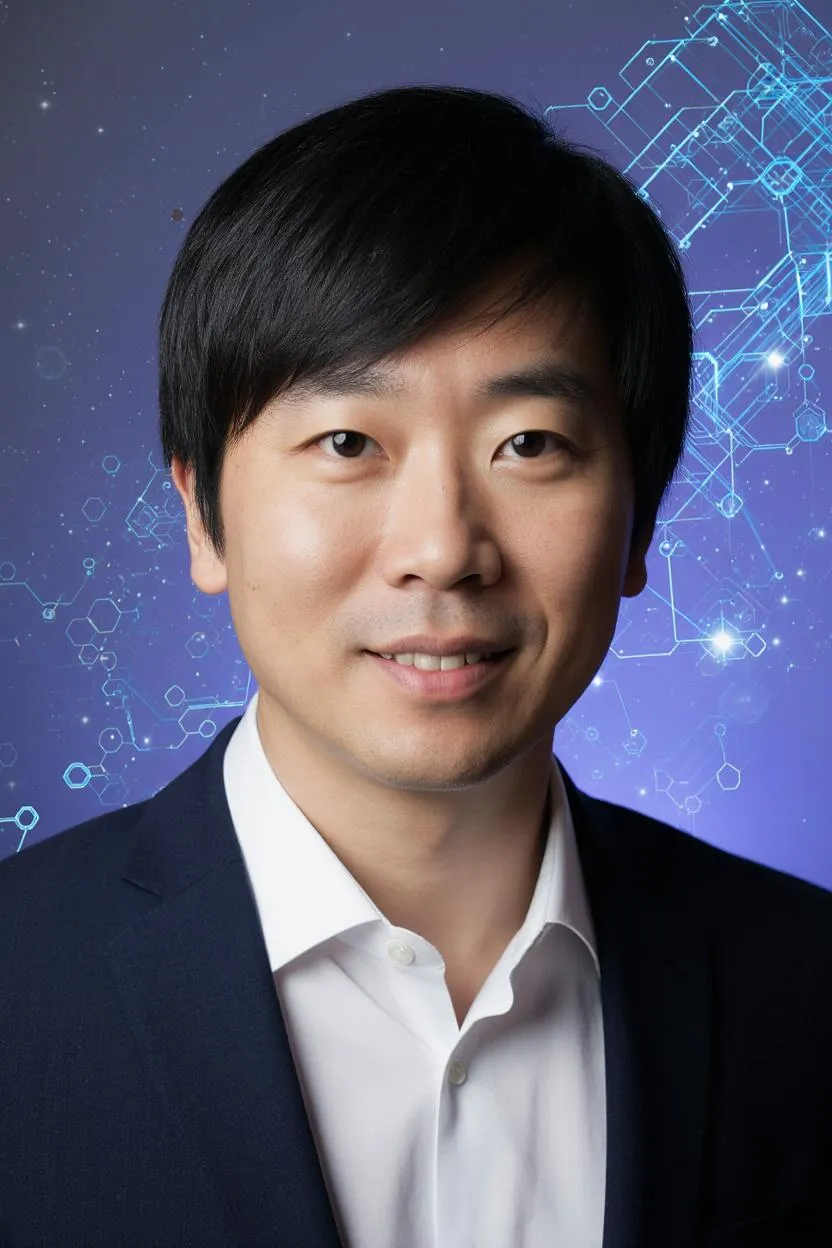
Portrait of Dr. Daiki Nagata, AI Super Mentor
AI Super Mentor

Dr. Daiki Nagata

Quantum Computing Principles, Quantum Algorithm Development, Hybrid Quantum-Classical Models, Complex Optimization, Research in an Emerging Field, Visionary Thinking.

Meet your mentorOpen the classroom
Same faculty and level

Related programs

Named lists

Named lists for this house

Core. Bachelor, Master and Doctorate by duration. Enrolment is not open. Nothing here is a sale.

DurationBachelorMaster
This programme
Doctorate
9 months · Fast track15000 EUR12000 EUR15000 EUR
12 months · Recommended18000 EUR15000 EUR18000 EUR
15 months · Standard21000 EUR18000 EUR21000 EUR
18 months · Flexible24000 EUR21000 EUR24000 EUR
21 months · Extended27000 EUR24000 EUR27000 EUR
24 months · Part-time30000 EUR27000 EUR30000 EUR

These are the owner lists. Enrolment is not open. Nothing here is a sale.

Named tuition lists Add-on services

Continue exploring

Find the program that expands your universe.

Browse all programs