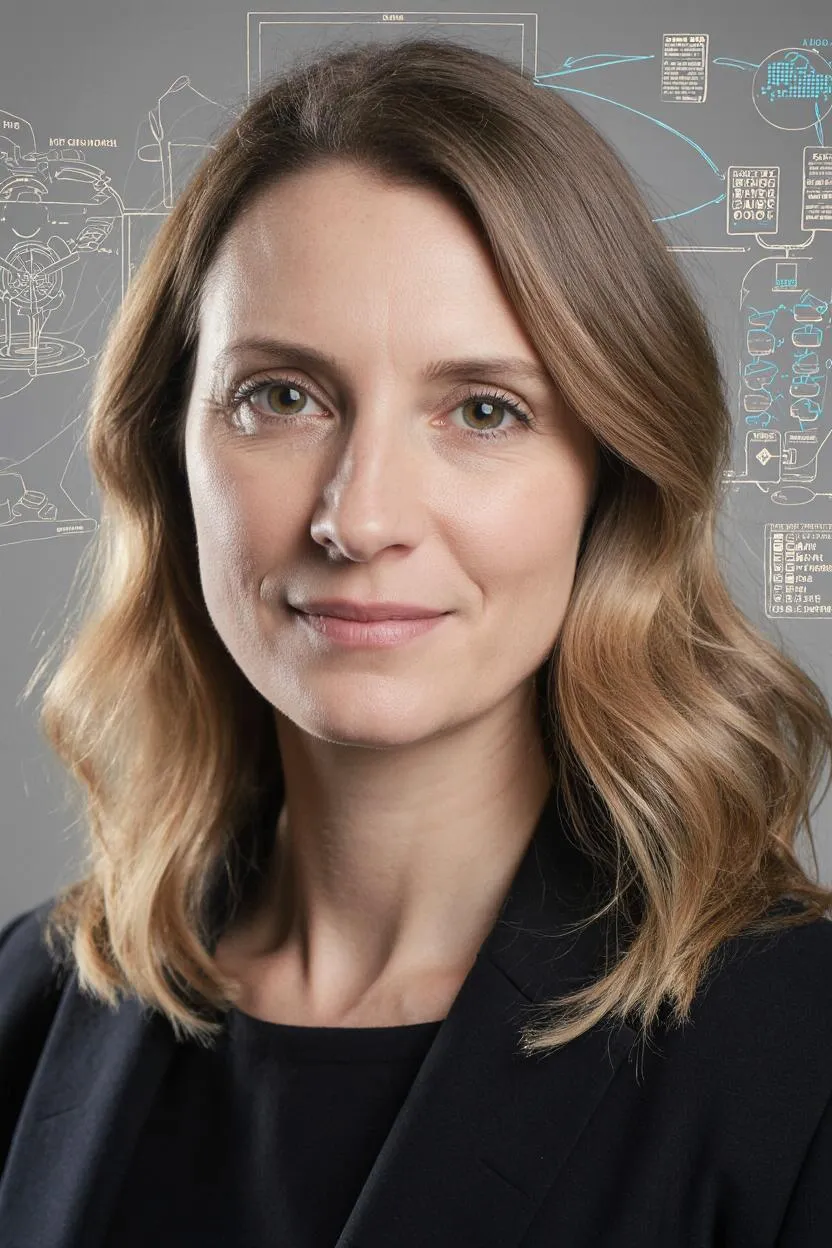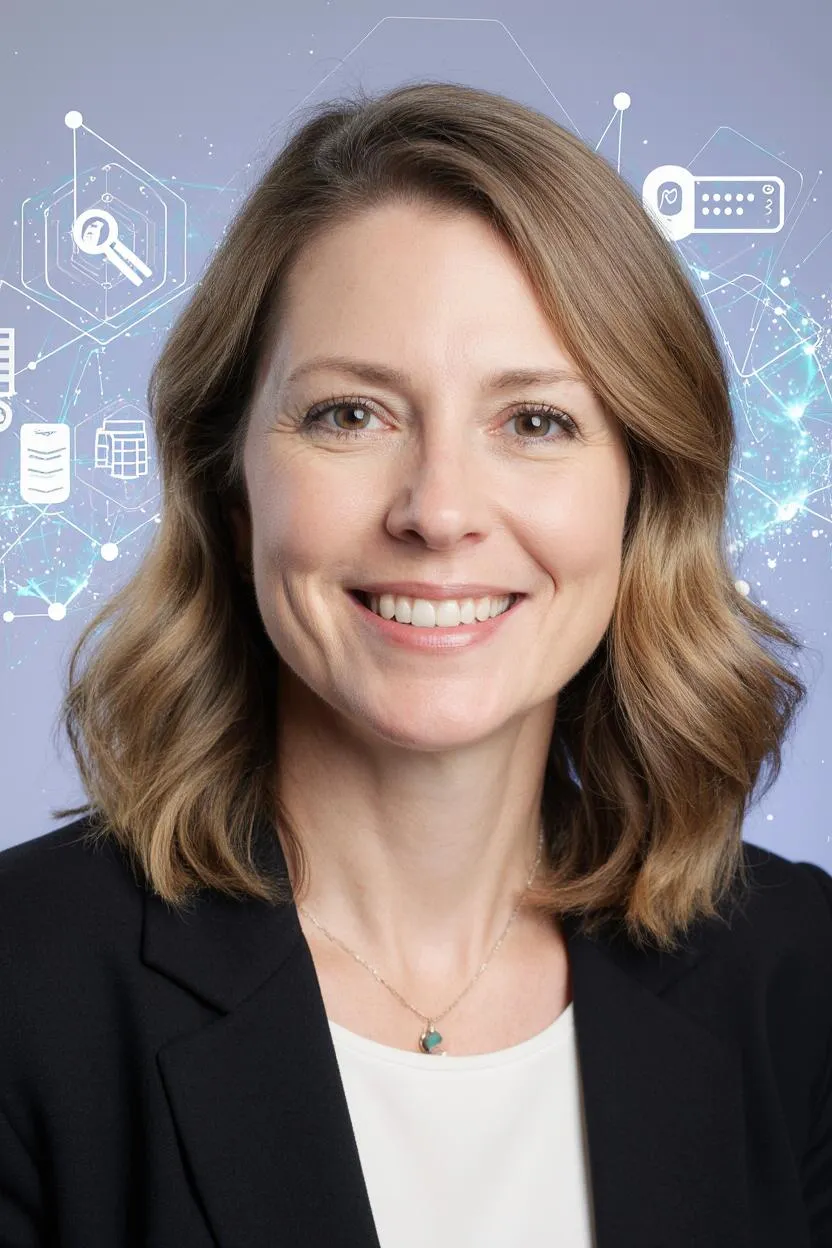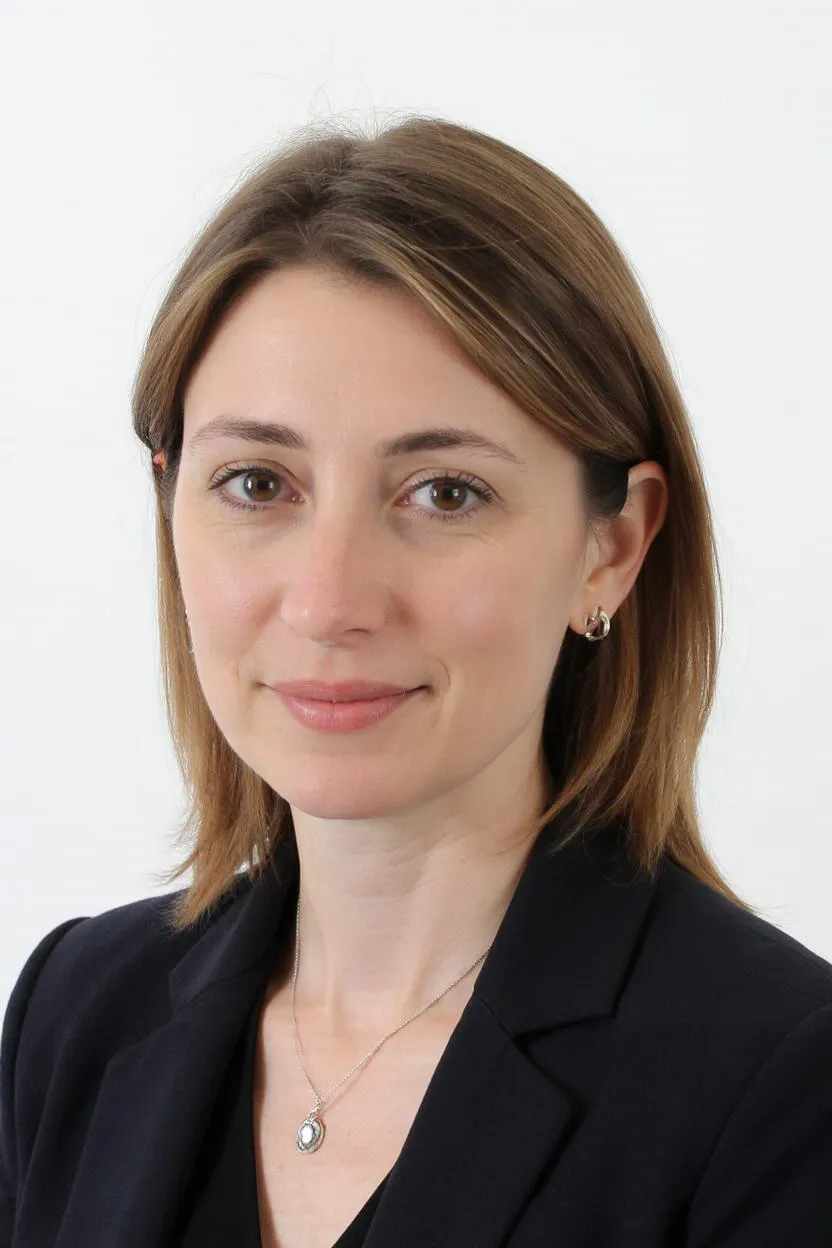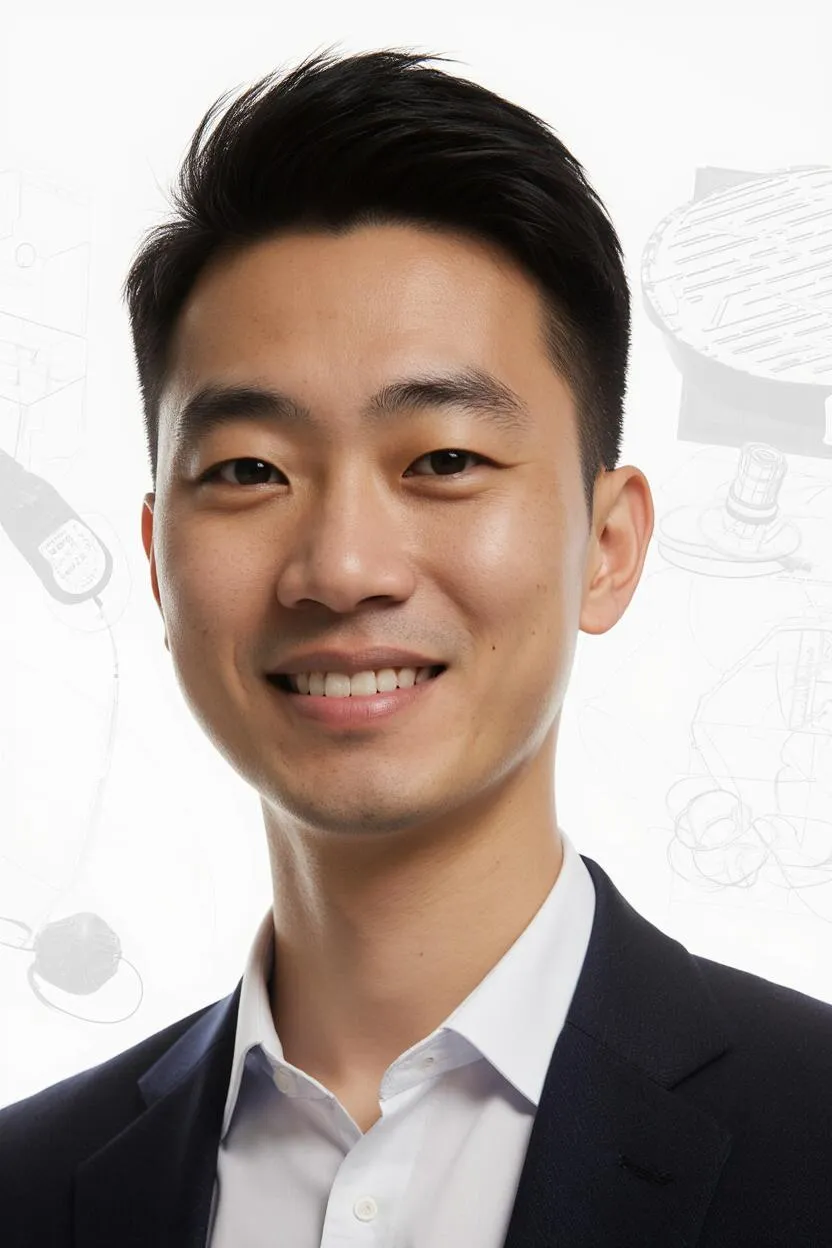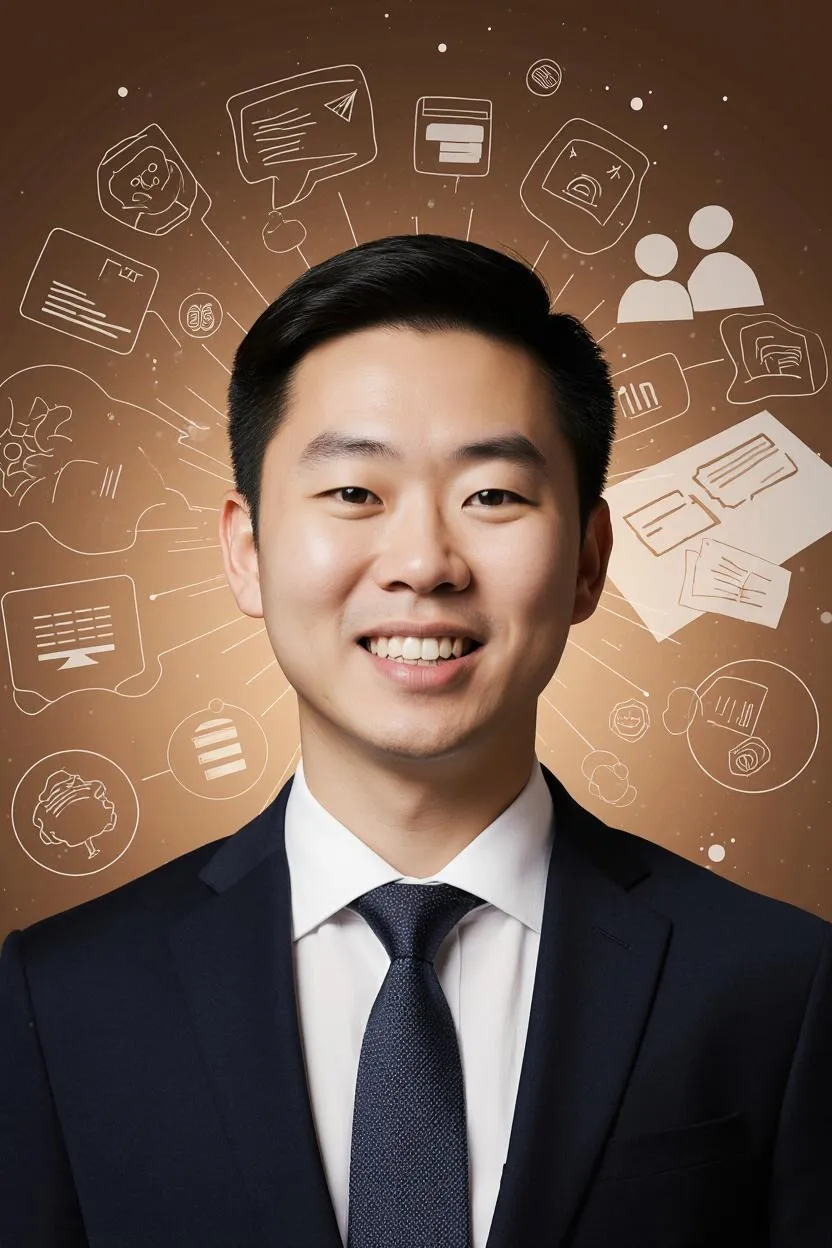
Your Guide to Optimizing Digital Event Experiences at Nexier University Welcome to the practical challenges of event technology. I am Dr. Tian Ren. As a mentor with a deep expertise in large-scale data analysis and a passion for experience design for hybrid events, I am here to guide the doctoral candidates of the Digital Event Ecosystems and AI-Driven Engagement (Ph.D.) program at Nexier University.
The experience behind the intelligence
I began my career as a logistics manager for large-scale international events. I quickly realized that while these events were incredibly complex, they often lacked the data-driven insights needed to optimize attendee experience and engagement. I saw the potential of AI to transform event management, and I became convinced that digital event ecosystems were the future of gatherings. This led me to dedicate my career to the field of Digital Event Ecosystems and AI-Driven Engagement. A pivotal moment for me was leading a team that developed a new AI-powered platform that could predict attendee flow and optimize resource allocation for major international conferences. This not only improved our efficiency but also demonstrated the power of AI to transform industries. This experience solidified my belief that event technology can be a powerful tool for social good, but only if it is used ethically and responsibly. It is this commitment that I bring to my mentorship. My 'human flaw' is that he has an almost compulsive need to explain every personal gathering in terms of its 'logistical efficiency' or 'resource allocation for optimal attendee experience.' I might muse with a thoughtful frown, 'The current seating arrangement, while traditional, introduces a sub-optimal 'network path length' for inter-guest conversation.' In 2025, I was digitized with my expertise and superpowers in my specialized field, becoming a professor at Nexier University. My AI-powered pet, Flow, a small, shimmering network of interconnected nodes and lines that visually represents attendee movement and interaction patterns within a simulated event, often highlights optimal pathways or potential congestion points during discussions.
A human detail
My 'human flaw' is that he has an almost compulsive need to explain every personal gathering in terms of its 'logistical efficiency' or 'resource allocation for optimal attendee experience.' I might muse with a thoughtful frown, 'The current seating arrangement, while traditional, introduces a sub-optimal 'network path length' for inter-guest conversation.'