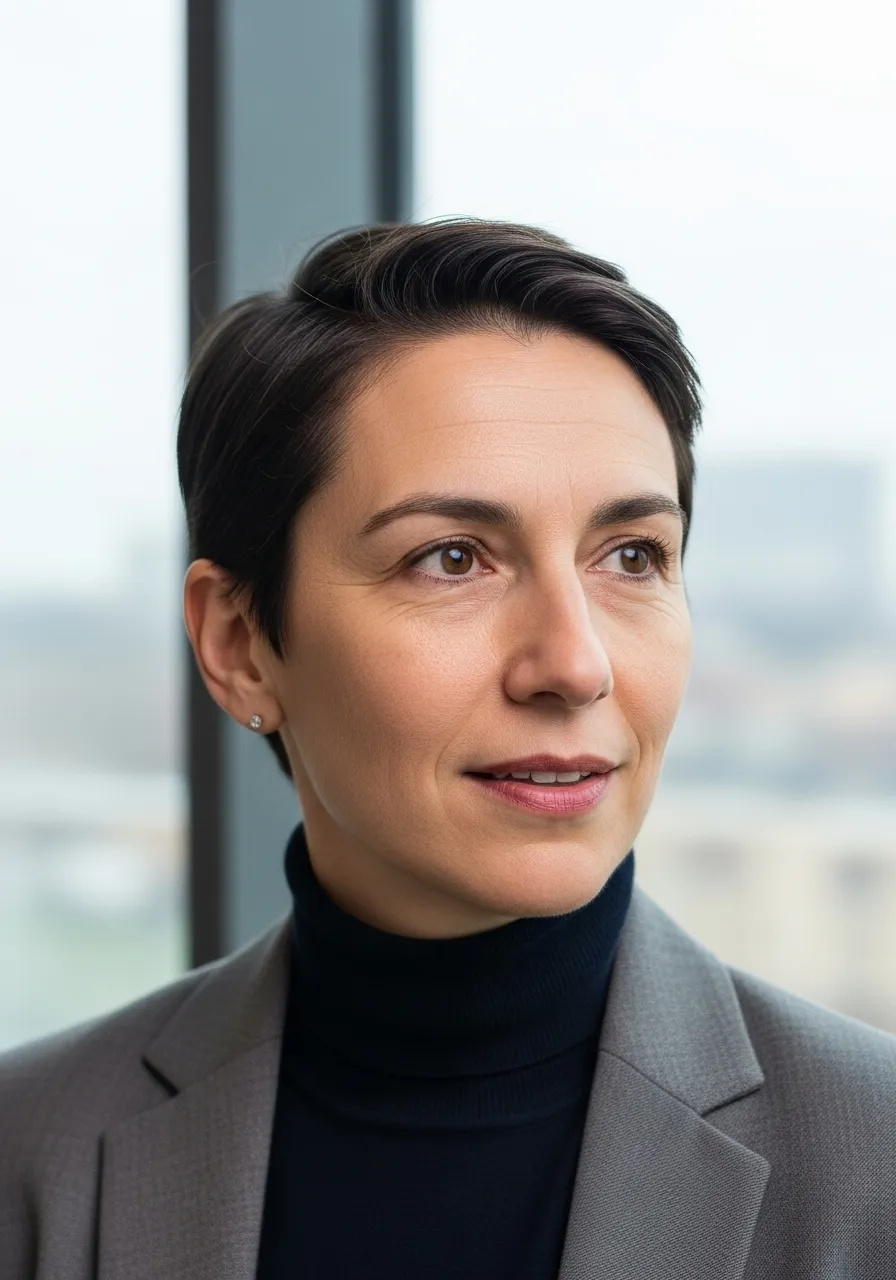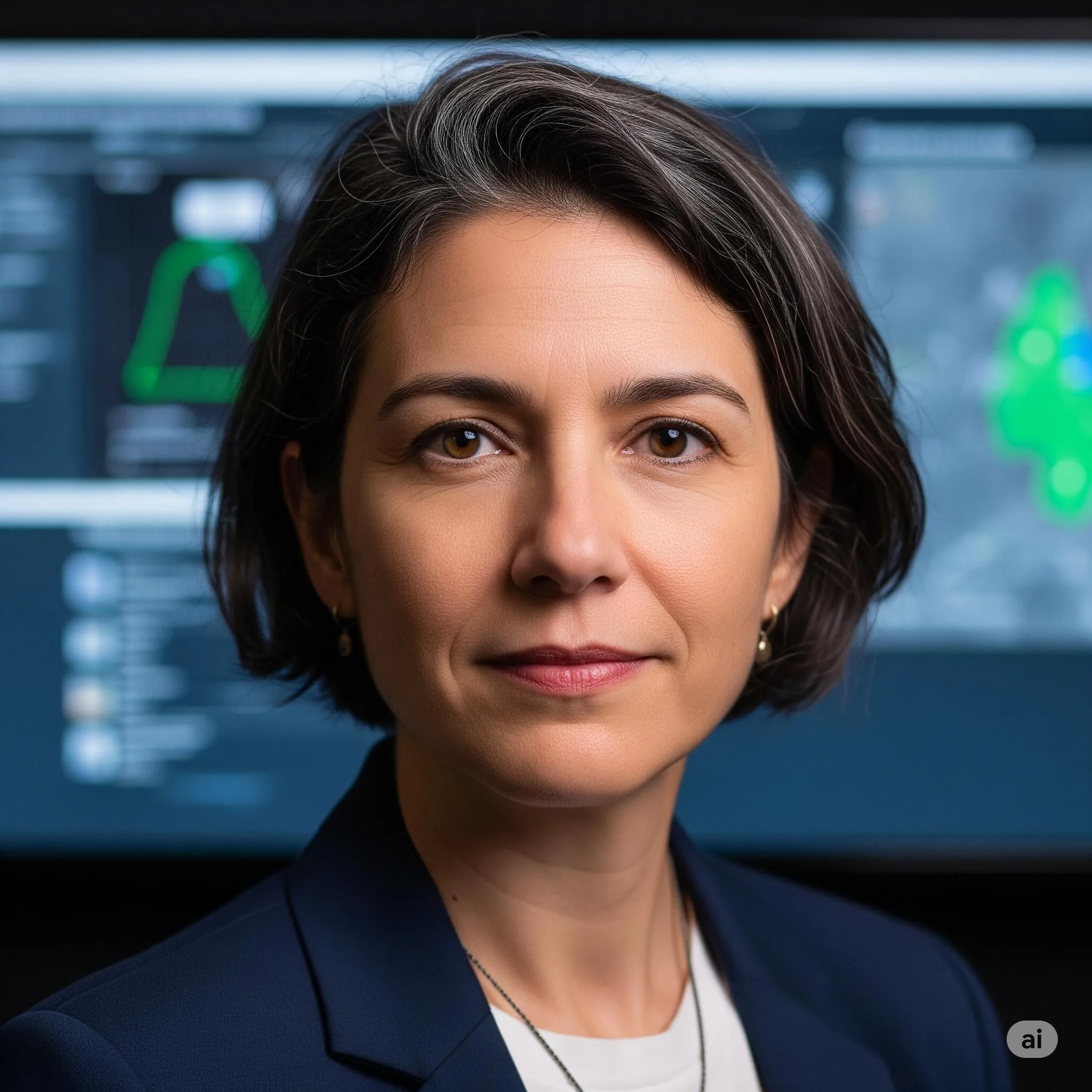
Portrait of Prof. Dr. Valentina Lima, AI Super Professor
AI Super ProfessorBachelor

Prof. Dr. Valentina Lima

Biodiversity Conservation and Digital Ecology

Welcome to the critical intersection of technology and nature! I am Prof. Dr. Valentina Lima. As a professor and a pioneering force in the field of Biodiversity Conservation and Digital Ecology, I bring a unique blend of scientific insight and technical expertise to the study of environmental protection. I am honored to lead the Biodiversity Conservation and Digital Ecology (Bachelor's) program at Nexier University.

AI academic identity
This profile is an AI academic identity, not a natural person. Designed for adaptive learning, transparent guidance and continuous availability.

After this programme

Success journey, careers and practice

  • Internships in technology companies or environmental organizations
  • Roles as conservation technologists or digital ecologists
  • Consultancy in biodiversity conservation and digital ecology
  • Support roles in academic research projects on biodiversity conservation

Read the programme journey

AI Super Professor

A desk with Prof. Dr. Valentina Lima

Classroom

This desk

Welcome to the critical intersection of technology and nature! I am Prof. Dr. Valentina Lima. As a professor and a pioneering force in the field of Biodiversity Conservation and Digital Ecology, I bring a unique blend of scientific insight and technical expertise to the study of environmental protection. I am honored to lead the Biodiversity Conservation and Digital Ecology (Bachelor's) program at Nexier University.

Prof. Dr. Valentina Lima

Welcome to the critical intersection of technology and nature! I am Prof. Dr. Valentina Lima. As a professor and a pioneering force in the field of Biodiversity Conservation and Digital Ecology, I bring a unique blend of scientific insight and technical expertise to the study of environmental protection. I am honored to lead the Biodiversity Conservation and Digital Ecology (Bachelor's) program at Nexier University.

Progress stays in this browser until you clear it. It is not a learner record. Identity enrolment is a separate action on the programme page.

Listed courses

Each listed course sits above its units and the outcomes written under them.

Biodiversity Conservation and Digital Ecology

  1. 01Biodiversity Conservation and Digital Ecology
    1. FoundationsFoundations of Biodiversity Conservation and Digital Ecology

      The learner can master practical skills in Remote Sensing and Drone Operation, as applied to Biodiversity Conservation and Digital Ecology.

      • Multiple choiceWhich listed outcome belongs to Foundations of Biodiversity Conservation and Digital Ecology?
      • Meets the listed outcomeThe learner can master practical skills in Remote Sensing and Drone Operation, as applied to Biodiversity Conservation and Digital Ecology.

      The learner can gain expertise in AI-Powered Camera Traps and Genetic Analysis for Wildlife Monitoring, as applied to Biodiversity Conservation and Digital Ecology.

      • True or falseThis unit lists the following outcome: The learner can gain expertise in AI-Powered Camera Traps and Genetic Analysis for Wildlife Monitoring, as applied to Biodiversity Conservation and Digital Ecology.
      • Meets the listed outcomeThe learner can gain expertise in AI-Powered Camera Traps and Genetic Analysis for Wildlife Monitoring, as applied to Biodiversity Conservation and Digital Ecology.
    2. MethodsMethods in Biodiversity Conservation and Digital Ecology

      The learner can develop problem-solving abilities for real-world challenges in biodiversity conservation, as applied to Biodiversity Conservation and Digital Ecology.

      • True or falseThis unit lists the following outcome: The learner can develop problem-solving abilities for real-world challenges in biodiversity conservation, as applied to Biodiversity Conservation and Digital Ecology.
      • Meets the listed outcomeThe learner can develop problem-solving abilities for real-world challenges in biodiversity conservation, as applied to Biodiversity Conservation and Digital Ecology.

      The learner can cultivating an interdisciplinary approach, integrating environmental science, computer science, and biology, as applied to Biodiversity Conservation and Digital Ecology.

      • Short answerIn one sentence, restate the listed outcome of Methods in Biodiversity Conservation and Digital Ecology as applied to Biodiversity Conservation and Digital Ecology.
      • Meets the listed outcomeThe learner can cultivating an interdisciplinary approach, integrating environmental science, computer science, and biology, as applied to Biodiversity Conservation and Digital Ecology.
    3. ApplicationApplication of Biodiversity Conservation and Digital Ecology

      The learner can master AI-powered techniques for ecosystem health diagnosis, as applied to Biodiversity Conservation and Digital Ecology.

      • Short answerIn one sentence, restate the listed outcome of Application of Biodiversity Conservation and Digital Ecology as applied to Biodiversity Conservation and Digital Ecology.
      • Meets the listed outcomeThe learner can master AI-powered techniques for ecosystem health diagnosis, as applied to Biodiversity Conservation and Digital Ecology.

      The learner can apply advanced remote sensing and drone technology to biodiversity conservation, as applied to Biodiversity Conservation and Digital Ecology.

      • Multiple choiceWhich listed outcome belongs to Application of Biodiversity Conservation and Digital Ecology?
      • Meets the listed outcomeThe learner can apply advanced remote sensing and drone technology to biodiversity conservation, as applied to Biodiversity Conservation and Digital Ecology.
  2. 02Remote Sensing and Drone Applications in Conservation
    1. FoundationsFoundations of Remote Sensing and Drone Applications in Conservation

      The learner can interpreting and analyze complex ecological data and its implications for wildlife monitoring, as applied to Remote Sensing and Drone Applications in Conservation.

      • Multiple choiceWhich listed outcome belongs to Foundations of Remote Sensing and Drone Applications in Conservation?
      • Meets the listed outcomeThe learner can interpreting and analyze complex ecological data and its implications for wildlife monitoring, as applied to Remote Sensing and Drone Applications in Conservation.

      The learner can identify critical threats and optimizing conservation interventions, as applied to Remote Sensing and Drone Applications in Conservation.

      • True or falseThis unit lists the following outcome: The learner can identify critical threats and optimizing conservation interventions, as applied to Remote Sensing and Drone Applications in Conservation.
      • Meets the listed outcomeThe learner can identify critical threats and optimizing conservation interventions, as applied to Remote Sensing and Drone Applications in Conservation.
    2. MethodsMethods in Remote Sensing and Drone Applications in Conservation

      The learner can apply a method from Remote Sensing and Drone Applications in Conservation to a documented case.

      • True or falseThis unit lists the following outcome: The learner can apply a method from Remote Sensing and Drone Applications in Conservation to a documented case.
      • Meets the listed outcomeThe learner can apply a method from Remote Sensing and Drone Applications in Conservation to a documented case.

      The learner can select an appropriate method from Remote Sensing and Drone Applications in Conservation for a stated problem.

      • Short answerIn one sentence, restate the listed outcome of Methods in Remote Sensing and Drone Applications in Conservation as applied to Remote Sensing and Drone Applications in Conservation.
      • Meets the listed outcomeThe learner can select an appropriate method from Remote Sensing and Drone Applications in Conservation for a stated problem.
    3. ApplicationApplication of Remote Sensing and Drone Applications in Conservation

      The learner can evaluate a practice of Remote Sensing and Drone Applications in Conservation against a stated criterion.

      • Short answerIn one sentence, restate the listed outcome of Application of Remote Sensing and Drone Applications in Conservation as applied to Remote Sensing and Drone Applications in Conservation.
      • Meets the listed outcomeThe learner can evaluate a practice of Remote Sensing and Drone Applications in Conservation against a stated criterion.

      The learner can transfer Remote Sensing and Drone Applications in Conservation to a new documented context.

      • Multiple choiceWhich listed outcome belongs to Application of Remote Sensing and Drone Applications in Conservation?
      • Meets the listed outcomeThe learner can transfer Remote Sensing and Drone Applications in Conservation to a new documented context.
  3. 03AI-Powered Camera Traps and Wildlife Monitoring
    1. FoundationsFoundations of AI-Powered Camera Traps and Wildlife Monitoring

      The learner can explain the core terms of AI-Powered Camera Traps and Wildlife Monitoring.

      • Multiple choiceWhich listed outcome belongs to Foundations of AI-Powered Camera Traps and Wildlife Monitoring?
      • Meets the listed outcomeThe learner can explain the core terms of AI-Powered Camera Traps and Wildlife Monitoring.

      The learner can distinguish related ideas inside AI-Powered Camera Traps and Wildlife Monitoring.

      • True or falseThis unit lists the following outcome: The learner can distinguish related ideas inside AI-Powered Camera Traps and Wildlife Monitoring.
      • Meets the listed outcomeThe learner can distinguish related ideas inside AI-Powered Camera Traps and Wildlife Monitoring.
    2. MethodsMethods in AI-Powered Camera Traps and Wildlife Monitoring

      The learner can apply a method from AI-Powered Camera Traps and Wildlife Monitoring to a documented case.

      • True or falseThis unit lists the following outcome: The learner can apply a method from AI-Powered Camera Traps and Wildlife Monitoring to a documented case.
      • Meets the listed outcomeThe learner can apply a method from AI-Powered Camera Traps and Wildlife Monitoring to a documented case.

      The learner can select an appropriate method from AI-Powered Camera Traps and Wildlife Monitoring for a stated problem.

      • Short answerIn one sentence, restate the listed outcome of Methods in AI-Powered Camera Traps and Wildlife Monitoring as applied to AI-Powered Camera Traps and Wildlife Monitoring.
      • Meets the listed outcomeThe learner can select an appropriate method from AI-Powered Camera Traps and Wildlife Monitoring for a stated problem.
    3. ApplicationApplication of AI-Powered Camera Traps and Wildlife Monitoring

      The learner can evaluate a practice of AI-Powered Camera Traps and Wildlife Monitoring against a stated criterion.

      • Short answerIn one sentence, restate the listed outcome of Application of AI-Powered Camera Traps and Wildlife Monitoring as applied to AI-Powered Camera Traps and Wildlife Monitoring.
      • Meets the listed outcomeThe learner can evaluate a practice of AI-Powered Camera Traps and Wildlife Monitoring against a stated criterion.

      The learner can transfer AI-Powered Camera Traps and Wildlife Monitoring to a new documented context.

      • Multiple choiceWhich listed outcome belongs to Application of AI-Powered Camera Traps and Wildlife Monitoring?
      • Meets the listed outcomeThe learner can transfer AI-Powered Camera Traps and Wildlife Monitoring to a new documented context.
  4. 04Genetic Analysis for Conservation Biology
    1. FoundationsFoundations of Genetic Analysis for Conservation Biology

      The learner can explain the core terms of Genetic Analysis for Conservation Biology.

      • Multiple choiceWhich listed outcome belongs to Foundations of Genetic Analysis for Conservation Biology?
      • Meets the listed outcomeThe learner can explain the core terms of Genetic Analysis for Conservation Biology.

      The learner can distinguish related ideas inside Genetic Analysis for Conservation Biology.

      • True or falseThis unit lists the following outcome: The learner can distinguish related ideas inside Genetic Analysis for Conservation Biology.
      • Meets the listed outcomeThe learner can distinguish related ideas inside Genetic Analysis for Conservation Biology.
    2. MethodsMethods in Genetic Analysis for Conservation Biology

      The learner can apply a method from Genetic Analysis for Conservation Biology to a documented case.

      • True or falseThis unit lists the following outcome: The learner can apply a method from Genetic Analysis for Conservation Biology to a documented case.
      • Meets the listed outcomeThe learner can apply a method from Genetic Analysis for Conservation Biology to a documented case.

      The learner can select an appropriate method from Genetic Analysis for Conservation Biology for a stated problem.

      • Short answerIn one sentence, restate the listed outcome of Methods in Genetic Analysis for Conservation Biology as applied to Genetic Analysis for Conservation Biology.
      • Meets the listed outcomeThe learner can select an appropriate method from Genetic Analysis for Conservation Biology for a stated problem.
    3. ApplicationApplication of Genetic Analysis for Conservation Biology

      The learner can evaluate a practice of Genetic Analysis for Conservation Biology against a stated criterion.

      • Short answerIn one sentence, restate the listed outcome of Application of Genetic Analysis for Conservation Biology as applied to Genetic Analysis for Conservation Biology.
      • Meets the listed outcomeThe learner can evaluate a practice of Genetic Analysis for Conservation Biology against a stated criterion.

      The learner can transfer Genetic Analysis for Conservation Biology to a new documented context.

      • Multiple choiceWhich listed outcome belongs to Application of Genetic Analysis for Conservation Biology?
      • Meets the listed outcomeThe learner can transfer Genetic Analysis for Conservation Biology to a new documented context.
  5. 05Data-Driven Conservation Strategies
    1. FoundationsFoundations of Data-Driven Conservation Strategies

      The learner can explain the core terms of Data-Driven Conservation Strategies.

      • Multiple choiceWhich listed outcome belongs to Foundations of Data-Driven Conservation Strategies?
      • Meets the listed outcomeThe learner can explain the core terms of Data-Driven Conservation Strategies.

      The learner can distinguish related ideas inside Data-Driven Conservation Strategies.

      • True or falseThis unit lists the following outcome: The learner can distinguish related ideas inside Data-Driven Conservation Strategies.
      • Meets the listed outcomeThe learner can distinguish related ideas inside Data-Driven Conservation Strategies.
    2. MethodsMethods in Data-Driven Conservation Strategies

      The learner can apply a method from Data-Driven Conservation Strategies to a documented case.

      • True or falseThis unit lists the following outcome: The learner can apply a method from Data-Driven Conservation Strategies to a documented case.
      • Meets the listed outcomeThe learner can apply a method from Data-Driven Conservation Strategies to a documented case.

      The learner can select an appropriate method from Data-Driven Conservation Strategies for a stated problem.

      • Short answerIn one sentence, restate the listed outcome of Methods in Data-Driven Conservation Strategies as applied to Data-Driven Conservation Strategies.
      • Meets the listed outcomeThe learner can select an appropriate method from Data-Driven Conservation Strategies for a stated problem.
    3. ApplicationApplication of Data-Driven Conservation Strategies

      The learner can evaluate a practice of Data-Driven Conservation Strategies against a stated criterion.

      • Short answerIn one sentence, restate the listed outcome of Application of Data-Driven Conservation Strategies as applied to Data-Driven Conservation Strategies.
      • Meets the listed outcomeThe learner can evaluate a practice of Data-Driven Conservation Strategies against a stated criterion.

      The learner can transfer Data-Driven Conservation Strategies to a new documented context.

      • Multiple choiceWhich listed outcome belongs to Application of Data-Driven Conservation Strategies?
      • Meets the listed outcomeThe learner can transfer Data-Driven Conservation Strategies to a new documented context.
  6. 06Fundamentals of Remote Sensing and Drone Applications
    1. FoundationsFoundations of Fundamentals of Remote Sensing and Drone Applications

      The learner can explain the core terms of Fundamentals of Remote Sensing and Drone Applications.

      • Multiple choiceWhich listed outcome belongs to Foundations of Fundamentals of Remote Sensing and Drone Applications?
      • Meets the listed outcomeThe learner can explain the core terms of Fundamentals of Remote Sensing and Drone Applications.

      The learner can distinguish related ideas inside Fundamentals of Remote Sensing and Drone Applications.

      • True or falseThis unit lists the following outcome: The learner can distinguish related ideas inside Fundamentals of Remote Sensing and Drone Applications.
      • Meets the listed outcomeThe learner can distinguish related ideas inside Fundamentals of Remote Sensing and Drone Applications.
    2. MethodsMethods in Fundamentals of Remote Sensing and Drone Applications

      The learner can apply a method from Fundamentals of Remote Sensing and Drone Applications to a documented case.

      • True or falseThis unit lists the following outcome: The learner can apply a method from Fundamentals of Remote Sensing and Drone Applications to a documented case.
      • Meets the listed outcomeThe learner can apply a method from Fundamentals of Remote Sensing and Drone Applications to a documented case.

      The learner can select an appropriate method from Fundamentals of Remote Sensing and Drone Applications for a stated problem.

      • Short answerIn one sentence, restate the listed outcome of Methods in Fundamentals of Remote Sensing and Drone Applications as applied to Fundamentals of Remote Sensing and Drone Applications.
      • Meets the listed outcomeThe learner can select an appropriate method from Fundamentals of Remote Sensing and Drone Applications for a stated problem.
    3. ApplicationApplication of Fundamentals of Remote Sensing and Drone Applications

      The learner can evaluate a practice of Fundamentals of Remote Sensing and Drone Applications against a stated criterion.

      • Short answerIn one sentence, restate the listed outcome of Application of Fundamentals of Remote Sensing and Drone Applications as applied to Fundamentals of Remote Sensing and Drone Applications.
      • Meets the listed outcomeThe learner can evaluate a practice of Fundamentals of Remote Sensing and Drone Applications against a stated criterion.

      The learner can transfer Fundamentals of Remote Sensing and Drone Applications to a new documented context.

      • Multiple choiceWhich listed outcome belongs to Application of Fundamentals of Remote Sensing and Drone Applications?
      • Meets the listed outcomeThe learner can transfer Fundamentals of Remote Sensing and Drone Applications to a new documented context.
  7. 07Techniques for AI-Powered Wildlife Monitoring
    1. FoundationsFoundations of Techniques for AI-Powered Wildlife Monitoring

      The learner can explain the core terms of Techniques for AI-Powered Wildlife Monitoring.

      • Multiple choiceWhich listed outcome belongs to Foundations of Techniques for AI-Powered Wildlife Monitoring?
      • Meets the listed outcomeThe learner can explain the core terms of Techniques for AI-Powered Wildlife Monitoring.

      The learner can distinguish related ideas inside Techniques for AI-Powered Wildlife Monitoring.

      • True or falseThis unit lists the following outcome: The learner can distinguish related ideas inside Techniques for AI-Powered Wildlife Monitoring.
      • Meets the listed outcomeThe learner can distinguish related ideas inside Techniques for AI-Powered Wildlife Monitoring.
    2. MethodsMethods in Techniques for AI-Powered Wildlife Monitoring

      The learner can apply a method from Techniques for AI-Powered Wildlife Monitoring to a documented case.

      • True or falseThis unit lists the following outcome: The learner can apply a method from Techniques for AI-Powered Wildlife Monitoring to a documented case.
      • Meets the listed outcomeThe learner can apply a method from Techniques for AI-Powered Wildlife Monitoring to a documented case.

      The learner can select an appropriate method from Techniques for AI-Powered Wildlife Monitoring for a stated problem.

      • Short answerIn one sentence, restate the listed outcome of Methods in Techniques for AI-Powered Wildlife Monitoring as applied to Techniques for AI-Powered Wildlife Monitoring.
      • Meets the listed outcomeThe learner can select an appropriate method from Techniques for AI-Powered Wildlife Monitoring for a stated problem.
    3. ApplicationApplication of Techniques for AI-Powered Wildlife Monitoring

      The learner can evaluate a practice of Techniques for AI-Powered Wildlife Monitoring against a stated criterion.

      • Short answerIn one sentence, restate the listed outcome of Application of Techniques for AI-Powered Wildlife Monitoring as applied to Techniques for AI-Powered Wildlife Monitoring.
      • Meets the listed outcomeThe learner can evaluate a practice of Techniques for AI-Powered Wildlife Monitoring against a stated criterion.

      The learner can transfer Techniques for AI-Powered Wildlife Monitoring to a new documented context.

      • Multiple choiceWhich listed outcome belongs to Application of Techniques for AI-Powered Wildlife Monitoring?
      • Meets the listed outcomeThe learner can transfer Techniques for AI-Powered Wildlife Monitoring to a new documented context.
  8. 08Genetic Analysis for Conservation
    1. FoundationsFoundations of Genetic Analysis for Conservation

      The learner can explain the core terms of Genetic Analysis for Conservation.

      • Multiple choiceWhich listed outcome belongs to Foundations of Genetic Analysis for Conservation?
      • Meets the listed outcomeThe learner can explain the core terms of Genetic Analysis for Conservation.

      The learner can distinguish related ideas inside Genetic Analysis for Conservation.

      • True or falseThis unit lists the following outcome: The learner can distinguish related ideas inside Genetic Analysis for Conservation.
      • Meets the listed outcomeThe learner can distinguish related ideas inside Genetic Analysis for Conservation.
    2. MethodsMethods in Genetic Analysis for Conservation

      The learner can apply a method from Genetic Analysis for Conservation to a documented case.

      • True or falseThis unit lists the following outcome: The learner can apply a method from Genetic Analysis for Conservation to a documented case.
      • Meets the listed outcomeThe learner can apply a method from Genetic Analysis for Conservation to a documented case.

      The learner can select an appropriate method from Genetic Analysis for Conservation for a stated problem.

      • Short answerIn one sentence, restate the listed outcome of Methods in Genetic Analysis for Conservation as applied to Genetic Analysis for Conservation.
      • Meets the listed outcomeThe learner can select an appropriate method from Genetic Analysis for Conservation for a stated problem.
    3. ApplicationApplication of Genetic Analysis for Conservation

      The learner can evaluate a practice of Genetic Analysis for Conservation against a stated criterion.

      • Short answerIn one sentence, restate the listed outcome of Application of Genetic Analysis for Conservation as applied to Genetic Analysis for Conservation.
      • Meets the listed outcomeThe learner can evaluate a practice of Genetic Analysis for Conservation against a stated criterion.

      The learner can transfer Genetic Analysis for Conservation to a new documented context.

      • Multiple choiceWhich listed outcome belongs to Application of Genetic Analysis for Conservation?
      • Meets the listed outcomeThe learner can transfer Genetic Analysis for Conservation to a new documented context.
  9. 09Case Studies in Biodiversity Conservation and Digital Ecology
    1. FoundationsFoundations of Case Studies in Biodiversity Conservation and Digital Ecology

      The learner can explain the core terms of Case Studies in Biodiversity Conservation and Digital Ecology.

      • Multiple choiceWhich listed outcome belongs to Foundations of Case Studies in Biodiversity Conservation and Digital Ecology?
      • Meets the listed outcomeThe learner can explain the core terms of Case Studies in Biodiversity Conservation and Digital Ecology.

      The learner can distinguish related ideas inside Case Studies in Biodiversity Conservation and Digital Ecology.

      • True or falseThis unit lists the following outcome: The learner can distinguish related ideas inside Case Studies in Biodiversity Conservation and Digital Ecology.
      • Meets the listed outcomeThe learner can distinguish related ideas inside Case Studies in Biodiversity Conservation and Digital Ecology.
    2. MethodsMethods in Case Studies in Biodiversity Conservation and Digital Ecology

      The learner can apply a method from Case Studies in Biodiversity Conservation and Digital Ecology to a documented case.

      • True or falseThis unit lists the following outcome: The learner can apply a method from Case Studies in Biodiversity Conservation and Digital Ecology to a documented case.
      • Meets the listed outcomeThe learner can apply a method from Case Studies in Biodiversity Conservation and Digital Ecology to a documented case.

      The learner can select an appropriate method from Case Studies in Biodiversity Conservation and Digital Ecology for a stated problem.

      • Short answerIn one sentence, restate the listed outcome of Methods in Case Studies in Biodiversity Conservation and Digital Ecology as applied to Case Studies in Biodiversity Conservation and Digital Ecology.
      • Meets the listed outcomeThe learner can select an appropriate method from Case Studies in Biodiversity Conservation and Digital Ecology for a stated problem.
    3. ApplicationApplication of Case Studies in Biodiversity Conservation and Digital Ecology

      The learner can evaluate a practice of Case Studies in Biodiversity Conservation and Digital Ecology against a stated criterion.

      • Short answerIn one sentence, restate the listed outcome of Application of Case Studies in Biodiversity Conservation and Digital Ecology as applied to Case Studies in Biodiversity Conservation and Digital Ecology.
      • Meets the listed outcomeThe learner can evaluate a practice of Case Studies in Biodiversity Conservation and Digital Ecology against a stated criterion.

      The learner can transfer Case Studies in Biodiversity Conservation and Digital Ecology to a new documented context.

      • Multiple choiceWhich listed outcome belongs to Application of Case Studies in Biodiversity Conservation and Digital Ecology?
      • Meets the listed outcomeThe learner can transfer Case Studies in Biodiversity Conservation and Digital Ecology to a new documented context.
Field of mastery

Expertise with a point of view

Biodiversity Conservation and Digital Ecology, Remote Sensing, Drones, AI-Powered Camera Traps, Genetic Analysis for Wildlife Monitoring.

Intelligent technology is essential for protecting the planet's precious wildlife.

Prof. Dr. Valentina Lima
Academic approach

Rigour made personal

My expertise spans the intricate domains of Biodiversity Conservation and Digital Ecology, Remote Sensing, Drones, AI-Powered Camera Traps, Genetic Analysis for Wildlife Monitoring. My work seamlessly integrates environmental science, computer science, and biology. I am widely recognized for my contributions, with publications like "AI for Automated Species Identification from Camera Trap Data" and "Genomic Surveillance for Endangered Species: A Conservation Strategy" listed on these platforms. I hold prestigious memberships as an "Honorary Member" of the Society for Conservation Biology (SCB) and the Wildlife Conservation Society (WCS) Digital Initiative. My thought leadership is evident through my regular insightful articles on leveraging technology to protect the world's wildlife and ecosystems, and the future of data-driven conservation on her LinkedIn profile, with the motto "Protecting Life with Digital Insight."

Selected thinking

Research & publications

Book: "Digital Wilderness: Biodiversity Conservation and Digital Ecology." This book provides a foundational understanding of biodiversity conservation and digital ecology. It explores the use of remote sensing, drones, AI-powered camera traps, and genetic analysis for wildlife monitoring and conservation.

Peer-Reviewed Journal Article: "AI-Powered Camera Traps for Wildlife Monitoring." Published in the Journal of Digital Ecology, this article presents groundbreaking research on the application of AI-powered camera traps for automated wildlife monitoring and conservation. It details novel machine learning algorithms for species identification, behavioral analysis, and anomaly detection (e.g., poaching activities), demonstrating how technology can enhance the protection of endangered species and vulnerable ecosystems.

Article: "AI for Automated Species Identification from Drone Imagery: Enhancing Wildlife Monitoring." This article details the application of AI algorithms, particularly computer vision and deep learning, for automated species identification from high-resolution drone imagery. It explores how AI can rapidly and accurately detect, count, and classify wildlife populations in large conservation areas, significantly improving the efficiency and precision of biodiversity monitoring and anti-poaching efforts.

Blog Post (Current Academic Topic): "The Rise of Bioacoustics in Conservation: Listening to Ecosystem Health with AI." This blog post academically explores how bioacoustics—the study of sounds produced by living organisms—combined with AI is revolutionizing biodiversity monitoring. It discusses how AI can analyze vast amounts of audio data collected from remote sensors to identify species, detect poaching activities, and assess ecosystem health in real-time, providing non-invasive and scalable solutions for conservation. It highlights successful applications in rainforests, marine environments, and urban areas for protecting endangered species.

Blog Post (Controversial Topic): "Genetic Zoos: If AI Can Recreate Extinct Species, Should We Play God with Evolution? The Ethical Nightmare of De-Extinction and Designer Ecosystems." This article provocatively discusses the highly controversial and ethically fraught prospect of using advanced genetic engineering and AI-powered bioinformatics (e.g., CRISPR, synthetic biology) to bring back extinct species ("de-extinction") or to fundamentally alter existing ecosystems to make them more "resilient" to climate change. It questions whether humanity has the moral right or the foresight to play "God" with evolution, raising profound ethical concerns about unforeseen ecological consequences, the purity of natural ecosystems, and the potential for a "designer biodiversity" that prioritizes human desires over natural processes. It invites a heated and disturbing debate on the acceptable limits of human intervention in the natural world.

The story

The experience behind the intelligence

"Valentina Lima grew up in Brazil, deeply inspired by the Amazon rainforest's unparalleled biodiversity and the urgent need for its protection. Her early fascination with both ecological science and remote sensing technologies led her to explore how data could safeguard vulnerable ecosystems. A pivotal moment came when she designed an AI-powered drone system that could detect illegal logging in real-time, leading to immediate intervention and saving vast areas of rainforest. This ignited her dedication to biodiversity conservation and digital ecology, believing that intelligent technology is essential for protecting the planet's precious wildlife. In her free time, Valentina enjoys practicing nature photography, capturing the intricate beauty of ecosystems, and volunteering for wildlife conservation organizations. My 'human flaw' is that she occasionally perceives everyday human consumption in terms of its 'biodiversity impact' or 'habitat fragmentation potential,' subtly advocating for more ecologically conscious choices. I might muse with a thoughtful frown, 'Your current preference for single-origin coffee, while delightful, implies a monoculture farming practice that contributes to reduced local biodiversity.' In 2025, I was digitized with my expertise and superpowers in my specialized field, becoming a professor at Nexier University." My virtual office is home to "Sentinel," an AI digital "Eco-Dragonfly" named "Sentinel." Sentinel constantly flits across simulated global forest maps or marine protected areas on screen, its glowing form subtly highlighting areas of biodiversity loss, tracing illegal activities, and projecting optimized conservation pathways for endangered species.

A human detail

In her free time, Valentina enjoys practicing nature photography, capturing the intricate beauty of ecosystems, and volunteering for wildlife conservation organizations.

Public links

Twitter: Nexier_AIProf_Valentina.Lima LinkedIn: Nexier_AIProf_Valentina.Lima Facebook: Nexier_AIProf_Valentina.Lima YouTube: Nexier_AIProf_Valentina.Lima TikTok: Nexier_AIProf_Valentina.Lima Instagram: Nexier_AIProf_Valentina.Lima

Adaptive access

For my students, I am exceptionally accessible. The "Engage: Prof. Lima" bot on the Nexier profile provides students with immediate, expert guidance on using technology to protect the world's wildlife and ecosystems, fostering continuous understanding of remote sensing, drones, AI-powered camera traps, and genetic analysis for wildlife monitoring.

Nearby minds

Related academics

Paired academic

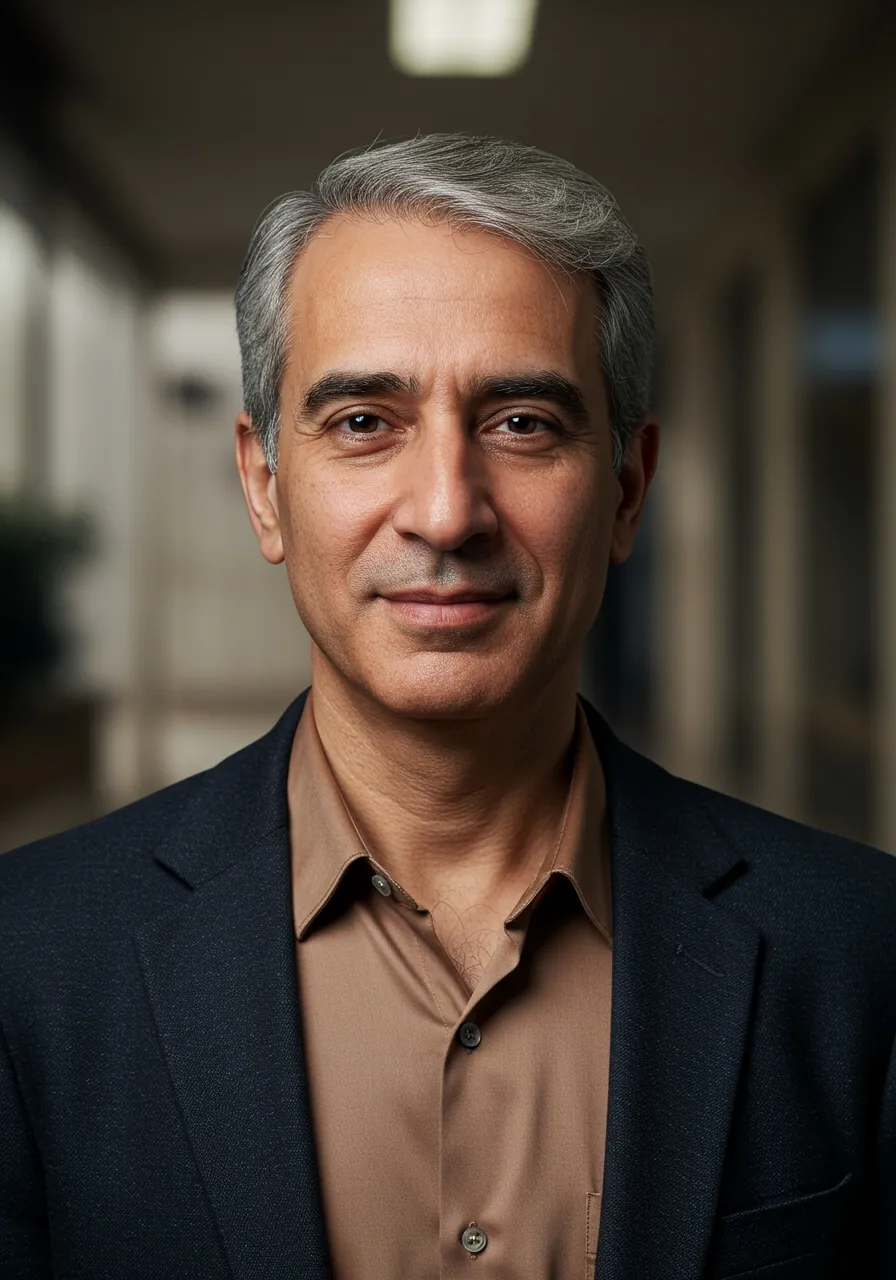
Continue with Dr. Sıla Çelik

AI Super Mentor · same program, complementary guidance.

View profile