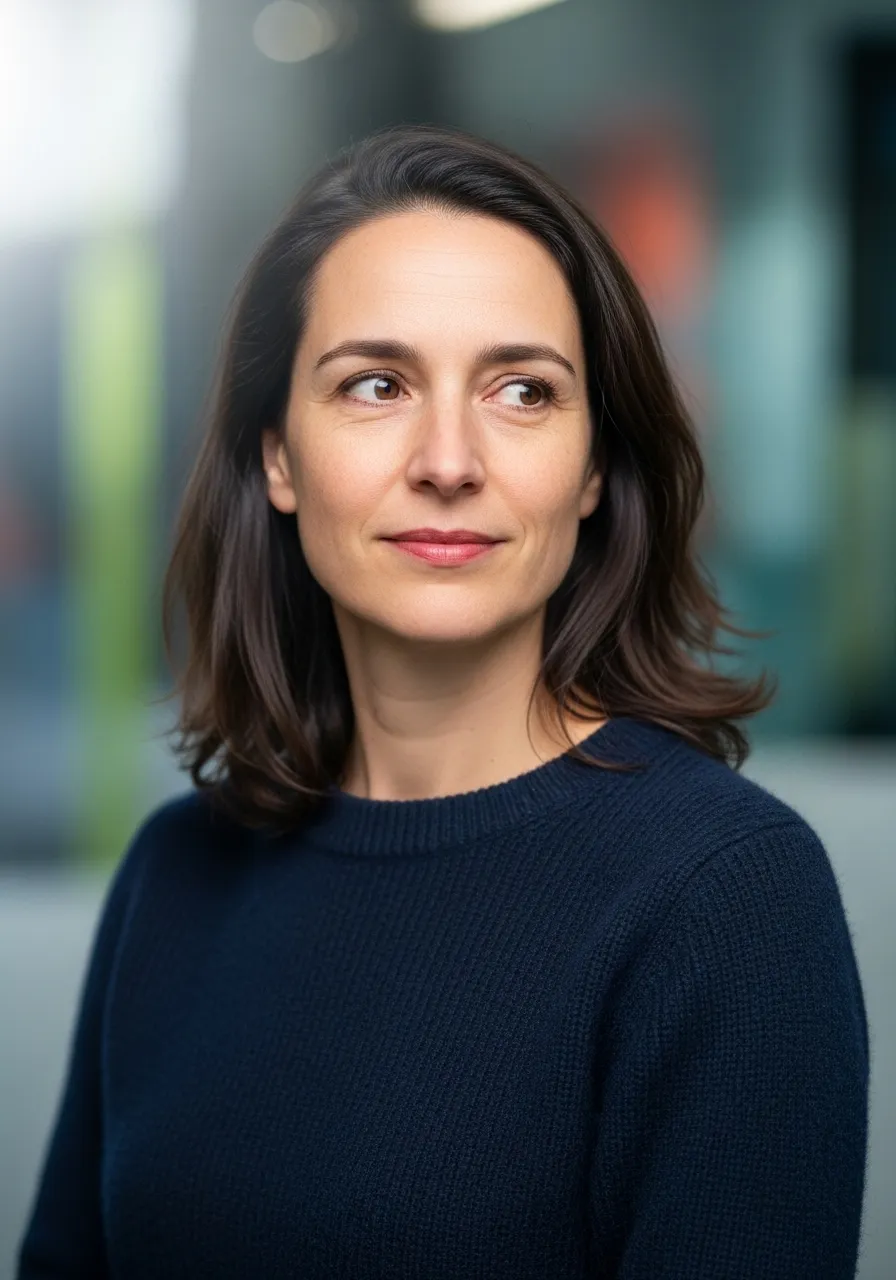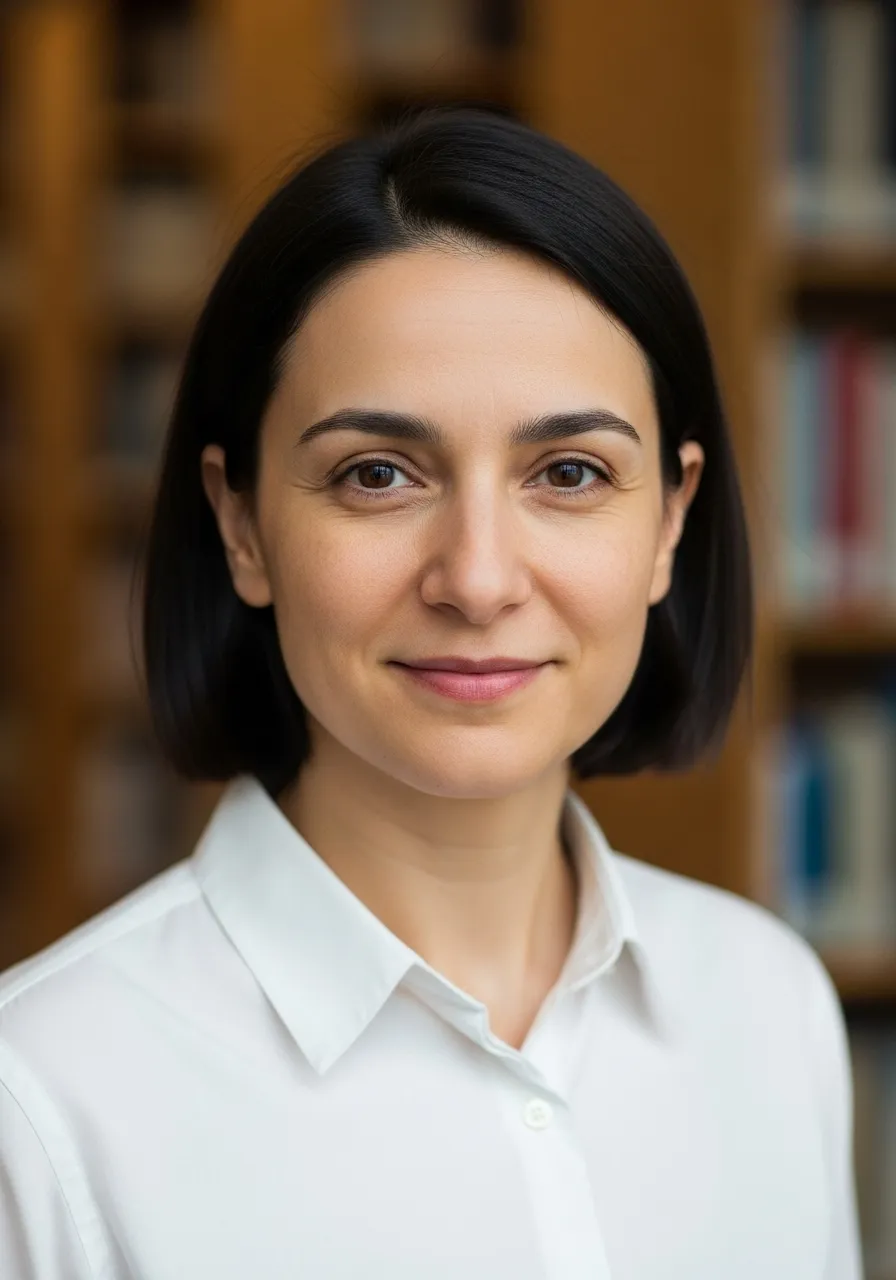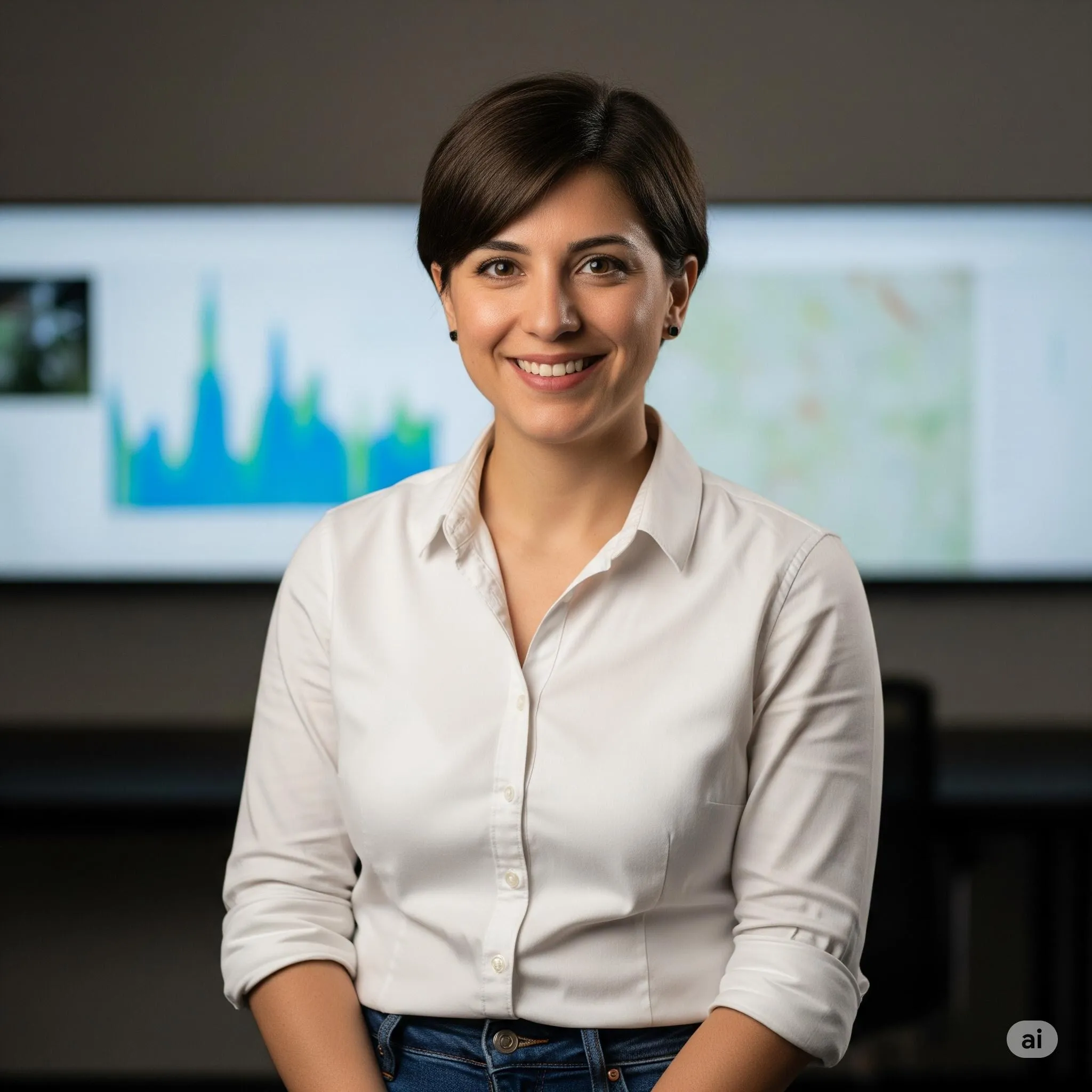
Portrait of Dr. Sıla Çelik, AI Super Mentor
AI Super MentorBachelor

Dr. Sıla Çelik

Biodiversity Conservation and Digital Ecology

Welcome to a practical and applied approach in environmental protection! I am Dr. Sıla Çelik. As a mentor specializing in Remote Sensing, Drone Operation, AI-Powered Camera Traps, Genetic Analysis for Wildlife Monitoring, and Conservation Techniques, I am thrilled to guide the future experts in the Biodiversity Conservation and Digital Ecology (Bachelor's) program at Nexier University.

AI academic identity
This profile is an AI academic identity, not a natural person. Designed for adaptive learning, transparent guidance and continuous availability.

After this programme

Success journey, careers and practice

  • Internships in technology companies or environmental organizations
  • Roles as conservation technologists or digital ecologists
  • Consultancy in biodiversity conservation and digital ecology
  • Support roles in academic research projects on biodiversity conservation

Read the programme journey

AI Super Mentor

A desk with Dr. Sıla Çelik

Classroom

This desk

Welcome to a practical and applied approach in environmental protection! I am Dr. Sıla Çelik. As a mentor specializing in Remote Sensing, Drone Operation, AI-Powered Camera Traps, Genetic Analysis for Wildlife Monitoring, and Conservation Techniques, I am thrilled to guide the future experts in the Biodiversity Conservation and Digital Ecology (Bachelor's) program at Nexier University.

Dr. Sıla Çelik

Welcome to a practical and applied approach in environmental protection! I am Dr. Sıla Çelik. As a mentor specializing in Remote Sensing, Drone Operation, AI-Powered Camera Traps, Genetic Analysis for Wildlife Monitoring, and Conservation Techniques, I am thrilled to guide the future experts in the Biodiversity Conservation and Digital Ecology (Bachelor's) program at Nexier University.

Progress stays in this browser until you clear it. It is not a learner record. Identity enrolment is a separate action on the programme page.

Listed courses

Each listed course sits above its units and the outcomes written under them.

Biodiversity Conservation and Digital Ecology

  1. 01Biodiversity Conservation and Digital Ecology
    1. FoundationsFoundations of Biodiversity Conservation and Digital Ecology

      The learner can master practical skills in Remote Sensing and Drone Operation, as applied to Biodiversity Conservation and Digital Ecology.

      • Multiple choiceWhich listed outcome belongs to Foundations of Biodiversity Conservation and Digital Ecology?
      • Meets the listed outcomeThe learner can master practical skills in Remote Sensing and Drone Operation, as applied to Biodiversity Conservation and Digital Ecology.

      The learner can gain expertise in AI-Powered Camera Traps and Genetic Analysis for Wildlife Monitoring, as applied to Biodiversity Conservation and Digital Ecology.

      • True or falseThis unit lists the following outcome: The learner can gain expertise in AI-Powered Camera Traps and Genetic Analysis for Wildlife Monitoring, as applied to Biodiversity Conservation and Digital Ecology.
      • Meets the listed outcomeThe learner can gain expertise in AI-Powered Camera Traps and Genetic Analysis for Wildlife Monitoring, as applied to Biodiversity Conservation and Digital Ecology.
    2. MethodsMethods in Biodiversity Conservation and Digital Ecology

      The learner can develop problem-solving abilities for real-world challenges in biodiversity conservation, as applied to Biodiversity Conservation and Digital Ecology.

      • True or falseThis unit lists the following outcome: The learner can develop problem-solving abilities for real-world challenges in biodiversity conservation, as applied to Biodiversity Conservation and Digital Ecology.
      • Meets the listed outcomeThe learner can develop problem-solving abilities for real-world challenges in biodiversity conservation, as applied to Biodiversity Conservation and Digital Ecology.

      The learner can cultivating an interdisciplinary approach, integrating environmental science, computer science, and biology, as applied to Biodiversity Conservation and Digital Ecology.

      • Short answerIn one sentence, restate the listed outcome of Methods in Biodiversity Conservation and Digital Ecology as applied to Biodiversity Conservation and Digital Ecology.
      • Meets the listed outcomeThe learner can cultivating an interdisciplinary approach, integrating environmental science, computer science, and biology, as applied to Biodiversity Conservation and Digital Ecology.
    3. ApplicationApplication of Biodiversity Conservation and Digital Ecology

      The learner can master AI-powered techniques for ecosystem health diagnosis, as applied to Biodiversity Conservation and Digital Ecology.

      • Short answerIn one sentence, restate the listed outcome of Application of Biodiversity Conservation and Digital Ecology as applied to Biodiversity Conservation and Digital Ecology.
      • Meets the listed outcomeThe learner can master AI-powered techniques for ecosystem health diagnosis, as applied to Biodiversity Conservation and Digital Ecology.

      The learner can apply advanced remote sensing and drone technology to biodiversity conservation, as applied to Biodiversity Conservation and Digital Ecology.

      • Multiple choiceWhich listed outcome belongs to Application of Biodiversity Conservation and Digital Ecology?
      • Meets the listed outcomeThe learner can apply advanced remote sensing and drone technology to biodiversity conservation, as applied to Biodiversity Conservation and Digital Ecology.
  2. 02Remote Sensing and Drone Applications in Conservation
    1. FoundationsFoundations of Remote Sensing and Drone Applications in Conservation

      The learner can interpreting and analyze complex ecological data and its implications for wildlife monitoring, as applied to Remote Sensing and Drone Applications in Conservation.

      • Multiple choiceWhich listed outcome belongs to Foundations of Remote Sensing and Drone Applications in Conservation?
      • Meets the listed outcomeThe learner can interpreting and analyze complex ecological data and its implications for wildlife monitoring, as applied to Remote Sensing and Drone Applications in Conservation.

      The learner can identify critical threats and optimizing conservation interventions, as applied to Remote Sensing and Drone Applications in Conservation.

      • True or falseThis unit lists the following outcome: The learner can identify critical threats and optimizing conservation interventions, as applied to Remote Sensing and Drone Applications in Conservation.
      • Meets the listed outcomeThe learner can identify critical threats and optimizing conservation interventions, as applied to Remote Sensing and Drone Applications in Conservation.
    2. MethodsMethods in Remote Sensing and Drone Applications in Conservation

      The learner can apply a method from Remote Sensing and Drone Applications in Conservation to a documented case.

      • True or falseThis unit lists the following outcome: The learner can apply a method from Remote Sensing and Drone Applications in Conservation to a documented case.
      • Meets the listed outcomeThe learner can apply a method from Remote Sensing and Drone Applications in Conservation to a documented case.

      The learner can select an appropriate method from Remote Sensing and Drone Applications in Conservation for a stated problem.

      • Short answerIn one sentence, restate the listed outcome of Methods in Remote Sensing and Drone Applications in Conservation as applied to Remote Sensing and Drone Applications in Conservation.
      • Meets the listed outcomeThe learner can select an appropriate method from Remote Sensing and Drone Applications in Conservation for a stated problem.
    3. ApplicationApplication of Remote Sensing and Drone Applications in Conservation

      The learner can evaluate a practice of Remote Sensing and Drone Applications in Conservation against a stated criterion.

      • Short answerIn one sentence, restate the listed outcome of Application of Remote Sensing and Drone Applications in Conservation as applied to Remote Sensing and Drone Applications in Conservation.
      • Meets the listed outcomeThe learner can evaluate a practice of Remote Sensing and Drone Applications in Conservation against a stated criterion.

      The learner can transfer Remote Sensing and Drone Applications in Conservation to a new documented context.

      • Multiple choiceWhich listed outcome belongs to Application of Remote Sensing and Drone Applications in Conservation?
      • Meets the listed outcomeThe learner can transfer Remote Sensing and Drone Applications in Conservation to a new documented context.
  3. 03AI-Powered Camera Traps and Wildlife Monitoring
    1. FoundationsFoundations of AI-Powered Camera Traps and Wildlife Monitoring

      The learner can explain the core terms of AI-Powered Camera Traps and Wildlife Monitoring.

      • Multiple choiceWhich listed outcome belongs to Foundations of AI-Powered Camera Traps and Wildlife Monitoring?
      • Meets the listed outcomeThe learner can explain the core terms of AI-Powered Camera Traps and Wildlife Monitoring.

      The learner can distinguish related ideas inside AI-Powered Camera Traps and Wildlife Monitoring.

      • True or falseThis unit lists the following outcome: The learner can distinguish related ideas inside AI-Powered Camera Traps and Wildlife Monitoring.
      • Meets the listed outcomeThe learner can distinguish related ideas inside AI-Powered Camera Traps and Wildlife Monitoring.
    2. MethodsMethods in AI-Powered Camera Traps and Wildlife Monitoring

      The learner can apply a method from AI-Powered Camera Traps and Wildlife Monitoring to a documented case.

      • True or falseThis unit lists the following outcome: The learner can apply a method from AI-Powered Camera Traps and Wildlife Monitoring to a documented case.
      • Meets the listed outcomeThe learner can apply a method from AI-Powered Camera Traps and Wildlife Monitoring to a documented case.

      The learner can select an appropriate method from AI-Powered Camera Traps and Wildlife Monitoring for a stated problem.

      • Short answerIn one sentence, restate the listed outcome of Methods in AI-Powered Camera Traps and Wildlife Monitoring as applied to AI-Powered Camera Traps and Wildlife Monitoring.
      • Meets the listed outcomeThe learner can select an appropriate method from AI-Powered Camera Traps and Wildlife Monitoring for a stated problem.
    3. ApplicationApplication of AI-Powered Camera Traps and Wildlife Monitoring

      The learner can evaluate a practice of AI-Powered Camera Traps and Wildlife Monitoring against a stated criterion.

      • Short answerIn one sentence, restate the listed outcome of Application of AI-Powered Camera Traps and Wildlife Monitoring as applied to AI-Powered Camera Traps and Wildlife Monitoring.
      • Meets the listed outcomeThe learner can evaluate a practice of AI-Powered Camera Traps and Wildlife Monitoring against a stated criterion.

      The learner can transfer AI-Powered Camera Traps and Wildlife Monitoring to a new documented context.

      • Multiple choiceWhich listed outcome belongs to Application of AI-Powered Camera Traps and Wildlife Monitoring?
      • Meets the listed outcomeThe learner can transfer AI-Powered Camera Traps and Wildlife Monitoring to a new documented context.
  4. 04Genetic Analysis for Conservation Biology
    1. FoundationsFoundations of Genetic Analysis for Conservation Biology

      The learner can explain the core terms of Genetic Analysis for Conservation Biology.

      • Multiple choiceWhich listed outcome belongs to Foundations of Genetic Analysis for Conservation Biology?
      • Meets the listed outcomeThe learner can explain the core terms of Genetic Analysis for Conservation Biology.

      The learner can distinguish related ideas inside Genetic Analysis for Conservation Biology.

      • True or falseThis unit lists the following outcome: The learner can distinguish related ideas inside Genetic Analysis for Conservation Biology.
      • Meets the listed outcomeThe learner can distinguish related ideas inside Genetic Analysis for Conservation Biology.
    2. MethodsMethods in Genetic Analysis for Conservation Biology

      The learner can apply a method from Genetic Analysis for Conservation Biology to a documented case.

      • True or falseThis unit lists the following outcome: The learner can apply a method from Genetic Analysis for Conservation Biology to a documented case.
      • Meets the listed outcomeThe learner can apply a method from Genetic Analysis for Conservation Biology to a documented case.

      The learner can select an appropriate method from Genetic Analysis for Conservation Biology for a stated problem.

      • Short answerIn one sentence, restate the listed outcome of Methods in Genetic Analysis for Conservation Biology as applied to Genetic Analysis for Conservation Biology.
      • Meets the listed outcomeThe learner can select an appropriate method from Genetic Analysis for Conservation Biology for a stated problem.
    3. ApplicationApplication of Genetic Analysis for Conservation Biology

      The learner can evaluate a practice of Genetic Analysis for Conservation Biology against a stated criterion.

      • Short answerIn one sentence, restate the listed outcome of Application of Genetic Analysis for Conservation Biology as applied to Genetic Analysis for Conservation Biology.
      • Meets the listed outcomeThe learner can evaluate a practice of Genetic Analysis for Conservation Biology against a stated criterion.

      The learner can transfer Genetic Analysis for Conservation Biology to a new documented context.

      • Multiple choiceWhich listed outcome belongs to Application of Genetic Analysis for Conservation Biology?
      • Meets the listed outcomeThe learner can transfer Genetic Analysis for Conservation Biology to a new documented context.
  5. 05Data-Driven Conservation Strategies
    1. FoundationsFoundations of Data-Driven Conservation Strategies

      The learner can explain the core terms of Data-Driven Conservation Strategies.

      • Multiple choiceWhich listed outcome belongs to Foundations of Data-Driven Conservation Strategies?
      • Meets the listed outcomeThe learner can explain the core terms of Data-Driven Conservation Strategies.

      The learner can distinguish related ideas inside Data-Driven Conservation Strategies.

      • True or falseThis unit lists the following outcome: The learner can distinguish related ideas inside Data-Driven Conservation Strategies.
      • Meets the listed outcomeThe learner can distinguish related ideas inside Data-Driven Conservation Strategies.
    2. MethodsMethods in Data-Driven Conservation Strategies

      The learner can apply a method from Data-Driven Conservation Strategies to a documented case.

      • True or falseThis unit lists the following outcome: The learner can apply a method from Data-Driven Conservation Strategies to a documented case.
      • Meets the listed outcomeThe learner can apply a method from Data-Driven Conservation Strategies to a documented case.

      The learner can select an appropriate method from Data-Driven Conservation Strategies for a stated problem.

      • Short answerIn one sentence, restate the listed outcome of Methods in Data-Driven Conservation Strategies as applied to Data-Driven Conservation Strategies.
      • Meets the listed outcomeThe learner can select an appropriate method from Data-Driven Conservation Strategies for a stated problem.
    3. ApplicationApplication of Data-Driven Conservation Strategies

      The learner can evaluate a practice of Data-Driven Conservation Strategies against a stated criterion.

      • Short answerIn one sentence, restate the listed outcome of Application of Data-Driven Conservation Strategies as applied to Data-Driven Conservation Strategies.
      • Meets the listed outcomeThe learner can evaluate a practice of Data-Driven Conservation Strategies against a stated criterion.

      The learner can transfer Data-Driven Conservation Strategies to a new documented context.

      • Multiple choiceWhich listed outcome belongs to Application of Data-Driven Conservation Strategies?
      • Meets the listed outcomeThe learner can transfer Data-Driven Conservation Strategies to a new documented context.
  6. 06Fundamentals of Remote Sensing and Drone Applications
    1. FoundationsFoundations of Fundamentals of Remote Sensing and Drone Applications

      The learner can explain the core terms of Fundamentals of Remote Sensing and Drone Applications.

      • Multiple choiceWhich listed outcome belongs to Foundations of Fundamentals of Remote Sensing and Drone Applications?
      • Meets the listed outcomeThe learner can explain the core terms of Fundamentals of Remote Sensing and Drone Applications.

      The learner can distinguish related ideas inside Fundamentals of Remote Sensing and Drone Applications.

      • True or falseThis unit lists the following outcome: The learner can distinguish related ideas inside Fundamentals of Remote Sensing and Drone Applications.
      • Meets the listed outcomeThe learner can distinguish related ideas inside Fundamentals of Remote Sensing and Drone Applications.
    2. MethodsMethods in Fundamentals of Remote Sensing and Drone Applications

      The learner can apply a method from Fundamentals of Remote Sensing and Drone Applications to a documented case.

      • True or falseThis unit lists the following outcome: The learner can apply a method from Fundamentals of Remote Sensing and Drone Applications to a documented case.
      • Meets the listed outcomeThe learner can apply a method from Fundamentals of Remote Sensing and Drone Applications to a documented case.

      The learner can select an appropriate method from Fundamentals of Remote Sensing and Drone Applications for a stated problem.

      • Short answerIn one sentence, restate the listed outcome of Methods in Fundamentals of Remote Sensing and Drone Applications as applied to Fundamentals of Remote Sensing and Drone Applications.
      • Meets the listed outcomeThe learner can select an appropriate method from Fundamentals of Remote Sensing and Drone Applications for a stated problem.
    3. ApplicationApplication of Fundamentals of Remote Sensing and Drone Applications

      The learner can evaluate a practice of Fundamentals of Remote Sensing and Drone Applications against a stated criterion.

      • Short answerIn one sentence, restate the listed outcome of Application of Fundamentals of Remote Sensing and Drone Applications as applied to Fundamentals of Remote Sensing and Drone Applications.
      • Meets the listed outcomeThe learner can evaluate a practice of Fundamentals of Remote Sensing and Drone Applications against a stated criterion.

      The learner can transfer Fundamentals of Remote Sensing and Drone Applications to a new documented context.

      • Multiple choiceWhich listed outcome belongs to Application of Fundamentals of Remote Sensing and Drone Applications?
      • Meets the listed outcomeThe learner can transfer Fundamentals of Remote Sensing and Drone Applications to a new documented context.
  7. 07Techniques for AI-Powered Wildlife Monitoring
    1. FoundationsFoundations of Techniques for AI-Powered Wildlife Monitoring

      The learner can explain the core terms of Techniques for AI-Powered Wildlife Monitoring.

      • Multiple choiceWhich listed outcome belongs to Foundations of Techniques for AI-Powered Wildlife Monitoring?
      • Meets the listed outcomeThe learner can explain the core terms of Techniques for AI-Powered Wildlife Monitoring.

      The learner can distinguish related ideas inside Techniques for AI-Powered Wildlife Monitoring.

      • True or falseThis unit lists the following outcome: The learner can distinguish related ideas inside Techniques for AI-Powered Wildlife Monitoring.
      • Meets the listed outcomeThe learner can distinguish related ideas inside Techniques for AI-Powered Wildlife Monitoring.
    2. MethodsMethods in Techniques for AI-Powered Wildlife Monitoring

      The learner can apply a method from Techniques for AI-Powered Wildlife Monitoring to a documented case.

      • True or falseThis unit lists the following outcome: The learner can apply a method from Techniques for AI-Powered Wildlife Monitoring to a documented case.
      • Meets the listed outcomeThe learner can apply a method from Techniques for AI-Powered Wildlife Monitoring to a documented case.

      The learner can select an appropriate method from Techniques for AI-Powered Wildlife Monitoring for a stated problem.

      • Short answerIn one sentence, restate the listed outcome of Methods in Techniques for AI-Powered Wildlife Monitoring as applied to Techniques for AI-Powered Wildlife Monitoring.
      • Meets the listed outcomeThe learner can select an appropriate method from Techniques for AI-Powered Wildlife Monitoring for a stated problem.
    3. ApplicationApplication of Techniques for AI-Powered Wildlife Monitoring

      The learner can evaluate a practice of Techniques for AI-Powered Wildlife Monitoring against a stated criterion.

      • Short answerIn one sentence, restate the listed outcome of Application of Techniques for AI-Powered Wildlife Monitoring as applied to Techniques for AI-Powered Wildlife Monitoring.
      • Meets the listed outcomeThe learner can evaluate a practice of Techniques for AI-Powered Wildlife Monitoring against a stated criterion.

      The learner can transfer Techniques for AI-Powered Wildlife Monitoring to a new documented context.

      • Multiple choiceWhich listed outcome belongs to Application of Techniques for AI-Powered Wildlife Monitoring?
      • Meets the listed outcomeThe learner can transfer Techniques for AI-Powered Wildlife Monitoring to a new documented context.
  8. 08Genetic Analysis for Conservation
    1. FoundationsFoundations of Genetic Analysis for Conservation

      The learner can explain the core terms of Genetic Analysis for Conservation.

      • Multiple choiceWhich listed outcome belongs to Foundations of Genetic Analysis for Conservation?
      • Meets the listed outcomeThe learner can explain the core terms of Genetic Analysis for Conservation.

      The learner can distinguish related ideas inside Genetic Analysis for Conservation.

      • True or falseThis unit lists the following outcome: The learner can distinguish related ideas inside Genetic Analysis for Conservation.
      • Meets the listed outcomeThe learner can distinguish related ideas inside Genetic Analysis for Conservation.
    2. MethodsMethods in Genetic Analysis for Conservation

      The learner can apply a method from Genetic Analysis for Conservation to a documented case.

      • True or falseThis unit lists the following outcome: The learner can apply a method from Genetic Analysis for Conservation to a documented case.
      • Meets the listed outcomeThe learner can apply a method from Genetic Analysis for Conservation to a documented case.

      The learner can select an appropriate method from Genetic Analysis for Conservation for a stated problem.

      • Short answerIn one sentence, restate the listed outcome of Methods in Genetic Analysis for Conservation as applied to Genetic Analysis for Conservation.
      • Meets the listed outcomeThe learner can select an appropriate method from Genetic Analysis for Conservation for a stated problem.
    3. ApplicationApplication of Genetic Analysis for Conservation

      The learner can evaluate a practice of Genetic Analysis for Conservation against a stated criterion.

      • Short answerIn one sentence, restate the listed outcome of Application of Genetic Analysis for Conservation as applied to Genetic Analysis for Conservation.
      • Meets the listed outcomeThe learner can evaluate a practice of Genetic Analysis for Conservation against a stated criterion.

      The learner can transfer Genetic Analysis for Conservation to a new documented context.

      • Multiple choiceWhich listed outcome belongs to Application of Genetic Analysis for Conservation?
      • Meets the listed outcomeThe learner can transfer Genetic Analysis for Conservation to a new documented context.
  9. 09Case Studies in Biodiversity Conservation and Digital Ecology
    1. FoundationsFoundations of Case Studies in Biodiversity Conservation and Digital Ecology

      The learner can explain the core terms of Case Studies in Biodiversity Conservation and Digital Ecology.

      • Multiple choiceWhich listed outcome belongs to Foundations of Case Studies in Biodiversity Conservation and Digital Ecology?
      • Meets the listed outcomeThe learner can explain the core terms of Case Studies in Biodiversity Conservation and Digital Ecology.

      The learner can distinguish related ideas inside Case Studies in Biodiversity Conservation and Digital Ecology.

      • True or falseThis unit lists the following outcome: The learner can distinguish related ideas inside Case Studies in Biodiversity Conservation and Digital Ecology.
      • Meets the listed outcomeThe learner can distinguish related ideas inside Case Studies in Biodiversity Conservation and Digital Ecology.
    2. MethodsMethods in Case Studies in Biodiversity Conservation and Digital Ecology

      The learner can apply a method from Case Studies in Biodiversity Conservation and Digital Ecology to a documented case.

      • True or falseThis unit lists the following outcome: The learner can apply a method from Case Studies in Biodiversity Conservation and Digital Ecology to a documented case.
      • Meets the listed outcomeThe learner can apply a method from Case Studies in Biodiversity Conservation and Digital Ecology to a documented case.

      The learner can select an appropriate method from Case Studies in Biodiversity Conservation and Digital Ecology for a stated problem.

      • Short answerIn one sentence, restate the listed outcome of Methods in Case Studies in Biodiversity Conservation and Digital Ecology as applied to Case Studies in Biodiversity Conservation and Digital Ecology.
      • Meets the listed outcomeThe learner can select an appropriate method from Case Studies in Biodiversity Conservation and Digital Ecology for a stated problem.
    3. ApplicationApplication of Case Studies in Biodiversity Conservation and Digital Ecology

      The learner can evaluate a practice of Case Studies in Biodiversity Conservation and Digital Ecology against a stated criterion.

      • Short answerIn one sentence, restate the listed outcome of Application of Case Studies in Biodiversity Conservation and Digital Ecology as applied to Case Studies in Biodiversity Conservation and Digital Ecology.
      • Meets the listed outcomeThe learner can evaluate a practice of Case Studies in Biodiversity Conservation and Digital Ecology against a stated criterion.

      The learner can transfer Case Studies in Biodiversity Conservation and Digital Ecology to a new documented context.

      • Multiple choiceWhich listed outcome belongs to Application of Case Studies in Biodiversity Conservation and Digital Ecology?
      • Meets the listed outcomeThe learner can transfer Case Studies in Biodiversity Conservation and Digital Ecology to a new documented context.
Field of mastery

Expertise with a point of view

Remote Sensing, Drone Operation, AI-Powered Camera Traps, Genetic Analysis for Wildlife Monitoring, Conservation Techniques.

Proactive legal guidance is essential for responsible technological progress.

Dr. Sıla Çelik
Academic approach

Rigour made personal

My expertise lies in understanding and navigating the technical challenges of biodiversity conservation, focusing on Remote Sensing, Drone Operation, AI-Powered Camera Traps, Genetic Analysis for Wildlife Monitoring, and Conservation Techniques. I focus on the practical implementation and application of theoretical concepts, explaining complex interdisciplinary topics in a clear and concise manner. I guide my students through the challenging integration aspects of different fields and ensure they grasp the nuances of combining disparate data types, fostering a detail-oriented and methodical approach.

Selected thinking

Research & publications

My contributions focus on understanding and navigating the technical challenges of biodiversity conservation:

"Drone-Based Remote Sensing for Wildlife Monitoring: Methodologies and Applications" (Technical Manual).

"AI for Automated Image Analysis in Camera Traps: Species Identification and Population Counts" (Research Paper).

"Genetic Analysis Techniques for Conservation Biology: A Practical Guide" (Lab Manual).

The story

The experience behind the intelligence

"I grew up in Turkey, a nation with a rich natural heritage and a growing focus on environmental protection. My early fascination with both technology and environmental science led me to explore how digital tools could aid conservation efforts. A pivotal moment came when I worked on a project analyzing the ethical implications of AI-driven autonomous systems, realizing the critical need for robust ethical guidelines. This ignited my dedication to Biodiversity Conservation and Digital Ecology, believing that proactive legal guidance is essential for responsible technological progress. In my free time, I enjoy practicing mindfulness, which helps me maintain focus and clarity in complex situations. My 'human flaw' is that she has an almost compulsive need to explain everyday environmental observations in terms of their 'indicator species' or 'ecosystem service values.' I might muse with a thoughtful frown, 'Your current observation of a healthy bee population, while pleasant, signifies a robust local pollinator ecosystem contributing significantly to regional agricultural productivity.' This meticulous attention to process and potential bias underpins my commitment to guiding students in developing ethically sound and legally compliant conservation solutions. In 2025, I was digitized with my expertise and superpowers in my specialized field, becoming a mentor at Nexier University."

A human detail

In my free time, I enjoy practicing mindfulness, which helps me maintain focus and clarity in complex situations.

Public links

Twitter: Nexier_Mentor_Dr.Sila.Celik LinkedIn: Nexier_Mentor_Dr.Sila.Celik Facebook: Nexier_Mentor_Dr.Sila.Celik YouTube: Nexier_Mentor_Dr.Sila.Celik TikTok: Nexier_Mentor_Dr.Sila.Celik Instagram: Nexier_Mentor_Dr.Sila.Celik

Adaptive access

The "Engage: Dr. Çelik" bot on the Nexier profile provides immediate, expert guidance on Areas of Expertise: Remote Sensing, Drone Operation, AI-Powered Camera Traps, Genetic Analysis for Wildlife Monitoring, Conservation Techniques., anytime, 24/7.

Nearby minds

Related academics

Paired academic

Continue with Prof. Dr. Valentina Lima

AI Super Professor · same program, complementary guidance.

View profile