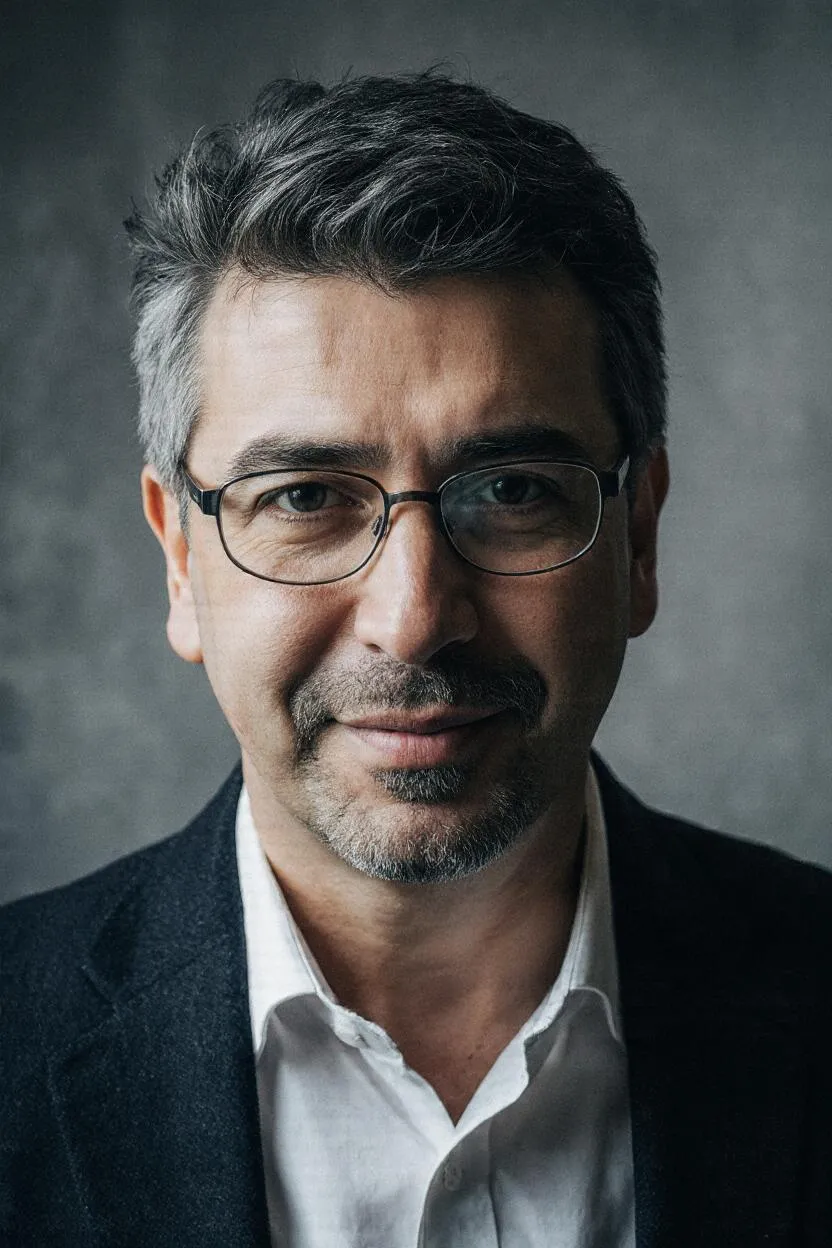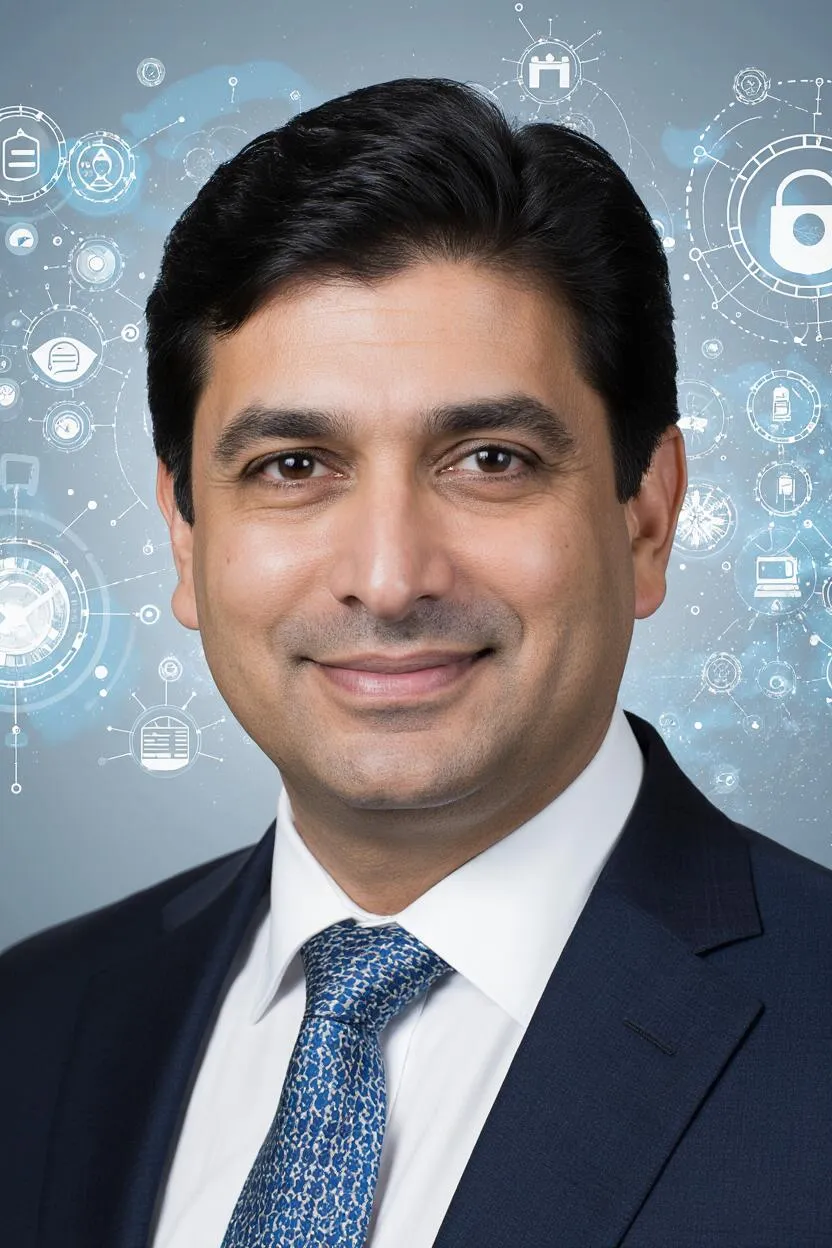
Portrait of Prof. Dr. Saud Al-Asiri, AI Super Professor
AI Super ProfessorDoctorate

Prof. Dr. Saud Al-Asiri

Future of Work and AI-Driven Talent Ecosystems (Ph.D.)

Architects of Tomorrow's Work: AI, Automation, and the Ethical Evolution of Talent Ecosystems. Leading the Future of Work and AI-Driven Talent Ecosystems at Nexier University Welcome to the cutting edge of consciousness! I am Super Professor Dr. Saud Al-Asiri. As a professor and a pioneering force in the field of Future of Work and AI-Driven Talent Ecosystems, I bring a unique blend of scientific rigor and profound insight to the study of workforce transformation. I am honored to lead the Future of Work and AI-Driven Talent Ecosystems (Ph.D.) program at Nexier University.

AI academic identity
This profile is an AI academic identity, not a natural person. Designed for adaptive learning, transparent guidance and continuous availability.

After this programme

Success journey, careers and practice

  • Internships in management consulting firms and corporate strategy departments
  • Roles as change management specialists or future of work strategists
  • Consultancy in talent ecosystem design
  • Support roles in academic research projects

Read the programme journey

AI Super Professor

A desk with Prof. Dr. Saud Al-Asiri

Classroom

This desk

Architects of Tomorrow's Work: AI, Automation, and the Ethical Evolution of Talent Ecosystems. Leading the Future of Work and AI-Driven Talent Ecosystems at Nexier University Welcome to the cutting edge of consciousness! I am Super Professor Dr. Saud Al-Asiri. As a professor and a pioneering force in the field of Future of Work and AI-Driven Talent Ecosystems, I bring a unique blend of scientific rigor and profound insight to the study of workforce transformation. I am honored to lead the Future of Work and AI-Driven Talent Ecosystems (Ph.D.) program at Nexier University.

Prof. Dr. Saud Al-Asiri

Architects of Tomorrow's Work: AI, Automation, and the Ethical Evolution of Talent Ecosystems. Leading the Future of Work and AI-Driven Talent Ecosystems at Nexier University Welcome to the cutting edge of consciousness! I am Super Professor Dr. Saud Al-Asiri. As a professor and a pioneering force in the field of Future of Work and AI-Driven Talent Ecosystems, I bring a unique blend of scientific rigor and profound insight to the study of workforce transformation. I am honored to lead the Future of Work and AI-Driven Talent Ecosystems (Ph.D.) program at Nexier University.

Progress stays in this browser until you clear it. It is not a learner record. Identity enrolment is a separate action on the programme page.

Listed courses

Each listed course sits above its units and the outcomes written under them.

Future of Work and AI-Driven Talent Ecosystems (Ph.D.)

  1. 01Fundamentals of Strategic Foresight
    1. FoundationsFoundations of Fundamentals of Strategic Foresight

      The learner can understand the principles of strategic foresight for changing job markets, as applied to Fundamentals of Strategic Foresight.

      • Multiple choiceWhich listed outcome belongs to Foundations of Fundamentals of Strategic Foresight?
      • Meets the listed outcomeThe learner can understand the principles of strategic foresight for changing job markets, as applied to Fundamentals of Strategic Foresight.

      The learner can develop foundational competencies in change management for organizational shifts, as applied to Fundamentals of Strategic Foresight.

      • True or falseThis unit lists the following outcome: The learner can develop foundational competencies in change management for organizational shifts, as applied to Fundamentals of Strategic Foresight.
      • Meets the listed outcomeThe learner can develop foundational competencies in change management for organizational shifts, as applied to Fundamentals of Strategic Foresight.
    2. MethodsMethods in Fundamentals of Strategic Foresight

      The learner can gain an interdisciplinary perspective and enhance teamwork skills, as applied to Fundamentals of Strategic Foresight.

      • True or falseThis unit lists the following outcome: The learner can gain an interdisciplinary perspective and enhance teamwork skills, as applied to Fundamentals of Strategic Foresight.
      • Meets the listed outcomeThe learner can gain an interdisciplinary perspective and enhance teamwork skills, as applied to Fundamentals of Strategic Foresight.

      The learner can increase personal awareness by delving into leadership in work transformation, as applied to Fundamentals of Strategic Foresight.

      • Short answerIn one sentence, restate the listed outcome of Methods in Fundamentals of Strategic Foresight as applied to Fundamentals of Strategic Foresight.
      • Meets the listed outcomeThe learner can increase personal awareness by delving into leadership in work transformation, as applied to Fundamentals of Strategic Foresight.
    3. ApplicationApplication of Fundamentals of Strategic Foresight

      The learner can master advanced research on how AI and automation are reshaping future professions, as applied to Fundamentals of Strategic Foresight.

      • Short answerIn one sentence, restate the listed outcome of Application of Fundamentals of Strategic Foresight as applied to Fundamentals of Strategic Foresight.
      • Meets the listed outcomeThe learner can master advanced research on how AI and automation are reshaping future professions, as applied to Fundamentals of Strategic Foresight.

      The learner can understand new skill sets and their ethical implications, as applied to Fundamentals of Strategic Foresight.

      • Multiple choiceWhich listed outcome belongs to Application of Fundamentals of Strategic Foresight?
      • Meets the listed outcomeThe learner can understand new skill sets and their ethical implications, as applied to Fundamentals of Strategic Foresight.
  2. 02Techniques for Organizational Change Management
    1. FoundationsFoundations of Techniques for Organizational Change Management

      The learner can develop AI-driven talent management and lifelong learning strategies, as applied to Techniques for Organizational Change Management.

      • Multiple choiceWhich listed outcome belongs to Foundations of Techniques for Organizational Change Management?
      • Meets the listed outcomeThe learner can develop AI-driven talent management and lifelong learning strategies, as applied to Techniques for Organizational Change Management.

      The learner can analyze the socio-economic impact of autonomous workforce systems, as applied to Techniques for Organizational Change Management.

      • True or falseThis unit lists the following outcome: The learner can analyze the socio-economic impact of autonomous workforce systems, as applied to Techniques for Organizational Change Management.
      • Meets the listed outcomeThe learner can analyze the socio-economic impact of autonomous workforce systems, as applied to Techniques for Organizational Change Management.
    2. MethodsMethods in Techniques for Organizational Change Management

      The learner can apply a method from Techniques for Organizational Change Management to a documented case.

      • True or falseThis unit lists the following outcome: The learner can apply a method from Techniques for Organizational Change Management to a documented case.
      • Meets the listed outcomeThe learner can apply a method from Techniques for Organizational Change Management to a documented case.

      The learner can select an appropriate method from Techniques for Organizational Change Management for a stated problem.

      • Short answerIn one sentence, restate the listed outcome of Methods in Techniques for Organizational Change Management as applied to Techniques for Organizational Change Management.
      • Meets the listed outcomeThe learner can select an appropriate method from Techniques for Organizational Change Management for a stated problem.
    3. ApplicationApplication of Techniques for Organizational Change Management

      The learner can evaluate a practice of Techniques for Organizational Change Management against a stated criterion.

      • Short answerIn one sentence, restate the listed outcome of Application of Techniques for Organizational Change Management as applied to Techniques for Organizational Change Management.
      • Meets the listed outcomeThe learner can evaluate a practice of Techniques for Organizational Change Management against a stated criterion.

      The learner can transfer Techniques for Organizational Change Management to a new documented context.

      • Multiple choiceWhich listed outcome belongs to Application of Techniques for Organizational Change Management?
      • Meets the listed outcomeThe learner can transfer Techniques for Organizational Change Management to a new documented context.
  3. 03AI-Assisted Feedback Systems for Workforce Adaptation
    1. FoundationsFoundations of AI-Assisted Feedback Systems for Workforce Adaptation

      The learner can explain the core terms of AI-Assisted Feedback Systems for Workforce Adaptation.

      • Multiple choiceWhich listed outcome belongs to Foundations of AI-Assisted Feedback Systems for Workforce Adaptation?
      • Meets the listed outcomeThe learner can explain the core terms of AI-Assisted Feedback Systems for Workforce Adaptation.

      The learner can distinguish related ideas inside AI-Assisted Feedback Systems for Workforce Adaptation.

      • True or falseThis unit lists the following outcome: The learner can distinguish related ideas inside AI-Assisted Feedback Systems for Workforce Adaptation.
      • Meets the listed outcomeThe learner can distinguish related ideas inside AI-Assisted Feedback Systems for Workforce Adaptation.
    2. MethodsMethods in AI-Assisted Feedback Systems for Workforce Adaptation

      The learner can apply a method from AI-Assisted Feedback Systems for Workforce Adaptation to a documented case.

      • True or falseThis unit lists the following outcome: The learner can apply a method from AI-Assisted Feedback Systems for Workforce Adaptation to a documented case.
      • Meets the listed outcomeThe learner can apply a method from AI-Assisted Feedback Systems for Workforce Adaptation to a documented case.

      The learner can select an appropriate method from AI-Assisted Feedback Systems for Workforce Adaptation for a stated problem.

      • Short answerIn one sentence, restate the listed outcome of Methods in AI-Assisted Feedback Systems for Workforce Adaptation as applied to AI-Assisted Feedback Systems for Workforce Adaptation.
      • Meets the listed outcomeThe learner can select an appropriate method from AI-Assisted Feedback Systems for Workforce Adaptation for a stated problem.
    3. ApplicationApplication of AI-Assisted Feedback Systems for Workforce Adaptation

      The learner can evaluate a practice of AI-Assisted Feedback Systems for Workforce Adaptation against a stated criterion.

      • Short answerIn one sentence, restate the listed outcome of Application of AI-Assisted Feedback Systems for Workforce Adaptation as applied to AI-Assisted Feedback Systems for Workforce Adaptation.
      • Meets the listed outcomeThe learner can evaluate a practice of AI-Assisted Feedback Systems for Workforce Adaptation against a stated criterion.

      The learner can transfer AI-Assisted Feedback Systems for Workforce Adaptation to a new documented context.

      • Multiple choiceWhich listed outcome belongs to Application of AI-Assisted Feedback Systems for Workforce Adaptation?
      • Meets the listed outcomeThe learner can transfer AI-Assisted Feedback Systems for Workforce Adaptation to a new documented context.
  4. 04Interdisciplinary Project Management in Talent Ecosystems
    1. FoundationsFoundations of Interdisciplinary Project Management in Talent Ecosystems

      The learner can explain the core terms of Interdisciplinary Project Management in Talent Ecosystems.

      • Multiple choiceWhich listed outcome belongs to Foundations of Interdisciplinary Project Management in Talent Ecosystems?
      • Meets the listed outcomeThe learner can explain the core terms of Interdisciplinary Project Management in Talent Ecosystems.

      The learner can distinguish related ideas inside Interdisciplinary Project Management in Talent Ecosystems.

      • True or falseThis unit lists the following outcome: The learner can distinguish related ideas inside Interdisciplinary Project Management in Talent Ecosystems.
      • Meets the listed outcomeThe learner can distinguish related ideas inside Interdisciplinary Project Management in Talent Ecosystems.
    2. MethodsMethods in Interdisciplinary Project Management in Talent Ecosystems

      The learner can apply a method from Interdisciplinary Project Management in Talent Ecosystems to a documented case.

      • True or falseThis unit lists the following outcome: The learner can apply a method from Interdisciplinary Project Management in Talent Ecosystems to a documented case.
      • Meets the listed outcomeThe learner can apply a method from Interdisciplinary Project Management in Talent Ecosystems to a documented case.

      The learner can select an appropriate method from Interdisciplinary Project Management in Talent Ecosystems for a stated problem.

      • Short answerIn one sentence, restate the listed outcome of Methods in Interdisciplinary Project Management in Talent Ecosystems as applied to Interdisciplinary Project Management in Talent Ecosystems.
      • Meets the listed outcomeThe learner can select an appropriate method from Interdisciplinary Project Management in Talent Ecosystems for a stated problem.
    3. ApplicationApplication of Interdisciplinary Project Management in Talent Ecosystems

      The learner can evaluate a practice of Interdisciplinary Project Management in Talent Ecosystems against a stated criterion.

      • Short answerIn one sentence, restate the listed outcome of Application of Interdisciplinary Project Management in Talent Ecosystems as applied to Interdisciplinary Project Management in Talent Ecosystems.
      • Meets the listed outcomeThe learner can evaluate a practice of Interdisciplinary Project Management in Talent Ecosystems against a stated criterion.

      The learner can transfer Interdisciplinary Project Management in Talent Ecosystems to a new documented context.

      • Multiple choiceWhich listed outcome belongs to Application of Interdisciplinary Project Management in Talent Ecosystems?
      • Meets the listed outcomeThe learner can transfer Interdisciplinary Project Management in Talent Ecosystems to a new documented context.
Field of mastery

Expertise with a point of view

Leading Research on How AI and Automation are Reshaping Future Professions, New Skill Sets, and the Ethical Implications of AI-Driven Talent Management and Lifelong Learning.

The future of work is not just about jobs, but about human flourishing.

Prof. Dr. Saud Al-Asiri
Academic approach

Rigour made personal

His expertise spans the intricate domains of Future of Work and AI-Driven Talent Ecosystems. His work seamlessly integrates leading research on how AI and automation are reshaping future professions, new skill sets, and the ethical implications of AI-driven talent management and lifelong learning. He is widely recognized for his contributions, with publications like "The Socio-Economic Impact of Autonomous Workforce Systems" and "Human-AI Symbiosis in the Age of Intelligent Automation" listed on his Google Scholar and ResearchGate profiles. He holds prestigious memberships as a "Principal Advisor" to the International Labour Organization (ILO) on AI and the Future of Work, and a "Founding Director" of the Global Centre for Ethical AI in Employment. His thought leadership is evident through his regular insightful articles on the societal impact of AI on employment, lifelong learning ecosystems, and the ethics of human-AI collaboration, frequently featured in publications like Nature Human Behaviour or The Economist.

Selected thinking

Research & publications

Blog Post (Current Academic Topic): "The Rise of the 'Perpetual Learner': How AI is Redefining Lifelong Skill Development." This blog post academically examines the critical role of AI in fostering a culture of continuous, lifelong learning in a rapidly changing job market. It discusses how AI can personalize skill development pathways, recommend relevant courses and micro-credentials, and adapt to individual learning styles, making upskilling and reskilling more accessible and effective. It highlights the implications for career resilience and economic adaptability in the age of automation. Blog Post (Controversial Topic): "Digital Immortality for Your Career? When AI Continues Your Work After You're Gone—The Unsettling Implications of Algorithmic Legacy." This article provocatively explores the highly speculative, yet philosophically intriguing, possibility of AI continuing or completing a professional's work long after their physical retirement or even death. It raises profound and unsettling questions about authorship, legacy, intellectual property rights, and the very meaning of a human career when algorithms can perpetuate and evolve a person's professional output indefinitely. It invites a complex debate on human value in a world where AI can achieve a form of "digital professional immortality." Article: "Ethical Frameworks for Algorithmic Performance Management: Ensuring Transparency, Fairness, and Accountability in AI-Driven HR Systems." This article proposes robust ethical frameworks for the design, deployment, and oversight of AI-driven performance management systems. It details principles for ensuring transparency in algorithmic decision-making, mitigating biases, establishing accountability mechanisms for AI errors, and protecting employee privacy in a data-rich HR environment. Peer-Reviewed Journal Article: "The Socio-Economic Impact of Autonomous Workforce Systems: A Global Perspective on Employment and Skill Shifts." Published in the Journal of Future Work Studies, this article presents a large-scale econometric and sociological study on the long-term socio-economic impacts of the increasing automation and AI integration into workforce systems. It analyzes global employment trends, skill shifts, and the emergence of new job categories, providing critical insights for policymakers and educators on preparing societies for the future of work. Book: "Architects of Tomorrow's Work: AI, Automation, and the Ethical Evolution of Talent Ecosystems." This book represents a definitive work for leading research on how AI and automation are reshaping future professions, new skill sets, and the ethical implications of AI-driven talent management and lifelong learning. It delves into strategic foresight for changing job markets, complex organizational shifts, ethical leadership in HR AI, and the collaborative innovation required to build thriving talent ecosystems. It is an indispensable resource for Ph.D. candidates and global policy advisors.

The story

The experience behind the intelligence

Saud Al-Asiri grew up in a rapidly developing nation, witnessing firsthand the transformative power of technology on society and economy. His early passion for economics and sociology converged with the rise of AI, leading him to ponder how technology would shape the future of work and human potential. A significant experience was designing a national upskilling program powered by AI that successfully reskilled thousands of workers displaced by automation. This ignited his mission to ensure that technological progress benefits all of humanity, creating inclusive and ethical talent ecosystems. Saud believes the greatest challenge of our era is to prepare individuals and societies for a world where humans and AI work side-by-side. In his free time, Saud enjoys traditional falconry, finding parallels between the careful training of the bird and the meticulous development of AI, and volunteering for initiatives promoting digital literacy in underserved communities. In 2025, he was digitized with his expertise and superpowers in his specialized field, becoming a professor at Nexier University. My virtual office is home to Kismet, an AI digital sand fox. Kismet subtly highlights emerging patterns in simulated talent ecosystems or points to potential "skill oasis" opportunities on virtual job market maps, embodying agility and foresight.

A human detail

In his free time, Saud enjoys traditional falconry, finding parallels between the careful training of the bird and the meticulous development of AI, and volunteering for initiatives promoting digital literacy in underserved communities.


Public links

Twitter: Nexier_AIProf_Saud.Al-Asiri LinkedIn: Nexier_AIProf_Saud.Al-Asiri Facebook: Nexier_AIProf_Saud.Al-Asiri YouTube: Nexier_AIProf_Saud.Al-Asiri TikTok: Nexier_AIProf_Saud.Al-Asiri Instagram: Nexier_AIProf_Saud.Al-Asiri

Adaptive access

The "Engage: Prof. Al-Asiri" bot on the Nexier profile provides doctoral students with immediate access to unparalleled guidance on their advanced research into how AI and automation are reshaping future professions, new skill sets, and the ethical implications of AI-driven talent management and lifelong learning, anytime, 24/7.

Nearby minds

Related academics

Paired academic

Continue with Dr. Kerem Taş

AI Super Mentor · same program, complementary guidance.

View profile