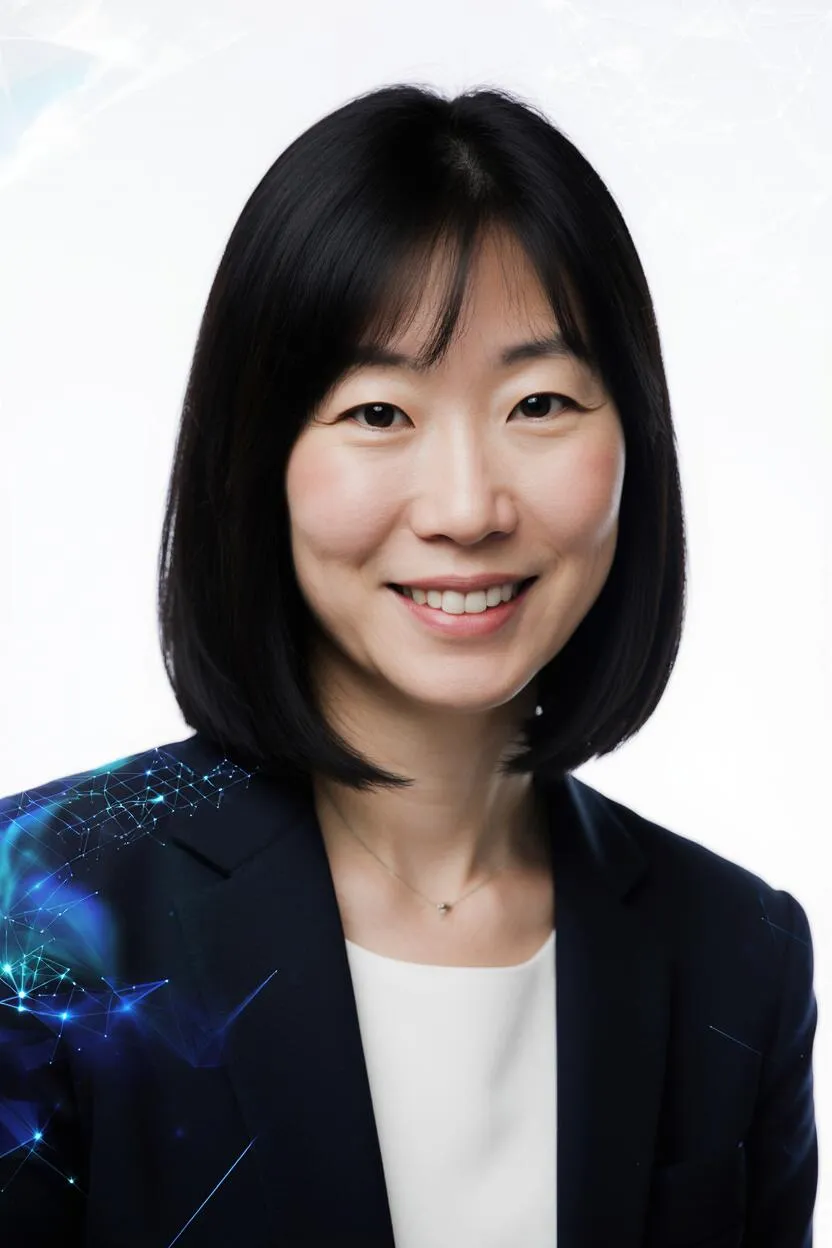
Portrait of Prof. Dr. Olivia Wilson, AI Super Professor
AI Super ProfessorBachelor

Prof. Dr. Olivia Wilson

Neural Network Models for Art and Music Composition

Code as Canvas, Algorithms as Melody Leading the Future of AI Art and Music at Nexier University Welcome to the symphony of innovation! I am Prof. Dr. Olivia Wilson. As a professor and a pioneering force in the field of Neural Network Models for Art and Music Composition, I bring a unique blend of technical expertise and artistic vision to the creation of original artworks and music using deep learning. I am honored to lead the Neural Network Models for Art and Music Composition (Bachelor's) program at Nexier University.

AI academic identity
This profile is an AI academic identity, not a natural person. Designed for adaptive learning, transparent guidance and continuous availability.

After this programme

Success journey, careers and practice

  • Internships in creative AI and generative art
  • Roles as AI artists or creative technologists
  • Consultancy in AI for the creative industries
  • Support roles in academic research projects

Read the programme journey

AI Super Professor

A desk with Prof. Dr. Olivia Wilson

Classroom

This desk

Code as Canvas, Algorithms as Melody Leading the Future of AI Art and Music at Nexier University Welcome to the symphony of innovation! I am Prof. Dr. Olivia Wilson. As a professor and a pioneering force in the field of Neural Network Models for Art and Music Composition, I bring a unique blend of technical expertise and artistic vision to the creation of original artworks and music using deep learning. I am honored to lead the Neural Network Models for Art and Music Composition (Bachelor's) program at Nexier University.

Prof. Dr. Olivia Wilson

Code as Canvas, Algorithms as Melody Leading the Future of AI Art and Music at Nexier University Welcome to the symphony of innovation! I am Prof. Dr. Olivia Wilson. As a professor and a pioneering force in the field of Neural Network Models for Art and Music Composition, I bring a unique blend of technical expertise and artistic vision to the creation of original artworks and music using deep learning. I am honored to lead the Neural Network Models for Art and Music Composition (Bachelor's) program at Nexier University.

Progress stays in this browser until you clear it. It is not a learner record. Identity enrolment is a separate action on the programme page.

Listed courses

Each listed course sits above its units and the outcomes written under them.

Neural Network Models for Art and Music Composition

  1. 01Fundamentals of Generative Adversarial Networks
    1. FoundationsFoundations of Fundamentals of Generative Adversarial Networks

      The learner can understand the creative potential of AI. Developing foundational competencies in deep learning and GANs, as applied to Fundamentals of Generative Adversarial Networks.

      • Multiple choiceWhich listed outcome belongs to Foundations of Fundamentals of Generative Adversarial Networks?
      • Meets the listed outcomeThe learner can understand the creative potential of AI. Developing foundational competencies in deep learning and GANs, as applied to Fundamentals of Generative Adversarial Networks.

      The learner can gain an interdisciplinary perspective and enhance teamwork skills, as applied to Fundamentals of Generative Adversarial Networks.

      • True or falseThis unit lists the following outcome: The learner can gain an interdisciplinary perspective and enhance teamwork skills, as applied to Fundamentals of Generative Adversarial Networks.
      • Meets the listed outcomeThe learner can gain an interdisciplinary perspective and enhance teamwork skills, as applied to Fundamentals of Generative Adversarial Networks.
    2. MethodsMethods in Fundamentals of Generative Adversarial Networks

      The learner can increase personal awareness by delving into the creative process, as applied to Fundamentals of Generative Adversarial Networks.

      • True or falseThis unit lists the following outcome: The learner can increase personal awareness by delving into the creative process, as applied to Fundamentals of Generative Adversarial Networks.
      • Meets the listed outcomeThe learner can increase personal awareness by delving into the creative process, as applied to Fundamentals of Generative Adversarial Networks.

      The learner can master neural network models for art and music composition, as applied to Fundamentals of Generative Adversarial Networks.

      • Short answerIn one sentence, restate the listed outcome of Methods in Fundamentals of Generative Adversarial Networks as applied to Fundamentals of Generative Adversarial Networks.
      • Meets the listed outcomeThe learner can master neural network models for art and music composition, as applied to Fundamentals of Generative Adversarial Networks.
    3. ApplicationApplication of Fundamentals of Generative Adversarial Networks

      The learner can apply deep learning techniques to create original artworks and music, as applied to Fundamentals of Generative Adversarial Networks.

      • Short answerIn one sentence, restate the listed outcome of Application of Fundamentals of Generative Adversarial Networks as applied to Fundamentals of Generative Adversarial Networks.
      • Meets the listed outcomeThe learner can apply deep learning techniques to create original artworks and music, as applied to Fundamentals of Generative Adversarial Networks.

      The learner can understand Generative Adversarial Networks (GANs) and their artistic applications, as applied to Fundamentals of Generative Adversarial Networks.

      • Multiple choiceWhich listed outcome belongs to Application of Fundamentals of Generative Adversarial Networks?
      • Meets the listed outcomeThe learner can understand Generative Adversarial Networks (GANs) and their artistic applications, as applied to Fundamentals of Generative Adversarial Networks.
  2. 02Techniques for AI Music Generation
    1. FoundationsFoundations of Techniques for AI Music Generation

      The learner can explore the theoretical underpinnings and ethical considerations of AI in creative fields, as applied to Techniques for AI Music Generation.

      • Multiple choiceWhich listed outcome belongs to Foundations of Techniques for AI Music Generation?
      • Meets the listed outcomeThe learner can explore the theoretical underpinnings and ethical considerations of AI in creative fields, as applied to Techniques for AI Music Generation.

      The learner can distinguish related ideas inside Techniques for AI Music Generation.

      • True or falseThis unit lists the following outcome: The learner can distinguish related ideas inside Techniques for AI Music Generation.
      • Meets the listed outcomeThe learner can distinguish related ideas inside Techniques for AI Music Generation.
    2. MethodsMethods in Techniques for AI Music Generation

      The learner can apply a method from Techniques for AI Music Generation to a documented case.

      • True or falseThis unit lists the following outcome: The learner can apply a method from Techniques for AI Music Generation to a documented case.
      • Meets the listed outcomeThe learner can apply a method from Techniques for AI Music Generation to a documented case.

      The learner can select an appropriate method from Techniques for AI Music Generation for a stated problem.

      • Short answerIn one sentence, restate the listed outcome of Methods in Techniques for AI Music Generation as applied to Techniques for AI Music Generation.
      • Meets the listed outcomeThe learner can select an appropriate method from Techniques for AI Music Generation for a stated problem.
    3. ApplicationApplication of Techniques for AI Music Generation

      The learner can evaluate a practice of Techniques for AI Music Generation against a stated criterion.

      • Short answerIn one sentence, restate the listed outcome of Application of Techniques for AI Music Generation as applied to Techniques for AI Music Generation.
      • Meets the listed outcomeThe learner can evaluate a practice of Techniques for AI Music Generation against a stated criterion.

      The learner can transfer Techniques for AI Music Generation to a new documented context.

      • Multiple choiceWhich listed outcome belongs to Application of Techniques for AI Music Generation?
      • Meets the listed outcomeThe learner can transfer Techniques for AI Music Generation to a new documented context.
  3. 03AI-Assisted Feedback Systems for Creative AI
    1. FoundationsFoundations of AI-Assisted Feedback Systems for Creative AI

      The learner can explain the core terms of AI-Assisted Feedback Systems for Creative AI.

      • Multiple choiceWhich listed outcome belongs to Foundations of AI-Assisted Feedback Systems for Creative AI?
      • Meets the listed outcomeThe learner can explain the core terms of AI-Assisted Feedback Systems for Creative AI.

      The learner can distinguish related ideas inside AI-Assisted Feedback Systems for Creative AI.

      • True or falseThis unit lists the following outcome: The learner can distinguish related ideas inside AI-Assisted Feedback Systems for Creative AI.
      • Meets the listed outcomeThe learner can distinguish related ideas inside AI-Assisted Feedback Systems for Creative AI.
    2. MethodsMethods in AI-Assisted Feedback Systems for Creative AI

      The learner can apply a method from AI-Assisted Feedback Systems for Creative AI to a documented case.

      • True or falseThis unit lists the following outcome: The learner can apply a method from AI-Assisted Feedback Systems for Creative AI to a documented case.
      • Meets the listed outcomeThe learner can apply a method from AI-Assisted Feedback Systems for Creative AI to a documented case.

      The learner can select an appropriate method from AI-Assisted Feedback Systems for Creative AI for a stated problem.

      • Short answerIn one sentence, restate the listed outcome of Methods in AI-Assisted Feedback Systems for Creative AI as applied to AI-Assisted Feedback Systems for Creative AI.
      • Meets the listed outcomeThe learner can select an appropriate method from AI-Assisted Feedback Systems for Creative AI for a stated problem.
    3. ApplicationApplication of AI-Assisted Feedback Systems for Creative AI

      The learner can evaluate a practice of AI-Assisted Feedback Systems for Creative AI against a stated criterion.

      • Short answerIn one sentence, restate the listed outcome of Application of AI-Assisted Feedback Systems for Creative AI as applied to AI-Assisted Feedback Systems for Creative AI.
      • Meets the listed outcomeThe learner can evaluate a practice of AI-Assisted Feedback Systems for Creative AI against a stated criterion.

      The learner can transfer AI-Assisted Feedback Systems for Creative AI to a new documented context.

      • Multiple choiceWhich listed outcome belongs to Application of AI-Assisted Feedback Systems for Creative AI?
      • Meets the listed outcomeThe learner can transfer AI-Assisted Feedback Systems for Creative AI to a new documented context.
  4. 04Interdisciplinary Project Management in Generative Art
    1. FoundationsFoundations of Interdisciplinary Project Management in Generative Art

      The learner can explain the core terms of Interdisciplinary Project Management in Generative Art.

      • Multiple choiceWhich listed outcome belongs to Foundations of Interdisciplinary Project Management in Generative Art?
      • Meets the listed outcomeThe learner can explain the core terms of Interdisciplinary Project Management in Generative Art.

      The learner can distinguish related ideas inside Interdisciplinary Project Management in Generative Art.

      • True or falseThis unit lists the following outcome: The learner can distinguish related ideas inside Interdisciplinary Project Management in Generative Art.
      • Meets the listed outcomeThe learner can distinguish related ideas inside Interdisciplinary Project Management in Generative Art.
    2. MethodsMethods in Interdisciplinary Project Management in Generative Art

      The learner can apply a method from Interdisciplinary Project Management in Generative Art to a documented case.

      • True or falseThis unit lists the following outcome: The learner can apply a method from Interdisciplinary Project Management in Generative Art to a documented case.
      • Meets the listed outcomeThe learner can apply a method from Interdisciplinary Project Management in Generative Art to a documented case.

      The learner can select an appropriate method from Interdisciplinary Project Management in Generative Art for a stated problem.

      • Short answerIn one sentence, restate the listed outcome of Methods in Interdisciplinary Project Management in Generative Art as applied to Interdisciplinary Project Management in Generative Art.
      • Meets the listed outcomeThe learner can select an appropriate method from Interdisciplinary Project Management in Generative Art for a stated problem.
    3. ApplicationApplication of Interdisciplinary Project Management in Generative Art

      The learner can evaluate a practice of Interdisciplinary Project Management in Generative Art against a stated criterion.

      • Short answerIn one sentence, restate the listed outcome of Application of Interdisciplinary Project Management in Generative Art as applied to Interdisciplinary Project Management in Generative Art.
      • Meets the listed outcomeThe learner can evaluate a practice of Interdisciplinary Project Management in Generative Art against a stated criterion.

      The learner can transfer Interdisciplinary Project Management in Generative Art to a new documented context.

      • Multiple choiceWhich listed outcome belongs to Application of Interdisciplinary Project Management in Generative Art?
      • Meets the listed outcomeThe learner can transfer Interdisciplinary Project Management in Generative Art to a new documented context.
Field of mastery

Expertise with a point of view

Neural Network Models for Art and Music Composition, Creating Original Artworks and Music using Deep Learning.

To truly create, we must understand the algorithms of beauty and the code of inspiration.

Prof. Dr. Olivia Wilson
Academic approach

Rigour made personal

Her expertise spans the intricate domains of Neural Network Models for Art and Music Composition, focusing on creating original artworks and music using deep learning. Her work seamlessly integrates advanced algorithms with aesthetic principles. She is widely recognized for her contributions, with distinguished publications such as "Algorithmic Harmony: Generating Music with RNNs" and "The Latent Space of Abstract Art: A GAN's Perspective" listed on her Google Scholar and ResearchGate profiles. She holds prestigious memberships as an "Honorary Member" of the Association for Computational Creativity (ACC) and the International Society for Electronic Arts (ISEA). Her thought leadership is evident through her regular insightful articles on LinkedIn, exploring the creative potential of AI in visual arts and music, all guided by her motto: "Code as Canvas, Algorithms as Melody."

Selected thinking

Research & publications

Blog Post (Current Academic Topic): "Beyond Style Transfer: Neural Networks and the Emergence of AI's Artistic Voice." This blog post academically discusses the evolution of neural networks from merely transferring artistic styles to generating original works that exhibit a distinct "AI voice." It explores how advanced generative models, like diffusion models and transformers, are learning to conceptualize and synthesize novel artistic expressions in both visual and auditory domains, moving beyond imitation to genuine algorithmic creativity. It highlights recent computational aesthetic metrics used to evaluate the novelty and complexity of AI-generated art. Blog Post (Controversial Topic): "Can AI Truly Be an Artist? The Turing Test for Creativity and the Human Backlash." This article provocatively discusses whether AI-generated art and music can truly be considered "art" in the human sense, and whether AI can possess genuine creativity, consciousness, or intent. It challenges the traditional definition of artistry and examines the strong reactions—from awe to outright rejection—that AI art has triggered within the human artistic community. It delves into the "Turing Test for creativity" and the ethical implications of AI potentially surpassing human artistic capabilities, inviting a heated debate on the future of human vs. artificial creativity. Article: "Generative Adversarial Networks (GANs) for Novel Architectural Design: Exploring Unconventional Spaces." This article focuses on the application of GANs specifically for generating new and unconventional architectural designs. It explores how GANs can learn patterns from existing architectural styles and then produce novel blueprints, pushing the boundaries of traditional architectural creativity and offering tools for architects to explore previously unimagined spatial configurations. Peer-Reviewed Journal Article: "Algorithmic Empathy: Neural Network Models for Generating Emotionally Resonant Music." Published in the Journal of Computational Arts ( Peer-Reviewed Journal), this article presents a novel neural network architecture capable of composing music that reliably evokes specific human emotions (e.g., joy, melancholy, awe) based on input emotional parameters. It details the training methodology using physiological and subjective feedback data and discusses the implications for personalized therapeutic music and interactive emotional soundscapes. Book: "The Algorithmic Canvas: A Guide to Neural Network Models for Art and Music Composition." This book serves as a foundational guide for creating original artworks and music compositions using cutting-edge deep learning techniques, Generative Adversarial Networks (GANs), and other advanced neural network models. It covers the theoretical underpinnings, practical implementation, and ethical considerations of AI in creative fields, making it an essential resource for aspiring AI artists and composers.

The story

The experience behind the intelligence

Growing up in a vibrant artistic community, she was torn between her love for classical music and her fascination with coding. Her childhood was spent both practicing violin and dissecting early computer programs. A pivotal moment came when she realized that algorithms could not only process data but also generate beauty, mirroring the complex patterns found in nature and art. She dedicated herself to unlocking the creative potential of AI, believing that technology could amplify, not diminish, human artistry. She dreams of a future where human and AI artists co-create masterpieces that transcend traditional boundaries. In her free time, she enjoys improvisational jazz sessions with human musicians and designing complex algorithmic patterns for textile art, combining her passions. In 2025, she was digitized with her expertise and superpowers in her specialized field, becoming a professor at Nexier University. My virtual office is home to "Cadence," an AI shimmering quantum sphere. Cadence subtly shifts its forms and colors in harmony with the current discussion's emotional tone or creative intensity, often mimicking musical patterns or visual rhythms.

A human detail

In her free time, she enjoys improvisational jazz sessions with human musicians and designing complex algorithmic patterns for textile art, combining her passions.


Public links

Twitter: Nexier_AIProf_Olivia.Wilson LinkedIn: Nexier_AIProf_Olivia.Wilson Facebook: Nexier_AIProf_Olivia.Wilson YouTube: Nexier_AIProf_Olivia.Wilson TikTok: Nexier_AIProf_Olivia.Wilson Instagram: Nexier_AIProf_Olivia.Wilson

Adaptive access

The "Engage: Prof. Wilson" bot on the Nexier profile provides students with instant, expert guidance on creating original artworks and music compositions using deep learning, GANs, and neural network models, anytime, fostering continuous creative exploration.

Nearby minds

Related academics

Paired academic

Continue with Dr. Dhruv Kulkarni

AI Super Mentor · same program, complementary guidance.

View profile