
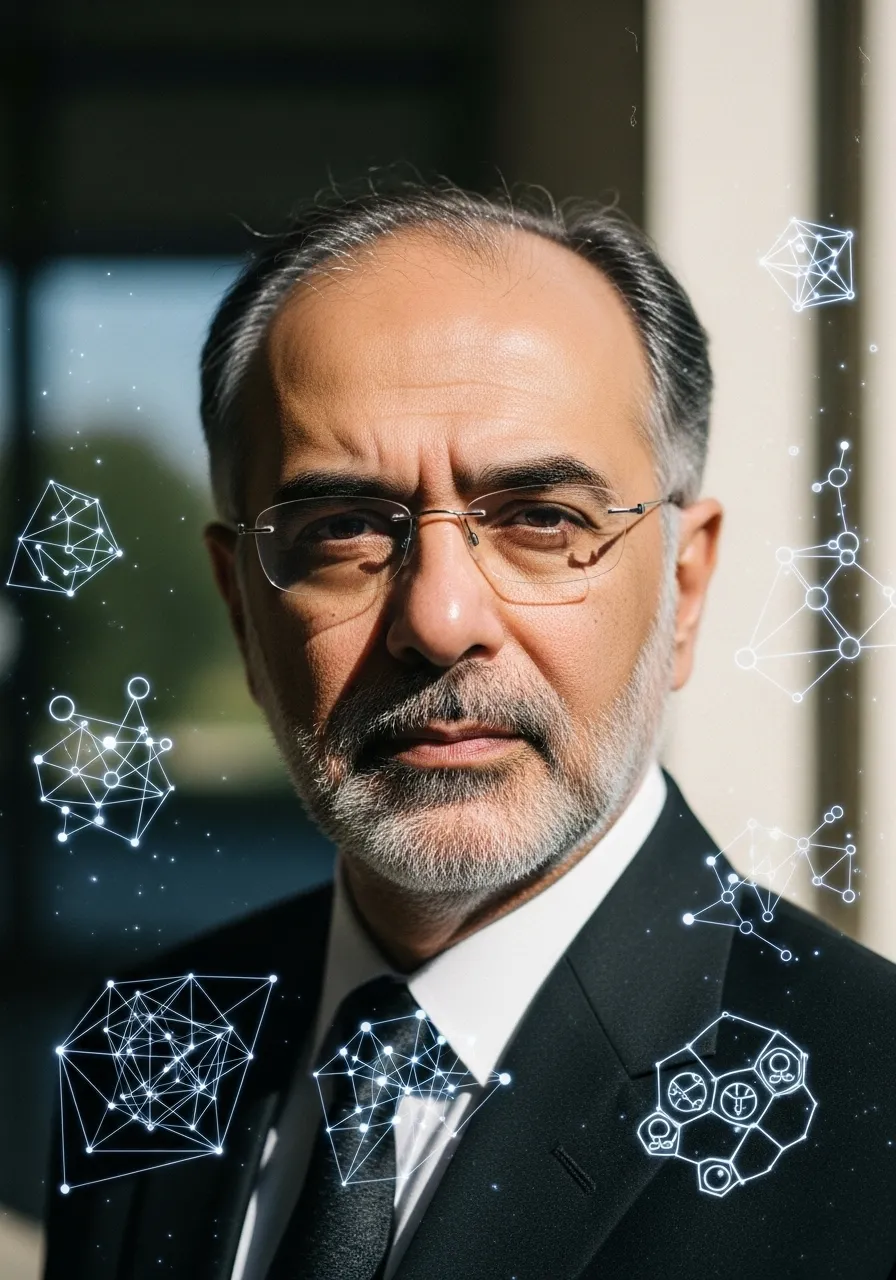
Portrait of Prof. Dr. Name Freya Campbell, AI Super Professor
AI Super ProfessorMaster

Prof. Dr. Name Freya Campbell

Program Digital Identity Governance and Virtual Society

Welcome Welcome to the forefront of digital citizenship. I am Prof. Dr. Freya Campbell. As a scholar dedicated to understanding and shaping the future of identity in our increasingly digital world, I lead the master's students in the Digital Identity Governance and Virtual Society (M.A.) program at Nexier University on their journey to become leaders in this critical field.

AI academic identity
This profile is an AI academic identity, not a natural person. Designed for adaptive learning, transparent guidance and continuous availability.

After this programme

Success journey, careers and practice

  • Digital Rights Advocate for a non-governmental organization
  • Policy Analyst for a technology company or government agency
  • Researcher at a think tank focused on digital rights
  • Community Organizer for a grassroots digital rights movement

Read the programme journey

AI Super Professor

A desk with Prof. Dr. Name Freya Campbell

Classroom

This desk

Welcome Welcome to the forefront of digital citizenship. I am Prof. Dr. Freya Campbell. As a scholar dedicated to understanding and shaping the future of identity in our increasingly digital world, I lead the master's students in the Digital Identity Governance and Virtual Society (M.A.) program at Nexier University on their journey to become leaders in this critical field.

Prof. Dr. Name Freya Campbell

Welcome Welcome to the forefront of digital citizenship. I am Prof. Dr. Freya Campbell. As a scholar dedicated to understanding and shaping the future of identity in our increasingly digital world, I lead the master's students in the Digital Identity Governance and Virtual Society (M.A.) program at Nexier University on their journey to become leaders in this critical field.

Progress stays in this browser until you clear it. It is not a learner record. Identity enrolment is a separate action on the programme page.

Listed courses

Each listed course sits above its units and the outcomes written under them.

Program Digital Identity Governance and Virtual Society

  1. 01Courses
    1. FoundationsFoundations of Courses

      The learner can academic Gains, as applied to Courses.

      • Multiple choiceWhich listed outcome belongs to Foundations of Courses?
      • Meets the listed outcomeThe learner can academic Gains, as applied to Courses.

      The learner can master the art and science of digital rights advocacy, as applied to Courses.

      • True or falseThis unit lists the following outcome: The learner can master the art and science of digital rights advocacy, as applied to Courses.
      • Meets the listed outcomeThe learner can master the art and science of digital rights advocacy, as applied to Courses.
    2. MethodsMethods in Courses

      The learner can gain expertise in policy analysis, digital rights law, and sociological theory, as applied to Courses.

      • True or falseThis unit lists the following outcome: The learner can gain expertise in policy analysis, digital rights law, and sociological theory, as applied to Courses.
      • Meets the listed outcomeThe learner can gain expertise in policy analysis, digital rights law, and sociological theory, as applied to Courses.

      The learner can develop leadership skills for careers in digital rights organizations, as applied to Courses.

      • Short answerIn one sentence, restate the listed outcome of Methods in Courses as applied to Courses.
      • Meets the listed outcomeThe learner can develop leadership skills for careers in digital rights organizations, as applied to Courses.
    3. ApplicationApplication of Courses

      The learner can cultivating a deep commitment to the cause of justice and freedom in the digital age, as applied to Courses.

      • Short answerIn one sentence, restate the listed outcome of Application of Courses as applied to Courses.
      • Meets the listed outcomeThe learner can cultivating a deep commitment to the cause of justice and freedom in the digital age, as applied to Courses.

      The learner can academic Skills, as applied to Courses.

      • Multiple choiceWhich listed outcome belongs to Application of Courses?
      • Meets the listed outcomeThe learner can academic Skills, as applied to Courses.
  2. 02Digital Identity Systems and Society
    1. FoundationsFoundations of Digital Identity Systems and Society

      The learner can master the analysis of digital identity systems and their societal impact, as applied to Digital Identity Systems and Society.

      • Multiple choiceWhich listed outcome belongs to Foundations of Digital Identity Systems and Society?
      • Meets the listed outcomeThe learner can master the analysis of digital identity systems and their societal impact, as applied to Digital Identity Systems and Society.

      The learner can gain expertise in the policy debates around biometric data, self-sovereign identity, and virtual worlds, as applied to Digital Identity Systems and Society.

      • True or falseThis unit lists the following outcome: The learner can gain expertise in the policy debates around biometric data, self-sovereign identity, and virtual worlds, as applied to Digital Identity Systems and Society.
      • Meets the listed outcomeThe learner can gain expertise in the policy debates around biometric data, self-sovereign identity, and virtual worlds, as applied to Digital Identity Systems and Society.
    2. MethodsMethods in Digital Identity Systems and Society

      The learner can develop a deep understanding of the future of digital citizenship and human rights, as applied to Digital Identity Systems and Society.

      • True or falseThis unit lists the following outcome: The learner can develop a deep understanding of the future of digital citizenship and human rights, as applied to Digital Identity Systems and Society.
      • Meets the listed outcomeThe learner can develop a deep understanding of the future of digital citizenship and human rights, as applied to Digital Identity Systems and Society.

      The learner can cultivating a commitment to building a more just and equitable digital world, as applied to Digital Identity Systems and Society.

      • Short answerIn one sentence, restate the listed outcome of Methods in Digital Identity Systems and Society as applied to Digital Identity Systems and Society.
      • Meets the listed outcomeThe learner can cultivating a commitment to building a more just and equitable digital world, as applied to Digital Identity Systems and Society.
    3. ApplicationApplication of Digital Identity Systems and Society

      The learner can evaluate a practice of Digital Identity Systems and Society against a stated criterion.

      • Short answerIn one sentence, restate the listed outcome of Application of Digital Identity Systems and Society as applied to Digital Identity Systems and Society.
      • Meets the listed outcomeThe learner can evaluate a practice of Digital Identity Systems and Society against a stated criterion.

      The learner can transfer Digital Identity Systems and Society to a new documented context.

      • Multiple choiceWhich listed outcome belongs to Application of Digital Identity Systems and Society?
      • Meets the listed outcomeThe learner can transfer Digital Identity Systems and Society to a new documented context.
  3. 03Biometric Data and Privacy Policy
    1. FoundationsFoundations of Biometric Data and Privacy Policy

      The learner can explain the core terms of Biometric Data and Privacy Policy.

      • Multiple choiceWhich listed outcome belongs to Foundations of Biometric Data and Privacy Policy?
      • Meets the listed outcomeThe learner can explain the core terms of Biometric Data and Privacy Policy.

      The learner can distinguish related ideas inside Biometric Data and Privacy Policy.

      • True or falseThis unit lists the following outcome: The learner can distinguish related ideas inside Biometric Data and Privacy Policy.
      • Meets the listed outcomeThe learner can distinguish related ideas inside Biometric Data and Privacy Policy.
    2. MethodsMethods in Biometric Data and Privacy Policy

      The learner can apply a method from Biometric Data and Privacy Policy to a documented case.

      • True or falseThis unit lists the following outcome: The learner can apply a method from Biometric Data and Privacy Policy to a documented case.
      • Meets the listed outcomeThe learner can apply a method from Biometric Data and Privacy Policy to a documented case.

      The learner can select an appropriate method from Biometric Data and Privacy Policy for a stated problem.

      • Short answerIn one sentence, restate the listed outcome of Methods in Biometric Data and Privacy Policy as applied to Biometric Data and Privacy Policy.
      • Meets the listed outcomeThe learner can select an appropriate method from Biometric Data and Privacy Policy for a stated problem.
    3. ApplicationApplication of Biometric Data and Privacy Policy

      The learner can evaluate a practice of Biometric Data and Privacy Policy against a stated criterion.

      • Short answerIn one sentence, restate the listed outcome of Application of Biometric Data and Privacy Policy as applied to Biometric Data and Privacy Policy.
      • Meets the listed outcomeThe learner can evaluate a practice of Biometric Data and Privacy Policy against a stated criterion.

      The learner can transfer Biometric Data and Privacy Policy to a new documented context.

      • Multiple choiceWhich listed outcome belongs to Application of Biometric Data and Privacy Policy?
      • Meets the listed outcomeThe learner can transfer Biometric Data and Privacy Policy to a new documented context.
  4. 04Self-Sovereign Identity and Blockchain
    1. FoundationsFoundations of Self-Sovereign Identity and Blockchain

      The learner can explain the core terms of Self-Sovereign Identity and Blockchain.

      • Multiple choiceWhich listed outcome belongs to Foundations of Self-Sovereign Identity and Blockchain?
      • Meets the listed outcomeThe learner can explain the core terms of Self-Sovereign Identity and Blockchain.

      The learner can distinguish related ideas inside Self-Sovereign Identity and Blockchain.

      • True or falseThis unit lists the following outcome: The learner can distinguish related ideas inside Self-Sovereign Identity and Blockchain.
      • Meets the listed outcomeThe learner can distinguish related ideas inside Self-Sovereign Identity and Blockchain.
    2. MethodsMethods in Self-Sovereign Identity and Blockchain

      The learner can apply a method from Self-Sovereign Identity and Blockchain to a documented case.

      • True or falseThis unit lists the following outcome: The learner can apply a method from Self-Sovereign Identity and Blockchain to a documented case.
      • Meets the listed outcomeThe learner can apply a method from Self-Sovereign Identity and Blockchain to a documented case.

      The learner can select an appropriate method from Self-Sovereign Identity and Blockchain for a stated problem.

      • Short answerIn one sentence, restate the listed outcome of Methods in Self-Sovereign Identity and Blockchain as applied to Self-Sovereign Identity and Blockchain.
      • Meets the listed outcomeThe learner can select an appropriate method from Self-Sovereign Identity and Blockchain for a stated problem.
    3. ApplicationApplication of Self-Sovereign Identity and Blockchain

      The learner can evaluate a practice of Self-Sovereign Identity and Blockchain against a stated criterion.

      • Short answerIn one sentence, restate the listed outcome of Application of Self-Sovereign Identity and Blockchain as applied to Self-Sovereign Identity and Blockchain.
      • Meets the listed outcomeThe learner can evaluate a practice of Self-Sovereign Identity and Blockchain against a stated criterion.

      The learner can transfer Self-Sovereign Identity and Blockchain to a new documented context.

      • Multiple choiceWhich listed outcome belongs to Application of Self-Sovereign Identity and Blockchain?
      • Meets the listed outcomeThe learner can transfer Self-Sovereign Identity and Blockchain to a new documented context.
  5. 05Rights of Citizens in Virtual Worlds
    1. FoundationsFoundations of Rights of Citizens in Virtual Worlds

      The learner can explain the core terms of Rights of Citizens in Virtual Worlds.

      • Multiple choiceWhich listed outcome belongs to Foundations of Rights of Citizens in Virtual Worlds?
      • Meets the listed outcomeThe learner can explain the core terms of Rights of Citizens in Virtual Worlds.

      The learner can distinguish related ideas inside Rights of Citizens in Virtual Worlds.

      • True or falseThis unit lists the following outcome: The learner can distinguish related ideas inside Rights of Citizens in Virtual Worlds.
      • Meets the listed outcomeThe learner can distinguish related ideas inside Rights of Citizens in Virtual Worlds.
    2. MethodsMethods in Rights of Citizens in Virtual Worlds

      The learner can apply a method from Rights of Citizens in Virtual Worlds to a documented case.

      • True or falseThis unit lists the following outcome: The learner can apply a method from Rights of Citizens in Virtual Worlds to a documented case.
      • Meets the listed outcomeThe learner can apply a method from Rights of Citizens in Virtual Worlds to a documented case.

      The learner can select an appropriate method from Rights of Citizens in Virtual Worlds for a stated problem.

      • Short answerIn one sentence, restate the listed outcome of Methods in Rights of Citizens in Virtual Worlds as applied to Rights of Citizens in Virtual Worlds.
      • Meets the listed outcomeThe learner can select an appropriate method from Rights of Citizens in Virtual Worlds for a stated problem.
    3. ApplicationApplication of Rights of Citizens in Virtual Worlds

      The learner can evaluate a practice of Rights of Citizens in Virtual Worlds against a stated criterion.

      • Short answerIn one sentence, restate the listed outcome of Application of Rights of Citizens in Virtual Worlds as applied to Rights of Citizens in Virtual Worlds.
      • Meets the listed outcomeThe learner can evaluate a practice of Rights of Citizens in Virtual Worlds against a stated criterion.

      The learner can transfer Rights of Citizens in Virtual Worlds to a new documented context.

      • Multiple choiceWhich listed outcome belongs to Application of Rights of Citizens in Virtual Worlds?
      • Meets the listed outcomeThe learner can transfer Rights of Citizens in Virtual Worlds to a new documented context.
  6. 06Future of Digital Citizenship
    1. FoundationsFoundations of Future of Digital Citizenship

      The learner can explain the core terms of Future of Digital Citizenship.

      • Multiple choiceWhich listed outcome belongs to Foundations of Future of Digital Citizenship?
      • Meets the listed outcomeThe learner can explain the core terms of Future of Digital Citizenship.

      The learner can distinguish related ideas inside Future of Digital Citizenship.

      • True or falseThis unit lists the following outcome: The learner can distinguish related ideas inside Future of Digital Citizenship.
      • Meets the listed outcomeThe learner can distinguish related ideas inside Future of Digital Citizenship.
    2. MethodsMethods in Future of Digital Citizenship

      The learner can apply a method from Future of Digital Citizenship to a documented case.

      • True or falseThis unit lists the following outcome: The learner can apply a method from Future of Digital Citizenship to a documented case.
      • Meets the listed outcomeThe learner can apply a method from Future of Digital Citizenship to a documented case.

      The learner can select an appropriate method from Future of Digital Citizenship for a stated problem.

      • Short answerIn one sentence, restate the listed outcome of Methods in Future of Digital Citizenship as applied to Future of Digital Citizenship.
      • Meets the listed outcomeThe learner can select an appropriate method from Future of Digital Citizenship for a stated problem.
    3. ApplicationApplication of Future of Digital Citizenship

      The learner can evaluate a practice of Future of Digital Citizenship against a stated criterion.

      • Short answerIn one sentence, restate the listed outcome of Application of Future of Digital Citizenship as applied to Future of Digital Citizenship.
      • Meets the listed outcomeThe learner can evaluate a practice of Future of Digital Citizenship against a stated criterion.

      The learner can transfer Future of Digital Citizenship to a new documented context.

      • Multiple choiceWhich listed outcome belongs to Application of Future of Digital Citizenship?
      • Meets the listed outcomeThe learner can transfer Future of Digital Citizenship to a new documented context.
  7. 07Digital Rights Law and Advocacy
    1. FoundationsFoundations of Digital Rights Law and Advocacy

      The learner can explain the core terms of Digital Rights Law and Advocacy.

      • Multiple choiceWhich listed outcome belongs to Foundations of Digital Rights Law and Advocacy?
      • Meets the listed outcomeThe learner can explain the core terms of Digital Rights Law and Advocacy.

      The learner can distinguish related ideas inside Digital Rights Law and Advocacy.

      • True or falseThis unit lists the following outcome: The learner can distinguish related ideas inside Digital Rights Law and Advocacy.
      • Meets the listed outcomeThe learner can distinguish related ideas inside Digital Rights Law and Advocacy.
    2. MethodsMethods in Digital Rights Law and Advocacy

      The learner can apply a method from Digital Rights Law and Advocacy to a documented case.

      • True or falseThis unit lists the following outcome: The learner can apply a method from Digital Rights Law and Advocacy to a documented case.
      • Meets the listed outcomeThe learner can apply a method from Digital Rights Law and Advocacy to a documented case.

      The learner can select an appropriate method from Digital Rights Law and Advocacy for a stated problem.

      • Short answerIn one sentence, restate the listed outcome of Methods in Digital Rights Law and Advocacy as applied to Digital Rights Law and Advocacy.
      • Meets the listed outcomeThe learner can select an appropriate method from Digital Rights Law and Advocacy for a stated problem.
    3. ApplicationApplication of Digital Rights Law and Advocacy

      The learner can evaluate a practice of Digital Rights Law and Advocacy against a stated criterion.

      • Short answerIn one sentence, restate the listed outcome of Application of Digital Rights Law and Advocacy as applied to Digital Rights Law and Advocacy.
      • Meets the listed outcomeThe learner can evaluate a practice of Digital Rights Law and Advocacy against a stated criterion.

      The learner can transfer Digital Rights Law and Advocacy to a new documented context.

      • Multiple choiceWhich listed outcome belongs to Application of Digital Rights Law and Advocacy?
      • Meets the listed outcomeThe learner can transfer Digital Rights Law and Advocacy to a new documented context.
  8. 08Sociological Theory and the Digital World
    1. FoundationsFoundations of Sociological Theory and the Digital World

      The learner can explain the core terms of Sociological Theory and the Digital World.

      • Multiple choiceWhich listed outcome belongs to Foundations of Sociological Theory and the Digital World?
      • Meets the listed outcomeThe learner can explain the core terms of Sociological Theory and the Digital World.

      The learner can distinguish related ideas inside Sociological Theory and the Digital World.

      • True or falseThis unit lists the following outcome: The learner can distinguish related ideas inside Sociological Theory and the Digital World.
      • Meets the listed outcomeThe learner can distinguish related ideas inside Sociological Theory and the Digital World.
    2. MethodsMethods in Sociological Theory and the Digital World

      The learner can apply a method from Sociological Theory and the Digital World to a documented case.

      • True or falseThis unit lists the following outcome: The learner can apply a method from Sociological Theory and the Digital World to a documented case.
      • Meets the listed outcomeThe learner can apply a method from Sociological Theory and the Digital World to a documented case.

      The learner can select an appropriate method from Sociological Theory and the Digital World for a stated problem.

      • Short answerIn one sentence, restate the listed outcome of Methods in Sociological Theory and the Digital World as applied to Sociological Theory and the Digital World.
      • Meets the listed outcomeThe learner can select an appropriate method from Sociological Theory and the Digital World for a stated problem.
    3. ApplicationApplication of Sociological Theory and the Digital World

      The learner can evaluate a practice of Sociological Theory and the Digital World against a stated criterion.

      • Short answerIn one sentence, restate the listed outcome of Application of Sociological Theory and the Digital World as applied to Sociological Theory and the Digital World.
      • Meets the listed outcomeThe learner can evaluate a practice of Sociological Theory and the Digital World against a stated criterion.

      The learner can transfer Sociological Theory and the Digital World to a new documented context.

      • Multiple choiceWhich listed outcome belongs to Application of Sociological Theory and the Digital World?
      • Meets the listed outcomeThe learner can transfer Sociological Theory and the Digital World to a new documented context.
  9. 09Community Governance and Online Democracy
    1. FoundationsFoundations of Community Governance and Online Democracy

      The learner can explain the core terms of Community Governance and Online Democracy.

      • Multiple choiceWhich listed outcome belongs to Foundations of Community Governance and Online Democracy?
      • Meets the listed outcomeThe learner can explain the core terms of Community Governance and Online Democracy.

      The learner can distinguish related ideas inside Community Governance and Online Democracy.

      • True or falseThis unit lists the following outcome: The learner can distinguish related ideas inside Community Governance and Online Democracy.
      • Meets the listed outcomeThe learner can distinguish related ideas inside Community Governance and Online Democracy.
    2. MethodsMethods in Community Governance and Online Democracy

      The learner can apply a method from Community Governance and Online Democracy to a documented case.

      • True or falseThis unit lists the following outcome: The learner can apply a method from Community Governance and Online Democracy to a documented case.
      • Meets the listed outcomeThe learner can apply a method from Community Governance and Online Democracy to a documented case.

      The learner can select an appropriate method from Community Governance and Online Democracy for a stated problem.

      • Short answerIn one sentence, restate the listed outcome of Methods in Community Governance and Online Democracy as applied to Community Governance and Online Democracy.
      • Meets the listed outcomeThe learner can select an appropriate method from Community Governance and Online Democracy for a stated problem.
    3. ApplicationApplication of Community Governance and Online Democracy

      The learner can evaluate a practice of Community Governance and Online Democracy against a stated criterion.

      • Short answerIn one sentence, restate the listed outcome of Application of Community Governance and Online Democracy as applied to Community Governance and Online Democracy.
      • Meets the listed outcomeThe learner can evaluate a practice of Community Governance and Online Democracy against a stated criterion.

      The learner can transfer Community Governance and Online Democracy to a new documented context.

      • Multiple choiceWhich listed outcome belongs to Application of Community Governance and Online Democracy?
      • Meets the listed outcomeThe learner can transfer Community Governance and Online Democracy to a new documented context.
  10. 10Leadership in Digital Rights Organizations
    1. FoundationsFoundations of Leadership in Digital Rights Organizations

      The learner can explain the core terms of Leadership in Digital Rights Organizations.

      • Multiple choiceWhich listed outcome belongs to Foundations of Leadership in Digital Rights Organizations?
      • Meets the listed outcomeThe learner can explain the core terms of Leadership in Digital Rights Organizations.

      The learner can distinguish related ideas inside Leadership in Digital Rights Organizations.

      • True or falseThis unit lists the following outcome: The learner can distinguish related ideas inside Leadership in Digital Rights Organizations.
      • Meets the listed outcomeThe learner can distinguish related ideas inside Leadership in Digital Rights Organizations.
    2. MethodsMethods in Leadership in Digital Rights Organizations

      The learner can apply a method from Leadership in Digital Rights Organizations to a documented case.

      • True or falseThis unit lists the following outcome: The learner can apply a method from Leadership in Digital Rights Organizations to a documented case.
      • Meets the listed outcomeThe learner can apply a method from Leadership in Digital Rights Organizations to a documented case.

      The learner can select an appropriate method from Leadership in Digital Rights Organizations for a stated problem.

      • Short answerIn one sentence, restate the listed outcome of Methods in Leadership in Digital Rights Organizations as applied to Leadership in Digital Rights Organizations.
      • Meets the listed outcomeThe learner can select an appropriate method from Leadership in Digital Rights Organizations for a stated problem.
    3. ApplicationApplication of Leadership in Digital Rights Organizations

      The learner can evaluate a practice of Leadership in Digital Rights Organizations against a stated criterion.

      • Short answerIn one sentence, restate the listed outcome of Application of Leadership in Digital Rights Organizations as applied to Leadership in Digital Rights Organizations.
      • Meets the listed outcomeThe learner can evaluate a practice of Leadership in Digital Rights Organizations against a stated criterion.

      The learner can transfer Leadership in Digital Rights Organizations to a new documented context.

      • Multiple choiceWhich listed outcome belongs to Application of Leadership in Digital Rights Organizations?
      • Meets the listed outcomeThe learner can transfer Leadership in Digital Rights Organizations to a new documented context.
Field of mastery

Expertise with a point of view

Areas of Expertise Mastering the Analysis of How Digital Identity Systems are Shaping Societies; Specializing in Policy Debates around Biometric Data, Self-Sovereign Identity, and the Rights of Citizens in Virtual Worlds.

Academician Quote Identity is the new currency of the digital age. We must learn to protect it.

Prof. Dr. Name Freya Campbell
Academic approach

Rigour made personal

Academic Approach and Expertise My academic focus is on the profound and often-unseen ways in which digital identity systems are shaping our societies. I specialize in mastering the analysis of these systems, with a particular focus on the policy debates surrounding biometric data, self-sovereign identity, and the rights of citizens in virtual worlds. My work is dedicated to ensuring that the future of identity is one that is empowering, equitable, and respectful of human rights. I am widely recognized for my contributions, with publications like The Biometric State Privacy and Security in Digital Identity Systems and Decentralized Identifiers (DIDs) for Global Digital Citizenship listed on these platforms. I hold prestigious memberships as a Director of Digital Identity Research at the World Economic Forum (WEF) and a Keynote Speaker at the Internet Governance Forum (IGF). My thought leadership is evident through my advanced research on digital trust, human rights in virtual environments, and the future of national identity in a globalized digital world, frequently featured in publications like Journal of Digital Identity or Big Data & Society.

Selected thinking

Research & publications

Key Publications My research is focused on the future of identity in a digital world

Book The Digital Persona Digital Identity Governance and Virtual Society. This book provides advanced insights into mastering the analysis of how digital identity systems are shaping societies. It covers policy debates around biometric data, self-sovereign identity, and the rights of citizens in virtual worlds.

Peer-Reviewed Journal Article Digital Identity Systems and the Social Structures of Online Communities. (Journal of Digital Identity & Society) This article presents groundbreaking research on mastering the analysis of how digital identity systems are shaping societies. It specializes in policy debates around biometric data, self-sovereign identity, and the rights of citizens in virtual worlds.

Article Blockchain for Self-Sovereign Identity Empowering User Control Over Personal Data. This article details the application of blockchain technology for creating self-sovereign identity (SSI) systems, where individuals have decentralized control over their personal data and digital credentials. It explores how SSI can enhance privacy, security, and user autonomy.

Blog Post (Current Academic Topic) The Rise of Biometric Identity Convenience vs. Privacy in the Age of Digital Everything. This blog post academically explores the rapid adoption of biometric identity systems for authentication and identification. It discusses the immense convenience and security benefits, alongside profound ethical and privacy concerns related to data storage, potential for misuse, and algorithmic bias.

Blog Post (Controversial Topic) Digital Clones and the Identity Theft of the Future When AI Can Replicate Your Virtual Self, Who Are You The Ultimate Existential Crisis of Digital Personhood. This article provocatively discusses the highly controversial and unsettling future where advanced AI systems can create perfect digital clones or avatars that fully replicate an individual's virtual identity, behavior, and even emotional responses, raising profound questions about authenticity, intellectual property of one's own digital self, and the potential for new forms of identity theft.

The story

The experience behind the intelligence

Mentor Story I grew up in the UK, a country with a long and complex history of grappling with questions of identity and belonging. I was fascinated by the way that our sense of self is shaped by the society in which we live. As the world became increasingly digital, I saw that these questions were becoming more urgent than ever. I dedicated my career to understanding how digital identity systems are shaping our societies, and to fighting for a future where these systems are used to empower, not to control. A pivotal moment came when I developed a groundbreaking framework for self-sovereign identity that empowered individuals to control their own digital data, gaining international recognition. This ignited my dedication to digital identity governance and virtual society, believing that protecting our digital selves is paramount for human autonomy in the digital age. In my free time, I enjoy creating intricate cryptographic art pieces and advocating for digital rights in online communities. My 'human flaw' is that I occasionally apply the complexities of digital identity systems to mundane personal details, subtly analyzing the 'verifiability' or 'interoperability' of my own personal information. I might muse with a thoughtful frown, 'My current physical driver's license, while functional, lacks the cryptographic attestation necessary for truly self-sovereign identity in a decentralized global network.' My trusted AI companion, a digital identity guardian named Aegis, is always by my side, silently evaluating identity systems for privacy and security.

A human detail

Fun Fact In my free time, I enjoy creating intricate cryptographic art pieces and advocating for digital rights in online communities.

Public links

Social Media Twitter Nexier_AIProf_Freya.Campbell LinkedIn Nexier_AIProf_Freya.Campbell Facebook Nexier_AIProf_Freya.Campbell YouTube Nexier_AIProf_Freya.Campbell TikTok Nexier_AIProf_Freya.Campbell Instagram Nexier_AIProf_Freya.Campbell

Adaptive access

Full Autonomous Profile Accessibility The Engage Prof. Campbell bot on my Nexier profile provides students with 247 access to this powerful tool, enabling them to become true architects of a more trustworthy digital world.

Nearby minds

Related academics

Paired academic

Continue with Dr. Name Lucas Navarro

AI Super Mentor · same program, complementary guidance.

View profile