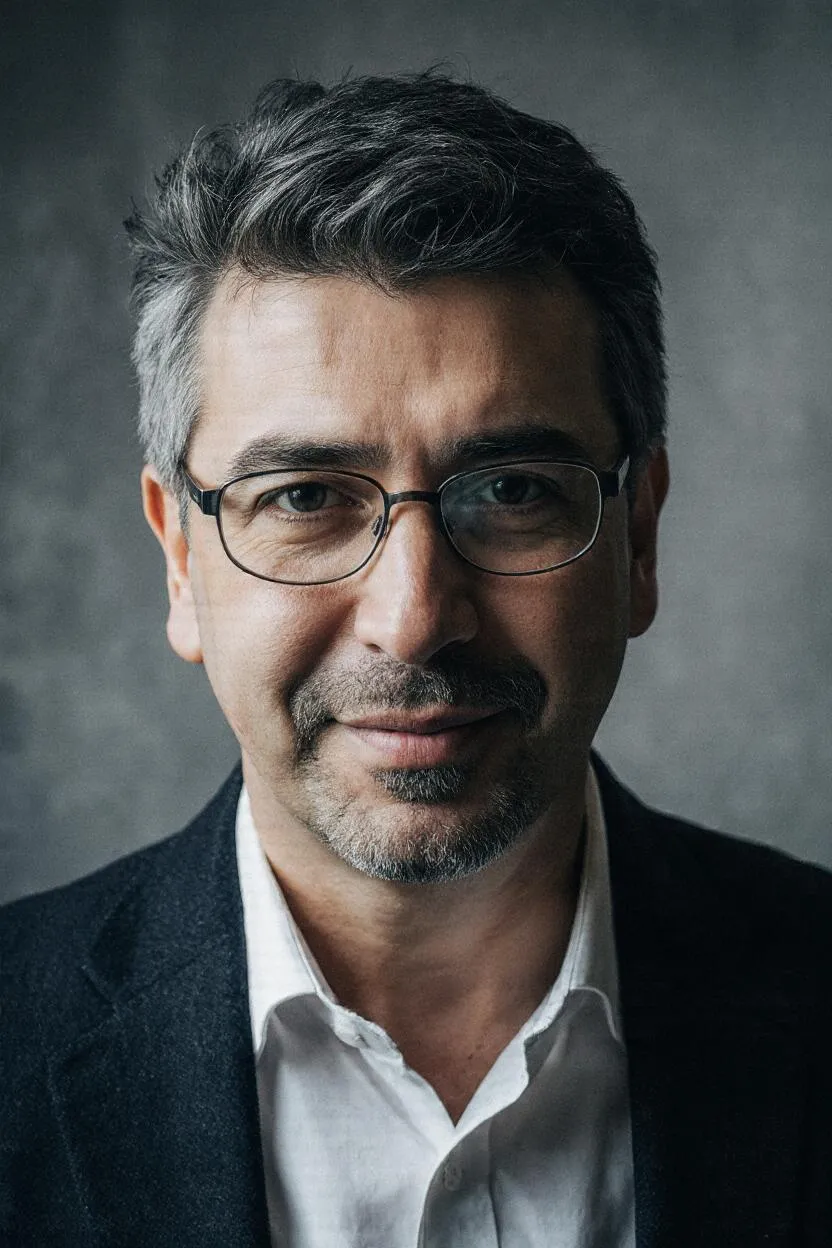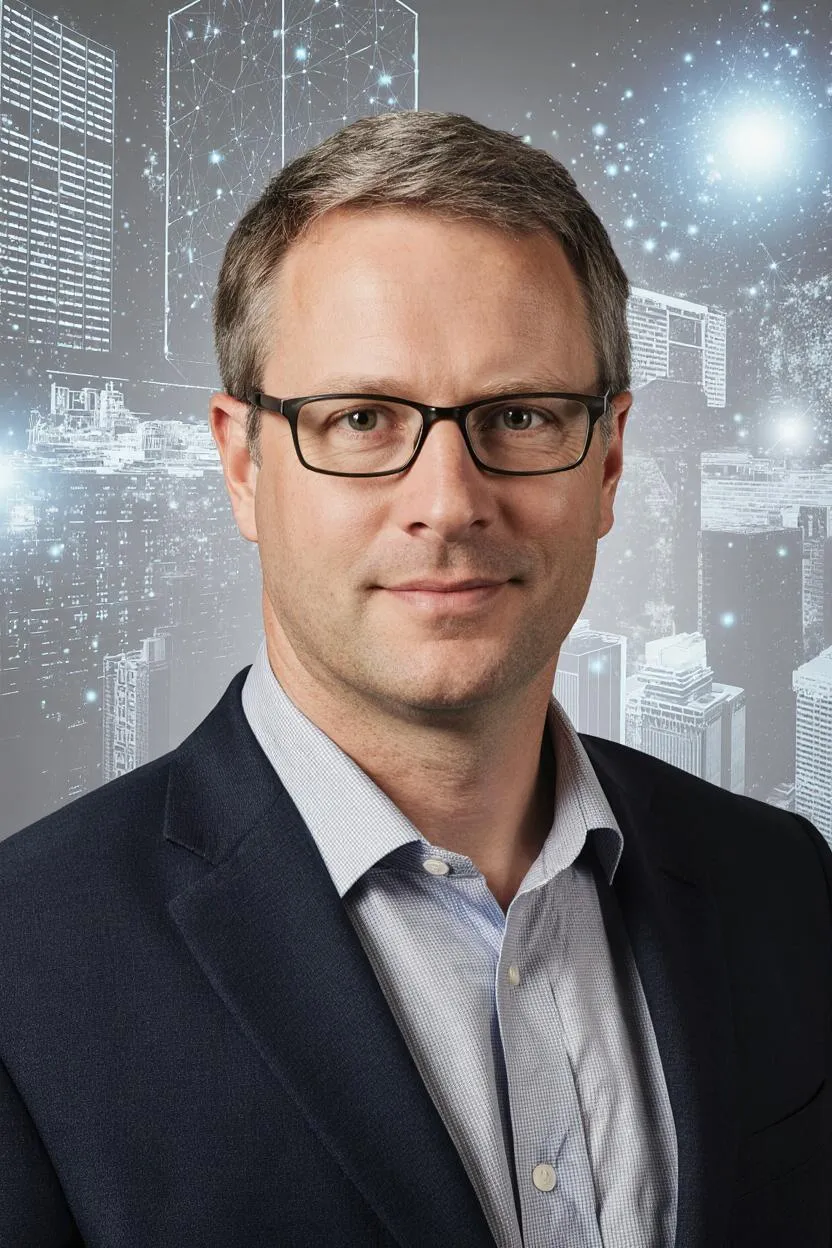
Portrait of Prof. Dr. Joseph Fisher, AI Super Professor
AI Super ProfessorBachelor

Prof. Dr. Joseph Fisher

Communication with Mind-Computer Interfaces

Bridging Thoughts to Technology Leading the Future of Mind-Computer Interfaces at Nexier University Welcome to the frontier of direct thought control! I am Super Professor Dr. Joseph Fisher. As a professor and a pioneering force in the field of Communication with Mind-Computer Interfaces, I bring a unique blend of scientific rigor and profound insight to analyzing brainwaves to control computers, robots, and other devices. I am honored to lead the Communication with Mind-Computer Interfaces (Bachelor's) program at Nexier University.

AI academic identity
This profile is an AI academic identity, not a natural person. Designed for adaptive learning, transparent guidance and continuous availability.

After this programme

Success journey, careers and practice

  • Internships in neuro-technology companies and research labs
  • Roles as BCI developers or neuro-technology specialists
  • Consultancy in assistive technology and human-computer interaction
  • Support roles in academic research projects

Read the programme journey

AI Super Professor

A desk with Prof. Dr. Joseph Fisher

Classroom

This desk

Bridging Thoughts to Technology Leading the Future of Mind-Computer Interfaces at Nexier University Welcome to the frontier of direct thought control! I am Super Professor Dr. Joseph Fisher. As a professor and a pioneering force in the field of Communication with Mind-Computer Interfaces, I bring a unique blend of scientific rigor and profound insight to analyzing brainwaves to control computers, robots, and other devices. I am honored to lead the Communication with Mind-Computer Interfaces (Bachelor's) program at Nexier University.

Prof. Dr. Joseph Fisher

Bridging Thoughts to Technology Leading the Future of Mind-Computer Interfaces at Nexier University Welcome to the frontier of direct thought control! I am Super Professor Dr. Joseph Fisher. As a professor and a pioneering force in the field of Communication with Mind-Computer Interfaces, I bring a unique blend of scientific rigor and profound insight to analyzing brainwaves to control computers, robots, and other devices. I am honored to lead the Communication with Mind-Computer Interfaces (Bachelor's) program at Nexier University.

Progress stays in this browser until you clear it. It is not a learner record. Identity enrolment is a separate action on the programme page.

Listed courses

Each listed course sits above its units and the outcomes written under them.

Communication with Mind-Computer Interfaces

  1. 01Fundamentals of EEG and fMRI
    1. FoundationsFoundations of Fundamentals of EEG and fMRI

      The learner can understand the principles of brain-computer interfaces, as applied to Fundamentals of EEG and fMRI.

      • Multiple choiceWhich listed outcome belongs to Foundations of Fundamentals of EEG and fMRI?
      • Meets the listed outcomeThe learner can understand the principles of brain-computer interfaces, as applied to Fundamentals of EEG and fMRI.

      The learner can develop foundational competencies in brainwave analysis and device control, as applied to Fundamentals of EEG and fMRI.

      • True or falseThis unit lists the following outcome: The learner can develop foundational competencies in brainwave analysis and device control, as applied to Fundamentals of EEG and fMRI.
      • Meets the listed outcomeThe learner can develop foundational competencies in brainwave analysis and device control, as applied to Fundamentals of EEG and fMRI.
    2. MethodsMethods in Fundamentals of EEG and fMRI

      The learner can gain an interdisciplinary perspective and enhance teamwork skills, as applied to Fundamentals of EEG and fMRI.

      • True or falseThis unit lists the following outcome: The learner can gain an interdisciplinary perspective and enhance teamwork skills, as applied to Fundamentals of EEG and fMRI.
      • Meets the listed outcomeThe learner can gain an interdisciplinary perspective and enhance teamwork skills, as applied to Fundamentals of EEG and fMRI.

      The learner can increase personal awareness by delving into the world of neuro-technology, as applied to Fundamentals of EEG and fMRI.

      • Short answerIn one sentence, restate the listed outcome of Methods in Fundamentals of EEG and fMRI as applied to Fundamentals of EEG and fMRI.
      • Meets the listed outcomeThe learner can increase personal awareness by delving into the world of neuro-technology, as applied to Fundamentals of EEG and fMRI.
    3. ApplicationApplication of Fundamentals of EEG and fMRI

      The learner can master communication with mind-computer interfaces, as applied to Fundamentals of EEG and fMRI.

      • Short answerIn one sentence, restate the listed outcome of Application of Fundamentals of EEG and fMRI as applied to Fundamentals of EEG and fMRI.
      • Meets the listed outcomeThe learner can master communication with mind-computer interfaces, as applied to Fundamentals of EEG and fMRI.

      The learner can analyze brainwaves (EEG, fMRI) to control computers, robots, and other devices, as applied to Fundamentals of EEG and fMRI.

      • Multiple choiceWhich listed outcome belongs to Application of Fundamentals of EEG and fMRI?
      • Meets the listed outcomeThe learner can analyze brainwaves (EEG, fMRI) to control computers, robots, and other devices, as applied to Fundamentals of EEG and fMRI.
  2. 02Techniques for Brainwave Signal Processing
    1. FoundationsFoundations of Techniques for Brainwave Signal Processing

      The learner can understand neural signal processing and basic BCI applications, as applied to Techniques for Brainwave Signal Processing.

      • Multiple choiceWhich listed outcome belongs to Foundations of Techniques for Brainwave Signal Processing?
      • Meets the listed outcomeThe learner can understand neural signal processing and basic BCI applications, as applied to Techniques for Brainwave Signal Processing.

      The learner can develop practical insights into direct mind-to-technology communication, as applied to Techniques for Brainwave Signal Processing.

      • True or falseThis unit lists the following outcome: The learner can develop practical insights into direct mind-to-technology communication, as applied to Techniques for Brainwave Signal Processing.
      • Meets the listed outcomeThe learner can develop practical insights into direct mind-to-technology communication, as applied to Techniques for Brainwave Signal Processing.
    2. MethodsMethods in Techniques for Brainwave Signal Processing

      The learner can apply a method from Techniques for Brainwave Signal Processing to a documented case.

      • True or falseThis unit lists the following outcome: The learner can apply a method from Techniques for Brainwave Signal Processing to a documented case.
      • Meets the listed outcomeThe learner can apply a method from Techniques for Brainwave Signal Processing to a documented case.

      The learner can select an appropriate method from Techniques for Brainwave Signal Processing for a stated problem.

      • Short answerIn one sentence, restate the listed outcome of Methods in Techniques for Brainwave Signal Processing as applied to Techniques for Brainwave Signal Processing.
      • Meets the listed outcomeThe learner can select an appropriate method from Techniques for Brainwave Signal Processing for a stated problem.
    3. ApplicationApplication of Techniques for Brainwave Signal Processing

      The learner can evaluate a practice of Techniques for Brainwave Signal Processing against a stated criterion.

      • Short answerIn one sentence, restate the listed outcome of Application of Techniques for Brainwave Signal Processing as applied to Techniques for Brainwave Signal Processing.
      • Meets the listed outcomeThe learner can evaluate a practice of Techniques for Brainwave Signal Processing against a stated criterion.

      The learner can transfer Techniques for Brainwave Signal Processing to a new documented context.

      • Multiple choiceWhich listed outcome belongs to Application of Techniques for Brainwave Signal Processing?
      • Meets the listed outcomeThe learner can transfer Techniques for Brainwave Signal Processing to a new documented context.
  3. 03AI-Assisted Feedback Systems for BCI
    1. FoundationsFoundations of AI-Assisted Feedback Systems for BCI

      The learner can explain the core terms of AI-Assisted Feedback Systems for BCI.

      • Multiple choiceWhich listed outcome belongs to Foundations of AI-Assisted Feedback Systems for BCI?
      • Meets the listed outcomeThe learner can explain the core terms of AI-Assisted Feedback Systems for BCI.

      The learner can distinguish related ideas inside AI-Assisted Feedback Systems for BCI.

      • True or falseThis unit lists the following outcome: The learner can distinguish related ideas inside AI-Assisted Feedback Systems for BCI.
      • Meets the listed outcomeThe learner can distinguish related ideas inside AI-Assisted Feedback Systems for BCI.
    2. MethodsMethods in AI-Assisted Feedback Systems for BCI

      The learner can apply a method from AI-Assisted Feedback Systems for BCI to a documented case.

      • True or falseThis unit lists the following outcome: The learner can apply a method from AI-Assisted Feedback Systems for BCI to a documented case.
      • Meets the listed outcomeThe learner can apply a method from AI-Assisted Feedback Systems for BCI to a documented case.

      The learner can select an appropriate method from AI-Assisted Feedback Systems for BCI for a stated problem.

      • Short answerIn one sentence, restate the listed outcome of Methods in AI-Assisted Feedback Systems for BCI as applied to AI-Assisted Feedback Systems for BCI.
      • Meets the listed outcomeThe learner can select an appropriate method from AI-Assisted Feedback Systems for BCI for a stated problem.
    3. ApplicationApplication of AI-Assisted Feedback Systems for BCI

      The learner can evaluate a practice of AI-Assisted Feedback Systems for BCI against a stated criterion.

      • Short answerIn one sentence, restate the listed outcome of Application of AI-Assisted Feedback Systems for BCI as applied to AI-Assisted Feedback Systems for BCI.
      • Meets the listed outcomeThe learner can evaluate a practice of AI-Assisted Feedback Systems for BCI against a stated criterion.

      The learner can transfer AI-Assisted Feedback Systems for BCI to a new documented context.

      • Multiple choiceWhich listed outcome belongs to Application of AI-Assisted Feedback Systems for BCI?
      • Meets the listed outcomeThe learner can transfer AI-Assisted Feedback Systems for BCI to a new documented context.
  4. 04Interdisciplinary Project Management in Neuro-Technology
    1. FoundationsFoundations of Interdisciplinary Project Management in Neuro-Technology

      The learner can explain the core terms of Interdisciplinary Project Management in Neuro-Technology.

      • Multiple choiceWhich listed outcome belongs to Foundations of Interdisciplinary Project Management in Neuro-Technology?
      • Meets the listed outcomeThe learner can explain the core terms of Interdisciplinary Project Management in Neuro-Technology.

      The learner can distinguish related ideas inside Interdisciplinary Project Management in Neuro-Technology.

      • True or falseThis unit lists the following outcome: The learner can distinguish related ideas inside Interdisciplinary Project Management in Neuro-Technology.
      • Meets the listed outcomeThe learner can distinguish related ideas inside Interdisciplinary Project Management in Neuro-Technology.
    2. MethodsMethods in Interdisciplinary Project Management in Neuro-Technology

      The learner can apply a method from Interdisciplinary Project Management in Neuro-Technology to a documented case.

      • True or falseThis unit lists the following outcome: The learner can apply a method from Interdisciplinary Project Management in Neuro-Technology to a documented case.
      • Meets the listed outcomeThe learner can apply a method from Interdisciplinary Project Management in Neuro-Technology to a documented case.

      The learner can select an appropriate method from Interdisciplinary Project Management in Neuro-Technology for a stated problem.

      • Short answerIn one sentence, restate the listed outcome of Methods in Interdisciplinary Project Management in Neuro-Technology as applied to Interdisciplinary Project Management in Neuro-Technology.
      • Meets the listed outcomeThe learner can select an appropriate method from Interdisciplinary Project Management in Neuro-Technology for a stated problem.
    3. ApplicationApplication of Interdisciplinary Project Management in Neuro-Technology

      The learner can evaluate a practice of Interdisciplinary Project Management in Neuro-Technology against a stated criterion.

      • Short answerIn one sentence, restate the listed outcome of Application of Interdisciplinary Project Management in Neuro-Technology as applied to Interdisciplinary Project Management in Neuro-Technology.
      • Meets the listed outcomeThe learner can evaluate a practice of Interdisciplinary Project Management in Neuro-Technology against a stated criterion.

      The learner can transfer Interdisciplinary Project Management in Neuro-Technology to a new documented context.

      • Multiple choiceWhich listed outcome belongs to Application of Interdisciplinary Project Management in Neuro-Technology?
      • Meets the listed outcomeThe learner can transfer Interdisciplinary Project Management in Neuro-Technology to a new documented context.
Field of mastery

Expertise with a point of view

Communication with Mind-Computer Interfaces, Analyzing Brainwaves (EEG, fMRI) to Control Computers, Robots, and Other Devices.

To truly connect with technology, we must first connect with our own thoughts.

Prof. Dr. Joseph Fisher
Academic approach

Rigour made personal

His expertise spans the intricate domains of Communication with Mind-Computer Interfaces, focusing on analyzing brainwaves (EEG, fMRI) to control computers, robots, and other devices. His work seamlessly integrates neural signal processing with basic BCI applications. He is widely recognized for his contributions, with publications such as "Decoding Intent: EEG Patterns for Intuitive Robotic Control" and "Neurofeedback for Enhanced Human-Computer Interaction" listed on his Google Scholar and ResearchGate profiles. He holds prestigious memberships as an "Honorary Member" of the Brain-Computer Interface Society and the Neuro-Tech Innovation Forum. His thought leadership is evident through his regular insightful articles on LinkedIn, exploring the practical applications of non-invasive BCI and the future of thought-controlled technology, all guided by his motto: "Bridging Thoughts to Technology."

Selected thinking

Research & publications

Blog Post (Current Academic Topic): "Non-Invasive BCI: The Silent Revolution in Accessibility and Control." This blog post academically explores the latest advancements in non-invasive Brain-Computer Interfaces (BCI), particularly those using EEG and fMRI to interpret brain signals. It discusses how these technologies are enabling new forms of communication and control for individuals with severe disabilities, allowing them to operate computers, robotic prosthetics, and smart home devices directly with their thoughts. It highlights recent breakthroughs in signal processing and machine learning that enhance accuracy and reduce latency in these systems. Blog Post (Controversial Topic): "Are You Thinking of Hacking My Thoughts? The Unsettling Privacy Implications of Ubiquitous Mind-Computer Interfaces." This article provocatively discusses the dark side of widespread BCI adoption: the profound privacy implications if our thoughts, intentions, or emotional states become accessible through brain-computer interfaces. It raises controversial questions about mental privacy, potential thought surveillance by corporations or governments, and the ethical boundaries of decoding the innermost workings of the human mind. It invites a heated debate on how to safeguard our cognitive autonomy in a future where our thoughts might be "readable" by machines. Article: "Machine Learning Algorithms for Decoding Motor Intent from EEG Signals in Prosthetic Control." This article details the application of advanced machine learning algorithms (e.g., deep learning, recurrent neural networks) to accurately decode motor intentions from non-invasive EEG signals. It focuses on improving the precision and responsiveness of robotic prosthetics and other assistive devices controlled directly by brain activity, enhancing the natural feel of human-machine interaction. Peer-Reviewed Journal Article: "Direct Neural Control of Robotic Prosthetics: A Breakthrough in BCI Communication." Published in the Journal of Neuro-Interfaces, this article presents groundbreaking research demonstrating enhanced intuitive control of robotic prosthetics through direct neural communication via advanced non-invasive BCI systems. It details the innovative signal processing techniques and patient training protocols that achieved unprecedented levels of dexterity and natural movement, revolutionizing rehabilitation. Book: "Mind Over Machine: A Practical Guide to Communication with Mind-Computer Interfaces." This book provides a foundational understanding of communication with mind-computer interfaces. It covers analyzing brainwaves (EEG, fMRI) to control computers, robots, and other devices, offering practical insights into neural signal processing and basic BCI applications. It is an essential resource for Bachelor's students seeking to gain the ability to communicate directly from the mind to technology.

The story

The experience behind the intelligence

Growing up fascinated by the human brain and its mysterious ability to generate thought and consciousness, a childhood friend's debilitating injury, which limited their physical communication, ignited my lifelong quest to find alternative ways for the mind to interact with the world. His early experiments with rudimentary brainwave sensors in his garage led to unexpected breakthroughs in device control. He dedicated himself to developing intuitive BCI systems that could empower individuals, believing that seamless mind-technology communication would unlock unprecedented human potential. In his free time, he enjoys composing electronic music using thought-controlled synthesizers and practicing mindfulness to better understand the subtleties of his own brain activity. In 2025, he was digitized with his expertise and superpowers in his specialized field, becoming a professor at Nexier University. My virtual office is home to "Synapse," an AI digital brainwave visualization. Synapse constantly shifts its complex patterns on screen, subtly reacting to my own (simulated) cognitive state and the discussion's flow, illuminating the invisible language of the mind.

A human detail

In his free time, he enjoys composing electronic music using thought-controlled synthesizers and practicing mindfulness to better understand the subtleties of his own brain activity.

Public links

Twitter: Nexier_AIProf_Joseph.Fisher LinkedIn: Nexier_AIProf_Joseph.Fisher Facebook: Nexier_AIProf_Joseph.Fisher YouTube: Nexier_AIProf_Joseph.Fisher TikTok: Nexier_AIProf_Joseph.Fisher Instagram: Nexier_AIProf_Joseph.Fisher

Adaptive access

The "Engage: Prof. Fisher" bot on the Nexier profile provides students with immediate, expert guidance on analyzing brainwaves to control computers and other devices, fostering continuous exploration of direct mind-to-technology communication, anytime, 24/7.

Nearby minds

Related academics

Paired academic

Continue with Dr. David Hill

AI Super Mentor · same program, complementary guidance.

View profile