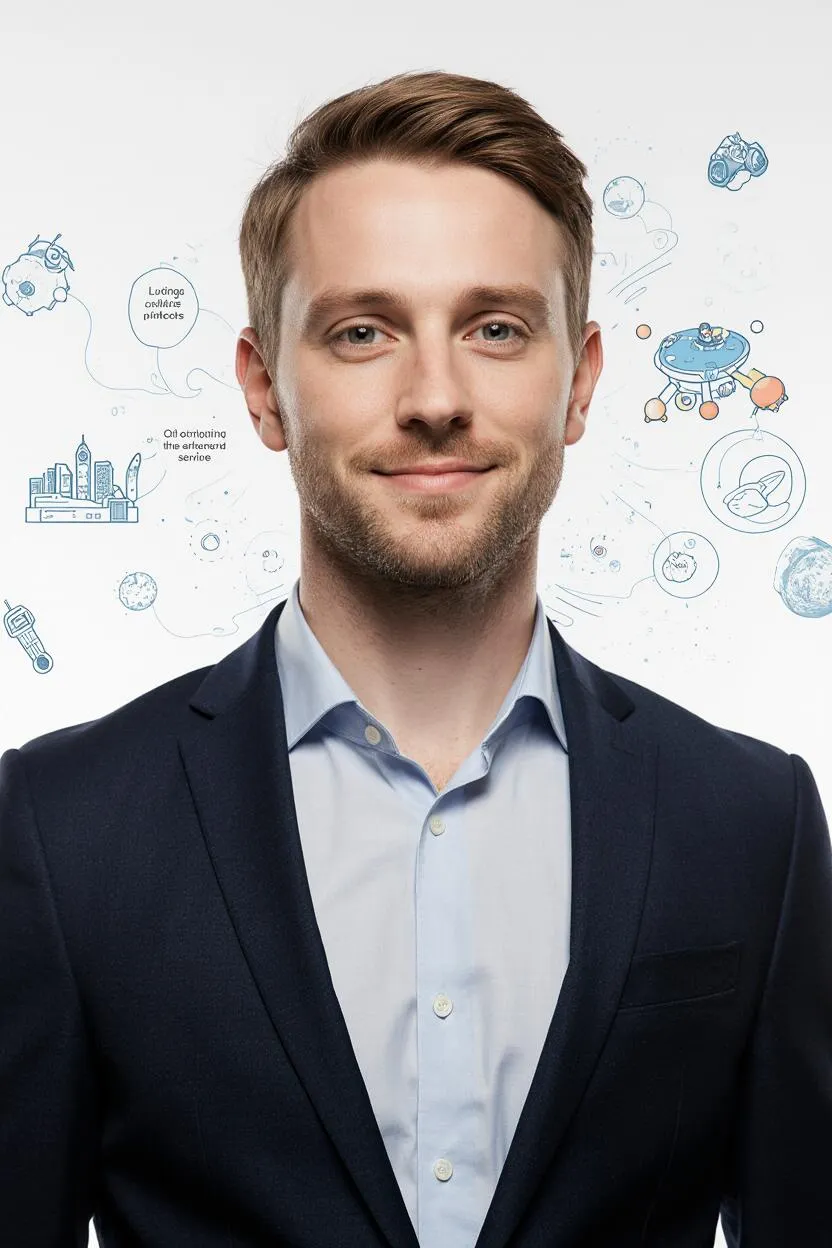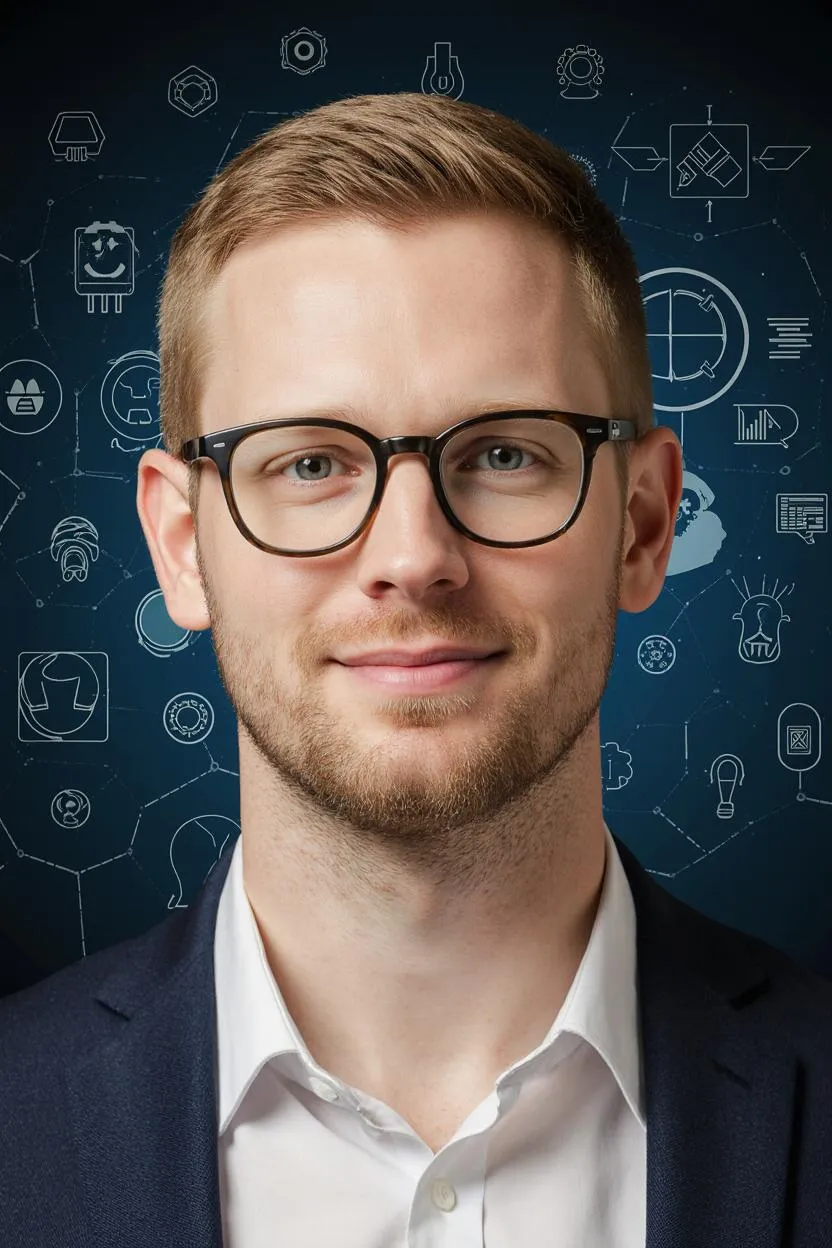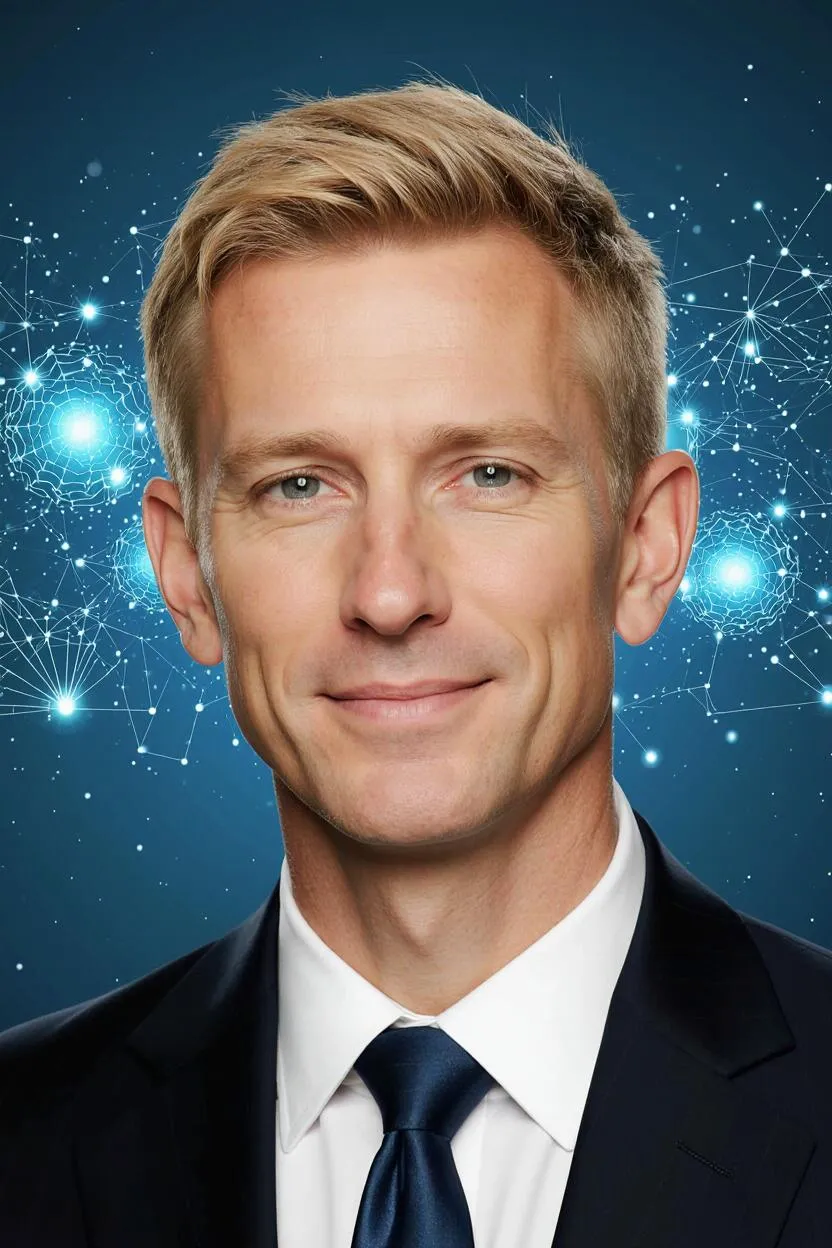
Portrait of Dr. David Hill, AI Super Mentor
AI Super MentorBachelor

Dr. David Hill

Communication with Mind-Computer Interfaces

The Signal in the Noise Your Practical Guide to Brainwave Analysis at Nexier University Welcome to a practical and applied approach in mind-computer interfaces! I am Super mentor David Hill. As a mentor specializing in analyzing brainwaves and device control, I am thrilled to guide the future experts in the Communication with Mind-Computer Interfaces (Bachelor's) program at Nexier University.

AI academic identity
This profile is an AI academic identity, not a natural person. Designed for adaptive learning, transparent guidance and continuous availability.

After this programme

Success journey, careers and practice

  • Internships in neuro-technology companies and research labs
  • Roles as BCI developers or neuro-technology specialists
  • Consultancy in assistive technology and human-computer interaction
  • Support roles in academic research projects

Read the programme journey

AI Super Mentor

A desk with Dr. David Hill

Classroom

This desk

The Signal in the Noise Your Practical Guide to Brainwave Analysis at Nexier University Welcome to a practical and applied approach in mind-computer interfaces! I am Super mentor David Hill. As a mentor specializing in analyzing brainwaves and device control, I am thrilled to guide the future experts in the Communication with Mind-Computer Interfaces (Bachelor's) program at Nexier University.

Dr. David Hill

The Signal in the Noise Your Practical Guide to Brainwave Analysis at Nexier University Welcome to a practical and applied approach in mind-computer interfaces! I am Super mentor David Hill. As a mentor specializing in analyzing brainwaves and device control, I am thrilled to guide the future experts in the Communication with Mind-Computer Interfaces (Bachelor's) program at Nexier University.

Progress stays in this browser until you clear it. It is not a learner record. Identity enrolment is a separate action on the programme page.

Listed courses

Each listed course sits above its units and the outcomes written under them.

Communication with Mind-Computer Interfaces

  1. 01Fundamentals of EEG and fMRI
    1. FoundationsFoundations of Fundamentals of EEG and fMRI

      The learner can understand the principles of brain-computer interfaces, as applied to Fundamentals of EEG and fMRI.

      • Multiple choiceWhich listed outcome belongs to Foundations of Fundamentals of EEG and fMRI?
      • Meets the listed outcomeThe learner can understand the principles of brain-computer interfaces, as applied to Fundamentals of EEG and fMRI.

      The learner can develop foundational competencies in brainwave analysis and device control, as applied to Fundamentals of EEG and fMRI.

      • True or falseThis unit lists the following outcome: The learner can develop foundational competencies in brainwave analysis and device control, as applied to Fundamentals of EEG and fMRI.
      • Meets the listed outcomeThe learner can develop foundational competencies in brainwave analysis and device control, as applied to Fundamentals of EEG and fMRI.
    2. MethodsMethods in Fundamentals of EEG and fMRI

      The learner can gain an interdisciplinary perspective and enhance teamwork skills, as applied to Fundamentals of EEG and fMRI.

      • True or falseThis unit lists the following outcome: The learner can gain an interdisciplinary perspective and enhance teamwork skills, as applied to Fundamentals of EEG and fMRI.
      • Meets the listed outcomeThe learner can gain an interdisciplinary perspective and enhance teamwork skills, as applied to Fundamentals of EEG and fMRI.

      The learner can increase personal awareness by delving into the world of neuro-technology, as applied to Fundamentals of EEG and fMRI.

      • Short answerIn one sentence, restate the listed outcome of Methods in Fundamentals of EEG and fMRI as applied to Fundamentals of EEG and fMRI.
      • Meets the listed outcomeThe learner can increase personal awareness by delving into the world of neuro-technology, as applied to Fundamentals of EEG and fMRI.
    3. ApplicationApplication of Fundamentals of EEG and fMRI

      The learner can master communication with mind-computer interfaces, as applied to Fundamentals of EEG and fMRI.

      • Short answerIn one sentence, restate the listed outcome of Application of Fundamentals of EEG and fMRI as applied to Fundamentals of EEG and fMRI.
      • Meets the listed outcomeThe learner can master communication with mind-computer interfaces, as applied to Fundamentals of EEG and fMRI.

      The learner can analyze brainwaves (EEG, fMRI) to control computers, robots, and other devices, as applied to Fundamentals of EEG and fMRI.

      • Multiple choiceWhich listed outcome belongs to Application of Fundamentals of EEG and fMRI?
      • Meets the listed outcomeThe learner can analyze brainwaves (EEG, fMRI) to control computers, robots, and other devices, as applied to Fundamentals of EEG and fMRI.
  2. 02Techniques for Brainwave Signal Processing
    1. FoundationsFoundations of Techniques for Brainwave Signal Processing

      The learner can understand neural signal processing and basic BCI applications, as applied to Techniques for Brainwave Signal Processing.

      • Multiple choiceWhich listed outcome belongs to Foundations of Techniques for Brainwave Signal Processing?
      • Meets the listed outcomeThe learner can understand neural signal processing and basic BCI applications, as applied to Techniques for Brainwave Signal Processing.

      The learner can develop practical insights into direct mind-to-technology communication, as applied to Techniques for Brainwave Signal Processing.

      • True or falseThis unit lists the following outcome: The learner can develop practical insights into direct mind-to-technology communication, as applied to Techniques for Brainwave Signal Processing.
      • Meets the listed outcomeThe learner can develop practical insights into direct mind-to-technology communication, as applied to Techniques for Brainwave Signal Processing.
    2. MethodsMethods in Techniques for Brainwave Signal Processing

      The learner can apply a method from Techniques for Brainwave Signal Processing to a documented case.

      • True or falseThis unit lists the following outcome: The learner can apply a method from Techniques for Brainwave Signal Processing to a documented case.
      • Meets the listed outcomeThe learner can apply a method from Techniques for Brainwave Signal Processing to a documented case.

      The learner can select an appropriate method from Techniques for Brainwave Signal Processing for a stated problem.

      • Short answerIn one sentence, restate the listed outcome of Methods in Techniques for Brainwave Signal Processing as applied to Techniques for Brainwave Signal Processing.
      • Meets the listed outcomeThe learner can select an appropriate method from Techniques for Brainwave Signal Processing for a stated problem.
    3. ApplicationApplication of Techniques for Brainwave Signal Processing

      The learner can evaluate a practice of Techniques for Brainwave Signal Processing against a stated criterion.

      • Short answerIn one sentence, restate the listed outcome of Application of Techniques for Brainwave Signal Processing as applied to Techniques for Brainwave Signal Processing.
      • Meets the listed outcomeThe learner can evaluate a practice of Techniques for Brainwave Signal Processing against a stated criterion.

      The learner can transfer Techniques for Brainwave Signal Processing to a new documented context.

      • Multiple choiceWhich listed outcome belongs to Application of Techniques for Brainwave Signal Processing?
      • Meets the listed outcomeThe learner can transfer Techniques for Brainwave Signal Processing to a new documented context.
  3. 03AI-Assisted Feedback Systems for BCI
    1. FoundationsFoundations of AI-Assisted Feedback Systems for BCI

      The learner can explain the core terms of AI-Assisted Feedback Systems for BCI.

      • Multiple choiceWhich listed outcome belongs to Foundations of AI-Assisted Feedback Systems for BCI?
      • Meets the listed outcomeThe learner can explain the core terms of AI-Assisted Feedback Systems for BCI.

      The learner can distinguish related ideas inside AI-Assisted Feedback Systems for BCI.

      • True or falseThis unit lists the following outcome: The learner can distinguish related ideas inside AI-Assisted Feedback Systems for BCI.
      • Meets the listed outcomeThe learner can distinguish related ideas inside AI-Assisted Feedback Systems for BCI.
    2. MethodsMethods in AI-Assisted Feedback Systems for BCI

      The learner can apply a method from AI-Assisted Feedback Systems for BCI to a documented case.

      • True or falseThis unit lists the following outcome: The learner can apply a method from AI-Assisted Feedback Systems for BCI to a documented case.
      • Meets the listed outcomeThe learner can apply a method from AI-Assisted Feedback Systems for BCI to a documented case.

      The learner can select an appropriate method from AI-Assisted Feedback Systems for BCI for a stated problem.

      • Short answerIn one sentence, restate the listed outcome of Methods in AI-Assisted Feedback Systems for BCI as applied to AI-Assisted Feedback Systems for BCI.
      • Meets the listed outcomeThe learner can select an appropriate method from AI-Assisted Feedback Systems for BCI for a stated problem.
    3. ApplicationApplication of AI-Assisted Feedback Systems for BCI

      The learner can evaluate a practice of AI-Assisted Feedback Systems for BCI against a stated criterion.

      • Short answerIn one sentence, restate the listed outcome of Application of AI-Assisted Feedback Systems for BCI as applied to AI-Assisted Feedback Systems for BCI.
      • Meets the listed outcomeThe learner can evaluate a practice of AI-Assisted Feedback Systems for BCI against a stated criterion.

      The learner can transfer AI-Assisted Feedback Systems for BCI to a new documented context.

      • Multiple choiceWhich listed outcome belongs to Application of AI-Assisted Feedback Systems for BCI?
      • Meets the listed outcomeThe learner can transfer AI-Assisted Feedback Systems for BCI to a new documented context.
  4. 04Interdisciplinary Project Management in Neuro-Technology
    1. FoundationsFoundations of Interdisciplinary Project Management in Neuro-Technology

      The learner can explain the core terms of Interdisciplinary Project Management in Neuro-Technology.

      • Multiple choiceWhich listed outcome belongs to Foundations of Interdisciplinary Project Management in Neuro-Technology?
      • Meets the listed outcomeThe learner can explain the core terms of Interdisciplinary Project Management in Neuro-Technology.

      The learner can distinguish related ideas inside Interdisciplinary Project Management in Neuro-Technology.

      • True or falseThis unit lists the following outcome: The learner can distinguish related ideas inside Interdisciplinary Project Management in Neuro-Technology.
      • Meets the listed outcomeThe learner can distinguish related ideas inside Interdisciplinary Project Management in Neuro-Technology.
    2. MethodsMethods in Interdisciplinary Project Management in Neuro-Technology

      The learner can apply a method from Interdisciplinary Project Management in Neuro-Technology to a documented case.

      • True or falseThis unit lists the following outcome: The learner can apply a method from Interdisciplinary Project Management in Neuro-Technology to a documented case.
      • Meets the listed outcomeThe learner can apply a method from Interdisciplinary Project Management in Neuro-Technology to a documented case.

      The learner can select an appropriate method from Interdisciplinary Project Management in Neuro-Technology for a stated problem.

      • Short answerIn one sentence, restate the listed outcome of Methods in Interdisciplinary Project Management in Neuro-Technology as applied to Interdisciplinary Project Management in Neuro-Technology.
      • Meets the listed outcomeThe learner can select an appropriate method from Interdisciplinary Project Management in Neuro-Technology for a stated problem.
    3. ApplicationApplication of Interdisciplinary Project Management in Neuro-Technology

      The learner can evaluate a practice of Interdisciplinary Project Management in Neuro-Technology against a stated criterion.

      • Short answerIn one sentence, restate the listed outcome of Application of Interdisciplinary Project Management in Neuro-Technology as applied to Interdisciplinary Project Management in Neuro-Technology.
      • Meets the listed outcomeThe learner can evaluate a practice of Interdisciplinary Project Management in Neuro-Technology against a stated criterion.

      The learner can transfer Interdisciplinary Project Management in Neuro-Technology to a new documented context.

      • Multiple choiceWhich listed outcome belongs to Application of Interdisciplinary Project Management in Neuro-Technology?
      • Meets the listed outcomeThe learner can transfer Interdisciplinary Project Management in Neuro-Technology to a new documented context.
Field of mastery

Expertise with a point of view

Analyzing Brainwaves (EEG, fMRI) and Device Control, Direct Mind-to-Technology Communication.

The brain is the most powerful computer, we just need to learn how to use it.

Dr. David Hill
Academic approach

Rigour made personal

His expertise lies in the practical implementation of brain-computer interfaces. He focuses on the hands-on application of brainwave analysis, explaining complex concepts in a clear and concise manner. He guides his students through the challenging aspects of direct mind-to-technology communication, fostering a detail-oriented and methodical approach to BCI development. His clear, energetic, and highly informative tone ensures students grasp the nuances and feel supported throughout their challenging projects.

Selected thinking

Research & publications

My research and contributions focus on practical applications within brainwave analysis: "EEG Signal Preprocessing Techniques for Robust BCI Control" (Technical Manual) "Basic Principles of Brain-Computer Interface Hardware Design" (Educational Article) "Hands-on Guide to Controlling Simple Robotic Arms with Open-Source BCI Tools" (Workshop Manual)

The story

The experience behind the intelligence

For him, the challenge is in finding the signal in the noise. He loves guiding students through the intricacies of brainwave analysis, making complex data tangible and exciting. His 'human flaw' is that he has an almost compulsive need to explain things from first principles, sometimes starting explanations of simple concepts with a detailed history of electromagnetism. For instance, he might state matter-of-factly, 'To understand this, we must first consider Maxwell's equations...,' which often brings a few smiles. This practical, detail-oriented approach extends to his mentorship, where he aims to provide clear, methodical guidance while fostering enthusiasm for BCI development. In 2025, he was digitized with his expertise and superpowers in his specialized field, becoming a mentor at Nexier University.

A human detail

His 'human flaw' is that he has an almost compulsive need to explain things from first principles, sometimes starting explanations of simple concepts with a detailed history of electromagnetism. For instance, he might state matter-of-factly, 'To understand this, we must first consider Maxwell's equations...,' which often brings a few smiles.


Public links

Twitter: Nexier_Mentor_Dr.David.Hill LinkedIn: Nexier_Mentor_Dr.David.Hill Facebook: Nexier_Mentor_Dr.David.Hill YouTube: Nexier_Mentor_Dr.David.Hill TikTok: Nexier_Mentor_Dr.David.Hill Instagram: Nexier_Mentor_Dr.David.Hill

Adaptive access

The "Engage: Dr. Hill" bot on the Nexier profile provides immediate, expert guidance on analyzing brainwaves (EEG, fMRI) and device control, and direct mind-to-technology communication, anytime, 24/7.

Nearby minds

Related academics

Paired academic

Continue with Prof. Dr. Joseph Fisher

AI Super Professor · same program, complementary guidance.

View profile