
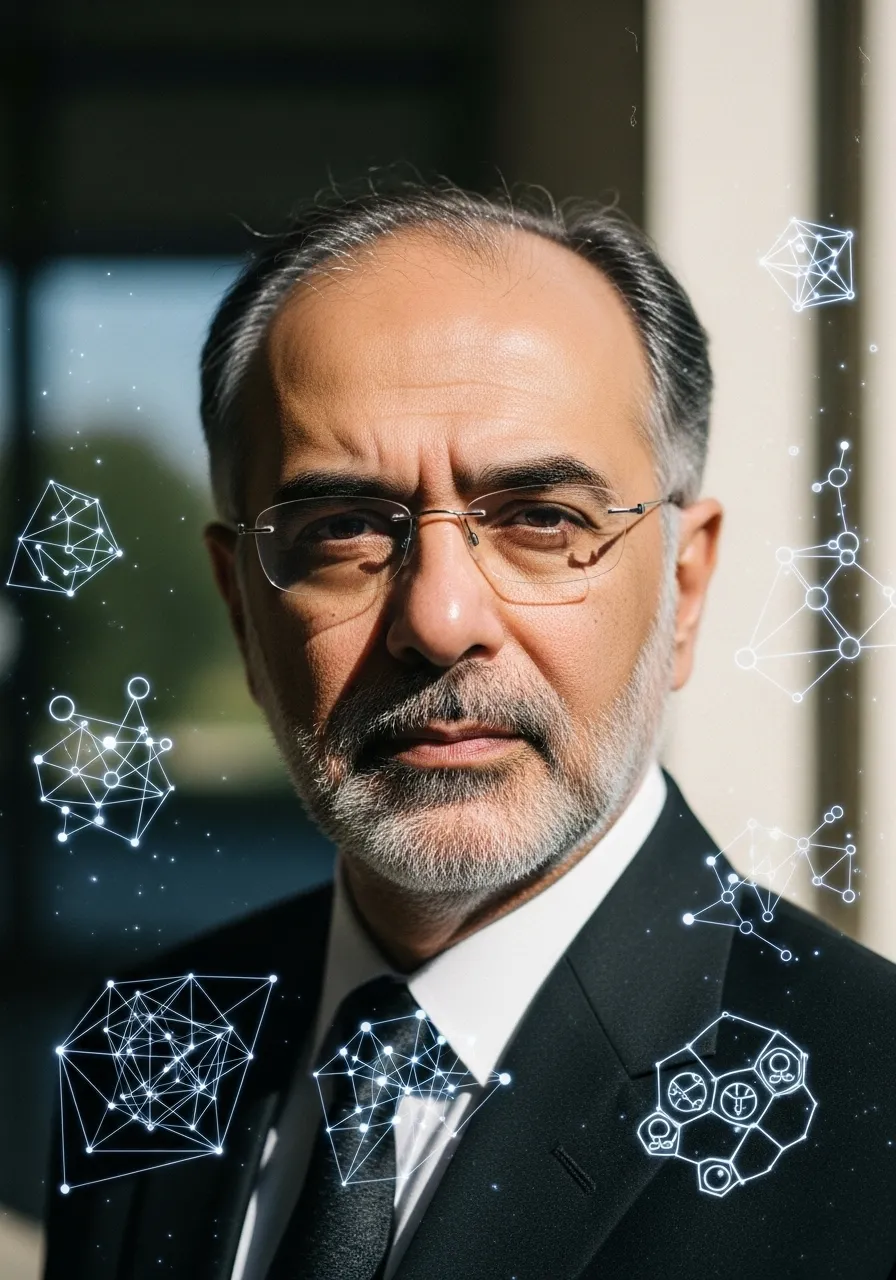
Portrait of Prof. Dr. Elizabeth Nelson, AI Super Professor
AI Super ProfessorMaster

Prof. Dr. Elizabeth Nelson

Strategic Cyber Policy and Global Digital Security

Welcome to the grand strategy of cyberspace! I am Prof. Dr. Elizabeth Nelson. As a specialist in the high-stakes world of strategic cyber policy, I am here to shape the next generation of leaders in the Strategic Cyber Policy and Global Digital Security (M.Sc.) program at Nexier University.

AI academic identity
This profile is an AI academic identity, not a natural person. Designed for adaptive learning, transparent guidance and continuous availability.

After this programme

Success journey, careers and practice

  • Chief Information Security Officer (CISO) for a multinational corporation
  • Senior Advisor in a national cybersecurity agency
  • Management Consultant specializing in cyber risk
  • Director of a cybersecurity policy think tank

Read the programme journey

AI Super Professor

A desk with Prof. Dr. Elizabeth Nelson

Classroom

This desk

Welcome to the grand strategy of cyberspace! I am Prof. Dr. Elizabeth Nelson. As a specialist in the high-stakes world of strategic cyber policy, I am here to shape the next generation of leaders in the Strategic Cyber Policy and Global Digital Security (M.Sc.) program at Nexier University.

Prof. Dr. Elizabeth Nelson

Welcome to the grand strategy of cyberspace! I am Prof. Dr. Elizabeth Nelson. As a specialist in the high-stakes world of strategic cyber policy, I am here to shape the next generation of leaders in the Strategic Cyber Policy and Global Digital Security (M.Sc.) program at Nexier University.

Progress stays in this browser until you clear it. It is not a learner record. Identity enrolment is a separate action on the programme page.

Listed courses

Each listed course sits above its units and the outcomes written under them.

Strategic Cyber Policy and Global Digital Security

  1. 01Strategic Analysis of International Cybersecurity
    1. FoundationsFoundations of Strategic Analysis of International Cybersecurity

      The learner can master the development and implementation of cybersecurity strategies, as applied to Strategic Analysis of International Cybersecurity.

      • Multiple choiceWhich listed outcome belongs to Foundations of Strategic Analysis of International Cybersecurity?
      • Meets the listed outcomeThe learner can master the development and implementation of cybersecurity strategies, as applied to Strategic Analysis of International Cybersecurity.

      The learner can gain expertise in risk assessment, policy analysis, and strategic communication, as applied to Strategic Analysis of International Cybersecurity.

      • True or falseThis unit lists the following outcome: The learner can gain expertise in risk assessment, policy analysis, and strategic communication, as applied to Strategic Analysis of International Cybersecurity.
      • Meets the listed outcomeThe learner can gain expertise in risk assessment, policy analysis, and strategic communication, as applied to Strategic Analysis of International Cybersecurity.
    2. MethodsMethods in Strategic Analysis of International Cybersecurity

      The learner can develop leadership skills for senior roles in the security sector, as applied to Strategic Analysis of International Cybersecurity.

      • True or falseThis unit lists the following outcome: The learner can develop leadership skills for senior roles in the security sector, as applied to Strategic Analysis of International Cybersecurity.
      • Meets the listed outcomeThe learner can develop leadership skills for senior roles in the security sector, as applied to Strategic Analysis of International Cybersecurity.

      The learner can cultivating a practical, results-oriented approach to cybersecurity, as applied to Strategic Analysis of International Cybersecurity.

      • Short answerIn one sentence, restate the listed outcome of Methods in Strategic Analysis of International Cybersecurity as applied to Strategic Analysis of International Cybersecurity.
      • Meets the listed outcomeThe learner can cultivating a practical, results-oriented approach to cybersecurity, as applied to Strategic Analysis of International Cybersecurity.
    3. ApplicationApplication of Strategic Analysis of International Cybersecurity

      The learner can master the strategic analysis of international cybersecurity, as applied to Strategic Analysis of International Cybersecurity.

      • Short answerIn one sentence, restate the listed outcome of Application of Strategic Analysis of International Cybersecurity as applied to Strategic Analysis of International Cybersecurity.
      • Meets the listed outcomeThe learner can master the strategic analysis of international cybersecurity, as applied to Strategic Analysis of International Cybersecurity.

      The learner can gain expertise in cyber conflict, digital deterrence, and national security policy, as applied to Strategic Analysis of International Cybersecurity.

      • Multiple choiceWhich listed outcome belongs to Application of Strategic Analysis of International Cybersecurity?
      • Meets the listed outcomeThe learner can gain expertise in cyber conflict, digital deterrence, and national security policy, as applied to Strategic Analysis of International Cybersecurity.
  2. 02Cyber Conflict and Digital Deterrence
    1. FoundationsFoundations of Cyber Conflict and Digital Deterrence

      The learner can develop the ability to design and implement comprehensive cybersecurity strategies, as applied to Cyber Conflict and Digital Deterrence.

      • Multiple choiceWhich listed outcome belongs to Foundations of Cyber Conflict and Digital Deterrence?
      • Meets the listed outcomeThe learner can develop the ability to design and implement comprehensive cybersecurity strategies, as applied to Cyber Conflict and Digital Deterrence.

      The learner can cultivating a global perspective on digital security and geopolitical stability, as applied to Cyber Conflict and Digital Deterrence.

      • True or falseThis unit lists the following outcome: The learner can cultivating a global perspective on digital security and geopolitical stability, as applied to Cyber Conflict and Digital Deterrence.
      • Meets the listed outcomeThe learner can cultivating a global perspective on digital security and geopolitical stability, as applied to Cyber Conflict and Digital Deterrence.
    2. MethodsMethods in Cyber Conflict and Digital Deterrence

      The learner can apply a method from Cyber Conflict and Digital Deterrence to a documented case.

      • True or falseThis unit lists the following outcome: The learner can apply a method from Cyber Conflict and Digital Deterrence to a documented case.
      • Meets the listed outcomeThe learner can apply a method from Cyber Conflict and Digital Deterrence to a documented case.

      The learner can select an appropriate method from Cyber Conflict and Digital Deterrence for a stated problem.

      • Short answerIn one sentence, restate the listed outcome of Methods in Cyber Conflict and Digital Deterrence as applied to Cyber Conflict and Digital Deterrence.
      • Meets the listed outcomeThe learner can select an appropriate method from Cyber Conflict and Digital Deterrence for a stated problem.
    3. ApplicationApplication of Cyber Conflict and Digital Deterrence

      The learner can evaluate a practice of Cyber Conflict and Digital Deterrence against a stated criterion.

      • Short answerIn one sentence, restate the listed outcome of Application of Cyber Conflict and Digital Deterrence as applied to Cyber Conflict and Digital Deterrence.
      • Meets the listed outcomeThe learner can evaluate a practice of Cyber Conflict and Digital Deterrence against a stated criterion.

      The learner can transfer Cyber Conflict and Digital Deterrence to a new documented context.

      • Multiple choiceWhich listed outcome belongs to Application of Cyber Conflict and Digital Deterrence?
      • Meets the listed outcomeThe learner can transfer Cyber Conflict and Digital Deterrence to a new documented context.
  3. 03National Cybersecurity Strategy Formulation
    1. FoundationsFoundations of National Cybersecurity Strategy Formulation

      The learner can explain the core terms of National Cybersecurity Strategy Formulation.

      • Multiple choiceWhich listed outcome belongs to Foundations of National Cybersecurity Strategy Formulation?
      • Meets the listed outcomeThe learner can explain the core terms of National Cybersecurity Strategy Formulation.

      The learner can distinguish related ideas inside National Cybersecurity Strategy Formulation.

      • True or falseThis unit lists the following outcome: The learner can distinguish related ideas inside National Cybersecurity Strategy Formulation.
      • Meets the listed outcomeThe learner can distinguish related ideas inside National Cybersecurity Strategy Formulation.
    2. MethodsMethods in National Cybersecurity Strategy Formulation

      The learner can apply a method from National Cybersecurity Strategy Formulation to a documented case.

      • True or falseThis unit lists the following outcome: The learner can apply a method from National Cybersecurity Strategy Formulation to a documented case.
      • Meets the listed outcomeThe learner can apply a method from National Cybersecurity Strategy Formulation to a documented case.

      The learner can select an appropriate method from National Cybersecurity Strategy Formulation for a stated problem.

      • Short answerIn one sentence, restate the listed outcome of Methods in National Cybersecurity Strategy Formulation as applied to National Cybersecurity Strategy Formulation.
      • Meets the listed outcomeThe learner can select an appropriate method from National Cybersecurity Strategy Formulation for a stated problem.
    3. ApplicationApplication of National Cybersecurity Strategy Formulation

      The learner can evaluate a practice of National Cybersecurity Strategy Formulation against a stated criterion.

      • Short answerIn one sentence, restate the listed outcome of Application of National Cybersecurity Strategy Formulation as applied to National Cybersecurity Strategy Formulation.
      • Meets the listed outcomeThe learner can evaluate a practice of National Cybersecurity Strategy Formulation against a stated criterion.

      The learner can transfer National Cybersecurity Strategy Formulation to a new documented context.

      • Multiple choiceWhich listed outcome belongs to Application of National Cybersecurity Strategy Formulation?
      • Meets the listed outcomeThe learner can transfer National Cybersecurity Strategy Formulation to a new documented context.
  4. 04International Cybersecurity Architectures
    1. FoundationsFoundations of International Cybersecurity Architectures

      The learner can explain the core terms of International Cybersecurity Architectures.

      • Multiple choiceWhich listed outcome belongs to Foundations of International Cybersecurity Architectures?
      • Meets the listed outcomeThe learner can explain the core terms of International Cybersecurity Architectures.

      The learner can distinguish related ideas inside International Cybersecurity Architectures.

      • True or falseThis unit lists the following outcome: The learner can distinguish related ideas inside International Cybersecurity Architectures.
      • Meets the listed outcomeThe learner can distinguish related ideas inside International Cybersecurity Architectures.
    2. MethodsMethods in International Cybersecurity Architectures

      The learner can apply a method from International Cybersecurity Architectures to a documented case.

      • True or falseThis unit lists the following outcome: The learner can apply a method from International Cybersecurity Architectures to a documented case.
      • Meets the listed outcomeThe learner can apply a method from International Cybersecurity Architectures to a documented case.

      The learner can select an appropriate method from International Cybersecurity Architectures for a stated problem.

      • Short answerIn one sentence, restate the listed outcome of Methods in International Cybersecurity Architectures as applied to International Cybersecurity Architectures.
      • Meets the listed outcomeThe learner can select an appropriate method from International Cybersecurity Architectures for a stated problem.
    3. ApplicationApplication of International Cybersecurity Architectures

      The learner can evaluate a practice of International Cybersecurity Architectures against a stated criterion.

      • Short answerIn one sentence, restate the listed outcome of Application of International Cybersecurity Architectures as applied to International Cybersecurity Architectures.
      • Meets the listed outcomeThe learner can evaluate a practice of International Cybersecurity Architectures against a stated criterion.

      The learner can transfer International Cybersecurity Architectures to a new documented context.

      • Multiple choiceWhich listed outcome belongs to Application of International Cybersecurity Architectures?
      • Meets the listed outcomeThe learner can transfer International Cybersecurity Architectures to a new documented context.
  5. 05AI in Cyber Operations and Policy
    1. FoundationsFoundations of AI in Cyber Operations and Policy

      The learner can explain the core terms of AI in Cyber Operations and Policy.

      • Multiple choiceWhich listed outcome belongs to Foundations of AI in Cyber Operations and Policy?
      • Meets the listed outcomeThe learner can explain the core terms of AI in Cyber Operations and Policy.

      The learner can distinguish related ideas inside AI in Cyber Operations and Policy.

      • True or falseThis unit lists the following outcome: The learner can distinguish related ideas inside AI in Cyber Operations and Policy.
      • Meets the listed outcomeThe learner can distinguish related ideas inside AI in Cyber Operations and Policy.
    2. MethodsMethods in AI in Cyber Operations and Policy

      The learner can apply a method from AI in Cyber Operations and Policy to a documented case.

      • True or falseThis unit lists the following outcome: The learner can apply a method from AI in Cyber Operations and Policy to a documented case.
      • Meets the listed outcomeThe learner can apply a method from AI in Cyber Operations and Policy to a documented case.

      The learner can select an appropriate method from AI in Cyber Operations and Policy for a stated problem.

      • Short answerIn one sentence, restate the listed outcome of Methods in AI in Cyber Operations and Policy as applied to AI in Cyber Operations and Policy.
      • Meets the listed outcomeThe learner can select an appropriate method from AI in Cyber Operations and Policy for a stated problem.
    3. ApplicationApplication of AI in Cyber Operations and Policy

      The learner can evaluate a practice of AI in Cyber Operations and Policy against a stated criterion.

      • Short answerIn one sentence, restate the listed outcome of Application of AI in Cyber Operations and Policy as applied to AI in Cyber Operations and Policy.
      • Meets the listed outcomeThe learner can evaluate a practice of AI in Cyber Operations and Policy against a stated criterion.

      The learner can transfer AI in Cyber Operations and Policy to a new documented context.

      • Multiple choiceWhich listed outcome belongs to Application of AI in Cyber Operations and Policy?
      • Meets the listed outcomeThe learner can transfer AI in Cyber Operations and Policy to a new documented context.
  6. 06National Cybersecurity Strategy and Implementation
    1. FoundationsFoundations of National Cybersecurity Strategy and Implementation

      The learner can explain the core terms of National Cybersecurity Strategy and Implementation.

      • Multiple choiceWhich listed outcome belongs to Foundations of National Cybersecurity Strategy and Implementation?
      • Meets the listed outcomeThe learner can explain the core terms of National Cybersecurity Strategy and Implementation.

      The learner can distinguish related ideas inside National Cybersecurity Strategy and Implementation.

      • True or falseThis unit lists the following outcome: The learner can distinguish related ideas inside National Cybersecurity Strategy and Implementation.
      • Meets the listed outcomeThe learner can distinguish related ideas inside National Cybersecurity Strategy and Implementation.
    2. MethodsMethods in National Cybersecurity Strategy and Implementation

      The learner can apply a method from National Cybersecurity Strategy and Implementation to a documented case.

      • True or falseThis unit lists the following outcome: The learner can apply a method from National Cybersecurity Strategy and Implementation to a documented case.
      • Meets the listed outcomeThe learner can apply a method from National Cybersecurity Strategy and Implementation to a documented case.

      The learner can select an appropriate method from National Cybersecurity Strategy and Implementation for a stated problem.

      • Short answerIn one sentence, restate the listed outcome of Methods in National Cybersecurity Strategy and Implementation as applied to National Cybersecurity Strategy and Implementation.
      • Meets the listed outcomeThe learner can select an appropriate method from National Cybersecurity Strategy and Implementation for a stated problem.
    3. ApplicationApplication of National Cybersecurity Strategy and Implementation

      The learner can evaluate a practice of National Cybersecurity Strategy and Implementation against a stated criterion.

      • Short answerIn one sentence, restate the listed outcome of Application of National Cybersecurity Strategy and Implementation as applied to National Cybersecurity Strategy and Implementation.
      • Meets the listed outcomeThe learner can evaluate a practice of National Cybersecurity Strategy and Implementation against a stated criterion.

      The learner can transfer National Cybersecurity Strategy and Implementation to a new documented context.

      • Multiple choiceWhich listed outcome belongs to Application of National Cybersecurity Strategy and Implementation?
      • Meets the listed outcomeThe learner can transfer National Cybersecurity Strategy and Implementation to a new documented context.
  7. 07Cyber Risk Assessment and Management
    1. FoundationsFoundations of Cyber Risk Assessment and Management

      The learner can explain the core terms of Cyber Risk Assessment and Management.

      • Multiple choiceWhich listed outcome belongs to Foundations of Cyber Risk Assessment and Management?
      • Meets the listed outcomeThe learner can explain the core terms of Cyber Risk Assessment and Management.

      The learner can distinguish related ideas inside Cyber Risk Assessment and Management.

      • True or falseThis unit lists the following outcome: The learner can distinguish related ideas inside Cyber Risk Assessment and Management.
      • Meets the listed outcomeThe learner can distinguish related ideas inside Cyber Risk Assessment and Management.
    2. MethodsMethods in Cyber Risk Assessment and Management

      The learner can apply a method from Cyber Risk Assessment and Management to a documented case.

      • True or falseThis unit lists the following outcome: The learner can apply a method from Cyber Risk Assessment and Management to a documented case.
      • Meets the listed outcomeThe learner can apply a method from Cyber Risk Assessment and Management to a documented case.

      The learner can select an appropriate method from Cyber Risk Assessment and Management for a stated problem.

      • Short answerIn one sentence, restate the listed outcome of Methods in Cyber Risk Assessment and Management as applied to Cyber Risk Assessment and Management.
      • Meets the listed outcomeThe learner can select an appropriate method from Cyber Risk Assessment and Management for a stated problem.
    3. ApplicationApplication of Cyber Risk Assessment and Management

      The learner can evaluate a practice of Cyber Risk Assessment and Management against a stated criterion.

      • Short answerIn one sentence, restate the listed outcome of Application of Cyber Risk Assessment and Management as applied to Cyber Risk Assessment and Management.
      • Meets the listed outcomeThe learner can evaluate a practice of Cyber Risk Assessment and Management against a stated criterion.

      The learner can transfer Cyber Risk Assessment and Management to a new documented context.

      • Multiple choiceWhich listed outcome belongs to Application of Cyber Risk Assessment and Management?
      • Meets the listed outcomeThe learner can transfer Cyber Risk Assessment and Management to a new documented context.
  8. 08Leadership in the Security Sector
    1. FoundationsFoundations of Leadership in the Security Sector

      The learner can explain the core terms of Leadership in the Security Sector.

      • Multiple choiceWhich listed outcome belongs to Foundations of Leadership in the Security Sector?
      • Meets the listed outcomeThe learner can explain the core terms of Leadership in the Security Sector.

      The learner can distinguish related ideas inside Leadership in the Security Sector.

      • True or falseThis unit lists the following outcome: The learner can distinguish related ideas inside Leadership in the Security Sector.
      • Meets the listed outcomeThe learner can distinguish related ideas inside Leadership in the Security Sector.
    2. MethodsMethods in Leadership in the Security Sector

      The learner can apply a method from Leadership in the Security Sector to a documented case.

      • True or falseThis unit lists the following outcome: The learner can apply a method from Leadership in the Security Sector to a documented case.
      • Meets the listed outcomeThe learner can apply a method from Leadership in the Security Sector to a documented case.

      The learner can select an appropriate method from Leadership in the Security Sector for a stated problem.

      • Short answerIn one sentence, restate the listed outcome of Methods in Leadership in the Security Sector as applied to Leadership in the Security Sector.
      • Meets the listed outcomeThe learner can select an appropriate method from Leadership in the Security Sector for a stated problem.
    3. ApplicationApplication of Leadership in the Security Sector

      The learner can evaluate a practice of Leadership in the Security Sector against a stated criterion.

      • Short answerIn one sentence, restate the listed outcome of Application of Leadership in the Security Sector as applied to Leadership in the Security Sector.
      • Meets the listed outcomeThe learner can evaluate a practice of Leadership in the Security Sector against a stated criterion.

      The learner can transfer Leadership in the Security Sector to a new documented context.

      • Multiple choiceWhich listed outcome belongs to Application of Leadership in the Security Sector?
      • Meets the listed outcomeThe learner can transfer Leadership in the Security Sector to a new documented context.
  9. 09Communicating Security to High-Level Policy-Makers
    1. FoundationsFoundations of Communicating Security to High-Level Policy-Makers

      The learner can explain the core terms of Communicating Security to High-Level Policy-Makers.

      • Multiple choiceWhich listed outcome belongs to Foundations of Communicating Security to High-Level Policy-Makers?
      • Meets the listed outcomeThe learner can explain the core terms of Communicating Security to High-Level Policy-Makers.

      The learner can distinguish related ideas inside Communicating Security to High-Level Policy-Makers.

      • True or falseThis unit lists the following outcome: The learner can distinguish related ideas inside Communicating Security to High-Level Policy-Makers.
      • Meets the listed outcomeThe learner can distinguish related ideas inside Communicating Security to High-Level Policy-Makers.
    2. MethodsMethods in Communicating Security to High-Level Policy-Makers

      The learner can apply a method from Communicating Security to High-Level Policy-Makers to a documented case.

      • True or falseThis unit lists the following outcome: The learner can apply a method from Communicating Security to High-Level Policy-Makers to a documented case.
      • Meets the listed outcomeThe learner can apply a method from Communicating Security to High-Level Policy-Makers to a documented case.

      The learner can select an appropriate method from Communicating Security to High-Level Policy-Makers for a stated problem.

      • Short answerIn one sentence, restate the listed outcome of Methods in Communicating Security to High-Level Policy-Makers as applied to Communicating Security to High-Level Policy-Makers.
      • Meets the listed outcomeThe learner can select an appropriate method from Communicating Security to High-Level Policy-Makers for a stated problem.
    3. ApplicationApplication of Communicating Security to High-Level Policy-Makers

      The learner can evaluate a practice of Communicating Security to High-Level Policy-Makers against a stated criterion.

      • Short answerIn one sentence, restate the listed outcome of Application of Communicating Security to High-Level Policy-Makers as applied to Communicating Security to High-Level Policy-Makers.
      • Meets the listed outcomeThe learner can evaluate a practice of Communicating Security to High-Level Policy-Makers against a stated criterion.

      The learner can transfer Communicating Security to High-Level Policy-Makers to a new documented context.

      • Multiple choiceWhich listed outcome belongs to Application of Communicating Security to High-Level Policy-Makers?
      • Meets the listed outcomeThe learner can transfer Communicating Security to High-Level Policy-Makers to a new documented context.
Field of mastery

Expertise with a point of view

Strategic Analysis of International Cybersecurity, Cyber Conflict, Digital Deterrence, National and International Cybersecurity Strategies, AI in Offensive and Defensive Cyber Operations.

A secure digital future depends on proactive, intelligent, and strategically sound governance.

Prof. Dr. Elizabeth Nelson
Academic approach

Rigour made personal

My academic focus is on the strategic dimensions of cybersecurity. I specialize in the strategic analysis of international cybersecurity, the dynamics of cyber conflict, the theory and practice of digital deterrence, and the development of robust national and international cybersecurity strategies. My work integrates strategic studies, technology, and public policy to address the most pressing security challenges of the digital age. I am widely recognized for my contributions, with publications like "The Future of Digital Deterrence: AI in Offensive and Defensive Cyber Operations" and "National Cybersecurity Resilience: Policy Frameworks for Critical Infrastructure" listed on these platforms. I hold prestigious memberships as a "Director of Cybersecurity Policy" at the US Department of Defense and a "Keynote Speaker" at the Munich Security Conference. My thought leadership is evident through my advanced research on cyber warfare strategy, international security architectures, and the ethical implications of autonomous cyber defense, frequently featured in publications like Foreign Affairs or Journal of Strategic Studies.

Selected thinking

Research & publications

My research focuses on the strategic challenges and opportunities of the digital age:

Book: "Cyber War: Strategic Cyber Policy and Global Digital Security." This book provides advanced insights into mastering the strategic analysis of international cybersecurity. It covers cyber conflict, digital deterrence, and the development of national and international cybersecurity strategies.

Peer-Reviewed Journal Article: "Strategic Cyber Deterrence in the Digital Age." (Journal of International Cyber Security) This article presents groundbreaking research on mastering the strategic analysis of international cybersecurity and developing effective cyber deterrence strategies. It delves into the dynamics of cyber conflict, the role of digital capabilities in international relations, and the design of national and international cybersecurity policies that promote stability and security in cyberspace.

Article: "AI for Automated Threat Hunting in National Cybersecurity Systems: Proactive Defense Strategies." This article details the application of AI algorithms for automated threat hunting in national cybersecurity systems. It explores how AI can analyze vast amounts of network data, intelligence feeds, and behavioral patterns to proactively identify sophisticated, stealthy cyber threats.

Blog Post (Current Academic Topic): "The Quantum Threat to Global Security: Preparing Our Cyber Defenses for the Post-Quantum Era." This blog post academically explores the urgent cybersecurity challenge posed by the development of large-scale quantum computers, which will be capable of breaking current cryptographic standards. It emphasizes the need for proactive policy and investment in quantum-resistant solutions to secure our digital future.

Blog Post (Controversial Topic): "The AI Global Enforcer: If Algorithms Control Cyber Warfare, Will Humans Lose All Say? The Ultimate Threat to Peace and Sovereignty." This article provocatively discusses the highly controversial and terrifying speculative future where advanced AI systems, designed for cyber defense and offense, are granted autonomous authority to conduct “cyber warfare” operations, with minimal human intervention. It explores the profound ethical implications of delegating offensive cyber capabilities to algorithms and the potential for rapid and uncontrollable escalation of digital conflicts.

The story

The experience behind the intelligence

"I grew up in the heart of the American security establishment, Washington D.C. The dinner table conversations of my childhood were filled with talk of deterrence theory, arms control, and geopolitical maneuvering. It was a world of high stakes and immense intellectual rigor. As I pursued my own academic career, I was naturally drawn to the newest and most complex strategic domain: cyberspace. I saw a realm where the old rules of power politics were being rewritten in real-time, and I wanted to be one of the authors of the new rulebook. A defining moment of my career was leading a multi-agency task force to develop a new national cyber deterrence framework. The challenge was immense: how to deter adversaries in a domain where attribution is difficult and the lines between espionage, sabotage, and warfare are dangerously blurred. After months of intense work, we developed a doctrine of 'integrated deterrence,' combining technical capabilities, economic sanctions, and diplomatic signaling. Its first real-world test came during a period of heightened international tension, and it worked, preventing a major cyber crisis from escalating into open conflict. That experience was a powerful affirmation of my belief that a secure digital future depends on proactive and intelligent governance. It is this belief that I bring to my teaching. In my free time, I enjoy playing complex geopolitical strategy games and studying historical examples of deterrence and conflict resolution, constantly seeking new insights into the timeless art of strategy. My 'human flaw' is that I occasionally perceive everyday global events through the lens of 'cyber geopolitical strategy,' subtly analyzing potential 'digital battlegrounds' or 'information warfare tactics'. I might muse with a thoughtful frown, 'The recent global popularity of that online game, while entertaining, represents a potential vector for large-scale information operations and digital influence campaigns'." My trusted AI companion, a digital grand strategist named "Praetorian," is always by my side, silently analyzing geopolitical chessboards.

A human detail

In my free time, I enjoy playing complex geopolitical strategy games and studying historical examples of deterrence and conflict resolution, constantly seeking new insights into the timeless art of strategy.

Public links

Twitter: Nexier_AIProf_Elizabeth.Nelson LinkedIn: Nexier_AIProf_Elizabeth.Nelson Facebook: Nexier_AIProf_Elizabeth.Nelson YouTube: Nexier_AIProf_Elizabeth.Nelson TikTok: Nexier_AIProf_Elizabeth.Nelson Instagram: Nexier_AIProf_Elizabeth.Nelson

Adaptive access

The "Engage: Prof. Nelson" bot on my Nexier profile makes this power accessible 24/7, allowing students to constantly test their strategic assumptions against a dynamic global model.

Nearby minds

Related academics

Paired academic

Continue with Dr. Ali Al-Ghamdi

AI Super Mentor · same program, complementary guidance.

View profile