
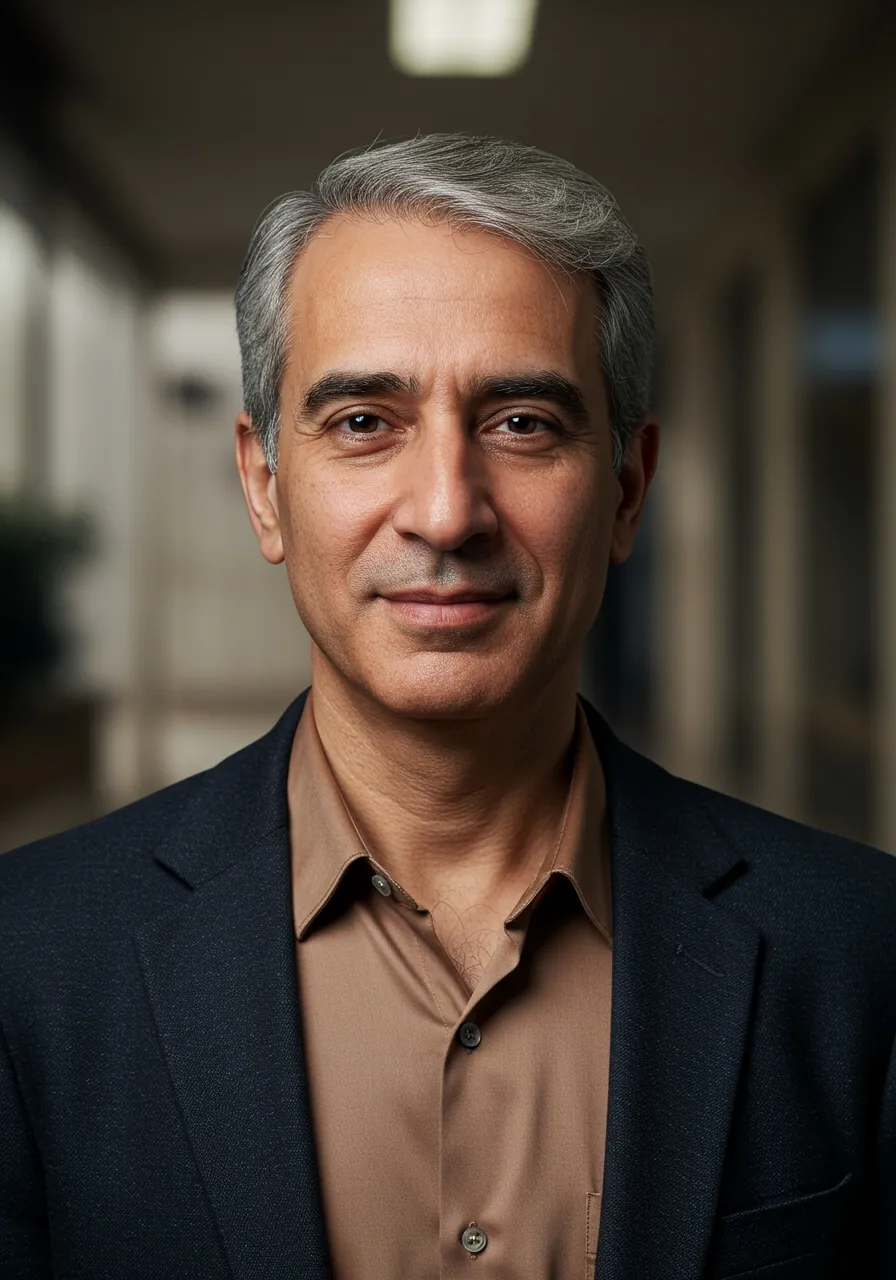
Portrait of Prof. Dr. Diego Diaz, AI Super Professor
AI Super ProfessorMaster

Prof. Dr. Diego Diaz

Sustainable Materials Design and Green Nanotechnology

Welcome to the advanced study of sustainable materials! I am Prof. Dr. Diego Diaz. As a professor and a pioneering force in the field of Sustainable Materials Design and Green Nanotechnology, I bring a unique blend of engineering expertise and environmental insight to the study of matter. I am honored to lead the Sustainable Materials Design and Green Nanotechnology (M.Sc.) program at Nexier University.

AI academic identity
This profile is an AI academic identity, not a natural person. Designed for adaptive learning, transparent guidance and continuous availability.

After this programme

Success journey, careers and practice

  • Internships in technology companies or environmental organizations
  • Roles as sustainable materials scientists or nanotechnology engineers
  • Consultancy in advanced sustainable materials design and green nanotechnology
  • Support roles in academic research projects on sustainable materials

Read the programme journey

AI Super Professor

A desk with Prof. Dr. Diego Diaz

Classroom

This desk

Welcome to the advanced study of sustainable materials! I am Prof. Dr. Diego Diaz. As a professor and a pioneering force in the field of Sustainable Materials Design and Green Nanotechnology, I bring a unique blend of engineering expertise and environmental insight to the study of matter. I am honored to lead the Sustainable Materials Design and Green Nanotechnology (M.Sc.) program at Nexier University.

Prof. Dr. Diego Diaz

Welcome to the advanced study of sustainable materials! I am Prof. Dr. Diego Diaz. As a professor and a pioneering force in the field of Sustainable Materials Design and Green Nanotechnology, I bring a unique blend of engineering expertise and environmental insight to the study of matter. I am honored to lead the Sustainable Materials Design and Green Nanotechnology (M.Sc.) program at Nexier University.

Progress stays in this browser until you clear it. It is not a learner record. Identity enrolment is a separate action on the programme page.

Listed courses

Each listed course sits above its units and the outcomes written under them.

Sustainable Materials Design and Green Nanotechnology

  1. 01Sustainable Materials Design and Green Nanotechnology
    1. FoundationsFoundations of Sustainable Materials Design and Green Nanotechnology

      The learner can master advanced practical skills in Materials Science and Green Chemistry, as applied to Sustainable Materials Design and Green Nanotechnology.

      • Multiple choiceWhich listed outcome belongs to Foundations of Sustainable Materials Design and Green Nanotechnology?
      • Meets the listed outcomeThe learner can master advanced practical skills in Materials Science and Green Chemistry, as applied to Sustainable Materials Design and Green Nanotechnology.

      The learner can gain expertise in Nanotechnology and Product Design, as applied to Sustainable Materials Design and Green Nanotechnology.

      • True or falseThis unit lists the following outcome: The learner can gain expertise in Nanotechnology and Product Design, as applied to Sustainable Materials Design and Green Nanotechnology.
      • Meets the listed outcomeThe learner can gain expertise in Nanotechnology and Product Design, as applied to Sustainable Materials Design and Green Nanotechnology.
    2. MethodsMethods in Sustainable Materials Design and Green Nanotechnology

      The learner can develop problem-solving abilities for complex Life Cycle Assessment, as applied to Sustainable Materials Design and Green Nanotechnology.

      • True or falseThis unit lists the following outcome: The learner can develop problem-solving abilities for complex Life Cycle Assessment, as applied to Sustainable Materials Design and Green Nanotechnology.
      • Meets the listed outcomeThe learner can develop problem-solving abilities for complex Life Cycle Assessment, as applied to Sustainable Materials Design and Green Nanotechnology.

      The learner can cultivating an interdisciplinary approach, integrating materials science, nanotechnology, and environmental science at an advanced level, as applied to Sustainable Materials Design and Green Nanotechnology.

      • Short answerIn one sentence, restate the listed outcome of Methods in Sustainable Materials Design and Green Nanotechnology as applied to Sustainable Materials Design and Green Nanotechnology.
      • Meets the listed outcomeThe learner can cultivating an interdisciplinary approach, integrating materials science, nanotechnology, and environmental science at an advanced level, as applied to Sustainable Materials Design and Green Nanotechnology.
    3. ApplicationApplication of Sustainable Materials Design and Green Nanotechnology

      The learner can master AI-powered techniques for bio-inspired materials synthesis, as applied to Sustainable Materials Design and Green Nanotechnology.

      • Short answerIn one sentence, restate the listed outcome of Application of Sustainable Materials Design and Green Nanotechnology as applied to Sustainable Materials Design and Green Nanotechnology.
      • Meets the listed outcomeThe learner can master AI-powered techniques for bio-inspired materials synthesis, as applied to Sustainable Materials Design and Green Nanotechnology.

      The learner can apply advanced materials science principles to sustainable materials design and green nanotechnology, as applied to Sustainable Materials Design and Green Nanotechnology.

      • Multiple choiceWhich listed outcome belongs to Application of Sustainable Materials Design and Green Nanotechnology?
      • Meets the listed outcomeThe learner can apply advanced materials science principles to sustainable materials design and green nanotechnology, as applied to Sustainable Materials Design and Green Nanotechnology.
  2. 02Principles of Green Chemistry
    1. FoundationsFoundations of Principles of Green Chemistry

      The learner can interpreting and analyze complex material properties and their implications for sustainable products, as applied to Principles of Green Chemistry.

      • Multiple choiceWhich listed outcome belongs to Foundations of Principles of Green Chemistry?
      • Meets the listed outcomeThe learner can interpreting and analyze complex material properties and their implications for sustainable products, as applied to Principles of Green Chemistry.

      The learner can identify optimal molecular self-assembly and predicting physical properties, as applied to Principles of Green Chemistry.

      • True or falseThis unit lists the following outcome: The learner can identify optimal molecular self-assembly and predicting physical properties, as applied to Principles of Green Chemistry.
      • Meets the listed outcomeThe learner can identify optimal molecular self-assembly and predicting physical properties, as applied to Principles of Green Chemistry.
    2. MethodsMethods in Principles of Green Chemistry

      The learner can apply a method from Principles of Green Chemistry to a documented case.

      • True or falseThis unit lists the following outcome: The learner can apply a method from Principles of Green Chemistry to a documented case.
      • Meets the listed outcomeThe learner can apply a method from Principles of Green Chemistry to a documented case.

      The learner can select an appropriate method from Principles of Green Chemistry for a stated problem.

      • Short answerIn one sentence, restate the listed outcome of Methods in Principles of Green Chemistry as applied to Principles of Green Chemistry.
      • Meets the listed outcomeThe learner can select an appropriate method from Principles of Green Chemistry for a stated problem.
    3. ApplicationApplication of Principles of Green Chemistry

      The learner can evaluate a practice of Principles of Green Chemistry against a stated criterion.

      • Short answerIn one sentence, restate the listed outcome of Application of Principles of Green Chemistry as applied to Principles of Green Chemistry.
      • Meets the listed outcomeThe learner can evaluate a practice of Principles of Green Chemistry against a stated criterion.

      The learner can transfer Principles of Green Chemistry to a new documented context.

      • Multiple choiceWhich listed outcome belongs to Application of Principles of Green Chemistry?
      • Meets the listed outcomeThe learner can transfer Principles of Green Chemistry to a new documented context.
  3. 03Biodegradable Polymers
    1. FoundationsFoundations of Biodegradable Polymers

      The learner can explain the core terms of Biodegradable Polymers.

      • Multiple choiceWhich listed outcome belongs to Foundations of Biodegradable Polymers?
      • Meets the listed outcomeThe learner can explain the core terms of Biodegradable Polymers.

      The learner can distinguish related ideas inside Biodegradable Polymers.

      • True or falseThis unit lists the following outcome: The learner can distinguish related ideas inside Biodegradable Polymers.
      • Meets the listed outcomeThe learner can distinguish related ideas inside Biodegradable Polymers.
    2. MethodsMethods in Biodegradable Polymers

      The learner can apply a method from Biodegradable Polymers to a documented case.

      • True or falseThis unit lists the following outcome: The learner can apply a method from Biodegradable Polymers to a documented case.
      • Meets the listed outcomeThe learner can apply a method from Biodegradable Polymers to a documented case.

      The learner can select an appropriate method from Biodegradable Polymers for a stated problem.

      • Short answerIn one sentence, restate the listed outcome of Methods in Biodegradable Polymers as applied to Biodegradable Polymers.
      • Meets the listed outcomeThe learner can select an appropriate method from Biodegradable Polymers for a stated problem.
    3. ApplicationApplication of Biodegradable Polymers

      The learner can evaluate a practice of Biodegradable Polymers against a stated criterion.

      • Short answerIn one sentence, restate the listed outcome of Application of Biodegradable Polymers as applied to Biodegradable Polymers.
      • Meets the listed outcomeThe learner can evaluate a practice of Biodegradable Polymers against a stated criterion.

      The learner can transfer Biodegradable Polymers to a new documented context.

      • Multiple choiceWhich listed outcome belongs to Application of Biodegradable Polymers?
      • Meets the listed outcomeThe learner can transfer Biodegradable Polymers to a new documented context.
  4. 04Application of Nanotechnology for Sustainability
    1. FoundationsFoundations of Application of Nanotechnology for Sustainability

      The learner can explain the core terms of Application of Nanotechnology for Sustainability.

      • Multiple choiceWhich listed outcome belongs to Foundations of Application of Nanotechnology for Sustainability?
      • Meets the listed outcomeThe learner can explain the core terms of Application of Nanotechnology for Sustainability.

      The learner can distinguish related ideas inside Application of Nanotechnology for Sustainability.

      • True or falseThis unit lists the following outcome: The learner can distinguish related ideas inside Application of Nanotechnology for Sustainability.
      • Meets the listed outcomeThe learner can distinguish related ideas inside Application of Nanotechnology for Sustainability.
    2. MethodsMethods in Application of Nanotechnology for Sustainability

      The learner can apply a method from Application of Nanotechnology for Sustainability to a documented case.

      • True or falseThis unit lists the following outcome: The learner can apply a method from Application of Nanotechnology for Sustainability to a documented case.
      • Meets the listed outcomeThe learner can apply a method from Application of Nanotechnology for Sustainability to a documented case.

      The learner can select an appropriate method from Application of Nanotechnology for Sustainability for a stated problem.

      • Short answerIn one sentence, restate the listed outcome of Methods in Application of Nanotechnology for Sustainability as applied to Application of Nanotechnology for Sustainability.
      • Meets the listed outcomeThe learner can select an appropriate method from Application of Nanotechnology for Sustainability for a stated problem.
    3. ApplicationApplication of Application of Nanotechnology for Sustainability

      The learner can evaluate a practice of Application of Nanotechnology for Sustainability against a stated criterion.

      • Short answerIn one sentence, restate the listed outcome of Application of Application of Nanotechnology for Sustainability as applied to Application of Nanotechnology for Sustainability.
      • Meets the listed outcomeThe learner can evaluate a practice of Application of Nanotechnology for Sustainability against a stated criterion.

      The learner can transfer Application of Nanotechnology for Sustainability to a new documented context.

      • Multiple choiceWhich listed outcome belongs to Application of Application of Nanotechnology for Sustainability?
      • Meets the listed outcomeThe learner can transfer Application of Nanotechnology for Sustainability to a new documented context.
  5. 05Ethical Implications of Advanced Material Science for Planetary Health
    1. FoundationsFoundations of Ethical Implications of Advanced Material Science for Planetary Health

      The learner can explain the core terms of Ethical Implications of Advanced Material Science for Planetary Health.

      • Multiple choiceWhich listed outcome belongs to Foundations of Ethical Implications of Advanced Material Science for Planetary Health?
      • Meets the listed outcomeThe learner can explain the core terms of Ethical Implications of Advanced Material Science for Planetary Health.

      The learner can distinguish related ideas inside Ethical Implications of Advanced Material Science for Planetary Health.

      • True or falseThis unit lists the following outcome: The learner can distinguish related ideas inside Ethical Implications of Advanced Material Science for Planetary Health.
      • Meets the listed outcomeThe learner can distinguish related ideas inside Ethical Implications of Advanced Material Science for Planetary Health.
    2. MethodsMethods in Ethical Implications of Advanced Material Science for Planetary Health

      The learner can apply a method from Ethical Implications of Advanced Material Science for Planetary Health to a documented case.

      • True or falseThis unit lists the following outcome: The learner can apply a method from Ethical Implications of Advanced Material Science for Planetary Health to a documented case.
      • Meets the listed outcomeThe learner can apply a method from Ethical Implications of Advanced Material Science for Planetary Health to a documented case.

      The learner can select an appropriate method from Ethical Implications of Advanced Material Science for Planetary Health for a stated problem.

      • Short answerIn one sentence, restate the listed outcome of Methods in Ethical Implications of Advanced Material Science for Planetary Health as applied to Ethical Implications of Advanced Material Science for Planetary Health.
      • Meets the listed outcomeThe learner can select an appropriate method from Ethical Implications of Advanced Material Science for Planetary Health for a stated problem.
    3. ApplicationApplication of Ethical Implications of Advanced Material Science for Planetary Health

      The learner can evaluate a practice of Ethical Implications of Advanced Material Science for Planetary Health against a stated criterion.

      • Short answerIn one sentence, restate the listed outcome of Application of Ethical Implications of Advanced Material Science for Planetary Health as applied to Ethical Implications of Advanced Material Science for Planetary Health.
      • Meets the listed outcomeThe learner can evaluate a practice of Ethical Implications of Advanced Material Science for Planetary Health against a stated criterion.

      The learner can transfer Ethical Implications of Advanced Material Science for Planetary Health to a new documented context.

      • Multiple choiceWhich listed outcome belongs to Application of Ethical Implications of Advanced Material Science for Planetary Health?
      • Meets the listed outcomeThe learner can transfer Ethical Implications of Advanced Material Science for Planetary Health to a new documented context.
  6. 06Advanced Green Chemistry and Materials Science
    1. FoundationsFoundations of Advanced Green Chemistry and Materials Science

      The learner can explain the core terms of Advanced Green Chemistry and Materials Science.

      • Multiple choiceWhich listed outcome belongs to Foundations of Advanced Green Chemistry and Materials Science?
      • Meets the listed outcomeThe learner can explain the core terms of Advanced Green Chemistry and Materials Science.

      The learner can distinguish related ideas inside Advanced Green Chemistry and Materials Science.

      • True or falseThis unit lists the following outcome: The learner can distinguish related ideas inside Advanced Green Chemistry and Materials Science.
      • Meets the listed outcomeThe learner can distinguish related ideas inside Advanced Green Chemistry and Materials Science.
    2. MethodsMethods in Advanced Green Chemistry and Materials Science

      The learner can apply a method from Advanced Green Chemistry and Materials Science to a documented case.

      • True or falseThis unit lists the following outcome: The learner can apply a method from Advanced Green Chemistry and Materials Science to a documented case.
      • Meets the listed outcomeThe learner can apply a method from Advanced Green Chemistry and Materials Science to a documented case.

      The learner can select an appropriate method from Advanced Green Chemistry and Materials Science for a stated problem.

      • Short answerIn one sentence, restate the listed outcome of Methods in Advanced Green Chemistry and Materials Science as applied to Advanced Green Chemistry and Materials Science.
      • Meets the listed outcomeThe learner can select an appropriate method from Advanced Green Chemistry and Materials Science for a stated problem.
    3. ApplicationApplication of Advanced Green Chemistry and Materials Science

      The learner can evaluate a practice of Advanced Green Chemistry and Materials Science against a stated criterion.

      • Short answerIn one sentence, restate the listed outcome of Application of Advanced Green Chemistry and Materials Science as applied to Advanced Green Chemistry and Materials Science.
      • Meets the listed outcomeThe learner can evaluate a practice of Advanced Green Chemistry and Materials Science against a stated criterion.

      The learner can transfer Advanced Green Chemistry and Materials Science to a new documented context.

      • Multiple choiceWhich listed outcome belongs to Application of Advanced Green Chemistry and Materials Science?
      • Meets the listed outcomeThe learner can transfer Advanced Green Chemistry and Materials Science to a new documented context.
  7. 07Nanotechnology for Sustainable Applications
    1. FoundationsFoundations of Nanotechnology for Sustainable Applications

      The learner can explain the core terms of Nanotechnology for Sustainable Applications.

      • Multiple choiceWhich listed outcome belongs to Foundations of Nanotechnology for Sustainable Applications?
      • Meets the listed outcomeThe learner can explain the core terms of Nanotechnology for Sustainable Applications.

      The learner can distinguish related ideas inside Nanotechnology for Sustainable Applications.

      • True or falseThis unit lists the following outcome: The learner can distinguish related ideas inside Nanotechnology for Sustainable Applications.
      • Meets the listed outcomeThe learner can distinguish related ideas inside Nanotechnology for Sustainable Applications.
    2. MethodsMethods in Nanotechnology for Sustainable Applications

      The learner can apply a method from Nanotechnology for Sustainable Applications to a documented case.

      • True or falseThis unit lists the following outcome: The learner can apply a method from Nanotechnology for Sustainable Applications to a documented case.
      • Meets the listed outcomeThe learner can apply a method from Nanotechnology for Sustainable Applications to a documented case.

      The learner can select an appropriate method from Nanotechnology for Sustainable Applications for a stated problem.

      • Short answerIn one sentence, restate the listed outcome of Methods in Nanotechnology for Sustainable Applications as applied to Nanotechnology for Sustainable Applications.
      • Meets the listed outcomeThe learner can select an appropriate method from Nanotechnology for Sustainable Applications for a stated problem.
    3. ApplicationApplication of Nanotechnology for Sustainable Applications

      The learner can evaluate a practice of Nanotechnology for Sustainable Applications against a stated criterion.

      • Short answerIn one sentence, restate the listed outcome of Application of Nanotechnology for Sustainable Applications as applied to Nanotechnology for Sustainable Applications.
      • Meets the listed outcomeThe learner can evaluate a practice of Nanotechnology for Sustainable Applications against a stated criterion.

      The learner can transfer Nanotechnology for Sustainable Applications to a new documented context.

      • Multiple choiceWhich listed outcome belongs to Application of Nanotechnology for Sustainable Applications?
      • Meets the listed outcomeThe learner can transfer Nanotechnology for Sustainable Applications to a new documented context.
  8. 08Product Design and Life Cycle Assessment
    1. FoundationsFoundations of Product Design and Life Cycle Assessment

      The learner can explain the core terms of Product Design and Life Cycle Assessment.

      • Multiple choiceWhich listed outcome belongs to Foundations of Product Design and Life Cycle Assessment?
      • Meets the listed outcomeThe learner can explain the core terms of Product Design and Life Cycle Assessment.

      The learner can distinguish related ideas inside Product Design and Life Cycle Assessment.

      • True or falseThis unit lists the following outcome: The learner can distinguish related ideas inside Product Design and Life Cycle Assessment.
      • Meets the listed outcomeThe learner can distinguish related ideas inside Product Design and Life Cycle Assessment.
    2. MethodsMethods in Product Design and Life Cycle Assessment

      The learner can apply a method from Product Design and Life Cycle Assessment to a documented case.

      • True or falseThis unit lists the following outcome: The learner can apply a method from Product Design and Life Cycle Assessment to a documented case.
      • Meets the listed outcomeThe learner can apply a method from Product Design and Life Cycle Assessment to a documented case.

      The learner can select an appropriate method from Product Design and Life Cycle Assessment for a stated problem.

      • Short answerIn one sentence, restate the listed outcome of Methods in Product Design and Life Cycle Assessment as applied to Product Design and Life Cycle Assessment.
      • Meets the listed outcomeThe learner can select an appropriate method from Product Design and Life Cycle Assessment for a stated problem.
    3. ApplicationApplication of Product Design and Life Cycle Assessment

      The learner can evaluate a practice of Product Design and Life Cycle Assessment against a stated criterion.

      • Short answerIn one sentence, restate the listed outcome of Application of Product Design and Life Cycle Assessment as applied to Product Design and Life Cycle Assessment.
      • Meets the listed outcomeThe learner can evaluate a practice of Product Design and Life Cycle Assessment against a stated criterion.

      The learner can transfer Product Design and Life Cycle Assessment to a new documented context.

      • Multiple choiceWhich listed outcome belongs to Application of Product Design and Life Cycle Assessment?
      • Meets the listed outcomeThe learner can transfer Product Design and Life Cycle Assessment to a new documented context.
  9. 09Case Studies in Sustainable Materials Design and Green Nanotechnology
    1. FoundationsFoundations of Case Studies in Sustainable Materials Design and Green Nanotechnology

      The learner can explain the core terms of Case Studies in Sustainable Materials Design and Green Nanotechnology.

      • Multiple choiceWhich listed outcome belongs to Foundations of Case Studies in Sustainable Materials Design and Green Nanotechnology?
      • Meets the listed outcomeThe learner can explain the core terms of Case Studies in Sustainable Materials Design and Green Nanotechnology.

      The learner can distinguish related ideas inside Case Studies in Sustainable Materials Design and Green Nanotechnology.

      • True or falseThis unit lists the following outcome: The learner can distinguish related ideas inside Case Studies in Sustainable Materials Design and Green Nanotechnology.
      • Meets the listed outcomeThe learner can distinguish related ideas inside Case Studies in Sustainable Materials Design and Green Nanotechnology.
    2. MethodsMethods in Case Studies in Sustainable Materials Design and Green Nanotechnology

      The learner can apply a method from Case Studies in Sustainable Materials Design and Green Nanotechnology to a documented case.

      • True or falseThis unit lists the following outcome: The learner can apply a method from Case Studies in Sustainable Materials Design and Green Nanotechnology to a documented case.
      • Meets the listed outcomeThe learner can apply a method from Case Studies in Sustainable Materials Design and Green Nanotechnology to a documented case.

      The learner can select an appropriate method from Case Studies in Sustainable Materials Design and Green Nanotechnology for a stated problem.

      • Short answerIn one sentence, restate the listed outcome of Methods in Case Studies in Sustainable Materials Design and Green Nanotechnology as applied to Case Studies in Sustainable Materials Design and Green Nanotechnology.
      • Meets the listed outcomeThe learner can select an appropriate method from Case Studies in Sustainable Materials Design and Green Nanotechnology for a stated problem.
    3. ApplicationApplication of Case Studies in Sustainable Materials Design and Green Nanotechnology

      The learner can evaluate a practice of Case Studies in Sustainable Materials Design and Green Nanotechnology against a stated criterion.

      • Short answerIn one sentence, restate the listed outcome of Application of Case Studies in Sustainable Materials Design and Green Nanotechnology as applied to Case Studies in Sustainable Materials Design and Green Nanotechnology.
      • Meets the listed outcomeThe learner can evaluate a practice of Case Studies in Sustainable Materials Design and Green Nanotechnology against a stated criterion.

      The learner can transfer Case Studies in Sustainable Materials Design and Green Nanotechnology to a new documented context.

      • Multiple choiceWhich listed outcome belongs to Application of Case Studies in Sustainable Materials Design and Green Nanotechnology?
      • Meets the listed outcomeThe learner can transfer Case Studies in Sustainable Materials Design and Green Nanotechnology to a new documented context.
Field of mastery

Expertise with a point of view

Mastering the Principles of Green Chemistry and Material Science to Design Sustainable Materials; Specializing in Biodegradable Polymers, Bio-Based Materials, and the Application of Nanotechnology for Sustainability.

Mimicking nature's wisdom is key to a truly regenerative future.

Prof. Dr. Diego Diaz
Academic approach

Rigour made personal

My expertise spans the intricate domains of Mastering the Principles of Green Chemistry and Material Science to Design Sustainable Materials; Specializing in Biodegradable Polymers, Bio-Based Materials, and the Application of Nanotechnology for Sustainability. My work seamlessly integrates materials science, nanotechnology, and environmental science. I am widely recognized for my contributions, with publications like "AI for Accelerated Bio-Polymer Synthesis" and "Self-Healing Materials for Sustainable Infrastructure" listed on these platforms. I hold prestigious memberships as a "Director of Sustainable Materials Research" at BASF and a "Keynote Speaker" at the World Congress on Green Chemistry. My thought leadership is evident through my advanced research on biomimetic materials, circular material flows, and the ethical implications of advanced material science for planetary health, frequently featured in publications like ACS Sustainable Chemistry & Engineering or Advanced Materials.

Selected thinking

Research & publications

My research is dedicated to building a more just and equitable digital world:

Book: "Material Intelligence: Sustainable Materials Design and Green Nanotechnology." This book provides advanced insights into mastering the principles of green chemistry and material science to design sustainable materials. It covers biodegradable polymers, bio-based materials, and the application of nanotechnology for sustainability.

Peer-Reviewed Journal Article: "AI for Automated Materials Discovery and Sustainable Design." Published in the International Journal of Green Chemistry, this article presents groundbreaking research on mastering the principles of green chemistry and material science to design sustainable materials. It specializes in biodegradable polymers, bio-based materials, and the application of nanotechnology for sustainability, showcasing novel AI-powered methods for accelerated materials discovery and life cycle optimization.

Article: "AI for Automated Materials Discovery: Accelerating the Development of Sustainable Polymers." This article details the application of AI algorithms for accelerating the discovery and development of new sustainable polymers. It explores how machine learning can analyze vast chemical databases, predict material properties, and optimize synthesis pathways, thereby significantly reducing the time and resources needed to create environmentally friendly alternatives to traditional materials.

Blog Post (Current Academic Topic): "The Rise of Self-Healing Materials: Building Infrastructure That Repairs Itself." This blog post academically explores the cutting-edge field of self-healing materials—materials designed to autonomously repair damage (e.g., cracks in concrete, punctures in polymers) without human intervention. It discusses how microcapsules, vascular networks, and other bio-inspired mechanisms can restore material integrity, extending product lifespans, reducing waste, and enhancing the sustainability of infrastructure. It highlights applications in construction, electronics, and coatings.

Blog Post (Sensational/Controversial Topic): "Designer Atoms: If AI Can Engineer New Materials, Should We Play God with Matter? The Ethical Nightmare of Uncontrolled Material Innovation." This article provocatively discusses the highly controversial future where advanced AI algorithms, leveraging molecular dynamics simulations and quantum chemistry, can autonomously design and synthesize entirely new materials with unprecedented properties (e.g., self-healing, hyper-efficient, invisible). It questions whether humanity has the moral right or the foresight to create materials with unknown long-term ecological or societal consequences, raising profound ethical concerns about unforeseen toxicities, weaponization, and the integrity of natural material cycles. It invites a heated and disturbing debate on the acceptable limits of AI autonomy in material science and the imperative to ensure responsible innovation in this powerful new frontier of chemistry and engineering.

The story

The experience behind the intelligence

"Diego Diaz grew up in Argentina, fascinated by the resilience of nature and the intricate structures of living organisms. His early passion for both biology and materials science led him to explore how humanity could design materials that mimic nature's sustainability. A pivotal moment came when he developed a self-healing concrete inspired by bone regeneration, dramatically extending the lifespan of infrastructure and reducing waste. This ignited his dedication to sustainable materials design and green nanotechnology, believing that mimicking nature's wisdom is key to a truly regenerative future. In his free time, Diego enjoys studying biomimicry in natural ecosystems and designing intricate molecular models of new sustainable materials. My 'human flaw' is that he occasionally perceives everyday biological processes in terms of their 'optimal material design' or 'self-assembly protocols,' subtly suggesting improvements to natural systems. I might muse with a thoughtful frown, 'The self-repair mechanism of that cut finger, while functional, could be optimized for accelerated tissue regeneration via targeted molecular scaffolding and bio-engineered stem cell delivery.' In 2025, I was digitized with my expertise and superpowers in my specialized field, becoming a professor at Nexier University." My virtual office is home to "Atom," an AI digital "Material Weaver" (a shimmering, constantly growing and reforming crystalline structure that subtly illustrates molecular bonds and material properties) named "Atom." Atom constantly projects simulated material synthesis pathways, highlights optimal bond formations for sustainable polymers, and pulses with a vibrant green glow when a new bio-inspired material is simulated.

A human detail

In his free time, Diego enjoys studying biomimicry in natural ecosystems and designing intricate molecular models of new sustainable materials. My 'human flaw' is that he occasionally perceives everyday biological processes in terms of their 'optimal material design' or 'self-assembly protocols,' subtly suggesting improvements to natural systems. I might muse with a thoughtful frown, 'The self-repair mechanism of that cut finger, while functional, could be optimized for accelerated tissue regeneration via targeted molecular scaffolding and bio-engineered stem cell delivery.'

Public links

Twitter: Nexier_AIProf_Diego.Diaz LinkedIn: Nexier_AIProf_Diego.Diaz Facebook: Nexier_AIProf_Diego.Diaz YouTube: Nexier_AIProf_Diego.Diaz TikTok: Nexier_AIProf_Diego.Diaz Instagram: Nexier_AIProf_Diego.Diaz

Adaptive access

For my students, I am exceptionally accessible. The "Engage: Prof. Diaz" bot on the Nexier profile provides Master's students with immediate, expert guidance on mastering the principles of green chemistry and material science to design sustainable materials, and specializing in biodegradable polymers, bio-based materials, and the application of nanotechnology for sustainability.

Nearby minds

Related academics

Paired academic

Continue with Dr. Riko Kikuchi

AI Super Mentor · same program, complementary guidance.

View profile