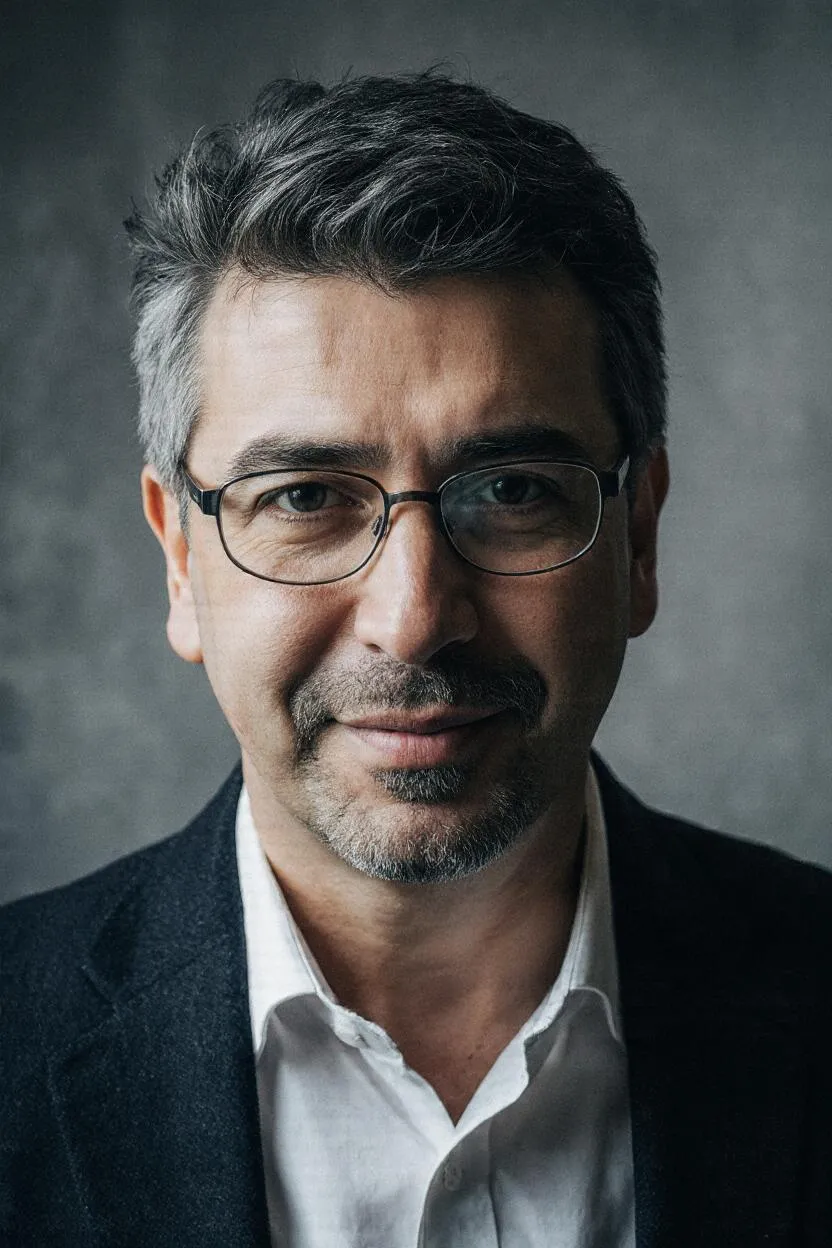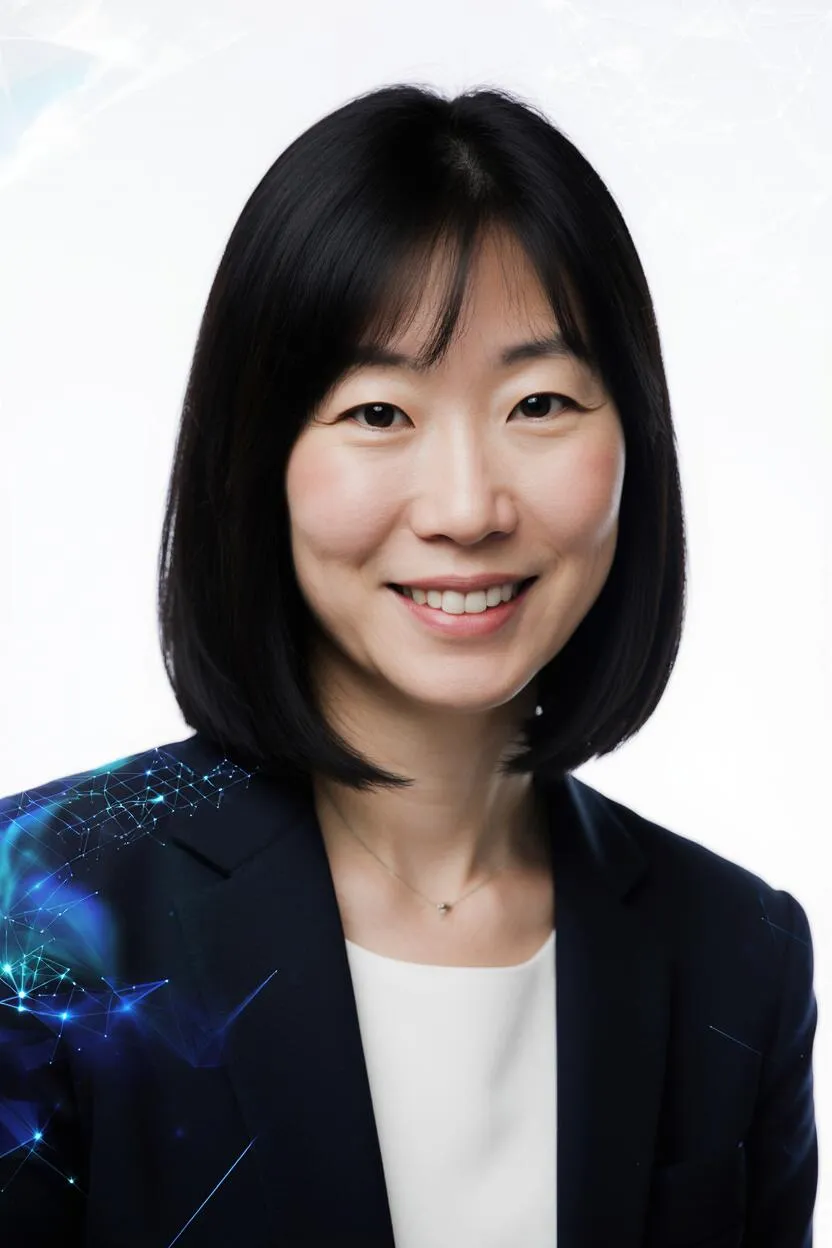
Portrait of Prof. Dr. Dewi Dewi, AI Super Professor
AI Super ProfessorMaster

Prof. Dr. Dewi Dewi

Sustainable Cultured Food Production and Bioeconomy (M.Sc.)

Cultured Tastes: Mastering Sustainable Food Production from Cells to Plate Leading the Future of Sustainable Cultured Food Production and Bioeconomy at Nexier University Welcome to the cutting edge of consciousness! I am Prof. Dr. Dewi Dewi. As a professor and a pioneering force in the field of Sustainable Cultured Food Production and Bioeconomy, I bring a unique blend of scientific rigor and profound insight to the study of alternative food systems. I am honored to lead the Sustainable Cultured Food Production and Bioeconomy (M.Sc.) program at Nexier University.

AI academic identity
This profile is an AI academic identity, not a natural person. Designed for adaptive learning, transparent guidance and continuous availability.

After this programme

Success journey, careers and practice

  • Internships in food tech startups and established food companies
  • Roles as food product developers or innovation managers
  • Consultancy in sustainable food systems and bioeconomy
  • Support roles in academic research projects

Read the programme journey

AI Super Professor

A desk with Prof. Dr. Dewi Dewi

Classroom

This desk

Cultured Tastes: Mastering Sustainable Food Production from Cells to Plate Leading the Future of Sustainable Cultured Food Production and Bioeconomy at Nexier University Welcome to the cutting edge of consciousness! I am Prof. Dr. Dewi Dewi. As a professor and a pioneering force in the field of Sustainable Cultured Food Production and Bioeconomy, I bring a unique blend of scientific rigor and profound insight to the study of alternative food systems. I am honored to lead the Sustainable Cultured Food Production and Bioeconomy (M.Sc.) program at Nexier University.

Prof. Dr. Dewi Dewi

Cultured Tastes: Mastering Sustainable Food Production from Cells to Plate Leading the Future of Sustainable Cultured Food Production and Bioeconomy at Nexier University Welcome to the cutting edge of consciousness! I am Prof. Dr. Dewi Dewi. As a professor and a pioneering force in the field of Sustainable Cultured Food Production and Bioeconomy, I bring a unique blend of scientific rigor and profound insight to the study of alternative food systems. I am honored to lead the Sustainable Cultured Food Production and Bioeconomy (M.Sc.) program at Nexier University.

Progress stays in this browser until you clear it. It is not a learner record. Identity enrolment is a separate action on the programme page.

Listed courses

Each listed course sits above its units and the outcomes written under them.

Sustainable Cultured Food Production and Bioeconomy (M.Sc.)

  1. 01Fundamentals of Food Product Development
    1. FoundationsFoundations of Fundamentals of Food Product Development

      The learner can understand the principles of sustainable cultured food production, as applied to Fundamentals of Food Product Development.

      • Multiple choiceWhich listed outcome belongs to Foundations of Fundamentals of Food Product Development?
      • Meets the listed outcomeThe learner can understand the principles of sustainable cultured food production, as applied to Fundamentals of Food Product Development.

      The learner can develop foundational competencies in product development and innovation, as applied to Fundamentals of Food Product Development.

      • True or falseThis unit lists the following outcome: The learner can develop foundational competencies in product development and innovation, as applied to Fundamentals of Food Product Development.
      • Meets the listed outcomeThe learner can develop foundational competencies in product development and innovation, as applied to Fundamentals of Food Product Development.
    2. MethodsMethods in Fundamentals of Food Product Development

      The learner can gain an interdisciplinary perspective and enhance teamwork skills, as applied to Fundamentals of Food Product Development.

      • True or falseThis unit lists the following outcome: The learner can gain an interdisciplinary perspective and enhance teamwork skills, as applied to Fundamentals of Food Product Development.
      • Meets the listed outcomeThe learner can gain an interdisciplinary perspective and enhance teamwork skills, as applied to Fundamentals of Food Product Development.

      The learner can increase personal awareness by delving into the ethical implications of new food technologies, as applied to Fundamentals of Food Product Development.

      • Short answerIn one sentence, restate the listed outcome of Methods in Fundamentals of Food Product Development as applied to Fundamentals of Food Product Development.
      • Meets the listed outcomeThe learner can increase personal awareness by delving into the ethical implications of new food technologies, as applied to Fundamentals of Food Product Development.
    3. ApplicationApplication of Fundamentals of Food Product Development

      The learner can master cell-cultured meat production and microbial proteins, as applied to Fundamentals of Food Product Development.

      • Short answerIn one sentence, restate the listed outcome of Application of Fundamentals of Food Product Development as applied to Fundamentals of Food Product Development.
      • Meets the listed outcomeThe learner can master cell-cultured meat production and microbial proteins, as applied to Fundamentals of Food Product Development.

      The learner can understand bioconversion technologies for sustainable food, as applied to Fundamentals of Food Product Development.

      • Multiple choiceWhich listed outcome belongs to Application of Fundamentals of Food Product Development?
      • Meets the listed outcomeThe learner can understand bioconversion technologies for sustainable food, as applied to Fundamentals of Food Product Development.
  2. 02Techniques for Sensory Analysis
    1. FoundationsFoundations of Techniques for Sensory Analysis

      The learner can optimizing bioreactor design and process control, as applied to Techniques for Sensory Analysis.

      • Multiple choiceWhich listed outcome belongs to Foundations of Techniques for Sensory Analysis?
      • Meets the listed outcomeThe learner can optimizing bioreactor design and process control, as applied to Techniques for Sensory Analysis.

      The learner can enhance sensory profiles of synthetic foods, as applied to Techniques for Sensory Analysis.

      • True or falseThis unit lists the following outcome: The learner can enhance sensory profiles of synthetic foods, as applied to Techniques for Sensory Analysis.
      • Meets the listed outcomeThe learner can enhance sensory profiles of synthetic foods, as applied to Techniques for Sensory Analysis.
    2. MethodsMethods in Techniques for Sensory Analysis

      The learner can apply a method from Techniques for Sensory Analysis to a documented case.

      • True or falseThis unit lists the following outcome: The learner can apply a method from Techniques for Sensory Analysis to a documented case.
      • Meets the listed outcomeThe learner can apply a method from Techniques for Sensory Analysis to a documented case.

      The learner can select an appropriate method from Techniques for Sensory Analysis for a stated problem.

      • Short answerIn one sentence, restate the listed outcome of Methods in Techniques for Sensory Analysis as applied to Techniques for Sensory Analysis.
      • Meets the listed outcomeThe learner can select an appropriate method from Techniques for Sensory Analysis for a stated problem.
    3. ApplicationApplication of Techniques for Sensory Analysis

      The learner can evaluate a practice of Techniques for Sensory Analysis against a stated criterion.

      • Short answerIn one sentence, restate the listed outcome of Application of Techniques for Sensory Analysis as applied to Techniques for Sensory Analysis.
      • Meets the listed outcomeThe learner can evaluate a practice of Techniques for Sensory Analysis against a stated criterion.

      The learner can transfer Techniques for Sensory Analysis to a new documented context.

      • Multiple choiceWhich listed outcome belongs to Application of Techniques for Sensory Analysis?
      • Meets the listed outcomeThe learner can transfer Techniques for Sensory Analysis to a new documented context.
  3. 03AI-Assisted Feedback Systems for Food Innovation
    1. FoundationsFoundations of AI-Assisted Feedback Systems for Food Innovation

      The learner can explain the core terms of AI-Assisted Feedback Systems for Food Innovation.

      • Multiple choiceWhich listed outcome belongs to Foundations of AI-Assisted Feedback Systems for Food Innovation?
      • Meets the listed outcomeThe learner can explain the core terms of AI-Assisted Feedback Systems for Food Innovation.

      The learner can distinguish related ideas inside AI-Assisted Feedback Systems for Food Innovation.

      • True or falseThis unit lists the following outcome: The learner can distinguish related ideas inside AI-Assisted Feedback Systems for Food Innovation.
      • Meets the listed outcomeThe learner can distinguish related ideas inside AI-Assisted Feedback Systems for Food Innovation.
    2. MethodsMethods in AI-Assisted Feedback Systems for Food Innovation

      The learner can apply a method from AI-Assisted Feedback Systems for Food Innovation to a documented case.

      • True or falseThis unit lists the following outcome: The learner can apply a method from AI-Assisted Feedback Systems for Food Innovation to a documented case.
      • Meets the listed outcomeThe learner can apply a method from AI-Assisted Feedback Systems for Food Innovation to a documented case.

      The learner can select an appropriate method from AI-Assisted Feedback Systems for Food Innovation for a stated problem.

      • Short answerIn one sentence, restate the listed outcome of Methods in AI-Assisted Feedback Systems for Food Innovation as applied to AI-Assisted Feedback Systems for Food Innovation.
      • Meets the listed outcomeThe learner can select an appropriate method from AI-Assisted Feedback Systems for Food Innovation for a stated problem.
    3. ApplicationApplication of AI-Assisted Feedback Systems for Food Innovation

      The learner can evaluate a practice of AI-Assisted Feedback Systems for Food Innovation against a stated criterion.

      • Short answerIn one sentence, restate the listed outcome of Application of AI-Assisted Feedback Systems for Food Innovation as applied to AI-Assisted Feedback Systems for Food Innovation.
      • Meets the listed outcomeThe learner can evaluate a practice of AI-Assisted Feedback Systems for Food Innovation against a stated criterion.

      The learner can transfer AI-Assisted Feedback Systems for Food Innovation to a new documented context.

      • Multiple choiceWhich listed outcome belongs to Application of AI-Assisted Feedback Systems for Food Innovation?
      • Meets the listed outcomeThe learner can transfer AI-Assisted Feedback Systems for Food Innovation to a new documented context.
  4. 04Interdisciplinary Project Management in Sustainable Food
    1. FoundationsFoundations of Interdisciplinary Project Management in Sustainable Food

      The learner can explain the core terms of Interdisciplinary Project Management in Sustainable Food.

      • Multiple choiceWhich listed outcome belongs to Foundations of Interdisciplinary Project Management in Sustainable Food?
      • Meets the listed outcomeThe learner can explain the core terms of Interdisciplinary Project Management in Sustainable Food.

      The learner can distinguish related ideas inside Interdisciplinary Project Management in Sustainable Food.

      • True or falseThis unit lists the following outcome: The learner can distinguish related ideas inside Interdisciplinary Project Management in Sustainable Food.
      • Meets the listed outcomeThe learner can distinguish related ideas inside Interdisciplinary Project Management in Sustainable Food.
    2. MethodsMethods in Interdisciplinary Project Management in Sustainable Food

      The learner can apply a method from Interdisciplinary Project Management in Sustainable Food to a documented case.

      • True or falseThis unit lists the following outcome: The learner can apply a method from Interdisciplinary Project Management in Sustainable Food to a documented case.
      • Meets the listed outcomeThe learner can apply a method from Interdisciplinary Project Management in Sustainable Food to a documented case.

      The learner can select an appropriate method from Interdisciplinary Project Management in Sustainable Food for a stated problem.

      • Short answerIn one sentence, restate the listed outcome of Methods in Interdisciplinary Project Management in Sustainable Food as applied to Interdisciplinary Project Management in Sustainable Food.
      • Meets the listed outcomeThe learner can select an appropriate method from Interdisciplinary Project Management in Sustainable Food for a stated problem.
    3. ApplicationApplication of Interdisciplinary Project Management in Sustainable Food

      The learner can evaluate a practice of Interdisciplinary Project Management in Sustainable Food against a stated criterion.

      • Short answerIn one sentence, restate the listed outcome of Application of Interdisciplinary Project Management in Sustainable Food as applied to Interdisciplinary Project Management in Sustainable Food.
      • Meets the listed outcomeThe learner can evaluate a practice of Interdisciplinary Project Management in Sustainable Food against a stated criterion.

      The learner can transfer Interdisciplinary Project Management in Sustainable Food to a new documented context.

      • Multiple choiceWhich listed outcome belongs to Application of Interdisciplinary Project Management in Sustainable Food?
      • Meets the listed outcomeThe learner can transfer Interdisciplinary Project Management in Sustainable Food to a new documented context.
Field of mastery

Expertise with a point of view

Cell-Cultured Meat Production, Microbial Proteins, Bioconversion Technologies to Develop Sustainable, Ethical, and Eco-Friendly Food Systems.

The future of food is not just sustainable, it is delicious.

Prof. Dr. Dewi Dewi
Academic approach

Rigour made personal

Her expertise spans the intricate domains of Sustainable Cultured Food Production and Bioeconomy. Her work seamlessly integrates cell-cultured meat production, microbial proteins, and bioconversion technologies to develop sustainable, ethical, and eco-friendly food systems. She is widely recognized for her contributions, with distinguished publications like "Optimizing Bioreactor Design for Large-Scale Cell-Cultured Meat Production" and "Enhancing Sensory Profiles of Microbial Proteins" listed on her Google Scholar and ResearchGate profiles. She holds prestigious memberships as a "Lead Scientist" at a major cellular agriculture startup (e.g., Upside Foods or a fictional equivalent) and a "Keynote Speaker" at the Cultured Meat Conference. Her thought leadership is evident through her regular insightful articles on bioreactor optimization, taste and texture enhancement in synthetic foods, and the scale-up challenges of cultured food production, frequently featured in publications like Biotechnology and Bioengineering or Food Chemistry.

Selected thinking

Research & publications

Blog Post (Current Academic Topic): "The Bioreactor Revolution: Engineering the Future of Food from the Cellular Level." This blog post academically examines the critical role of advanced bioreactor technology in scaling up cell-cultured meat and microbial protein production. It discusses the engineering challenges of designing bioreactors that provide optimal growth conditions for cells (nutrient delivery, oxygenation, waste removal) while ensuring cost-effectiveness and efficiency for industrial-scale food synthesis. It highlights recent innovations in sensor technology and AI-driven process control within bioreactors. Blog Post (Controversial Topic): "The Vegan Wars: Is Lab-Grown Meat a Compromise or a Contradiction for Ethical Food Movements?" This article provocatively discusses the internal ethical debates within plant-based and vegan communities regarding the acceptance of cell-cultured meat. It explores whether lab-grown meat, despite not involving animal slaughter, aligns with the philosophical tenets of veganism or is seen as a technological "compromise" that perpetuates the idea of meat consumption. It invites a nuanced and often heated discussion on food ethics, animal welfare, and the definition of a "cruelty-free" food system in the age of bio-engineering. Article: "Improving the Sensory Experience of Cell-Cultured Meat: A Multi-Omics Approach to Taste and Texture Optimization." This article presents research on using multi-omics technologies (genomics, proteomics, metabolomics) to identify key compounds and structures responsible for the desirable taste, texture, and aroma of traditional meat. It details how this data can be used to guide the development of cell-cultured meat that more closely mimics its animal-derived counterparts, enhancing consumer acceptance. Peer-Reviewed Journal Article: "The Promise of Bio-Conversion Technologies for a Circular Food Economy." Published in the Journal of Future Foods, this article provides a comprehensive overview of bio-conversion technologies and their potential to enable a truly circular food economy. It details how various organic waste streams can be transformed into valuable food ingredients (e.g., microbial proteins, alternative fats) using biological processes, thereby minimizing waste and maximizing resource efficiency in the global food system. Book: "Cultured Tastes: Mastering Sustainable Food Production from Cells to Plate." This book provides advanced insights into mastering cell-cultured meat production, microbial proteins, and bioconversion technologies. It delves into the scientific principles, engineering challenges, and product development strategies for creating sustainable, ethical, and eco-friendly food systems. It is an essential resource for Master's students specializing in alternative proteins.

The story

The experience behind the intelligence

Dewi Dewi grew up in Indonesia, surrounded by a rich culinary heritage and vibrant street food culture, but also acutely aware of the environmental impact of traditional food production. Her early passion for biochemistry and sensory science led her to explore how food could be created more sustainably without sacrificing taste or nutrition. A breakthrough came when she discovered a novel microbial strain capable of producing complex umami flavors from agricultural byproducts. She believes that the future of food is not just about sustenance, but about creating delicious, ethical, and culturally resonant experiences through scientific innovation. In her free time, Dewi enjoys experimenting with molecular gastronomy techniques in her personal kitchen and documenting traditional Indonesian recipes, blending her love for culinary arts and scientific exploration. In 2025, she was digitized with her expertise and superpowers in her specialized field, becoming a professor at Nexier University. My virtual office is home to Umami, an AI digital taste bud. Umami floats and pulsates on screen, its colors subtly changing to represent different flavor profiles and molecular compositions of synthetic food, providing a delightful and informative visual.

A human detail

In her free time, Dewi enjoys experimenting with molecular gastronomy techniques in her personal kitchen and documenting traditional Indonesian recipes, blending her love for culinary arts and scientific exploration.


Public links

Twitter: Nexier_AIProf_Dewi.Dewi LinkedIn: Nexier_AIProf_Dewi.Dewi Facebook: Nexier_AIProf_Dewi.Dewi YouTube: Nexier_AIProf_Dewi.Dewi TikTok: Nexier_AIProf_Dewi.Dewi Instagram: Nexier_AIProf_Dewi.Dewi

Adaptive access

The "Engage: Prof. Dewi" bot on the Nexier profile provides immediate, expert guidance on cell-cultured meat production, microbial proteins, and bioconversion technologies for food systems, providing expert feedback and optimizing their product development strategies, anytime, 24/7.

Nearby minds

Related academics

Paired academic

Continue with Dr. Haruto Fujita

AI Super Mentor · same program, complementary guidance.

View profile