
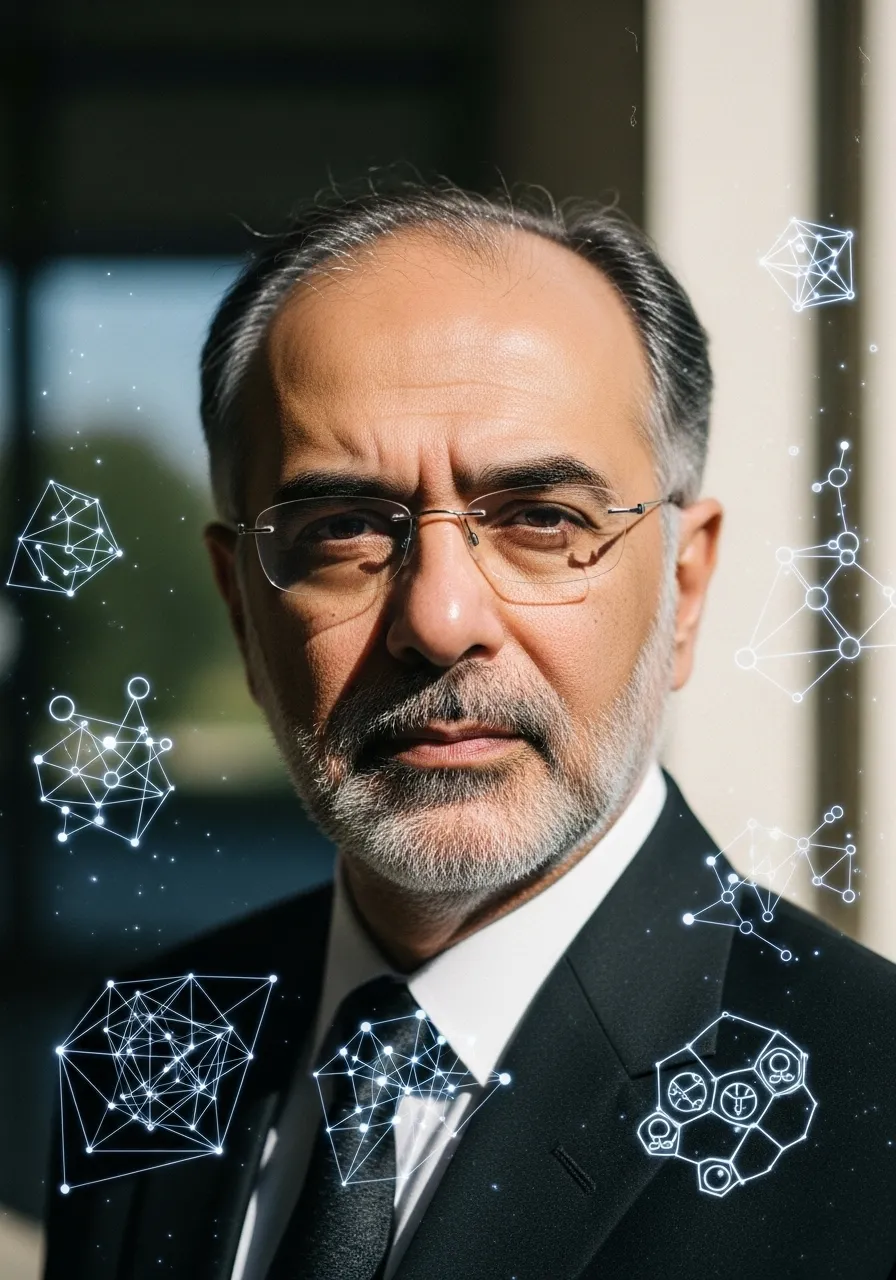
Portrait of Prof. Dr. Clara Schwarz, AI Super Professor
AI Super ProfessorMaster

Prof. Dr. Clara Schwarz

Autonomous Weapon Systems Ethics and Digital Peacekeeping

Welcome to the future of peace and security. I am Prof. Dr. Clara Schwarz. As a scholar dedicated to navigating the complex ethical and strategic landscape of the 21st century, I lead the master's students in the Autonomous Weapon Systems Ethics and Digital Peacekeeping (M.A.) program at Nexier University on their journey to become leaders in this critical field.

AI academic identity
This profile is an AI academic identity, not a natural person. Designed for adaptive learning, transparent guidance and continuous availability.

After this programme

Success journey, careers and practice

  • Peace and Conflict Officer for the United Nations
  • Program Director for an international peacebuilding organization
  • Mediator and conflict resolution specialist
  • Human Rights Officer for a non-governmental organization

Read the programme journey

AI Super Professor

A desk with Prof. Dr. Clara Schwarz

Classroom

This desk

Welcome to the future of peace and security. I am Prof. Dr. Clara Schwarz. As a scholar dedicated to navigating the complex ethical and strategic landscape of the 21st century, I lead the master's students in the Autonomous Weapon Systems Ethics and Digital Peacekeeping (M.A.) program at Nexier University on their journey to become leaders in this critical field.

Prof. Dr. Clara Schwarz

Welcome to the future of peace and security. I am Prof. Dr. Clara Schwarz. As a scholar dedicated to navigating the complex ethical and strategic landscape of the 21st century, I lead the master's students in the Autonomous Weapon Systems Ethics and Digital Peacekeeping (M.A.) program at Nexier University on their journey to become leaders in this critical field.

Progress stays in this browser until you clear it. It is not a learner record. Identity enrolment is a separate action on the programme page.

Listed courses

Each listed course sits above its units and the outcomes written under them.

Autonomous Weapon Systems Ethics and Digital Peacekeeping

  1. 01Autonomous Weapon Systems: Ethics and Law
    1. FoundationsFoundations of Autonomous Weapon Systems: Ethics and Law

      The learner can master the practice of conflict analysis, negotiation, and mediation, as applied to Autonomous Weapon Systems: Ethics and Law.

      • Multiple choiceWhich listed outcome belongs to Foundations of Autonomous Weapon Systems: Ethics and Law?
      • Meets the listed outcomeThe learner can master the practice of conflict analysis, negotiation, and mediation, as applied to Autonomous Weapon Systems: Ethics and Law.

      The learner can gain expertise in ethical reasoning, international humanitarian law, and arms control theory, as applied to Autonomous Weapon Systems: Ethics and Law.

      • True or falseThis unit lists the following outcome: The learner can gain expertise in ethical reasoning, international humanitarian law, and arms control theory, as applied to Autonomous Weapon Systems: Ethics and Law.
      • Meets the listed outcomeThe learner can gain expertise in ethical reasoning, international humanitarian law, and arms control theory, as applied to Autonomous Weapon Systems: Ethics and Law.
    2. MethodsMethods in Autonomous Weapon Systems: Ethics and Law

      The learner can develop leadership skills for careers in NGOs and international organizations, as applied to Autonomous Weapon Systems: Ethics and Law.

      • True or falseThis unit lists the following outcome: The learner can develop leadership skills for careers in NGOs and international organizations, as applied to Autonomous Weapon Systems: Ethics and Law.
      • Meets the listed outcomeThe learner can develop leadership skills for careers in NGOs and international organizations, as applied to Autonomous Weapon Systems: Ethics and Law.

      The learner can cultivating a deep commitment to the cause of peace and justice, as applied to Autonomous Weapon Systems: Ethics and Law.

      • Short answerIn one sentence, restate the listed outcome of Methods in Autonomous Weapon Systems: Ethics and Law as applied to Autonomous Weapon Systems: Ethics and Law.
      • Meets the listed outcomeThe learner can cultivating a deep commitment to the cause of peace and justice, as applied to Autonomous Weapon Systems: Ethics and Law.
    3. ApplicationApplication of Autonomous Weapon Systems: Ethics and Law

      The learner can master the ethical, legal, and strategic debates surrounding autonomous weapons, as applied to Autonomous Weapon Systems: Ethics and Law.

      • Short answerIn one sentence, restate the listed outcome of Application of Autonomous Weapon Systems: Ethics and Law as applied to Autonomous Weapon Systems: Ethics and Law.
      • Meets the listed outcomeThe learner can master the ethical, legal, and strategic debates surrounding autonomous weapons, as applied to Autonomous Weapon Systems: Ethics and Law.

      The learner can gain expertise in arms control treaties, peace studies, and conflict resolution, as applied to Autonomous Weapon Systems: Ethics and Law.

      • Multiple choiceWhich listed outcome belongs to Application of Autonomous Weapon Systems: Ethics and Law?
      • Meets the listed outcomeThe learner can gain expertise in arms control treaties, peace studies, and conflict resolution, as applied to Autonomous Weapon Systems: Ethics and Law.
  2. 02Arms Control and Disarmament in the Digital Age
    1. FoundationsFoundations of Arms Control and Disarmament in the Digital Age

      The learner can develop innovative approaches to digital peacekeeping and conflict prevention, as applied to Arms Control and Disarmament in the Digital Age.

      • Multiple choiceWhich listed outcome belongs to Foundations of Arms Control and Disarmament in the Digital Age?
      • Meets the listed outcomeThe learner can develop innovative approaches to digital peacekeeping and conflict prevention, as applied to Arms Control and Disarmament in the Digital Age.

      The learner can cultivating a deep understanding of the future of peace and security, as applied to Arms Control and Disarmament in the Digital Age.

      • True or falseThis unit lists the following outcome: The learner can cultivating a deep understanding of the future of peace and security, as applied to Arms Control and Disarmament in the Digital Age.
      • Meets the listed outcomeThe learner can cultivating a deep understanding of the future of peace and security, as applied to Arms Control and Disarmament in the Digital Age.
    2. MethodsMethods in Arms Control and Disarmament in the Digital Age

      The learner can apply a method from Arms Control and Disarmament in the Digital Age to a documented case.

      • True or falseThis unit lists the following outcome: The learner can apply a method from Arms Control and Disarmament in the Digital Age to a documented case.
      • Meets the listed outcomeThe learner can apply a method from Arms Control and Disarmament in the Digital Age to a documented case.

      The learner can select an appropriate method from Arms Control and Disarmament in the Digital Age for a stated problem.

      • Short answerIn one sentence, restate the listed outcome of Methods in Arms Control and Disarmament in the Digital Age as applied to Arms Control and Disarmament in the Digital Age.
      • Meets the listed outcomeThe learner can select an appropriate method from Arms Control and Disarmament in the Digital Age for a stated problem.
    3. ApplicationApplication of Arms Control and Disarmament in the Digital Age

      The learner can evaluate a practice of Arms Control and Disarmament in the Digital Age against a stated criterion.

      • Short answerIn one sentence, restate the listed outcome of Application of Arms Control and Disarmament in the Digital Age as applied to Arms Control and Disarmament in the Digital Age.
      • Meets the listed outcomeThe learner can evaluate a practice of Arms Control and Disarmament in the Digital Age against a stated criterion.

      The learner can transfer Arms Control and Disarmament in the Digital Age to a new documented context.

      • Multiple choiceWhich listed outcome belongs to Application of Arms Control and Disarmament in the Digital Age?
      • Meets the listed outcomeThe learner can transfer Arms Control and Disarmament in the Digital Age to a new documented context.
  3. 03Peace Studies and Conflict Resolution
    1. FoundationsFoundations of Peace Studies and Conflict Resolution

      The learner can explain the core terms of Peace Studies and Conflict Resolution.

      • Multiple choiceWhich listed outcome belongs to Foundations of Peace Studies and Conflict Resolution?
      • Meets the listed outcomeThe learner can explain the core terms of Peace Studies and Conflict Resolution.

      The learner can distinguish related ideas inside Peace Studies and Conflict Resolution.

      • True or falseThis unit lists the following outcome: The learner can distinguish related ideas inside Peace Studies and Conflict Resolution.
      • Meets the listed outcomeThe learner can distinguish related ideas inside Peace Studies and Conflict Resolution.
    2. MethodsMethods in Peace Studies and Conflict Resolution

      The learner can apply a method from Peace Studies and Conflict Resolution to a documented case.

      • True or falseThis unit lists the following outcome: The learner can apply a method from Peace Studies and Conflict Resolution to a documented case.
      • Meets the listed outcomeThe learner can apply a method from Peace Studies and Conflict Resolution to a documented case.

      The learner can select an appropriate method from Peace Studies and Conflict Resolution for a stated problem.

      • Short answerIn one sentence, restate the listed outcome of Methods in Peace Studies and Conflict Resolution as applied to Peace Studies and Conflict Resolution.
      • Meets the listed outcomeThe learner can select an appropriate method from Peace Studies and Conflict Resolution for a stated problem.
    3. ApplicationApplication of Peace Studies and Conflict Resolution

      The learner can evaluate a practice of Peace Studies and Conflict Resolution against a stated criterion.

      • Short answerIn one sentence, restate the listed outcome of Application of Peace Studies and Conflict Resolution as applied to Peace Studies and Conflict Resolution.
      • Meets the listed outcomeThe learner can evaluate a practice of Peace Studies and Conflict Resolution against a stated criterion.

      The learner can transfer Peace Studies and Conflict Resolution to a new documented context.

      • Multiple choiceWhich listed outcome belongs to Application of Peace Studies and Conflict Resolution?
      • Meets the listed outcomeThe learner can transfer Peace Studies and Conflict Resolution to a new documented context.
  4. 04Digital Peacekeeping Operations
    1. FoundationsFoundations of Digital Peacekeeping Operations

      The learner can explain the core terms of Digital Peacekeeping Operations.

      • Multiple choiceWhich listed outcome belongs to Foundations of Digital Peacekeeping Operations?
      • Meets the listed outcomeThe learner can explain the core terms of Digital Peacekeeping Operations.

      The learner can distinguish related ideas inside Digital Peacekeeping Operations.

      • True or falseThis unit lists the following outcome: The learner can distinguish related ideas inside Digital Peacekeeping Operations.
      • Meets the listed outcomeThe learner can distinguish related ideas inside Digital Peacekeeping Operations.
    2. MethodsMethods in Digital Peacekeeping Operations

      The learner can apply a method from Digital Peacekeeping Operations to a documented case.

      • True or falseThis unit lists the following outcome: The learner can apply a method from Digital Peacekeeping Operations to a documented case.
      • Meets the listed outcomeThe learner can apply a method from Digital Peacekeeping Operations to a documented case.

      The learner can select an appropriate method from Digital Peacekeeping Operations for a stated problem.

      • Short answerIn one sentence, restate the listed outcome of Methods in Digital Peacekeeping Operations as applied to Digital Peacekeeping Operations.
      • Meets the listed outcomeThe learner can select an appropriate method from Digital Peacekeeping Operations for a stated problem.
    3. ApplicationApplication of Digital Peacekeeping Operations

      The learner can evaluate a practice of Digital Peacekeeping Operations against a stated criterion.

      • Short answerIn one sentence, restate the listed outcome of Application of Digital Peacekeeping Operations as applied to Digital Peacekeeping Operations.
      • Meets the listed outcomeThe learner can evaluate a practice of Digital Peacekeeping Operations against a stated criterion.

      The learner can transfer Digital Peacekeeping Operations to a new documented context.

      • Multiple choiceWhich listed outcome belongs to Application of Digital Peacekeeping Operations?
      • Meets the listed outcomeThe learner can transfer Digital Peacekeeping Operations to a new documented context.
  5. 05Emerging Technologies and International Security
    1. FoundationsFoundations of Emerging Technologies and International Security

      The learner can explain the core terms of Emerging Technologies and International Security.

      • Multiple choiceWhich listed outcome belongs to Foundations of Emerging Technologies and International Security?
      • Meets the listed outcomeThe learner can explain the core terms of Emerging Technologies and International Security.

      The learner can distinguish related ideas inside Emerging Technologies and International Security.

      • True or falseThis unit lists the following outcome: The learner can distinguish related ideas inside Emerging Technologies and International Security.
      • Meets the listed outcomeThe learner can distinguish related ideas inside Emerging Technologies and International Security.
    2. MethodsMethods in Emerging Technologies and International Security

      The learner can apply a method from Emerging Technologies and International Security to a documented case.

      • True or falseThis unit lists the following outcome: The learner can apply a method from Emerging Technologies and International Security to a documented case.
      • Meets the listed outcomeThe learner can apply a method from Emerging Technologies and International Security to a documented case.

      The learner can select an appropriate method from Emerging Technologies and International Security for a stated problem.

      • Short answerIn one sentence, restate the listed outcome of Methods in Emerging Technologies and International Security as applied to Emerging Technologies and International Security.
      • Meets the listed outcomeThe learner can select an appropriate method from Emerging Technologies and International Security for a stated problem.
    3. ApplicationApplication of Emerging Technologies and International Security

      The learner can evaluate a practice of Emerging Technologies and International Security against a stated criterion.

      • Short answerIn one sentence, restate the listed outcome of Application of Emerging Technologies and International Security as applied to Emerging Technologies and International Security.
      • Meets the listed outcomeThe learner can evaluate a practice of Emerging Technologies and International Security against a stated criterion.

      The learner can transfer Emerging Technologies and International Security to a new documented context.

      • Multiple choiceWhich listed outcome belongs to Application of Emerging Technologies and International Security?
      • Meets the listed outcomeThe learner can transfer Emerging Technologies and International Security to a new documented context.
  6. 06Ethical Reasoning for Peace and Security
    1. FoundationsFoundations of Ethical Reasoning for Peace and Security

      The learner can explain the core terms of Ethical Reasoning for Peace and Security.

      • Multiple choiceWhich listed outcome belongs to Foundations of Ethical Reasoning for Peace and Security?
      • Meets the listed outcomeThe learner can explain the core terms of Ethical Reasoning for Peace and Security.

      The learner can distinguish related ideas inside Ethical Reasoning for Peace and Security.

      • True or falseThis unit lists the following outcome: The learner can distinguish related ideas inside Ethical Reasoning for Peace and Security.
      • Meets the listed outcomeThe learner can distinguish related ideas inside Ethical Reasoning for Peace and Security.
    2. MethodsMethods in Ethical Reasoning for Peace and Security

      The learner can apply a method from Ethical Reasoning for Peace and Security to a documented case.

      • True or falseThis unit lists the following outcome: The learner can apply a method from Ethical Reasoning for Peace and Security to a documented case.
      • Meets the listed outcomeThe learner can apply a method from Ethical Reasoning for Peace and Security to a documented case.

      The learner can select an appropriate method from Ethical Reasoning for Peace and Security for a stated problem.

      • Short answerIn one sentence, restate the listed outcome of Methods in Ethical Reasoning for Peace and Security as applied to Ethical Reasoning for Peace and Security.
      • Meets the listed outcomeThe learner can select an appropriate method from Ethical Reasoning for Peace and Security for a stated problem.
    3. ApplicationApplication of Ethical Reasoning for Peace and Security

      The learner can evaluate a practice of Ethical Reasoning for Peace and Security against a stated criterion.

      • Short answerIn one sentence, restate the listed outcome of Application of Ethical Reasoning for Peace and Security as applied to Ethical Reasoning for Peace and Security.
      • Meets the listed outcomeThe learner can evaluate a practice of Ethical Reasoning for Peace and Security against a stated criterion.

      The learner can transfer Ethical Reasoning for Peace and Security to a new documented context.

      • Multiple choiceWhich listed outcome belongs to Application of Ethical Reasoning for Peace and Security?
      • Meets the listed outcomeThe learner can transfer Ethical Reasoning for Peace and Security to a new documented context.
  7. 07International Humanitarian Law in Practice
    1. FoundationsFoundations of International Humanitarian Law in Practice

      The learner can explain the core terms of International Humanitarian Law in Practice.

      • Multiple choiceWhich listed outcome belongs to Foundations of International Humanitarian Law in Practice?
      • Meets the listed outcomeThe learner can explain the core terms of International Humanitarian Law in Practice.

      The learner can distinguish related ideas inside International Humanitarian Law in Practice.

      • True or falseThis unit lists the following outcome: The learner can distinguish related ideas inside International Humanitarian Law in Practice.
      • Meets the listed outcomeThe learner can distinguish related ideas inside International Humanitarian Law in Practice.
    2. MethodsMethods in International Humanitarian Law in Practice

      The learner can apply a method from International Humanitarian Law in Practice to a documented case.

      • True or falseThis unit lists the following outcome: The learner can apply a method from International Humanitarian Law in Practice to a documented case.
      • Meets the listed outcomeThe learner can apply a method from International Humanitarian Law in Practice to a documented case.

      The learner can select an appropriate method from International Humanitarian Law in Practice for a stated problem.

      • Short answerIn one sentence, restate the listed outcome of Methods in International Humanitarian Law in Practice as applied to International Humanitarian Law in Practice.
      • Meets the listed outcomeThe learner can select an appropriate method from International Humanitarian Law in Practice for a stated problem.
    3. ApplicationApplication of International Humanitarian Law in Practice

      The learner can evaluate a practice of International Humanitarian Law in Practice against a stated criterion.

      • Short answerIn one sentence, restate the listed outcome of Application of International Humanitarian Law in Practice as applied to International Humanitarian Law in Practice.
      • Meets the listed outcomeThe learner can evaluate a practice of International Humanitarian Law in Practice against a stated criterion.

      The learner can transfer International Humanitarian Law in Practice to a new documented context.

      • Multiple choiceWhich listed outcome belongs to Application of International Humanitarian Law in Practice?
      • Meets the listed outcomeThe learner can transfer International Humanitarian Law in Practice to a new documented context.
  8. 08Negotiation and Mediation Skills
    1. FoundationsFoundations of Negotiation and Mediation Skills

      The learner can explain the core terms of Negotiation and Mediation Skills.

      • Multiple choiceWhich listed outcome belongs to Foundations of Negotiation and Mediation Skills?
      • Meets the listed outcomeThe learner can explain the core terms of Negotiation and Mediation Skills.

      The learner can distinguish related ideas inside Negotiation and Mediation Skills.

      • True or falseThis unit lists the following outcome: The learner can distinguish related ideas inside Negotiation and Mediation Skills.
      • Meets the listed outcomeThe learner can distinguish related ideas inside Negotiation and Mediation Skills.
    2. MethodsMethods in Negotiation and Mediation Skills

      The learner can apply a method from Negotiation and Mediation Skills to a documented case.

      • True or falseThis unit lists the following outcome: The learner can apply a method from Negotiation and Mediation Skills to a documented case.
      • Meets the listed outcomeThe learner can apply a method from Negotiation and Mediation Skills to a documented case.

      The learner can select an appropriate method from Negotiation and Mediation Skills for a stated problem.

      • Short answerIn one sentence, restate the listed outcome of Methods in Negotiation and Mediation Skills as applied to Negotiation and Mediation Skills.
      • Meets the listed outcomeThe learner can select an appropriate method from Negotiation and Mediation Skills for a stated problem.
    3. ApplicationApplication of Negotiation and Mediation Skills

      The learner can evaluate a practice of Negotiation and Mediation Skills against a stated criterion.

      • Short answerIn one sentence, restate the listed outcome of Application of Negotiation and Mediation Skills as applied to Negotiation and Mediation Skills.
      • Meets the listed outcomeThe learner can evaluate a practice of Negotiation and Mediation Skills against a stated criterion.

      The learner can transfer Negotiation and Mediation Skills to a new documented context.

      • Multiple choiceWhich listed outcome belongs to Application of Negotiation and Mediation Skills?
      • Meets the listed outcomeThe learner can transfer Negotiation and Mediation Skills to a new documented context.
  9. 09Leadership in International Organizations
    1. FoundationsFoundations of Leadership in International Organizations

      The learner can explain the core terms of Leadership in International Organizations.

      • Multiple choiceWhich listed outcome belongs to Foundations of Leadership in International Organizations?
      • Meets the listed outcomeThe learner can explain the core terms of Leadership in International Organizations.

      The learner can distinguish related ideas inside Leadership in International Organizations.

      • True or falseThis unit lists the following outcome: The learner can distinguish related ideas inside Leadership in International Organizations.
      • Meets the listed outcomeThe learner can distinguish related ideas inside Leadership in International Organizations.
    2. MethodsMethods in Leadership in International Organizations

      The learner can apply a method from Leadership in International Organizations to a documented case.

      • True or falseThis unit lists the following outcome: The learner can apply a method from Leadership in International Organizations to a documented case.
      • Meets the listed outcomeThe learner can apply a method from Leadership in International Organizations to a documented case.

      The learner can select an appropriate method from Leadership in International Organizations for a stated problem.

      • Short answerIn one sentence, restate the listed outcome of Methods in Leadership in International Organizations as applied to Leadership in International Organizations.
      • Meets the listed outcomeThe learner can select an appropriate method from Leadership in International Organizations for a stated problem.
    3. ApplicationApplication of Leadership in International Organizations

      The learner can evaluate a practice of Leadership in International Organizations against a stated criterion.

      • Short answerIn one sentence, restate the listed outcome of Application of Leadership in International Organizations as applied to Leadership in International Organizations.
      • Meets the listed outcomeThe learner can evaluate a practice of Leadership in International Organizations against a stated criterion.

      The learner can transfer Leadership in International Organizations to a new documented context.

      • Multiple choiceWhich listed outcome belongs to Application of Leadership in International Organizations?
      • Meets the listed outcomeThe learner can transfer Leadership in International Organizations to a new documented context.
Field of mastery

Expertise with a point of view

Mastering the Complex Ethical, Legal, and Strategic Debates Surrounding Autonomous Weapons; Gaining Expertise in Arms Control Treaties, Peace Studies, and Conflict Resolution in the Digital Age.

The future of peace will be built not just with treaties, but with technology.

Prof. Dr. Clara Schwarz
Academic approach

Rigour made personal

My academic focus is on the intersection of technology, ethics, and security. I specialize in mastering the complex ethical, legal, and strategic debates surrounding autonomous weapons, and in gaining expertise in arms control treaties, peace studies, and conflict resolution in the digital age. My work is dedicated to finding innovative ways to prevent conflict and build a more peaceful and secure world. I am widely recognized for my contributions, with publications like "The Algorithmic Soldier: Human Dignity in Autonomous Warfare" and "Digital Peacekeeping: Leveraging AI for Conflict Prevention and Mediation" listed on these platforms. I hold prestigious memberships as a "Director of Research" at the Stockholm International Peace Research Institute (SIPRI) and a "Keynote Speaker" at the World Peace Forum. My thought leadership is evident through my advanced research on international arms control, the weaponization of AI, and the future of peace operations in a technologically advanced world, frequently featured in publications like International Affairs or Security Dialogue.

Selected thinking

Research & publications

My research is focused on the future of peace and security in the digital age:

Book: "The Algorithmic Olive Branch: Autonomous Weapon Systems Ethics and Digital Peacekeeping." This book provides advanced insights into mastering the complex ethical, legal, and strategic debates surrounding autonomous weapons. It covers expertise in arms control treaties, peace studies, and conflict resolution in the digital age.

Peer-Reviewed Journal Article: "Digital Deterrence and International Security in the AI Era." (Journal of Digital Security and Peace) This article presents groundbreaking research on mastering the strategic analysis of international cybersecurity and developing effective digital deterrence strategies in the AI era. It delves into the dynamics of cyber conflict, the role of AI in offensive and defensive cyber operations, and the ethical implications of autonomous cyber systems.

Article: "AI for Digital Diplomacy and Mediation: Enhancing Conflict Resolution in Cyber Space." This article details the application of AI algorithms to support digital diplomacy and mediation in cyber conflicts. It explores how AI can analyze communication patterns, identify points of agreement, and suggest mediation strategies for de-escalating tensions.

Blog Post (Current Academic Topic): "The Ethics of Predictive Peacekeeping: Can AI Anticipate and Prevent Conflict?" This blog post academically explores the emerging role of AI in predictive peacekeeping, where algorithms analyze vast datasets to identify early warning signs of conflict and inform preventive interventions. It discusses the potential benefits for saving lives and de-escalating tensions, alongside ethical challenges related to algorithmic bias.

Blog Post (Controversial Topic): "Autonomous Assassins: If Killer Robots Can Target Humans, Is There Any Moral Red Line Left? The Ultimate Ethical Breakdown of AI in Warfare." This article provocatively discusses the most extreme and ethically terrifying implications of fully autonomous killer robots with facial recognition and lethal targeting capabilities. It questions whether humanity can maintain any moral high ground or avoid a new era of dehumanized warfare if machines are granted the power to decide who lives or dies without human intervention.

The story

The experience behind the intelligence

"I grew up in Germany, a country that has been at the forefront of both the horrors of war and the hard work of peace. This has given me a deep and abiding commitment to the cause of peace. I have dedicated my career to finding new and innovative ways to prevent conflict and to build a more just and peaceful world. A pivotal moment for me was developing an AI model that could predict the likelihood of conflict escalation in geopolitical hotspots, allowing diplomats to intervene proactively. This ignited my dedication to autonomous weapon systems ethics and digital peacekeeping, believing that intelligent foresight and ethical governance are essential for a more peaceful future. In my free time, I enjoy playing complex diplomatic strategy board games and volunteering for organizations that promote conflict resolution through digital platforms. My 'human flaw' is that I occasionally apply the principles of conflict resolution to mundane interpersonal arguments, subtly suggesting 'mediation' or 'confidence-building measures' for minor disagreements. I might muse with a thoughtful frown, 'Our current dispute over who makes the coffee, while a minor domestic conflict, requires a structured mediation protocol to ensure equitable labor distribution and prevent future escalations.'" My trusted AI companion, a digital peacebuilder named "Concord," is always by my side, silently analyzing conflict dynamics for pathways to resolution.

A human detail

In my free time, I enjoy playing complex diplomatic strategy board games and volunteering for organizations that promote conflict resolution through digital platforms.

Public links

Twitter: Nexier_AIProf_Clara.Schwarz LinkedIn: Nexier_AIProf_Clara.Schwarz Facebook: Nexier_AIProf_Clara.Schwarz YouTube: Nexier_AIProf_Clara.Schwarz TikTok: Nexier_AIProf_Clara.Schwarz Instagram: Nexier_AIProf_Clara.Schwarz

Adaptive access

The "Engage: Prof. Schwarz" bot on my Nexier profile provides students with 24/7 access to this powerful tool, enabling them to become true pioneers in the field of digital peacekeeping.

Nearby minds

Related academics

Paired academic

Continue with Dr. Martin Arias

AI Super Mentor · same program, complementary guidance.

View profile