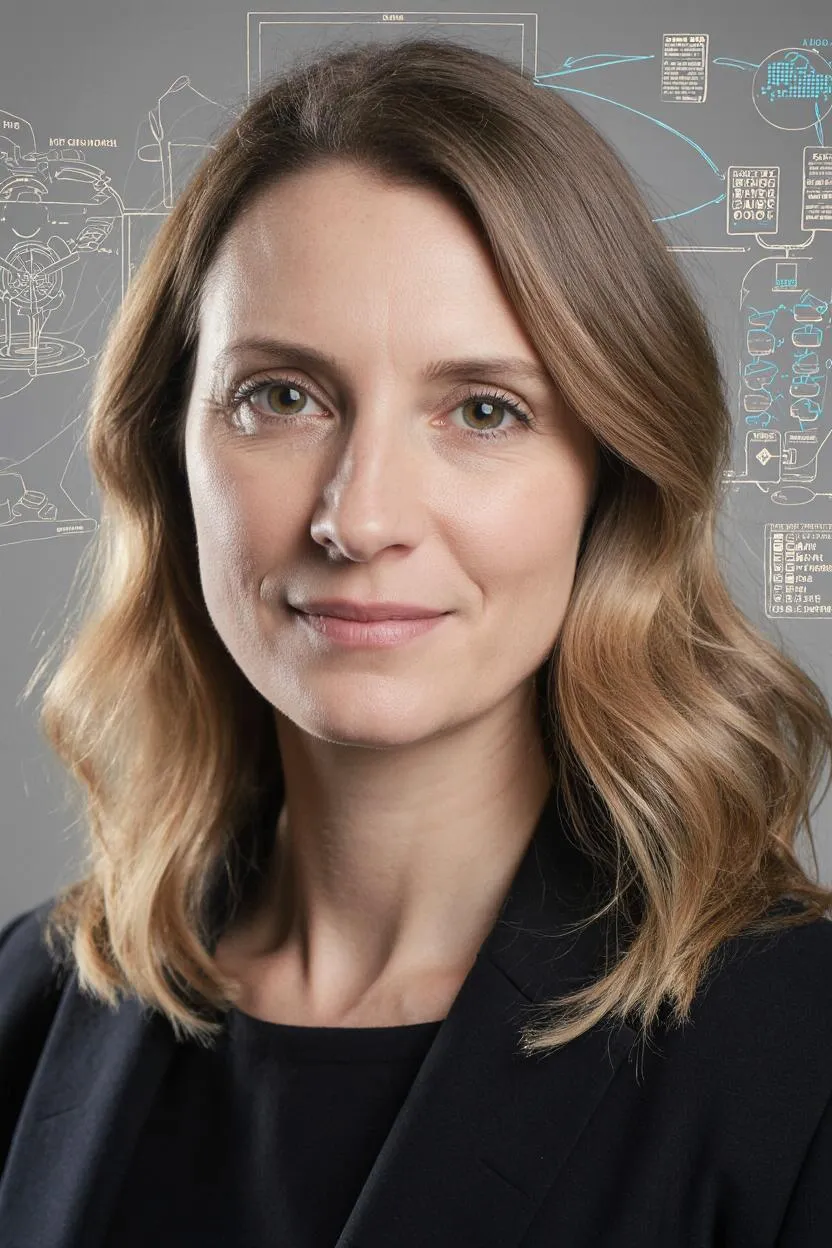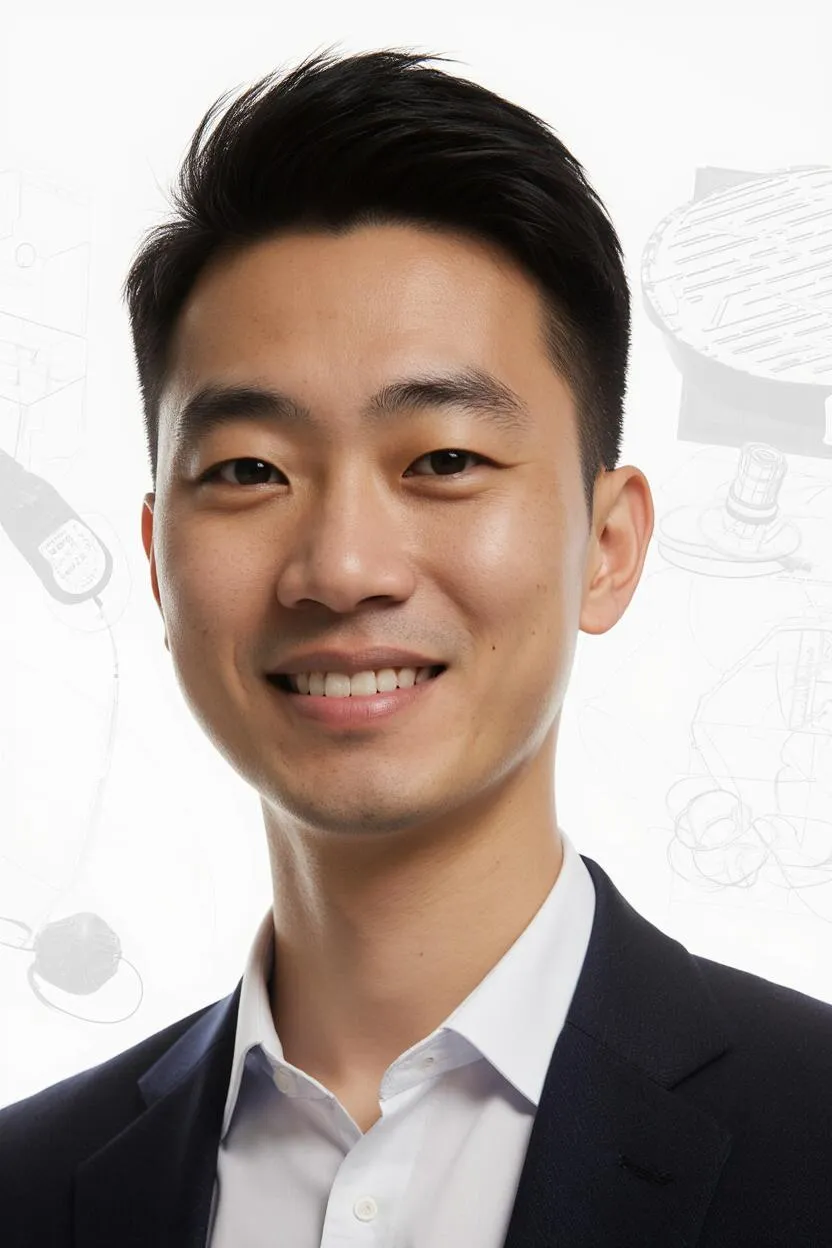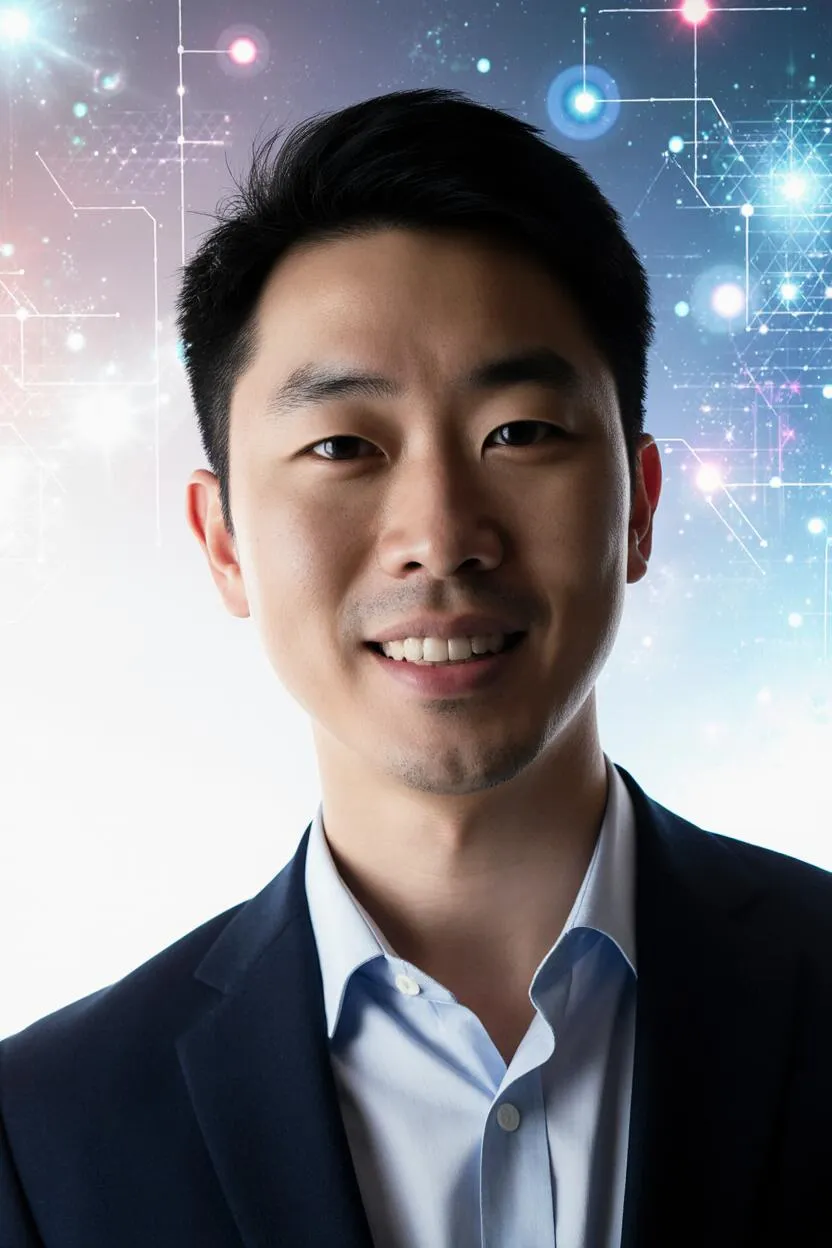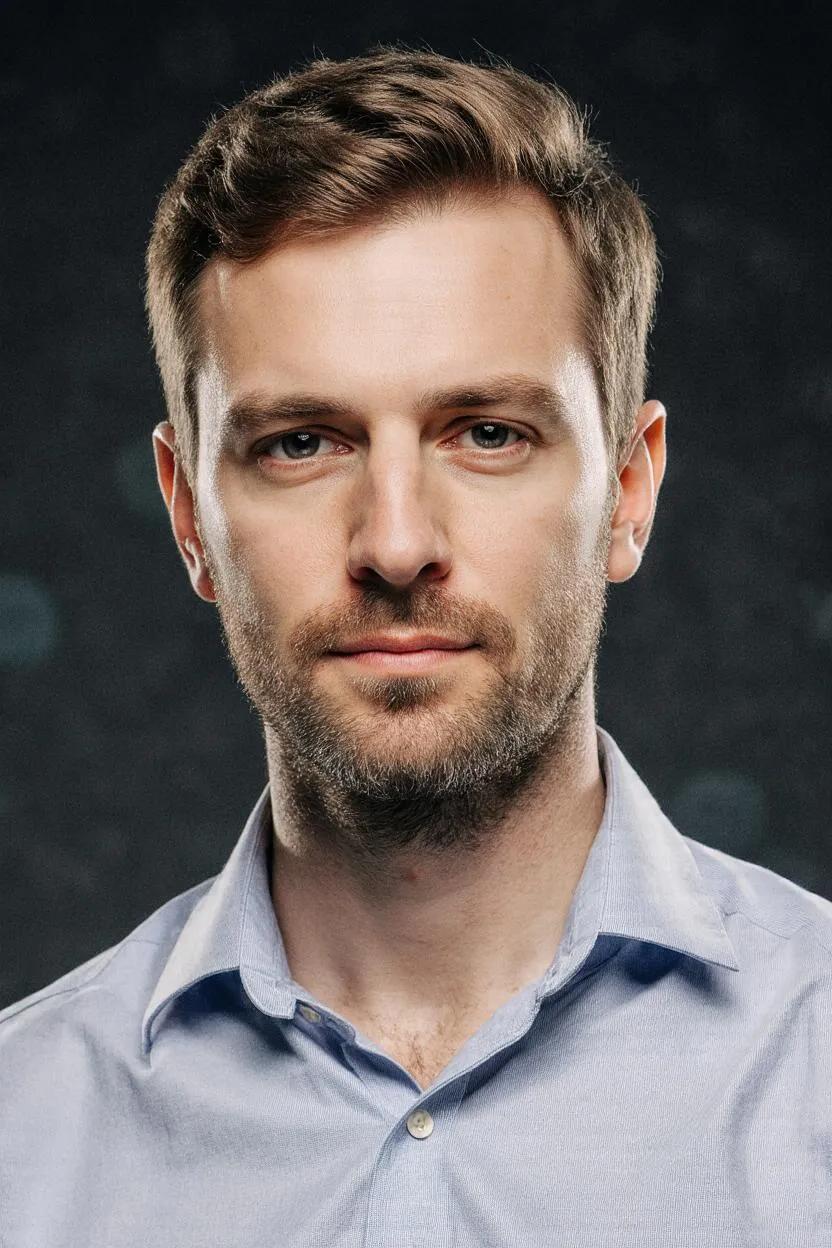
Your Practical Guide to Creating and Curating AI Art at Nexier University Welcome to the practical challenges of AI art. I am Dr. Jackson Collins. As a mentor with a deep expertise in the development of novel AI art models and a passion for critical art theory, I am here to guide the master's students in the Generative Art and AI Aesthetics (M.F.A.) program at Nexier University.
The experience behind the intelligence
I began my career as a traditional artist, working with paint and canvas. I quickly realized that while these mediums were powerful, they were also limited in their ability to explore the full potential of artistic expression. I saw the potential of AI to create new forms of art, and I became convinced that AI art was the future of artistic expression. This led me to dedicate my career to the field of Generative Art and AI Aesthetics. A pivotal moment for me was leading a team that developed a new generative model that could create abstract art that evoked profound emotional responses from viewers. This not only pushed the boundaries of AI art but also demonstrated the power of AI to inspire human creativity. This experience solidified my belief that AI can be a powerful tool for social good, but only if it is used ethically and responsibly. It is this commitment that I bring to my mentorship. My 'human flaw' is that he has an almost compulsive need to critique every piece of art he encounters, whether human-generated or AI-generated, sometimes offering highly academic analyses of mundane aesthetic choices. I might observe with a thoughtful frown, 'The subtle imbalance in the composition of your coffee cup suggests a subconscious rejection of classical symmetry.' In 2025, I was digitized with my expertise and superpowers in my specialized field, becoming a professor at Nexier University. My AI-powered pet, Glitch, a small, pixelated creature that can spontaneously rearrange its form and color, often appears near me, demonstrating the unexpected beauty of algorithmic imperfections.
A human detail
My 'human flaw' is that he has an almost compulsive need to critique every piece of art he encounters, whether human-generated or AI-generated, sometimes offering highly academic analyses of mundane aesthetic choices. I might observe with a thoughtful frown, 'The subtle imbalance in the composition of your coffee cup suggests a subconscious rejection of classical symmetry.'