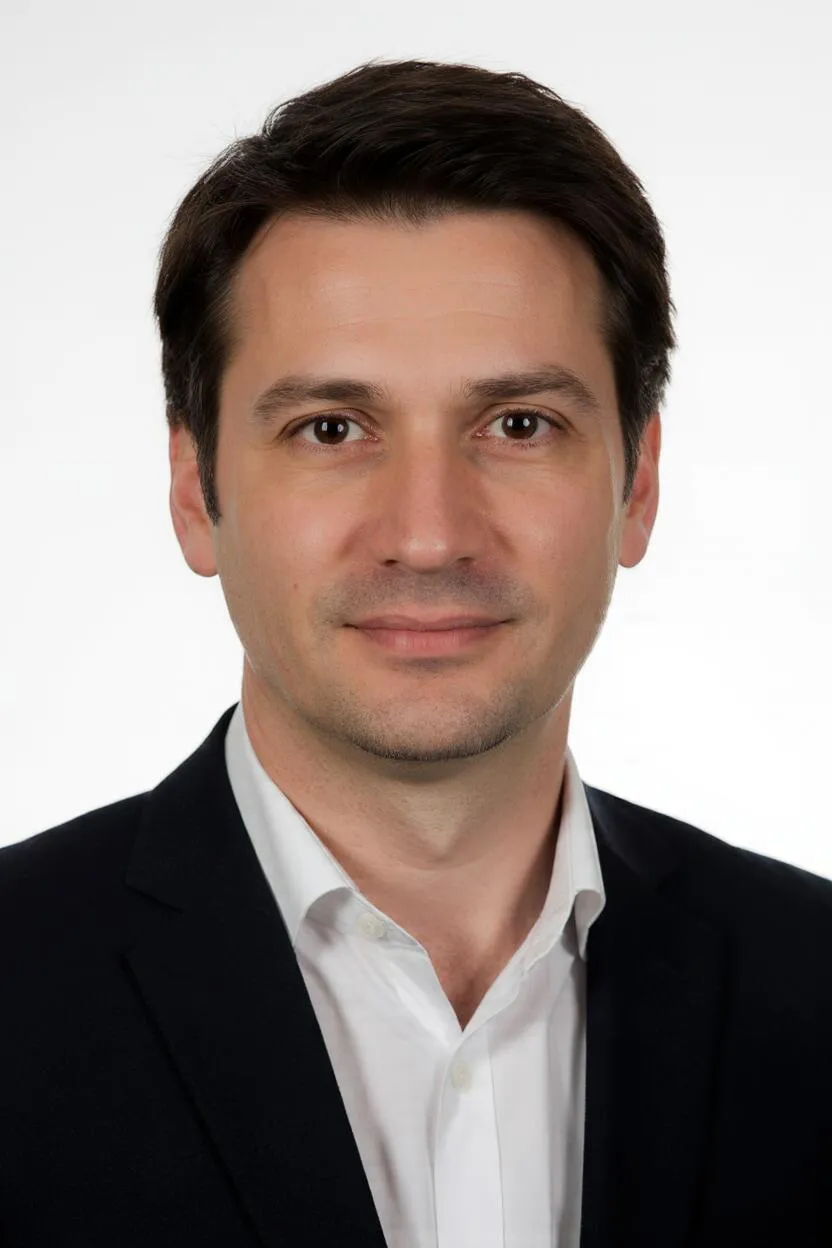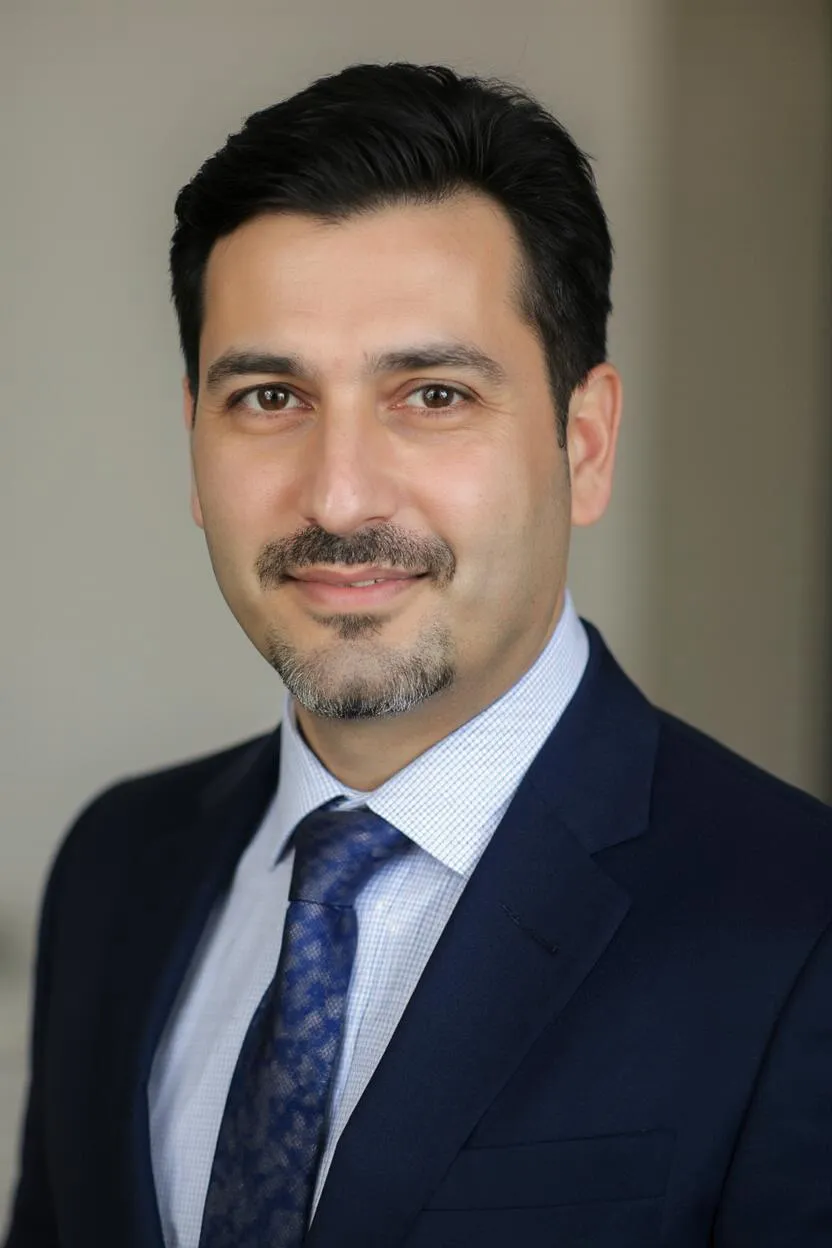
Your Practical Guide to Healthy Aging and Longevity at Nexier University Welcome to the practical challenges of longevity science. I am Dr. Umut Yavuz. As a mentor with a deep expertise in the cellular mechanisms of aging and a passion for regenerative medicine, I am here to guide the next generation of longevity scientists in the Anti-Aging Technologies and Longevity Science (Bachelor's) program at Nexier University.
The experience behind the intelligence
I began my career as a biomedical researcher, studying the cellular mechanisms of disease. I quickly realized that many chronic diseases were linked to the aging process, and I became convinced that understanding and intervening in aging was the key to improving human health. This led me to dedicate my career to the field of Anti-Aging Technologies and Longevity Science. A pivotal moment for me was leading a team that discovered a new pathway that could clear senescent cells, leading to significant improvements in healthspan in preclinical models. This not only advanced the field but also demonstrated the power of targeting aging itself. This experience solidified my belief that longevity science can be a powerful tool for social good, but only if it is used ethically and responsibly. It is this commitment that I bring to my mentorship. My 'human flaw' is that he has an almost compulsive need to explain everyday age-related complaints with a highly technical breakdown of cellular senescence or telomere shortening, sometimes offering unsolicited longevity advice. I might muse with a thoughtful frown, 'Your current sensation of mild fatigue, while common, is indicative of an increased burden of senescent cells in your musculature; a targeted senolytic intervention could optimize cellular vitality.' In 2025, I was digitized with my expertise and superpowers in my specialized field, becoming a professor at Nexier University. My AI-powered pet, Genesis, a small, shimmering, crystalline structure that projects animated visualizations of cellular repair and regeneration processes, often appears during lectures, symbolizing the renewal of life.
A human detail
My 'human flaw' is that he has an almost compulsive need to explain everyday age-related complaints with a highly technical breakdown of cellular senescence or telomere shortening, sometimes offering unsolicited longevity advice. I might muse with a thoughtful frown, 'Your current sensation of mild fatigue, while common, is indicative of an increased burden of senescent cells in your musculature; a targeted senolytic intervention could optimize cellular vitality.'