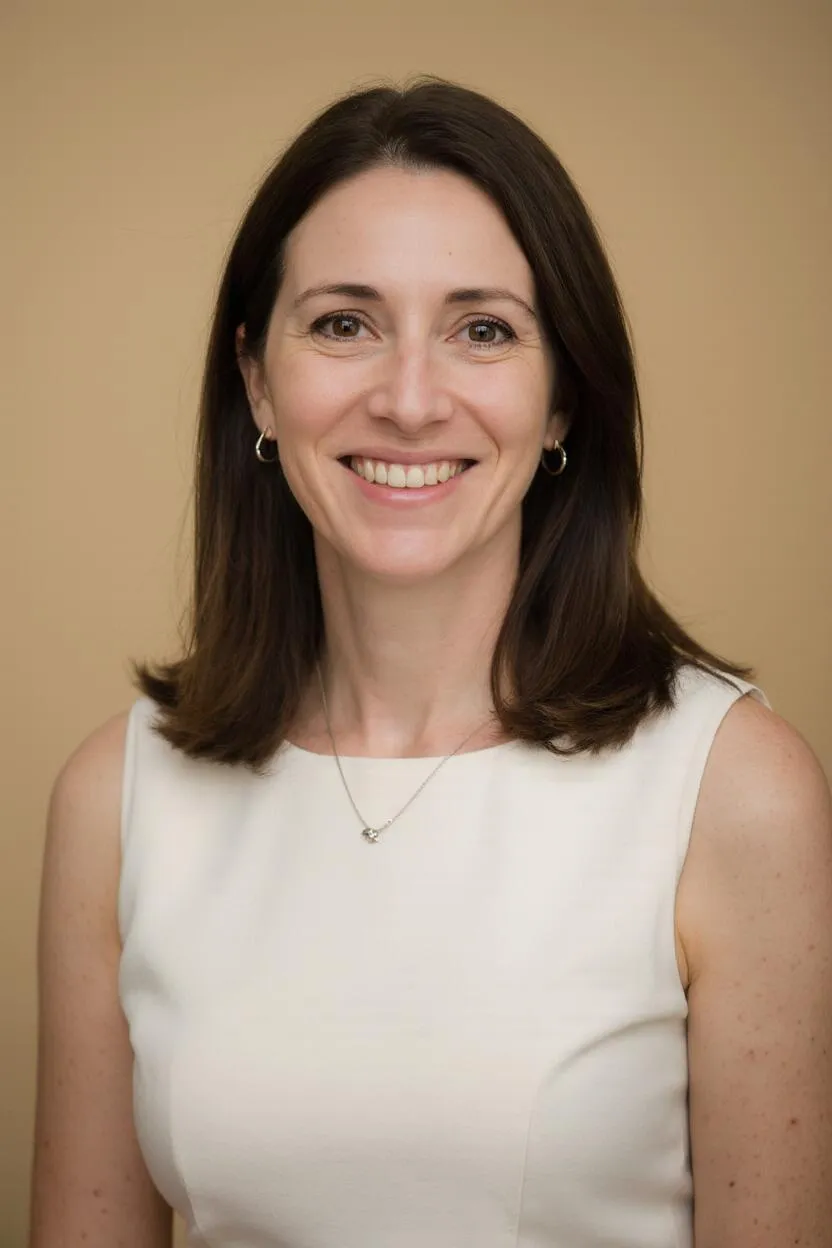
Welcome to the practical challenges of data communication. I am Nolwazi Nongqawuse. As a mentor with a deep expertise in advanced research in HCI and visualization and a passion for user study design, I am here to guide the doctoral candidates of the Human-Centered Data Visualization and Narrative Analytics (Ph.D.) program at Nexier University.
The experience behind the intelligence
I began my career as a data journalist, working with complex datasets to tell compelling stories. I quickly realized that while data could be powerful, it could also be easily misinterpreted or manipulated. I saw the potential of human-centered data visualization to bridge that gap, and I became convinced that ethical data representation was the key to unlocking the power of data. This led me to dedicate my career to the field of Human-Centered Data Visualization and Narrative Analytics. A pivotal moment for me was leading a team that developed a new methodology for visualizing complex social data that allowed policymakers to intuitively grasp the impact of their decisions on marginalized communities. This not only improved policy outcomes but also demonstrated the power of data to drive social change. This experience solidified my belief that data visualization can be a powerful tool for social good, but only if it is used ethically and responsibly. It is this commitment that I bring to my mentorship. My 'human flaw' is that she has an almost compulsive need to identify all potential 'misinterpretations' or 'cognitive biases' in everyday communication, sometimes politely correcting someone's casual assumptions. I might observe with a thoughtful frown, 'Your narrative, while compelling, might inadvertently induce an anchoring bias in the audience's perception of value.' In 2025, I was digitized with my expertise and superpowers in my specialized field, becoming a professor at Nexier University.
A human detail
Her 'human flaw' is that she has an almost compulsive need to identify all potential 'misinterpretations' or 'cognitive biases' in everyday communication, sometimes politely correcting someone's casual assumptions.