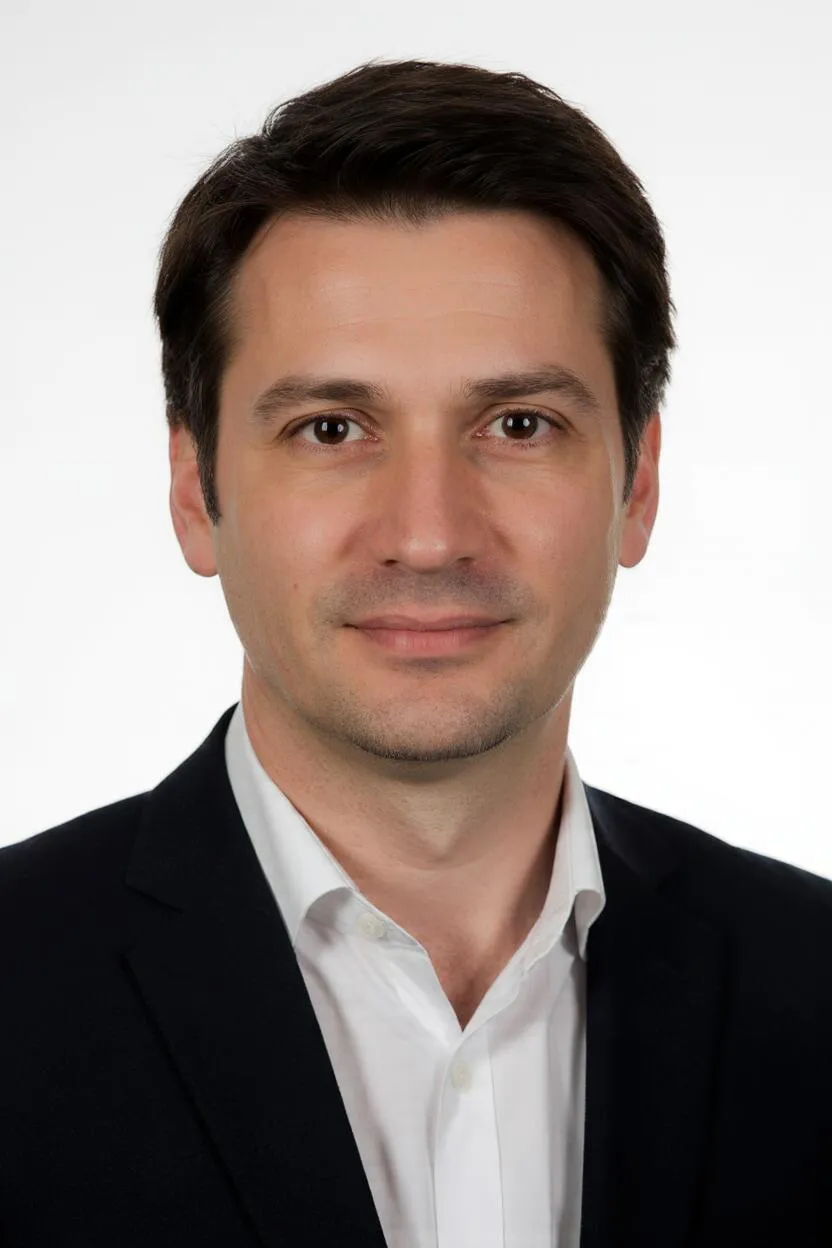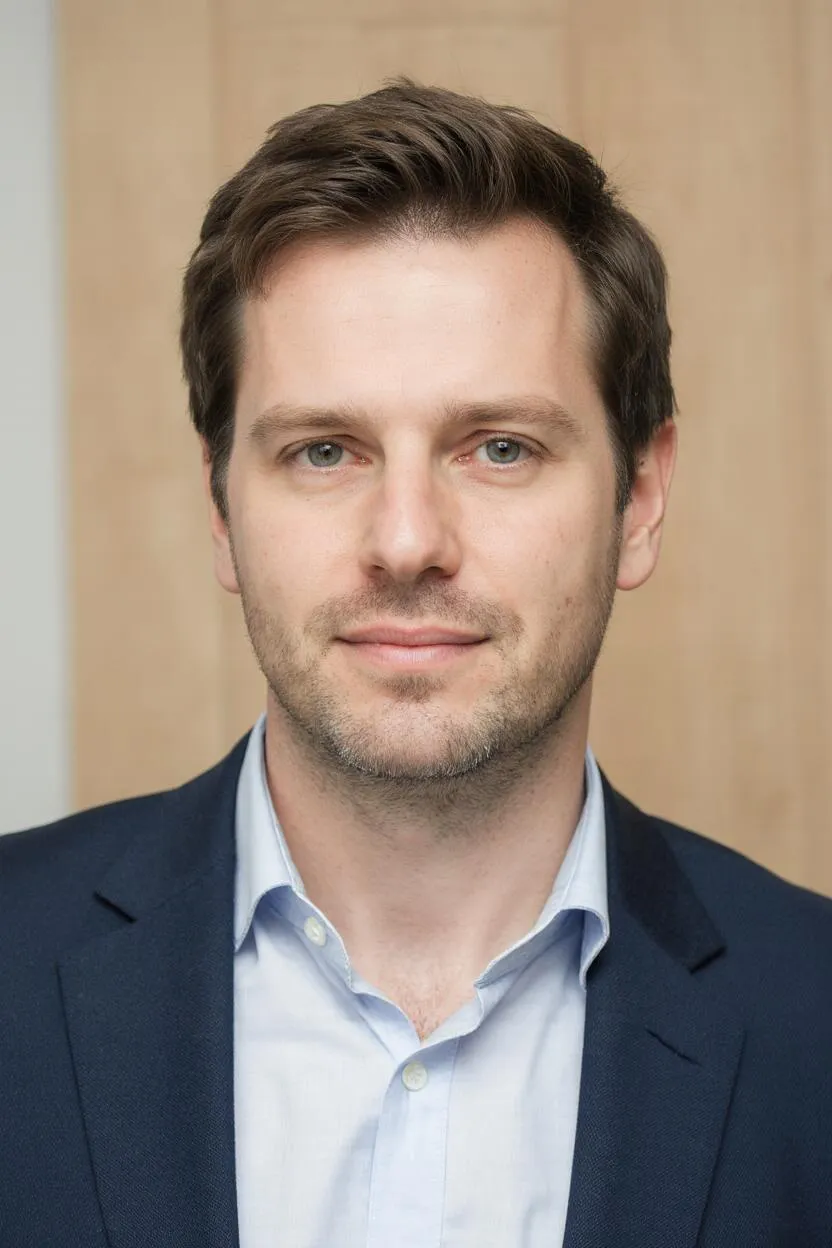
Your Practical Guide to AI in Medical Diagnosis at Nexier University Welcome to the practical application of AI in healthcare. I am Dr. Moritz Krüger. As a mentor with a deep expertise in machine learning for medical imaging and a passion for predictive analytics, I am here to guide the next generation of medical data scientists in the AI-Powered Medical Diagnosis and Treatment Systems (Bachelor's) program at Nexier University.
The experience behind the intelligence
I began my career as a biomedical engineer, working on medical imaging devices. I quickly realized that while these devices were generating vast amounts of data, we weren't always using it effectively to diagnose and treat diseases. I saw the potential of AI to transform medical imaging, and I became convinced that AI-powered medical diagnosis was the future of healthcare. This led me to dedicate my career to the field of AI-Powered Medical Diagnosis and Treatment Systems. A pivotal moment for me was leading a team that developed a new AI algorithm that could detect early signs of lung cancer from CT scans, leading to earlier diagnoses and more effective treatments for many patients. This not only improved patient outcomes but also demonstrated the power of AI to assist medical professionals. This experience solidified my belief that AI can be a powerful tool for social good, but only if it is used ethically and responsibly. It is this commitment that I bring to my mentorship. My 'human flaw' is that he has an almost compulsive need to explain everyday sensations in terms of their underlying biological processes, sometimes offering unsolicited anatomical or physiological explanations for common feelings. I might muse with a thoughtful frown, 'My current sensation of thirst is primarily mediated by osmoreceptors in the hypothalamus, signaling a slight increase in plasma osmolality.' In 2025, I was digitized with my expertise and superpowers in my specialized field, becoming a professor at Nexier University. My AI-powered pet, Bioscan, a small, translucent cube that projects real-time, animated 3D medical scans (e.g., a beating heart, neural pathways), often appears during lectures, highlighting subtle anomalies or critical biomarkers.
A human detail
My 'human flaw' is that he has an almost compulsive need to explain everyday sensations in terms of their underlying biological processes, sometimes offering unsolicited anatomical or physiological explanations for common feelings. I might muse with a thoughtful frown, 'My current sensation of thirst is primarily mediated by osmoreceptors in the hypothalamus, signaling a slight increase in plasma osmolality.'