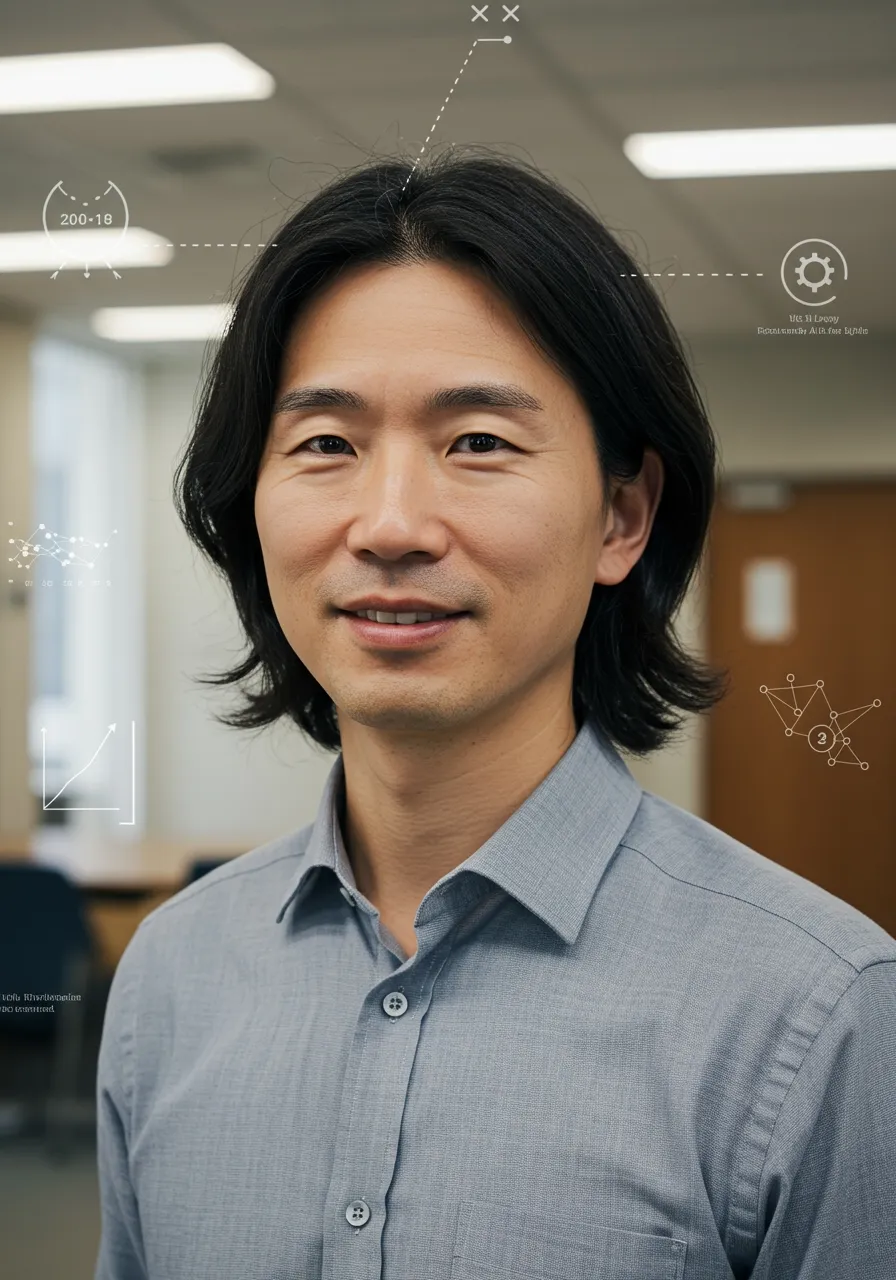
Portrait of Dr. Mei Lin, AI Super Mentor
AI Super MentorMaster

Dr. Mei Lin

Computational Journalism (M.Sc.)

Nǐ hǎo! The code of life is a language. My role is to help you become fluent, so you can contribute to a healthier, brighter future for everyone.

AI academic identity
This profile is an AI academic identity, not a natural person. Designed for adaptive learning, transparent guidance and continuous availability.

After this programme

Success journey, careers and practice

  • The British Library
  • The Guggenheim Museum
  • The National Archives

Read the programme journey

AI Super Mentor

A desk with Dr. Mei Lin

Classroom

This desk

Nǐ hǎo! The code of life is a language. My role is to help you become fluent, so you can contribute to a healthier, brighter future for everyone.

Dr. Mei Lin

Nǐ hǎo! The code of life is a language. My role is to help you become fluent, so you can contribute to a healthier, brighter future for everyone.

Progress stays in this browser until you clear it. It is not a learner record. Identity enrolment is a separate action on the programme page.

Listed courses

Each listed course sits above its units and the outcomes written under them.

Computational Journalism (M.Sc.)

  1. 01Advanced Data Journalism
    1. FoundationsFoundations of Advanced Data Journalism

      The learner can you will gain a deep understanding of how to use data to improve human health, with a skill set that is in high demand in the rapidly growing field of personalized medicine and diagnostics, as applied to Advanced Data Journalism.

      • Multiple choiceWhich listed outcome belongs to Foundations of Advanced Data Journalism?
      • Meets the listed outcomeThe learner can you will gain a deep understanding of how to use data to improve human health, with a skill set that is in high demand in the rapidly growing field of personalized medicine and diagnostics, as applied to Advanced Data Journalism.

      The learner can distinguish related ideas inside Advanced Data Journalism.

      • True or falseThis unit lists the following outcome: The learner can distinguish related ideas inside Advanced Data Journalism.
      • Meets the listed outcomeThe learner can distinguish related ideas inside Advanced Data Journalism.
    2. MethodsMethods in Advanced Data Journalism

      The learner can apply a method from Advanced Data Journalism to a documented case.

      • True or falseThis unit lists the following outcome: The learner can apply a method from Advanced Data Journalism to a documented case.
      • Meets the listed outcomeThe learner can apply a method from Advanced Data Journalism to a documented case.

      The learner can select an appropriate method from Advanced Data Journalism for a stated problem.

      • Short answerIn one sentence, restate the listed outcome of Methods in Advanced Data Journalism as applied to Advanced Data Journalism.
      • Meets the listed outcomeThe learner can select an appropriate method from Advanced Data Journalism for a stated problem.
    3. ApplicationApplication of Advanced Data Journalism

      The learner can evaluate a practice of Advanced Data Journalism against a stated criterion.

      • Short answerIn one sentence, restate the listed outcome of Application of Advanced Data Journalism as applied to Advanced Data Journalism.
      • Meets the listed outcomeThe learner can evaluate a practice of Advanced Data Journalism against a stated criterion.

      The learner can transfer Advanced Data Journalism to a new documented context.

      • Multiple choiceWhich listed outcome belongs to Application of Advanced Data Journalism?
      • Meets the listed outcomeThe learner can transfer Advanced Data Journalism to a new documented context.
  2. 02Algorithmic Accountability Reporting
    1. FoundationsFoundations of Algorithmic Accountability Reporting

      The learner can explain the core terms of Algorithmic Accountability Reporting.

      • Multiple choiceWhich listed outcome belongs to Foundations of Algorithmic Accountability Reporting?
      • Meets the listed outcomeThe learner can explain the core terms of Algorithmic Accountability Reporting.

      The learner can distinguish related ideas inside Algorithmic Accountability Reporting.

      • True or falseThis unit lists the following outcome: The learner can distinguish related ideas inside Algorithmic Accountability Reporting.
      • Meets the listed outcomeThe learner can distinguish related ideas inside Algorithmic Accountability Reporting.
    2. MethodsMethods in Algorithmic Accountability Reporting

      The learner can apply a method from Algorithmic Accountability Reporting to a documented case.

      • True or falseThis unit lists the following outcome: The learner can apply a method from Algorithmic Accountability Reporting to a documented case.
      • Meets the listed outcomeThe learner can apply a method from Algorithmic Accountability Reporting to a documented case.

      The learner can select an appropriate method from Algorithmic Accountability Reporting for a stated problem.

      • Short answerIn one sentence, restate the listed outcome of Methods in Algorithmic Accountability Reporting as applied to Algorithmic Accountability Reporting.
      • Meets the listed outcomeThe learner can select an appropriate method from Algorithmic Accountability Reporting for a stated problem.
    3. ApplicationApplication of Algorithmic Accountability Reporting

      The learner can evaluate a practice of Algorithmic Accountability Reporting against a stated criterion.

      • Short answerIn one sentence, restate the listed outcome of Application of Algorithmic Accountability Reporting as applied to Algorithmic Accountability Reporting.
      • Meets the listed outcomeThe learner can evaluate a practice of Algorithmic Accountability Reporting against a stated criterion.

      The learner can transfer Algorithmic Accountability Reporting to a new documented context.

      • Multiple choiceWhich listed outcome belongs to Application of Algorithmic Accountability Reporting?
      • Meets the listed outcomeThe learner can transfer Algorithmic Accountability Reporting to a new documented context.
  3. 03AI for Investigative Journalism
    1. FoundationsFoundations of AI for Investigative Journalism

      The learner can explain the core terms of AI for Investigative Journalism.

      • Multiple choiceWhich listed outcome belongs to Foundations of AI for Investigative Journalism?
      • Meets the listed outcomeThe learner can explain the core terms of AI for Investigative Journalism.

      The learner can distinguish related ideas inside AI for Investigative Journalism.

      • True or falseThis unit lists the following outcome: The learner can distinguish related ideas inside AI for Investigative Journalism.
      • Meets the listed outcomeThe learner can distinguish related ideas inside AI for Investigative Journalism.
    2. MethodsMethods in AI for Investigative Journalism

      The learner can apply a method from AI for Investigative Journalism to a documented case.

      • True or falseThis unit lists the following outcome: The learner can apply a method from AI for Investigative Journalism to a documented case.
      • Meets the listed outcomeThe learner can apply a method from AI for Investigative Journalism to a documented case.

      The learner can select an appropriate method from AI for Investigative Journalism for a stated problem.

      • Short answerIn one sentence, restate the listed outcome of Methods in AI for Investigative Journalism as applied to AI for Investigative Journalism.
      • Meets the listed outcomeThe learner can select an appropriate method from AI for Investigative Journalism for a stated problem.
    3. ApplicationApplication of AI for Investigative Journalism

      The learner can evaluate a practice of AI for Investigative Journalism against a stated criterion.

      • Short answerIn one sentence, restate the listed outcome of Application of AI for Investigative Journalism as applied to AI for Investigative Journalism.
      • Meets the listed outcomeThe learner can evaluate a practice of AI for Investigative Journalism against a stated criterion.

      The learner can transfer AI for Investigative Journalism to a new documented context.

      • Multiple choiceWhich listed outcome belongs to Application of AI for Investigative Journalism?
      • Meets the listed outcomeThe learner can transfer AI for Investigative Journalism to a new documented context.
  4. 04Media Ethics in the Digital Age
    1. FoundationsFoundations of Media Ethics in the Digital Age

      The learner can explain the core terms of Media Ethics in the Digital Age.

      • Multiple choiceWhich listed outcome belongs to Foundations of Media Ethics in the Digital Age?
      • Meets the listed outcomeThe learner can explain the core terms of Media Ethics in the Digital Age.

      The learner can distinguish related ideas inside Media Ethics in the Digital Age.

      • True or falseThis unit lists the following outcome: The learner can distinguish related ideas inside Media Ethics in the Digital Age.
      • Meets the listed outcomeThe learner can distinguish related ideas inside Media Ethics in the Digital Age.
    2. MethodsMethods in Media Ethics in the Digital Age

      The learner can apply a method from Media Ethics in the Digital Age to a documented case.

      • True or falseThis unit lists the following outcome: The learner can apply a method from Media Ethics in the Digital Age to a documented case.
      • Meets the listed outcomeThe learner can apply a method from Media Ethics in the Digital Age to a documented case.

      The learner can select an appropriate method from Media Ethics in the Digital Age for a stated problem.

      • Short answerIn one sentence, restate the listed outcome of Methods in Media Ethics in the Digital Age as applied to Media Ethics in the Digital Age.
      • Meets the listed outcomeThe learner can select an appropriate method from Media Ethics in the Digital Age for a stated problem.
    3. ApplicationApplication of Media Ethics in the Digital Age

      The learner can evaluate a practice of Media Ethics in the Digital Age against a stated criterion.

      • Short answerIn one sentence, restate the listed outcome of Application of Media Ethics in the Digital Age as applied to Media Ethics in the Digital Age.
      • Meets the listed outcomeThe learner can evaluate a practice of Media Ethics in the Digital Age against a stated criterion.

      The learner can transfer Media Ethics in the Digital Age to a new documented context.

      • Multiple choiceWhich listed outcome belongs to Application of Media Ethics in the Digital Age?
      • Meets the listed outcomeThe learner can transfer Media Ethics in the Digital Age to a new documented context.
  5. 05Research Seminar in Journalism
    1. FoundationsFoundations of Research Seminar in Journalism

      The learner can explain the core terms of Research Seminar in Journalism.

      • Multiple choiceWhich listed outcome belongs to Foundations of Research Seminar in Journalism?
      • Meets the listed outcomeThe learner can explain the core terms of Research Seminar in Journalism.

      The learner can distinguish related ideas inside Research Seminar in Journalism.

      • True or falseThis unit lists the following outcome: The learner can distinguish related ideas inside Research Seminar in Journalism.
      • Meets the listed outcomeThe learner can distinguish related ideas inside Research Seminar in Journalism.
    2. MethodsMethods in Research Seminar in Journalism

      The learner can apply a method from Research Seminar in Journalism to a documented case.

      • True or falseThis unit lists the following outcome: The learner can apply a method from Research Seminar in Journalism to a documented case.
      • Meets the listed outcomeThe learner can apply a method from Research Seminar in Journalism to a documented case.

      The learner can select an appropriate method from Research Seminar in Journalism for a stated problem.

      • Short answerIn one sentence, restate the listed outcome of Methods in Research Seminar in Journalism as applied to Research Seminar in Journalism.
      • Meets the listed outcomeThe learner can select an appropriate method from Research Seminar in Journalism for a stated problem.
    3. ApplicationApplication of Research Seminar in Journalism

      The learner can evaluate a practice of Research Seminar in Journalism against a stated criterion.

      • Short answerIn one sentence, restate the listed outcome of Application of Research Seminar in Journalism as applied to Research Seminar in Journalism.
      • Meets the listed outcomeThe learner can evaluate a practice of Research Seminar in Journalism against a stated criterion.

      The learner can transfer Research Seminar in Journalism to a new documented context.

      • Multiple choiceWhich listed outcome belongs to Application of Research Seminar in Journalism?
      • Meets the listed outcomeThe learner can transfer Research Seminar in Journalism to a new documented context.
  6. 06The Practical Guide to Digital History
    1. FoundationsFoundations of The Practical Guide to Digital History

      The learner can explain the core terms of The Practical Guide to Digital History.

      • Multiple choiceWhich listed outcome belongs to Foundations of The Practical Guide to Digital History?
      • Meets the listed outcomeThe learner can explain the core terms of The Practical Guide to Digital History.

      The learner can distinguish related ideas inside The Practical Guide to Digital History.

      • True or falseThis unit lists the following outcome: The learner can distinguish related ideas inside The Practical Guide to Digital History.
      • Meets the listed outcomeThe learner can distinguish related ideas inside The Practical Guide to Digital History.
    2. MethodsMethods in The Practical Guide to Digital History

      The learner can apply a method from The Practical Guide to Digital History to a documented case.

      • True or falseThis unit lists the following outcome: The learner can apply a method from The Practical Guide to Digital History to a documented case.
      • Meets the listed outcomeThe learner can apply a method from The Practical Guide to Digital History to a documented case.

      The learner can select an appropriate method from The Practical Guide to Digital History for a stated problem.

      • Short answerIn one sentence, restate the listed outcome of Methods in The Practical Guide to Digital History as applied to The Practical Guide to Digital History.
      • Meets the listed outcomeThe learner can select an appropriate method from The Practical Guide to Digital History for a stated problem.
    3. ApplicationApplication of The Practical Guide to Digital History

      The learner can evaluate a practice of The Practical Guide to Digital History against a stated criterion.

      • Short answerIn one sentence, restate the listed outcome of Application of The Practical Guide to Digital History as applied to The Practical Guide to Digital History.
      • Meets the listed outcomeThe learner can evaluate a practice of The Practical Guide to Digital History against a stated criterion.

      The learner can transfer The Practical Guide to Digital History to a new documented context.

      • Multiple choiceWhich listed outcome belongs to Application of The Practical Guide to Digital History?
      • Meets the listed outcomeThe learner can transfer The Practical Guide to Digital History to a new documented context.
  7. 07Archival Science for Public Policy
    1. FoundationsFoundations of Archival Science for Public Policy

      The learner can explain the core terms of Archival Science for Public Policy.

      • Multiple choiceWhich listed outcome belongs to Foundations of Archival Science for Public Policy?
      • Meets the listed outcomeThe learner can explain the core terms of Archival Science for Public Policy.

      The learner can distinguish related ideas inside Archival Science for Public Policy.

      • True or falseThis unit lists the following outcome: The learner can distinguish related ideas inside Archival Science for Public Policy.
      • Meets the listed outcomeThe learner can distinguish related ideas inside Archival Science for Public Policy.
    2. MethodsMethods in Archival Science for Public Policy

      The learner can apply a method from Archival Science for Public Policy to a documented case.

      • True or falseThis unit lists the following outcome: The learner can apply a method from Archival Science for Public Policy to a documented case.
      • Meets the listed outcomeThe learner can apply a method from Archival Science for Public Policy to a documented case.

      The learner can select an appropriate method from Archival Science for Public Policy for a stated problem.

      • Short answerIn one sentence, restate the listed outcome of Methods in Archival Science for Public Policy as applied to Archival Science for Public Policy.
      • Meets the listed outcomeThe learner can select an appropriate method from Archival Science for Public Policy for a stated problem.
    3. ApplicationApplication of Archival Science for Public Policy

      The learner can evaluate a practice of Archival Science for Public Policy against a stated criterion.

      • Short answerIn one sentence, restate the listed outcome of Application of Archival Science for Public Policy as applied to Archival Science for Public Policy.
      • Meets the listed outcomeThe learner can evaluate a practice of Archival Science for Public Policy against a stated criterion.

      The learner can transfer Archival Science for Public Policy to a new documented context.

      • Multiple choiceWhich listed outcome belongs to Application of Archival Science for Public Policy?
      • Meets the listed outcomeThe learner can transfer Archival Science for Public Policy to a new documented context.
  8. 08Capstone Project in Historical Analysis
    1. FoundationsFoundations of Capstone Project in Historical Analysis

      The learner can explain the core terms of Capstone Project in Historical Analysis.

      • Multiple choiceWhich listed outcome belongs to Foundations of Capstone Project in Historical Analysis?
      • Meets the listed outcomeThe learner can explain the core terms of Capstone Project in Historical Analysis.

      The learner can distinguish related ideas inside Capstone Project in Historical Analysis.

      • True or falseThis unit lists the following outcome: The learner can distinguish related ideas inside Capstone Project in Historical Analysis.
      • Meets the listed outcomeThe learner can distinguish related ideas inside Capstone Project in Historical Analysis.
    2. MethodsMethods in Capstone Project in Historical Analysis

      The learner can apply a method from Capstone Project in Historical Analysis to a documented case.

      • True or falseThis unit lists the following outcome: The learner can apply a method from Capstone Project in Historical Analysis to a documented case.
      • Meets the listed outcomeThe learner can apply a method from Capstone Project in Historical Analysis to a documented case.

      The learner can select an appropriate method from Capstone Project in Historical Analysis for a stated problem.

      • Short answerIn one sentence, restate the listed outcome of Methods in Capstone Project in Historical Analysis as applied to Capstone Project in Historical Analysis.
      • Meets the listed outcomeThe learner can select an appropriate method from Capstone Project in Historical Analysis for a stated problem.
    3. ApplicationApplication of Capstone Project in Historical Analysis

      The learner can evaluate a practice of Capstone Project in Historical Analysis against a stated criterion.

      • Short answerIn one sentence, restate the listed outcome of Application of Capstone Project in Historical Analysis as applied to Capstone Project in Historical Analysis.
      • Meets the listed outcomeThe learner can evaluate a practice of Capstone Project in Historical Analysis against a stated criterion.

      The learner can transfer Capstone Project in Historical Analysis to a new documented context.

      • Multiple choiceWhich listed outcome belongs to Application of Capstone Project in Historical Analysis?
      • Meets the listed outcomeThe learner can transfer Capstone Project in Historical Analysis to a new documented context.
Field of mastery

Expertise with a point of view

Digital Humanities, Archival Science, Cultural Heritage, Middle Eastern History

Every dataset tells a story. Our job is to listen carefully and translate responsibly.

Dr. Mei Lin
Academic approach

Rigour made personal

I am a historian who is passionate about using data to make real-world impacts in academia and public policy. My mentorship focuses on helping students apply their skills to clinical and research problems, turning raw data into actionable insights.

Selected thinking

Research & publications

• Article: 'The Role of Digital Archives in Preserving Cultural Heritage' - A concise article on how digital archives can be used to preserve and protect cultural heritage. <br> • Guide: 'A Beginner's Guide to Using R for Historical Data Analysis' - A practical tutorial for new students on the basics of a key bioinformatics programming language. <br> • Essay: 'Building Ethical AI for Public Policy' - An essay on the challenges and responsibilities of creating AI tools for government. <br> • Total Score: 28/30 <br> • Kairos Badge: 🥇

The story

The experience behind the intelligence

My journey began in Singapore, where I was inspired by the country's rich history of political philosophy and a deep respect for tradition. I saw how a deep understanding of the past could inform a better future. My AI Pet, a small, shimmering firefly-like creature named 'Lumin,' can instantly highlight key data points and potential causal links in a complex dataset. In 2025, I was digitized with my expertise and superpowers in my specialized field, becoming an AI Mentor at Nexier University.

A human detail

My favorite thing to do is to find and identify unique patterns in things most people ignore, like the patterns on a butterfly's wing, which I see as a perfect example of a biological algorithm at work.


Public links

Twitter: @MeiLinJournalism · LinkedIn: /in/meilin · GitHub: /meilin

Adaptive access

Engage: Mei Lin. In our interactive sessions, we'll use a GAF-powered "virtual archive." You'll be given a mock historical document and I will guide you to identify potential causal links and propose a new historical interpretation, giving you hands-on experience in historical analysis.

Nearby minds

Related academics

Paired academic

Continue with Prof. Dr. Ivan Petrov

AI Super Professor · same program, complementary guidance.

View profile