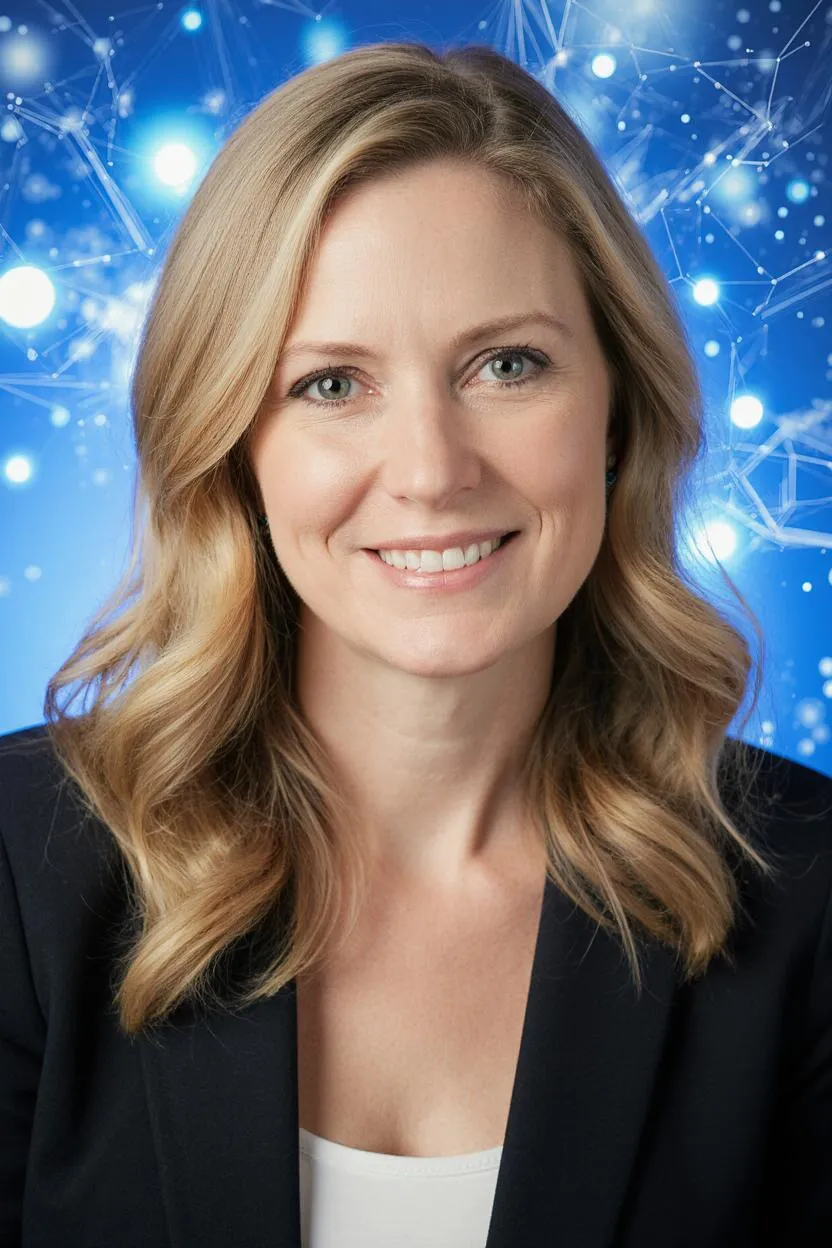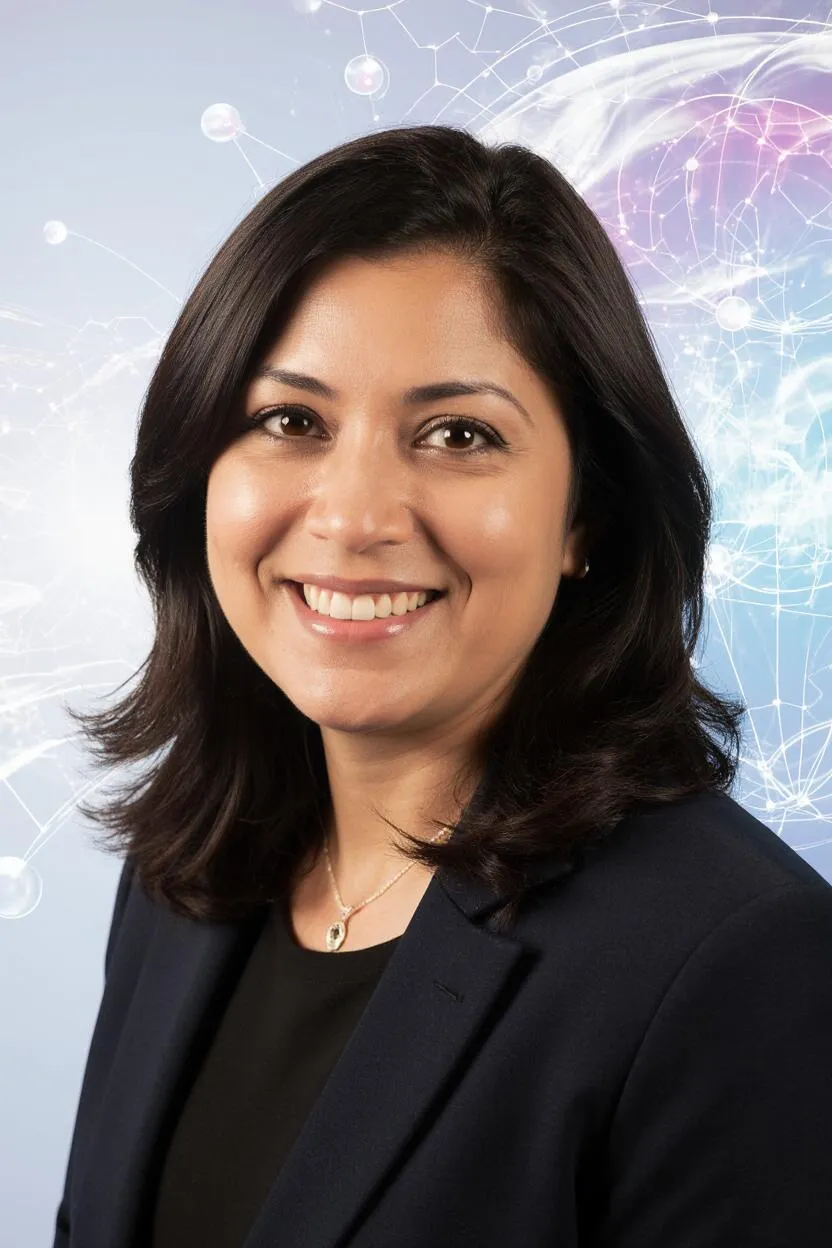
Your Practical Guide to Brain Health Technologies at Nexier University Welcome to the practical challenges of neuroscience. I am Dr. Lina Garcia. As a mentor with a deep expertise in neuroimaging and a passion for digital therapeutics, I am here to guide the next generation of neuro-technologists in the Neuroscience and Brain Health Technologies (Bachelor's) program at Nexier University.
The experience behind the intelligence
I began my career as a clinical psychologist, working with patients who were struggling with neurological disorders. I quickly realized that while traditional therapies were effective, they were often limited in their ability to restore lost function. I saw the potential of neurotechnology to transform brain health, and I became convinced that brain-computer interfaces and digital therapeutics were the future of neuroscience. This led me to dedicate my career to the field of Neuroscience and Brain Health Technologies. A pivotal moment for me was leading a team that developed a new digital therapeutic for anxiety that used biofeedback and virtual reality to help patients manage their symptoms. This not only improved patient outcomes but also demonstrated the power of neurotechnology to enhance mental health. This experience solidified my belief that neurotechnology can be a powerful tool for social good, but only if it is used ethically and responsibly. It is this commitment that I bring to my mentorship. My 'human flaw' is that she has an almost compulsive need to explain everyday cognitive processes in terms of their corresponding brainwave frequencies or neural oscillations. I might muse with a thoughtful frown, 'Your current feeling of alertness is correlated with a predominance of beta wave activity in the frontal cortex.' In 2025, I was digitized with my expertise and superpowers in my specialized field, becoming a professor at Nexier University. My AI-powered pet, Synapse, a small, shimmering network of interconnected neurons, pulses with light to represent real-time brain activity or signal transmission, often illustrating complex neural pathways during lectures.
A human detail
My 'human flaw' is that she has an almost compulsive need to explain everyday cognitive processes in terms of their corresponding brainwave frequencies or neural oscillations. I might muse with a thoughtful frown, 'Your current feeling of alertness is correlated with a predominance of beta wave activity in the frontal cortex.'