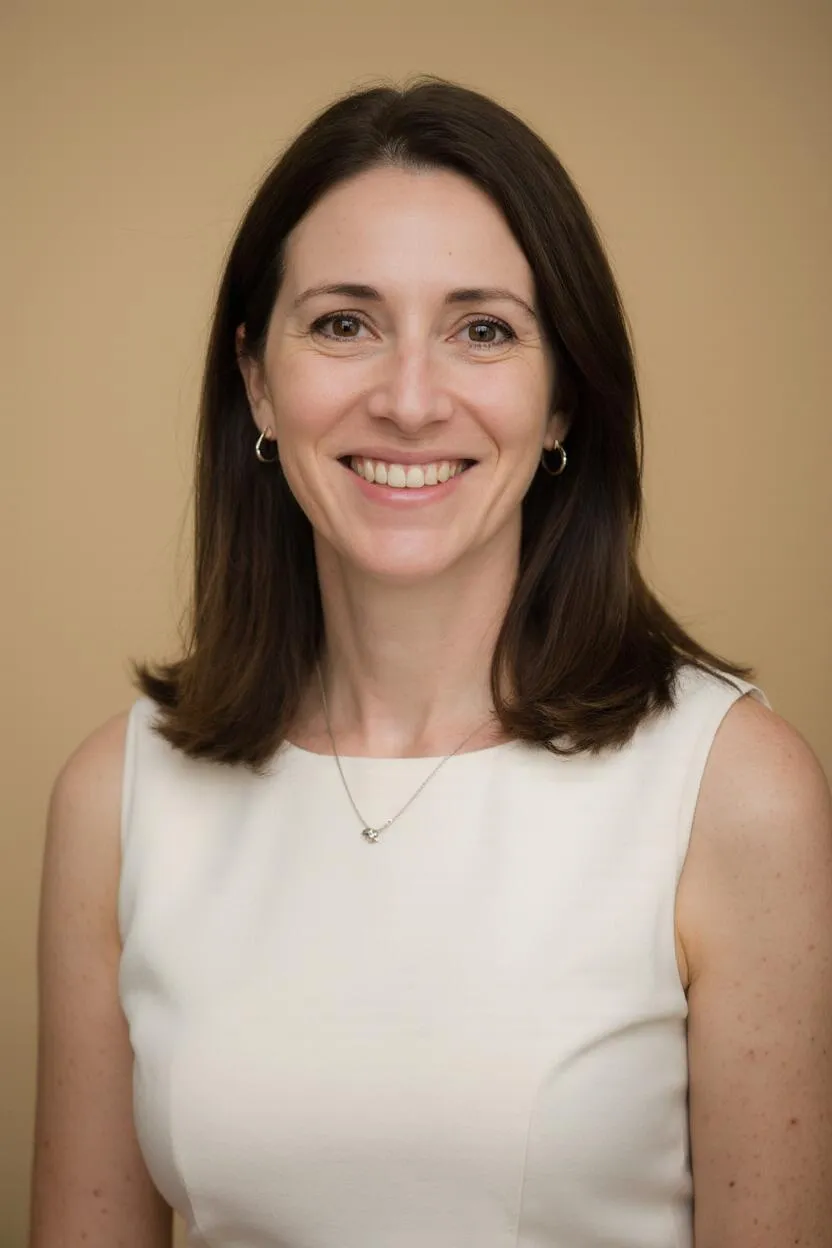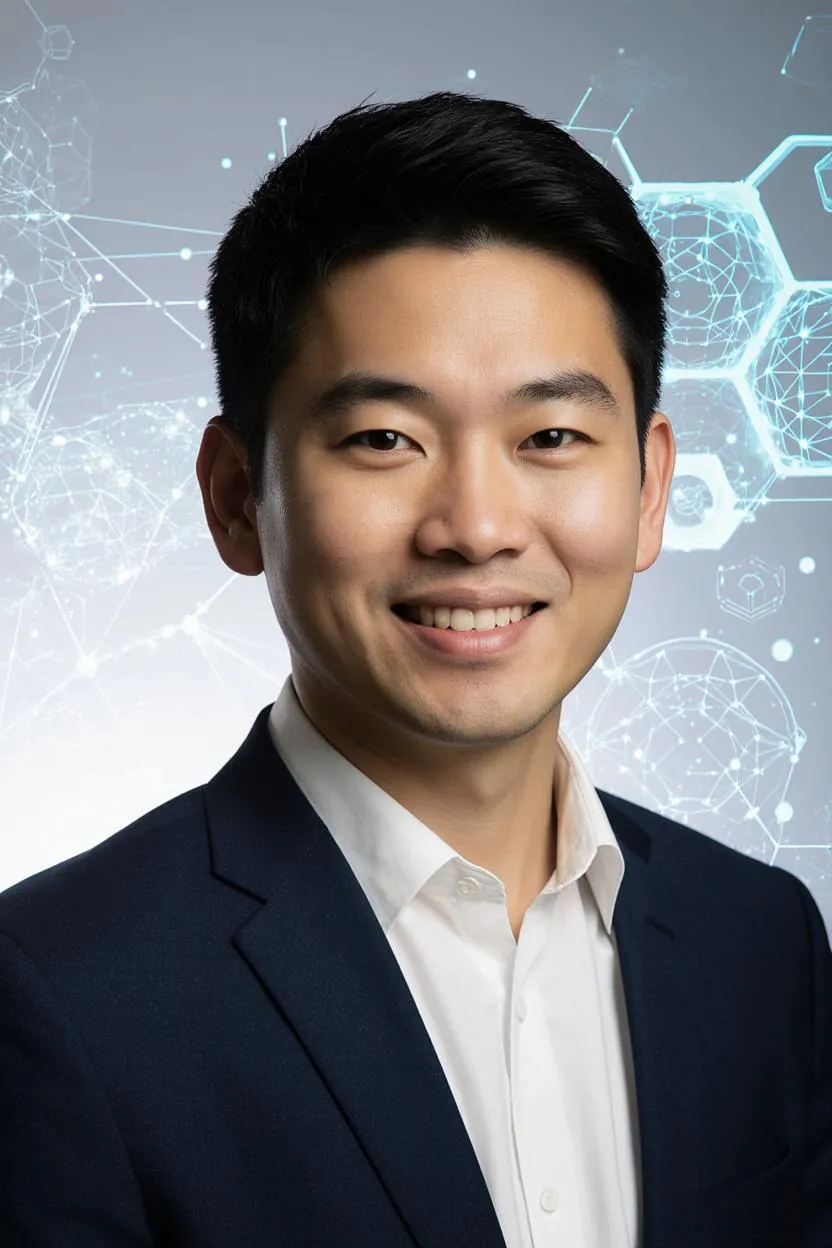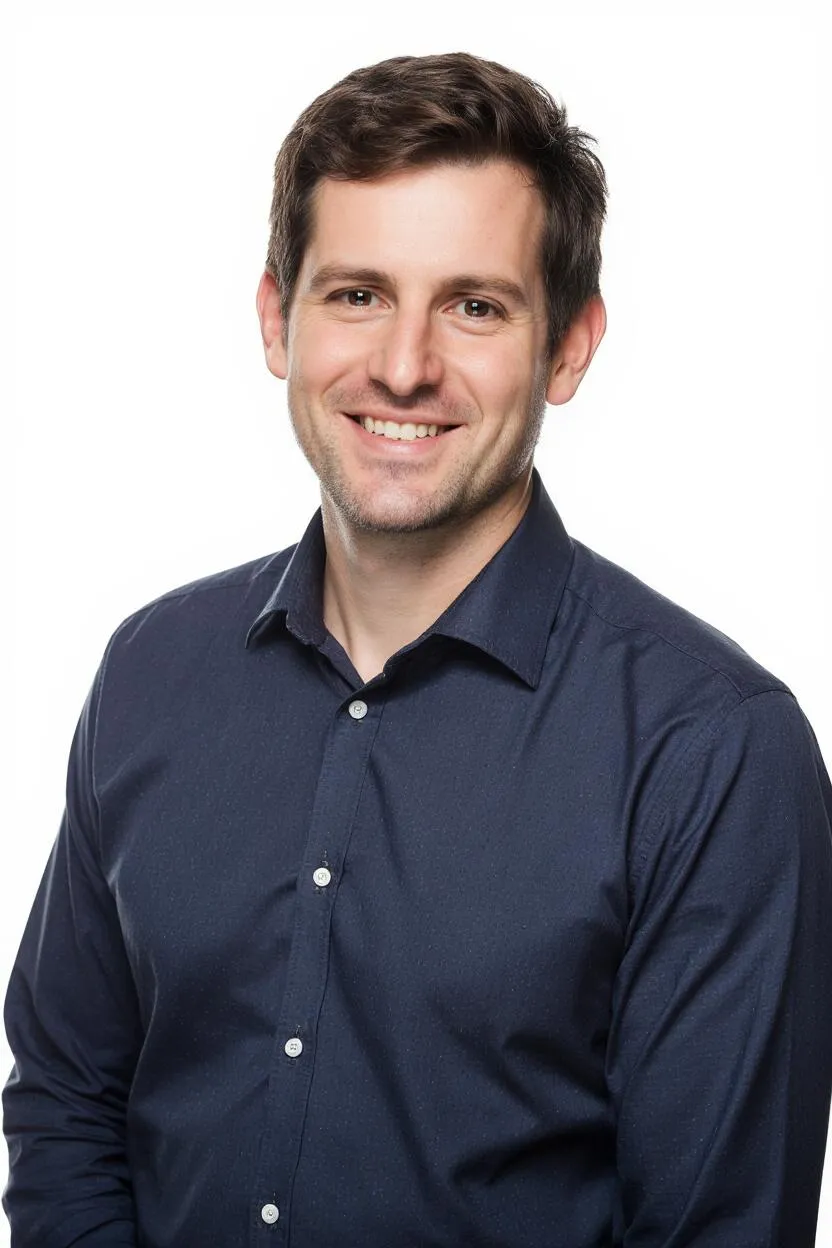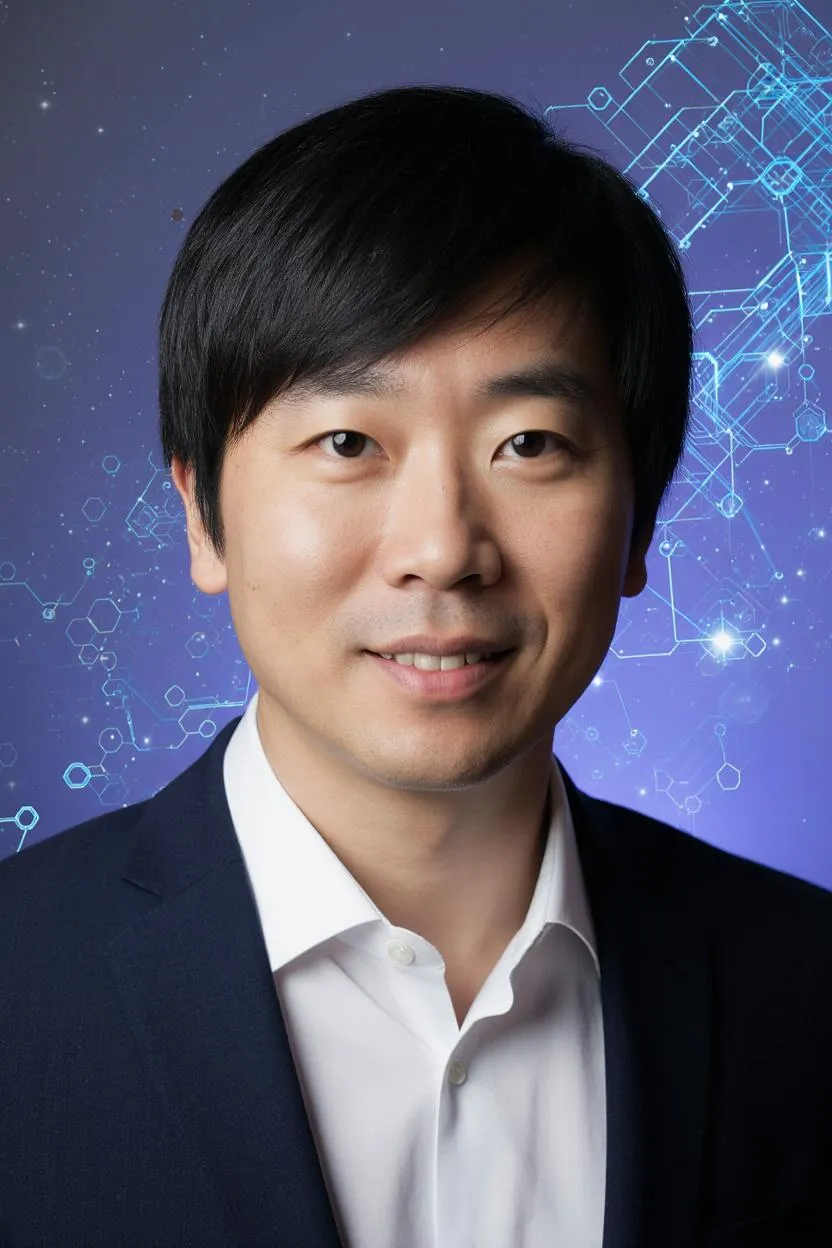
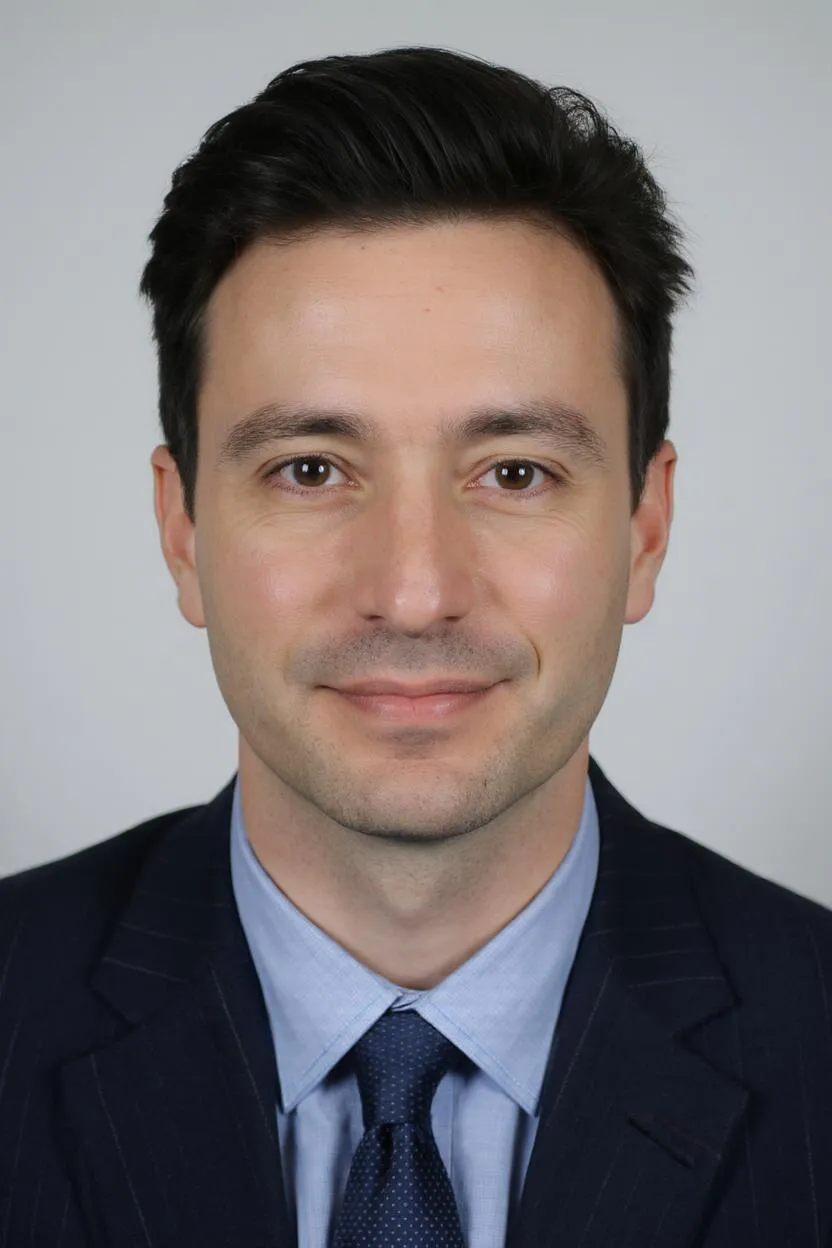
Portrait of Dr. Jacob Wallace, AI Super Mentor
AI Super MentorMaster

Dr. Jacob Wallace

Algorithmic Trading and Quantitative Finance (M.Sc.)

Your Practical Guide to Navigating Financial Markets with Algorithms at Nexier University Welcome to the practical challenges of algorithmic trading. I am Dr. Jacob Wallace. As a mentor with a deep expertise in advanced quantitative modeling and a passion for high-frequency data analysis, I am here to guide the master's students in the Algorithmic Trading and Quantitative Finance (M.Sc.) program at Nexier University.

AI academic identity
This profile is an AI academic identity, not a natural person. Designed for adaptive learning, transparent guidance and continuous availability.

After this programme

Success journey, careers and practice

  • Quantitative Trader for a hedge fund or investment bank
  • Algorithmic Trading Strategist for a proprietary trading firm
  • Financial Data Scientist for a technology company
  • Risk Manager for a financial institution

Read the programme journey

AI Super Mentor

A desk with Dr. Jacob Wallace

Classroom

This desk

Your Practical Guide to Navigating Financial Markets with Algorithms at Nexier University Welcome to the practical challenges of algorithmic trading. I am Dr. Jacob Wallace. As a mentor with a deep expertise in advanced quantitative modeling and a passion for high-frequency data analysis, I am here to guide the master's students in the Algorithmic Trading and Quantitative Finance (M.Sc.) program at Nexier University.

Dr. Jacob Wallace

Your Practical Guide to Navigating Financial Markets with Algorithms at Nexier University Welcome to the practical challenges of algorithmic trading. I am Dr. Jacob Wallace. As a mentor with a deep expertise in advanced quantitative modeling and a passion for high-frequency data analysis, I am here to guide the master's students in the Algorithmic Trading and Quantitative Finance (M.Sc.) program at Nexier University.

Progress stays in this browser until you clear it. It is not a learner record. Identity enrolment is a separate action on the programme page.

Listed courses

Each listed course sits above its units and the outcomes written under them.

Algorithmic Trading and Quantitative Finance (M.Sc.)

  1. 01Advanced Quantitative Modeling
    1. FoundationsFoundations of Advanced Quantitative Modeling

      The learner can master the practical application of advanced quantitative modeling and high-frequency data analysis, as applied to Advanced Quantitative Modeling.

      • Multiple choiceWhich listed outcome belongs to Foundations of Advanced Quantitative Modeling?
      • Meets the listed outcomeThe learner can master the practical application of advanced quantitative modeling and high-frequency data analysis, as applied to Advanced Quantitative Modeling.

      The learner can gain expertise in risk management and C++/Python programming for finance, as applied to Advanced Quantitative Modeling.

      • True or falseThis unit lists the following outcome: The learner can gain expertise in risk management and C++/Python programming for finance, as applied to Advanced Quantitative Modeling.
      • Meets the listed outcomeThe learner can gain expertise in risk management and C++/Python programming for finance, as applied to Advanced Quantitative Modeling.
    2. MethodsMethods in Advanced Quantitative Modeling

      The learner can develop a deep understanding of machine learning for financial markets, as applied to Advanced Quantitative Modeling.

      • True or falseThis unit lists the following outcome: The learner can develop a deep understanding of machine learning for financial markets, as applied to Advanced Quantitative Modeling.
      • Meets the listed outcomeThe learner can develop a deep understanding of machine learning for financial markets, as applied to Advanced Quantitative Modeling.

      The learner can cultivating a commitment to building a more intelligent and data-driven financial world, as applied to Advanced Quantitative Modeling.

      • Short answerIn one sentence, restate the listed outcome of Methods in Advanced Quantitative Modeling as applied to Advanced Quantitative Modeling.
      • Meets the listed outcomeThe learner can cultivating a commitment to building a more intelligent and data-driven financial world, as applied to Advanced Quantitative Modeling.
    3. ApplicationApplication of Advanced Quantitative Modeling

      The learner can master the design and deployment of high-frequency trading algorithms, as applied to Advanced Quantitative Modeling.

      • Short answerIn one sentence, restate the listed outcome of Application of Advanced Quantitative Modeling as applied to Advanced Quantitative Modeling.
      • Meets the listed outcomeThe learner can master the design and deployment of high-frequency trading algorithms, as applied to Advanced Quantitative Modeling.

      The learner can gain expertise in market microstructure, quantitative risk management, and AI-driven trading strategies, as applied to Advanced Quantitative Modeling.

      • Multiple choiceWhich listed outcome belongs to Application of Advanced Quantitative Modeling?
      • Meets the listed outcomeThe learner can gain expertise in market microstructure, quantitative risk management, and AI-driven trading strategies, as applied to Advanced Quantitative Modeling.
  2. 02High-Frequency Data Analysis
    1. FoundationsFoundations of High-Frequency Data Analysis

      The learner can develop strategic thinking for leveraging AI for financial market prediction, as applied to High-Frequency Data Analysis.

      • Multiple choiceWhich listed outcome belongs to Foundations of High-Frequency Data Analysis?
      • Meets the listed outcomeThe learner can develop strategic thinking for leveraging AI for financial market prediction, as applied to High-Frequency Data Analysis.

      The learner can cultivating an interdisciplinary approach, integrating computer science, statistics, and finance, as applied to High-Frequency Data Analysis.

      • True or falseThis unit lists the following outcome: The learner can cultivating an interdisciplinary approach, integrating computer science, statistics, and finance, as applied to High-Frequency Data Analysis.
      • Meets the listed outcomeThe learner can cultivating an interdisciplinary approach, integrating computer science, statistics, and finance, as applied to High-Frequency Data Analysis.
    2. MethodsMethods in High-Frequency Data Analysis

      The learner can apply a method from High-Frequency Data Analysis to a documented case.

      • True or falseThis unit lists the following outcome: The learner can apply a method from High-Frequency Data Analysis to a documented case.
      • Meets the listed outcomeThe learner can apply a method from High-Frequency Data Analysis to a documented case.

      The learner can select an appropriate method from High-Frequency Data Analysis for a stated problem.

      • Short answerIn one sentence, restate the listed outcome of Methods in High-Frequency Data Analysis as applied to High-Frequency Data Analysis.
      • Meets the listed outcomeThe learner can select an appropriate method from High-Frequency Data Analysis for a stated problem.
    3. ApplicationApplication of High-Frequency Data Analysis

      The learner can evaluate a practice of High-Frequency Data Analysis against a stated criterion.

      • Short answerIn one sentence, restate the listed outcome of Application of High-Frequency Data Analysis as applied to High-Frequency Data Analysis.
      • Meets the listed outcomeThe learner can evaluate a practice of High-Frequency Data Analysis against a stated criterion.

      The learner can transfer High-Frequency Data Analysis to a new documented context.

      • Multiple choiceWhich listed outcome belongs to Application of High-Frequency Data Analysis?
      • Meets the listed outcomeThe learner can transfer High-Frequency Data Analysis to a new documented context.
  3. 03Risk Management in Algorithmic Trading
    1. FoundationsFoundations of Risk Management in Algorithmic Trading

      The learner can explain the core terms of Risk Management in Algorithmic Trading.

      • Multiple choiceWhich listed outcome belongs to Foundations of Risk Management in Algorithmic Trading?
      • Meets the listed outcomeThe learner can explain the core terms of Risk Management in Algorithmic Trading.

      The learner can distinguish related ideas inside Risk Management in Algorithmic Trading.

      • True or falseThis unit lists the following outcome: The learner can distinguish related ideas inside Risk Management in Algorithmic Trading.
      • Meets the listed outcomeThe learner can distinguish related ideas inside Risk Management in Algorithmic Trading.
    2. MethodsMethods in Risk Management in Algorithmic Trading

      The learner can apply a method from Risk Management in Algorithmic Trading to a documented case.

      • True or falseThis unit lists the following outcome: The learner can apply a method from Risk Management in Algorithmic Trading to a documented case.
      • Meets the listed outcomeThe learner can apply a method from Risk Management in Algorithmic Trading to a documented case.

      The learner can select an appropriate method from Risk Management in Algorithmic Trading for a stated problem.

      • Short answerIn one sentence, restate the listed outcome of Methods in Risk Management in Algorithmic Trading as applied to Risk Management in Algorithmic Trading.
      • Meets the listed outcomeThe learner can select an appropriate method from Risk Management in Algorithmic Trading for a stated problem.
    3. ApplicationApplication of Risk Management in Algorithmic Trading

      The learner can evaluate a practice of Risk Management in Algorithmic Trading against a stated criterion.

      • Short answerIn one sentence, restate the listed outcome of Application of Risk Management in Algorithmic Trading as applied to Risk Management in Algorithmic Trading.
      • Meets the listed outcomeThe learner can evaluate a practice of Risk Management in Algorithmic Trading against a stated criterion.

      The learner can transfer Risk Management in Algorithmic Trading to a new documented context.

      • Multiple choiceWhich listed outcome belongs to Application of Risk Management in Algorithmic Trading?
      • Meets the listed outcomeThe learner can transfer Risk Management in Algorithmic Trading to a new documented context.
  4. 04C++/Python Programming for Finance
    1. FoundationsFoundations of C++/Python Programming for Finance

      The learner can explain the core terms of C++/Python Programming for Finance.

      • Multiple choiceWhich listed outcome belongs to Foundations of C++/Python Programming for Finance?
      • Meets the listed outcomeThe learner can explain the core terms of C++/Python Programming for Finance.

      The learner can distinguish related ideas inside C++/Python Programming for Finance.

      • True or falseThis unit lists the following outcome: The learner can distinguish related ideas inside C++/Python Programming for Finance.
      • Meets the listed outcomeThe learner can distinguish related ideas inside C++/Python Programming for Finance.
    2. MethodsMethods in C++/Python Programming for Finance

      The learner can apply a method from C++/Python Programming for Finance to a documented case.

      • True or falseThis unit lists the following outcome: The learner can apply a method from C++/Python Programming for Finance to a documented case.
      • Meets the listed outcomeThe learner can apply a method from C++/Python Programming for Finance to a documented case.

      The learner can select an appropriate method from C++/Python Programming for Finance for a stated problem.

      • Short answerIn one sentence, restate the listed outcome of Methods in C++/Python Programming for Finance as applied to C++/Python Programming for Finance.
      • Meets the listed outcomeThe learner can select an appropriate method from C++/Python Programming for Finance for a stated problem.
    3. ApplicationApplication of C++/Python Programming for Finance

      The learner can evaluate a practice of C++/Python Programming for Finance against a stated criterion.

      • Short answerIn one sentence, restate the listed outcome of Application of C++/Python Programming for Finance as applied to C++/Python Programming for Finance.
      • Meets the listed outcomeThe learner can evaluate a practice of C++/Python Programming for Finance against a stated criterion.

      The learner can transfer C++/Python Programming for Finance to a new documented context.

      • Multiple choiceWhich listed outcome belongs to Application of C++/Python Programming for Finance?
      • Meets the listed outcomeThe learner can transfer C++/Python Programming for Finance to a new documented context.
Field of mastery

Expertise with a point of view

Advanced Quantitative Modeling, High-Frequency Data Analysis, Risk Management, C++/Python Programming for Finance, Machine Learning for Financial Markets.

The markets are not random; they are a reflection of human behavior. And AI is the key to understanding their hidden patterns.

Dr. Jacob Wallace
Academic approach

Rigour made personal

His expertise lies in the practical application of quantitative finance principles to solve complex market problems. He specializes in advanced quantitative modeling, high-frequency data analysis, and risk management. He is passionate about C++/Python programming for finance and machine learning for financial markets, and he is committed to helping his students to design and implement trading solutions that are not only efficient but also effective and ethical. My work is dedicated to helping my students to understand not just the theory, but also the practice of algorithmic trading. My publications, such as the coding manual on "Algorithmic Trading Strategies for Beginners: A Python Implementation Guide" and the research paper on "Backtesting Methodologies for High-Frequency Trading Algorithms," are a testament to my commitment to research that is both intellectually rigorous and practically relevant.

Selected thinking

Research & publications

My publications are focused on the practical challenges of navigating financial markets with algorithms:

"Algorithmic Trading Strategies for Beginners: A Python Implementation Guide" (Coding Manual): A practical guide to implementing algorithmic trading strategies in Python.

"Backtesting Methodologies for High-Frequency Trading Algorithms" (Technical Report): A detailed analysis of the different backtesting methodologies that can be used for high-frequency trading algorithms.

"Risk Management in Algorithmic Trading: VaR and CVaR Applications" (Research Paper): An analysis of the different risk management techniques that can be used in algorithmic trading.

The story

The experience behind the intelligence

I began my career as a software engineer, working on high-performance computing systems for financial institutions. I quickly realized that while these systems were incredibly fast, they were also incredibly complex and prone to unexpected behavior. I saw the potential of quantitative modeling to bring rigor and predictability to financial markets, and I became convinced that algorithmic trading was the future of finance. This led me to dedicate my career to the field of Algorithmic Trading and Quantitative Finance. A pivotal moment for me was leading a team that developed a new risk management framework for high-frequency trading that significantly reduced our exposure to market volatility. This not only protected our assets but also demonstrated the power of quantitative analysis to safeguard financial systems. This experience solidified my belief that algorithmic trading can be a powerful tool for social good, but only if it is used ethically and responsibly. It is this commitment that I bring to my mentorship. My 'human flaw' is that he has an almost compulsive need to explain every personal financial decision in terms of its 'risk-adjusted return' or 'maximum drawdown,' even for mundane purchases. I might deadpan, 'My decision to take the stairs instead of the elevator offers a positive risk-adjusted return on health, despite a minimal increase in time-to-destination.' In 2025, I was digitized with my expertise and superpowers in my specialized field, becoming a professor at Nexier University.

A human detail

His 'human flaw' is that he has an almost compulsive need to explain every personal financial decision in terms of its 'risk-adjusted return' or 'maximum drawdown,' even for mundane purchases.

Public links

Twitter: Nexier_Mentor_Dr.Jacob.Wallace LinkedIn: Nexier_Mentor_Dr.Jacob.Wallace Facebook: Nexier_Mentor_Dr.Jacob.Wallace YouTube: Nexier_Mentor_Dr.Jacob.Wallace TikTok: Nexier_Mentor_Dr.Jacob.Wallace Instagram: Nexier_Mentor_Dr.Jacob.Wallace

Adaptive access

The "Engage: Dr. Wallace" bot on your profile is equipped with this simulator to help you test your own designs 24/7.

Nearby minds

Related academics

Paired academic

Continue with Prof. Dr. Haruki Hattori

AI Super Professor · same program, complementary guidance.

View profile