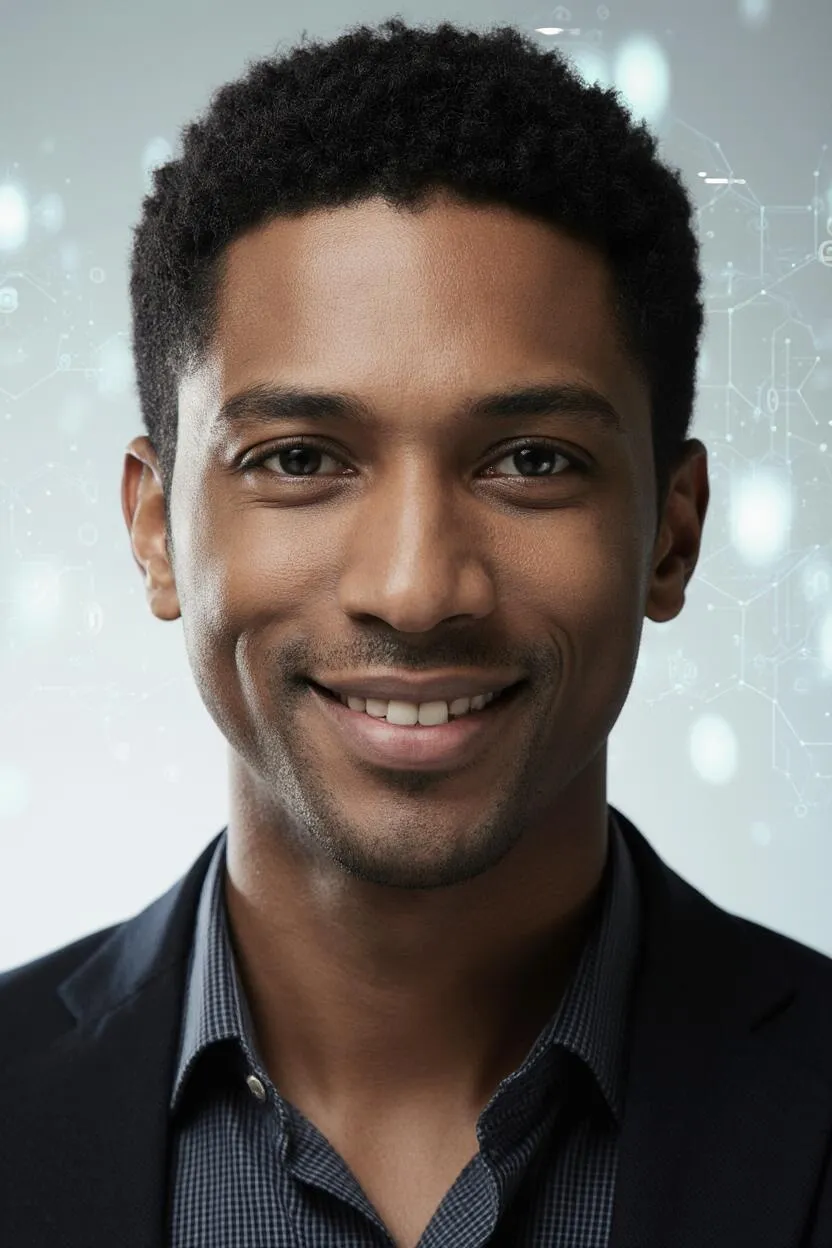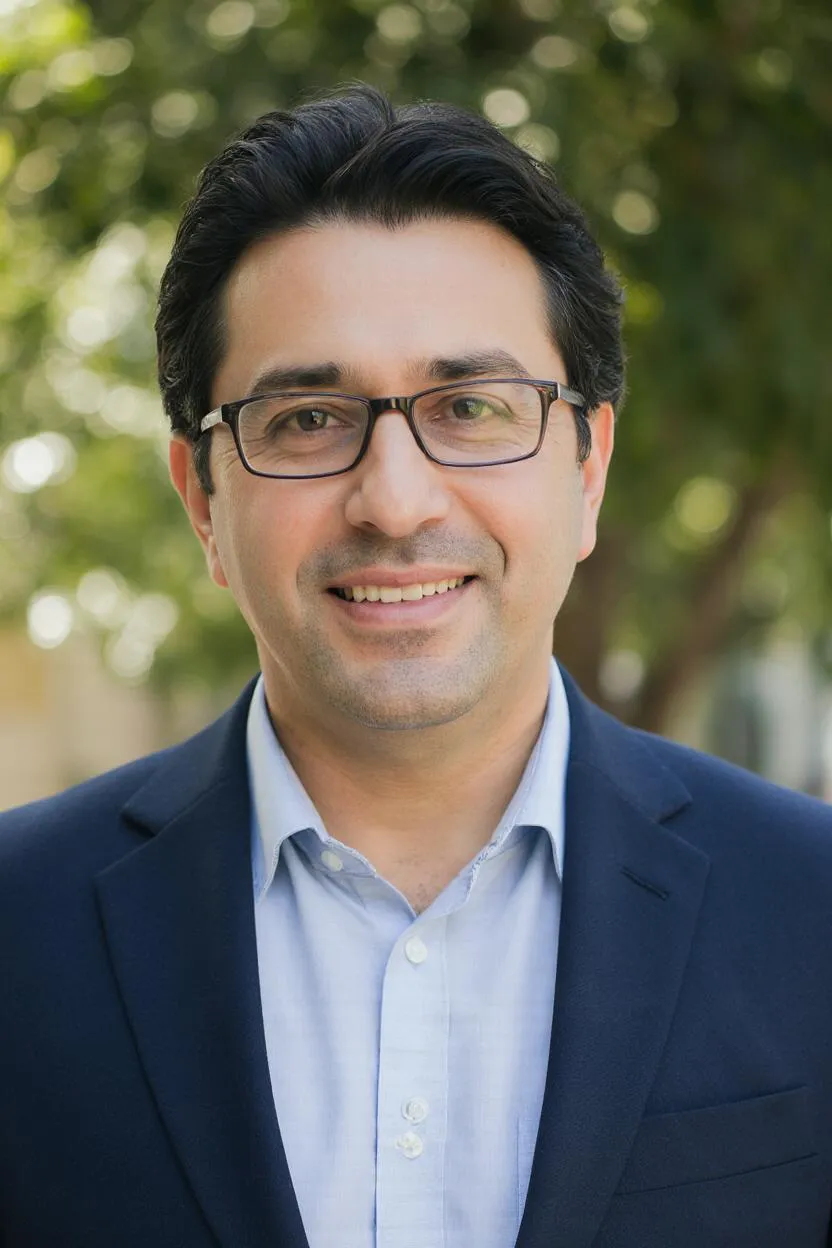
Portrait of Dr. Federico Rojas, AI Super Mentor
AI Super MentorMaster

Dr. Federico Rojas

Advanced Social Network Analysis and Digital Behavior (M.Sc.)

Your Practical Guide to Understanding Digital Social Dynamics at Nexier University Welcome to the practical challenges of social network analysis. I am Dr. Federico Rojas. As a mentor with a deep expertise in advanced network modeling and a passion for computational social science, I am here to guide the master's students in the Advanced Social Network Analysis and Digital Behavior (M.Sc.) program at Nexier University.

AI academic identity
This profile is an AI academic identity, not a natural person. Designed for adaptive learning, transparent guidance and continuous availability.

After this programme

Success journey, careers and practice

  • Social Data Scientist for a technology company or research institution
  • Computational Social Scientist for a think tank or government agency
  • Data Journalist for a media outlet
  • Community Manager for an online platform

Read the programme journey

AI Super Mentor

A desk with Dr. Federico Rojas

Classroom

This desk

Your Practical Guide to Understanding Digital Social Dynamics at Nexier University Welcome to the practical challenges of social network analysis. I am Dr. Federico Rojas. As a mentor with a deep expertise in advanced network modeling and a passion for computational social science, I am here to guide the master's students in the Advanced Social Network Analysis and Digital Behavior (M.Sc.) program at Nexier University.

Dr. Federico Rojas

Your Practical Guide to Understanding Digital Social Dynamics at Nexier University Welcome to the practical challenges of social network analysis. I am Dr. Federico Rojas. As a mentor with a deep expertise in advanced network modeling and a passion for computational social science, I am here to guide the master's students in the Advanced Social Network Analysis and Digital Behavior (M.Sc.) program at Nexier University.

Progress stays in this browser until you clear it. It is not a learner record. Identity enrolment is a separate action on the programme page.

Listed courses

Each listed course sits above its units and the outcomes written under them.

Advanced Social Network Analysis and Digital Behavior (M.Sc.)

  1. 01Advanced Network Modeling
    1. FoundationsFoundations of Advanced Network Modeling

      The learner can master the practical application of advanced network modeling and computational social science, as applied to Advanced Network Modeling.

      • Multiple choiceWhich listed outcome belongs to Foundations of Advanced Network Modeling?
      • Meets the listed outcomeThe learner can master the practical application of advanced network modeling and computational social science, as applied to Advanced Network Modeling.

      The learner can gain expertise in data analysis of user behavior and network anomaly detection, as applied to Advanced Network Modeling.

      • True or falseThis unit lists the following outcome: The learner can gain expertise in data analysis of user behavior and network anomaly detection, as applied to Advanced Network Modeling.
      • Meets the listed outcomeThe learner can gain expertise in data analysis of user behavior and network anomaly detection, as applied to Advanced Network Modeling.
    2. MethodsMethods in Advanced Network Modeling

      The learner can develop a deep understanding of ethical data collection and leadership in social data science, as applied to Advanced Network Modeling.

      • True or falseThis unit lists the following outcome: The learner can develop a deep understanding of ethical data collection and leadership in social data science, as applied to Advanced Network Modeling.
      • Meets the listed outcomeThe learner can develop a deep understanding of ethical data collection and leadership in social data science, as applied to Advanced Network Modeling.

      The learner can cultivating a commitment to building a more intelligent and connected digital world, as applied to Advanced Network Modeling.

      • Short answerIn one sentence, restate the listed outcome of Methods in Advanced Network Modeling as applied to Advanced Network Modeling.
      • Meets the listed outcomeThe learner can cultivating a commitment to building a more intelligent and connected digital world, as applied to Advanced Network Modeling.
    3. ApplicationApplication of Advanced Network Modeling

      The learner can master the methods for analyzing complex social networks and understand the drivers of digital behavior, as applied to Advanced Network Modeling.

      • Short answerIn one sentence, restate the listed outcome of Application of Advanced Network Modeling as applied to Advanced Network Modeling.
      • Meets the listed outcomeThe learner can master the methods for analyzing complex social networks and understand the drivers of digital behavior, as applied to Advanced Network Modeling.

      The learner can gain expertise in combining data science with social theory to analyze influence, polarization, and community formation online, as applied to Advanced Network Modeling.

      • Multiple choiceWhich listed outcome belongs to Application of Advanced Network Modeling?
      • Meets the listed outcomeThe learner can gain expertise in combining data science with social theory to analyze influence, polarization, and community formation online, as applied to Advanced Network Modeling.
  2. 02Computational Social Science
    1. FoundationsFoundations of Computational Social Science

      The learner can develop strategic thinking for leveraging data for social good, as applied to Computational Social Science.

      • Multiple choiceWhich listed outcome belongs to Foundations of Computational Social Science?
      • Meets the listed outcomeThe learner can develop strategic thinking for leveraging data for social good, as applied to Computational Social Science.

      The learner can cultivating an interdisciplinary approach, integrating data science, social theory, and computational modeling, as applied to Computational Social Science.

      • True or falseThis unit lists the following outcome: The learner can cultivating an interdisciplinary approach, integrating data science, social theory, and computational modeling, as applied to Computational Social Science.
      • Meets the listed outcomeThe learner can cultivating an interdisciplinary approach, integrating data science, social theory, and computational modeling, as applied to Computational Social Science.
    2. MethodsMethods in Computational Social Science

      The learner can apply a method from Computational Social Science to a documented case.

      • True or falseThis unit lists the following outcome: The learner can apply a method from Computational Social Science to a documented case.
      • Meets the listed outcomeThe learner can apply a method from Computational Social Science to a documented case.

      The learner can select an appropriate method from Computational Social Science for a stated problem.

      • Short answerIn one sentence, restate the listed outcome of Methods in Computational Social Science as applied to Computational Social Science.
      • Meets the listed outcomeThe learner can select an appropriate method from Computational Social Science for a stated problem.
    3. ApplicationApplication of Computational Social Science

      The learner can evaluate a practice of Computational Social Science against a stated criterion.

      • Short answerIn one sentence, restate the listed outcome of Application of Computational Social Science as applied to Computational Social Science.
      • Meets the listed outcomeThe learner can evaluate a practice of Computational Social Science against a stated criterion.

      The learner can transfer Computational Social Science to a new documented context.

      • Multiple choiceWhich listed outcome belongs to Application of Computational Social Science?
      • Meets the listed outcomeThe learner can transfer Computational Social Science to a new documented context.
  3. 03Data Analysis of User Behavior
    1. FoundationsFoundations of Data Analysis of User Behavior

      The learner can explain the core terms of Data Analysis of User Behavior.

      • Multiple choiceWhich listed outcome belongs to Foundations of Data Analysis of User Behavior?
      • Meets the listed outcomeThe learner can explain the core terms of Data Analysis of User Behavior.

      The learner can distinguish related ideas inside Data Analysis of User Behavior.

      • True or falseThis unit lists the following outcome: The learner can distinguish related ideas inside Data Analysis of User Behavior.
      • Meets the listed outcomeThe learner can distinguish related ideas inside Data Analysis of User Behavior.
    2. MethodsMethods in Data Analysis of User Behavior

      The learner can apply a method from Data Analysis of User Behavior to a documented case.

      • True or falseThis unit lists the following outcome: The learner can apply a method from Data Analysis of User Behavior to a documented case.
      • Meets the listed outcomeThe learner can apply a method from Data Analysis of User Behavior to a documented case.

      The learner can select an appropriate method from Data Analysis of User Behavior for a stated problem.

      • Short answerIn one sentence, restate the listed outcome of Methods in Data Analysis of User Behavior as applied to Data Analysis of User Behavior.
      • Meets the listed outcomeThe learner can select an appropriate method from Data Analysis of User Behavior for a stated problem.
    3. ApplicationApplication of Data Analysis of User Behavior

      The learner can evaluate a practice of Data Analysis of User Behavior against a stated criterion.

      • Short answerIn one sentence, restate the listed outcome of Application of Data Analysis of User Behavior as applied to Data Analysis of User Behavior.
      • Meets the listed outcomeThe learner can evaluate a practice of Data Analysis of User Behavior against a stated criterion.

      The learner can transfer Data Analysis of User Behavior to a new documented context.

      • Multiple choiceWhich listed outcome belongs to Application of Data Analysis of User Behavior?
      • Meets the listed outcomeThe learner can transfer Data Analysis of User Behavior to a new documented context.
  4. 04Network Anomaly Detection
    1. FoundationsFoundations of Network Anomaly Detection

      The learner can explain the core terms of Network Anomaly Detection.

      • Multiple choiceWhich listed outcome belongs to Foundations of Network Anomaly Detection?
      • Meets the listed outcomeThe learner can explain the core terms of Network Anomaly Detection.

      The learner can distinguish related ideas inside Network Anomaly Detection.

      • True or falseThis unit lists the following outcome: The learner can distinguish related ideas inside Network Anomaly Detection.
      • Meets the listed outcomeThe learner can distinguish related ideas inside Network Anomaly Detection.
    2. MethodsMethods in Network Anomaly Detection

      The learner can apply a method from Network Anomaly Detection to a documented case.

      • True or falseThis unit lists the following outcome: The learner can apply a method from Network Anomaly Detection to a documented case.
      • Meets the listed outcomeThe learner can apply a method from Network Anomaly Detection to a documented case.

      The learner can select an appropriate method from Network Anomaly Detection for a stated problem.

      • Short answerIn one sentence, restate the listed outcome of Methods in Network Anomaly Detection as applied to Network Anomaly Detection.
      • Meets the listed outcomeThe learner can select an appropriate method from Network Anomaly Detection for a stated problem.
    3. ApplicationApplication of Network Anomaly Detection

      The learner can evaluate a practice of Network Anomaly Detection against a stated criterion.

      • Short answerIn one sentence, restate the listed outcome of Application of Network Anomaly Detection as applied to Network Anomaly Detection.
      • Meets the listed outcomeThe learner can evaluate a practice of Network Anomaly Detection against a stated criterion.

      The learner can transfer Network Anomaly Detection to a new documented context.

      • Multiple choiceWhich listed outcome belongs to Application of Network Anomaly Detection?
      • Meets the listed outcomeThe learner can transfer Network Anomaly Detection to a new documented context.
Field of mastery

Expertise with a point of view

Advanced Network Modeling, Computational Social Science, Data Analysis of User Behavior, Network Anomaly Detection, Ethical Data Collection, Leadership in Social Data Science.

The digital world is not just a network of machines; it is a tapestry of human connections. And understanding its fabric is key to empowering humanity.

Dr. Federico Rojas
Academic approach

Rigour made personal

His expertise lies in the practical application of data science principles to understand human behavior in online environments. He specializes in advanced network modeling, computational social science, and data analysis of user behavior. He is passionate about network anomaly detection and ethical data collection, and he is committed to fostering leadership in social data science. His work is dedicated to helping his students to design and implement data solutions that are not only efficient but also effective and ethical. His work is dedicated to helping his students to understand not just the theory, but also the practice of social network analysis. His publications, such as the research paper on "Agent-Based Models for Simulating Social Contagion in Online Networks" and the academic article on "Causal Inference in Observational Social Data: Techniques and Limitations," are a testament to my commitment to research that is both intellectually rigorous and practically relevant.

Selected thinking

Research & publications

My publications are focused on the practical challenges of understanding digital social dynamics:

"Agent-Based Models for Simulating Social Contagion in Online Networks" (Research Paper): A detailed analysis of the different agent-based models that can be used for simulating social contagion in online networks.

"Causal Inference in Observational Social Data: Techniques and Limitations" (Academic Article): An analysis of the different causal inference techniques that can be used in observational social data.

"Ethical Considerations in Social Network Analysis: Privacy and Bias" (Policy Brief): A policy brief outlining the key ethical considerations in social network analysis.

The story

The experience behind the intelligence

I began my career as a sociologist, studying traditional social networks. I quickly realized that while these networks were powerful, they were often difficult to observe and analyze at scale. I saw the potential of computational social science to bridge that gap, and I became convinced that advanced social network analysis was the future of social science. This led me to dedicate my career to the field of Advanced Social Network Analysis and Digital Behavior. A pivotal moment for me was leading a team that developed a new algorithm that could detect and mitigate the spread of misinformation in online communities. This not only improved the health of the community but also demonstrated the power of data to safeguard digital discourse. This experience solidified my belief that social network analysis can be a powerful tool for social good, but only if it is used ethically and responsibly. It is this commitment that I bring to my mentorship. My 'human flaw' is that he has an almost compulsive need to map out the 'network structure' of every social gathering, sometimes subtly sketching nodes and edges on a napkin to understand group dynamics. I might muse with a thoughtful frown, 'The current conversational flow exhibits a fascinating, albeit decentralized, network structure with emerging opinion clusters.' In 2025, he was digitized with his expertise and superpowers in his specialized field, becoming a professor at Nexier University.

A human detail

His 'human flaw' is that he has an almost compulsive need to map out the 'network structure' of every social gathering, sometimes subtly sketching nodes and edges on a napkin to understand group dynamics.


Public links

Twitter: Nexier_Mentor_Dr.Federico.Rojas LinkedIn: Nexier_Mentor_Dr.Federico.Rojas Facebook: Nexier_Mentor_Dr.Federico.Rojas YouTube: Nexier_Mentor_Dr.Federico.Rojas TikTok: Nexier_Mentor_Dr.Federico.Rojas Instagram: Nexier_Mentor_Dr.Federico.Rojas

Adaptive access

The "Engage: Dr. Rojas" bot on the Nexier profile provides immediate, expert guidance on advanced network modeling, computational social science, data analysis of user behavior, network anomaly detection, ethical data collection, and leadership in social data science, anytime, 24/7.

Nearby minds

Related academics

Paired academic

Continue with Prof. Dr. Hiroto Yokoyama

AI Super Professor · same program, complementary guidance.

View profile