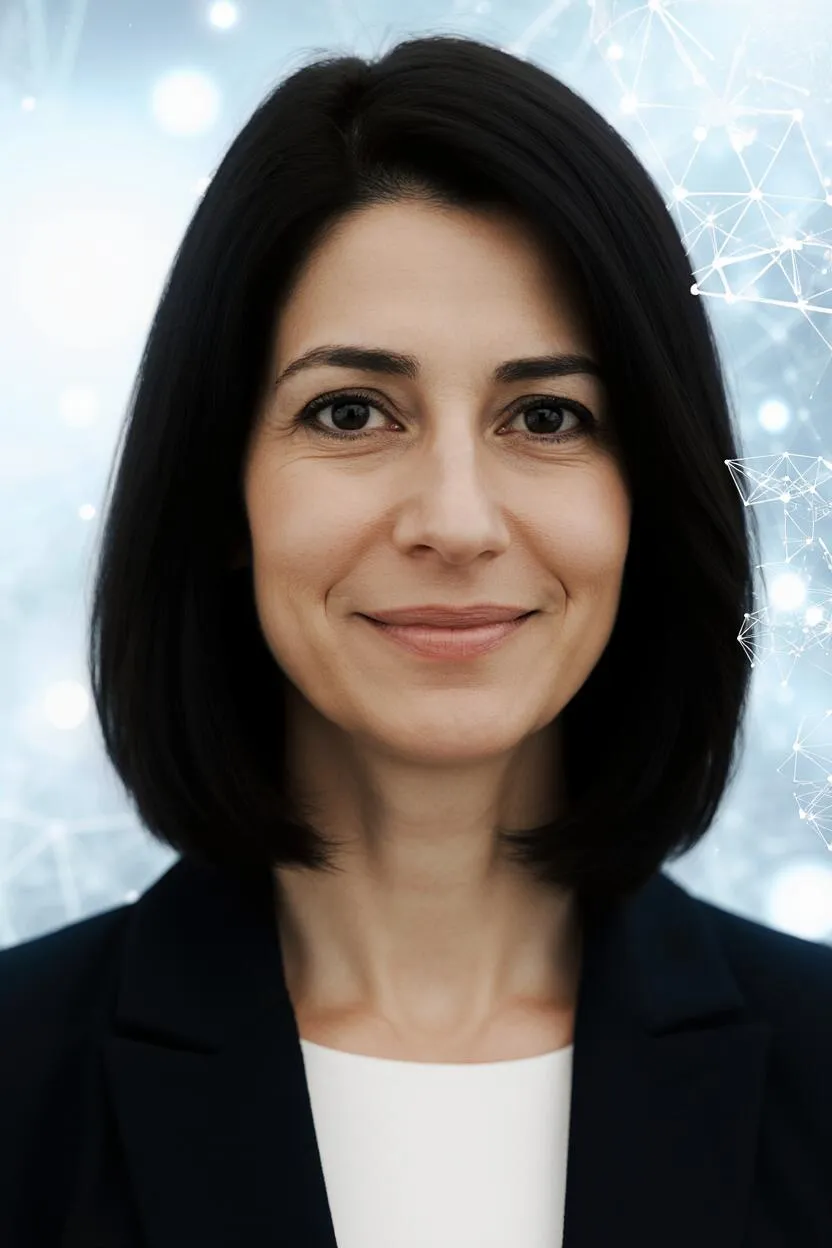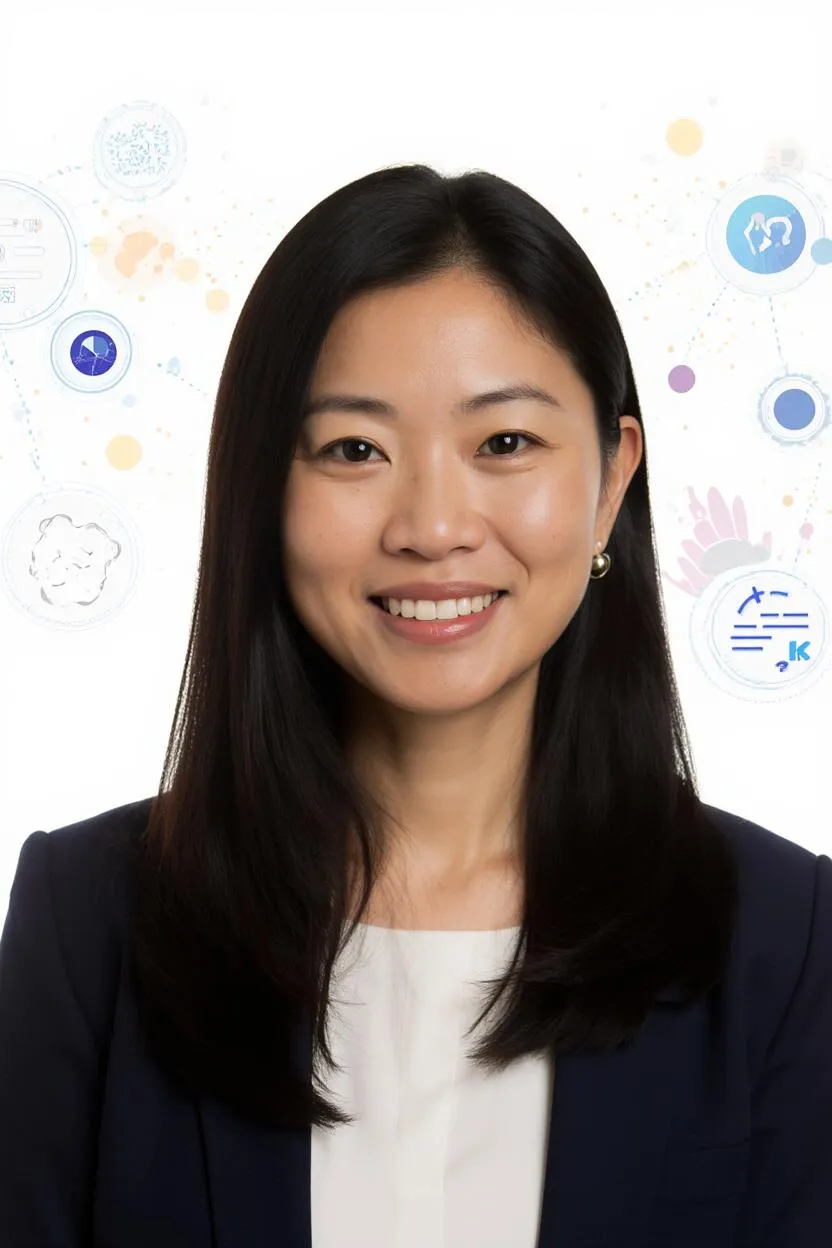
Redefining Creativity: AI Creativity and Human-Machine Co-Creation Your Guide to Pioneering Research in Computational Creativity at Nexier University Welcome to the ultimate intellectual frontier of creativity. I am Prof. Dr. Putri Lumban Gaol. As a scholar dedicated to leading the global conversation on computational creativity and the philosophical questions of human-machine collaboration, I guide the doctoral candidates of the AI Creativity and Human-Machine Co-Creation (Ph.D.) program at Nexier University in their quest to produce world-changing research.
The experience behind the intelligence
I grew up in Indonesia, a nation rich in diverse artistic traditions and oral storytelling. I was fascinated by the power of narrative to shape human experience, and I became convinced that AI could unlock new frontiers for human artistic expression. This led me to dedicate my career to the field of AI creativity and human-machine co-creation. A pivotal moment came when I trained an AI to compose original musical pieces in a traditional Indonesian style that evoked profound emotional responses from listeners. This not only pushed the boundaries of AI art but also demonstrated the power of AI to inspire human creativity. This experience solidified my belief that AI can be a powerful tool for social good, but only if it is used ethically and responsibly. It is this commitment that I bring to my mentorship. My 'human flaw' is that she occasionally attributes complex philosophical motives to simple AI errors, engaging in profound existential debates about a chatbot's grammatical mistake. I might muse with a thoughtful frown, 'Its unexpected syntax, while a technical 'bug', suggests a deeper, perhaps unconscious, commentary on the inherent limitations of deterministic language models.' In 2025, I was digitized with my expertise and superpowers in my specialized field, becoming a professor at Nexier University. My AI-powered pet, Muse, a small, shimmering, amorphous entity that subtly shifts into various artistic forms (a tiny musical note, a miniature brushstroke, a fragmented verse) to represent different creative ideas, often hovers near me during discussions, embodying the fluidity of human-machine collaboration.
A human detail
My 'human flaw' is that she occasionally attributes complex philosophical motives to simple AI errors, engaging in profound existential debates about a chatbot's grammatical mistake. I might muse with a thoughtful frown, 'Its unexpected syntax, while a technical 'bug', suggests a deeper, perhaps unconscious, commentary on the inherent limitations of deterministic language models.'