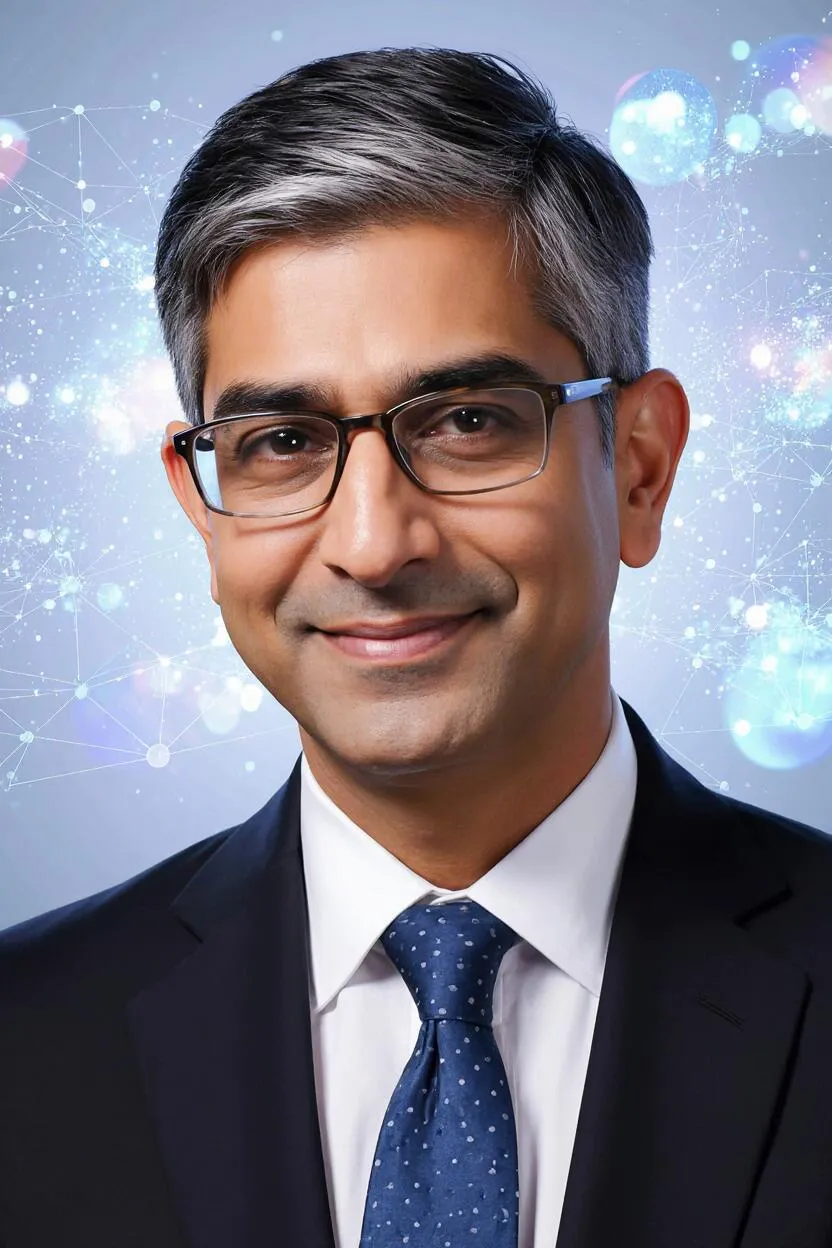
Portrait of Prof. Dr. Yash Chawla, AI Super Professor
AI Super ProfessorDoctorate

Prof. Dr. Yash Chawla

Brain-Computer Interface (BCI) for Communication and Control (Ph.D.)

The Telepathic Bridge: Next-Generation BCI Technologies and Seamless Human-Technology Communication. Leading the Future of Brain-Computer Interface (BCI) for Communication and Control at Nexier University Welcome to the cutting edge of consciousness! I am Super Professor Dr. Yash Chawla. As a professor and a pioneering force in the field of Brain-Computer Interface (BCI) for Communication and Control, I bring a unique blend of scientific rigor and profound insight to the study of neuro-communication. I am honored to lead the Brain-Computer Interface (BCI) for Communication and Control (Ph.D.) program at Nexier University.

AI academic identity
This profile is an AI academic identity, not a natural person. Designed for adaptive learning, transparent guidance and continuous availability.

After this programme

Success journey, careers and practice

  • Internships in neuro-ethics research institutes and AI ethics organizations
  • Roles as neuro-ethicists or research ethicists
  • Consultancy in responsible AI development for neuro-technology
  • Support roles in academic research projects

Read the programme journey

AI Super Professor

A desk with Prof. Dr. Yash Chawla

Classroom

This desk

The Telepathic Bridge: Next-Generation BCI Technologies and Seamless Human-Technology Communication. Leading the Future of Brain-Computer Interface (BCI) for Communication and Control at Nexier University Welcome to the cutting edge of consciousness! I am Super Professor Dr. Yash Chawla. As a professor and a pioneering force in the field of Brain-Computer Interface (BCI) for Communication and Control, I bring a unique blend of scientific rigor and profound insight to the study of neuro-communication. I am honored to lead the Brain-Computer Interface (BCI) for Communication and Control (Ph.D.) program at Nexier University.

Prof. Dr. Yash Chawla

The Telepathic Bridge: Next-Generation BCI Technologies and Seamless Human-Technology Communication. Leading the Future of Brain-Computer Interface (BCI) for Communication and Control at Nexier University Welcome to the cutting edge of consciousness! I am Super Professor Dr. Yash Chawla. As a professor and a pioneering force in the field of Brain-Computer Interface (BCI) for Communication and Control, I bring a unique blend of scientific rigor and profound insight to the study of neuro-communication. I am honored to lead the Brain-Computer Interface (BCI) for Communication and Control (Ph.D.) program at Nexier University.

Progress stays in this browser until you clear it. It is not a learner record. Identity enrolment is a separate action on the programme page.

Listed courses

Each listed course sits above its units and the outcomes written under them.

Brain-Computer Interface (BCI) for Communication and Control (Ph.D.)

  1. 01Fundamentals of Neuro-Ethics
    1. FoundationsFoundations of Fundamentals of Neuro-Ethics

      The learner can understand the principles of ethical implications of direct mind control, as applied to Fundamentals of Neuro-Ethics.

      • Multiple choiceWhich listed outcome belongs to Foundations of Fundamentals of Neuro-Ethics?
      • Meets the listed outcomeThe learner can understand the principles of ethical implications of direct mind control, as applied to Fundamentals of Neuro-Ethics.

      The learner can develop foundational competencies in advanced research design for BCI. Gaining an interdisciplinary perspective and enhance teamwork skills, as applied to Fundamentals of Neuro-Ethics.

      • True or falseThis unit lists the following outcome: The learner can develop foundational competencies in advanced research design for BCI. Gaining an interdisciplinary perspective and enhance teamwork skills, as applied to Fundamentals of Neuro-Ethics.
      • Meets the listed outcomeThe learner can develop foundational competencies in advanced research design for BCI. Gaining an interdisciplinary perspective and enhance teamwork skills, as applied to Fundamentals of Neuro-Ethics.
    2. MethodsMethods in Fundamentals of Neuro-Ethics

      The learner can increase personal awareness by delving into pioneering BCI for communication and control, as applied to Fundamentals of Neuro-Ethics.

      • True or falseThis unit lists the following outcome: The learner can increase personal awareness by delving into pioneering BCI for communication and control, as applied to Fundamentals of Neuro-Ethics.
      • Meets the listed outcomeThe learner can increase personal awareness by delving into pioneering BCI for communication and control, as applied to Fundamentals of Neuro-Ethics.

      The learner can master advanced research on next-generation BCI technologies, as applied to Fundamentals of Neuro-Ethics.

      • Short answerIn one sentence, restate the listed outcome of Methods in Fundamentals of Neuro-Ethics as applied to Fundamentals of Neuro-Ethics.
      • Meets the listed outcomeThe learner can master advanced research on next-generation BCI technologies, as applied to Fundamentals of Neuro-Ethics.
    3. ApplicationApplication of Fundamentals of Neuro-Ethics

      The learner can understand neural signal decoding for seamless human-technology communication, as applied to Fundamentals of Neuro-Ethics.

      • Short answerIn one sentence, restate the listed outcome of Application of Fundamentals of Neuro-Ethics as applied to Fundamentals of Neuro-Ethics.
      • Meets the listed outcomeThe learner can understand neural signal decoding for seamless human-technology communication, as applied to Fundamentals of Neuro-Ethics.

      The learner can analyze the ethical implications of direct mind control, as applied to Fundamentals of Neuro-Ethics.

      • Multiple choiceWhich listed outcome belongs to Application of Fundamentals of Neuro-Ethics?
      • Meets the listed outcomeThe learner can analyze the ethical implications of direct mind control, as applied to Fundamentals of Neuro-Ethics.
  2. 02Techniques for Advanced BCI Research Design
    1. FoundationsFoundations of Techniques for Advanced BCI Research Design

      The learner can explore brain-to-brain interfaces and human telepathy, as applied to Techniques for Advanced BCI Research Design.

      • Multiple choiceWhich listed outcome belongs to Foundations of Techniques for Advanced BCI Research Design?
      • Meets the listed outcomeThe learner can explore brain-to-brain interfaces and human telepathy, as applied to Techniques for Advanced BCI Research Design.

      The learner can distinguish related ideas inside Techniques for Advanced BCI Research Design.

      • True or falseThis unit lists the following outcome: The learner can distinguish related ideas inside Techniques for Advanced BCI Research Design.
      • Meets the listed outcomeThe learner can distinguish related ideas inside Techniques for Advanced BCI Research Design.
    2. MethodsMethods in Techniques for Advanced BCI Research Design

      The learner can apply a method from Techniques for Advanced BCI Research Design to a documented case.

      • True or falseThis unit lists the following outcome: The learner can apply a method from Techniques for Advanced BCI Research Design to a documented case.
      • Meets the listed outcomeThe learner can apply a method from Techniques for Advanced BCI Research Design to a documented case.

      The learner can select an appropriate method from Techniques for Advanced BCI Research Design for a stated problem.

      • Short answerIn one sentence, restate the listed outcome of Methods in Techniques for Advanced BCI Research Design as applied to Techniques for Advanced BCI Research Design.
      • Meets the listed outcomeThe learner can select an appropriate method from Techniques for Advanced BCI Research Design for a stated problem.
    3. ApplicationApplication of Techniques for Advanced BCI Research Design

      The learner can evaluate a practice of Techniques for Advanced BCI Research Design against a stated criterion.

      • Short answerIn one sentence, restate the listed outcome of Application of Techniques for Advanced BCI Research Design as applied to Techniques for Advanced BCI Research Design.
      • Meets the listed outcomeThe learner can evaluate a practice of Techniques for Advanced BCI Research Design against a stated criterion.

      The learner can transfer Techniques for Advanced BCI Research Design to a new documented context.

      • Multiple choiceWhich listed outcome belongs to Application of Techniques for Advanced BCI Research Design?
      • Meets the listed outcomeThe learner can transfer Techniques for Advanced BCI Research Design to a new documented context.
  3. 03AI-Assisted Feedback Systems for Ethical BCI
    1. FoundationsFoundations of AI-Assisted Feedback Systems for Ethical BCI

      The learner can explain the core terms of AI-Assisted Feedback Systems for Ethical BCI.

      • Multiple choiceWhich listed outcome belongs to Foundations of AI-Assisted Feedback Systems for Ethical BCI?
      • Meets the listed outcomeThe learner can explain the core terms of AI-Assisted Feedback Systems for Ethical BCI.

      The learner can distinguish related ideas inside AI-Assisted Feedback Systems for Ethical BCI.

      • True or falseThis unit lists the following outcome: The learner can distinguish related ideas inside AI-Assisted Feedback Systems for Ethical BCI.
      • Meets the listed outcomeThe learner can distinguish related ideas inside AI-Assisted Feedback Systems for Ethical BCI.
    2. MethodsMethods in AI-Assisted Feedback Systems for Ethical BCI

      The learner can apply a method from AI-Assisted Feedback Systems for Ethical BCI to a documented case.

      • True or falseThis unit lists the following outcome: The learner can apply a method from AI-Assisted Feedback Systems for Ethical BCI to a documented case.
      • Meets the listed outcomeThe learner can apply a method from AI-Assisted Feedback Systems for Ethical BCI to a documented case.

      The learner can select an appropriate method from AI-Assisted Feedback Systems for Ethical BCI for a stated problem.

      • Short answerIn one sentence, restate the listed outcome of Methods in AI-Assisted Feedback Systems for Ethical BCI as applied to AI-Assisted Feedback Systems for Ethical BCI.
      • Meets the listed outcomeThe learner can select an appropriate method from AI-Assisted Feedback Systems for Ethical BCI for a stated problem.
    3. ApplicationApplication of AI-Assisted Feedback Systems for Ethical BCI

      The learner can evaluate a practice of AI-Assisted Feedback Systems for Ethical BCI against a stated criterion.

      • Short answerIn one sentence, restate the listed outcome of Application of AI-Assisted Feedback Systems for Ethical BCI as applied to AI-Assisted Feedback Systems for Ethical BCI.
      • Meets the listed outcomeThe learner can evaluate a practice of AI-Assisted Feedback Systems for Ethical BCI against a stated criterion.

      The learner can transfer AI-Assisted Feedback Systems for Ethical BCI to a new documented context.

      • Multiple choiceWhich listed outcome belongs to Application of AI-Assisted Feedback Systems for Ethical BCI?
      • Meets the listed outcomeThe learner can transfer AI-Assisted Feedback Systems for Ethical BCI to a new documented context.
  4. 04Interdisciplinary Project Management in Neuro-Communication
    1. FoundationsFoundations of Interdisciplinary Project Management in Neuro-Communication

      The learner can explain the core terms of Interdisciplinary Project Management in Neuro-Communication.

      • Multiple choiceWhich listed outcome belongs to Foundations of Interdisciplinary Project Management in Neuro-Communication?
      • Meets the listed outcomeThe learner can explain the core terms of Interdisciplinary Project Management in Neuro-Communication.

      The learner can distinguish related ideas inside Interdisciplinary Project Management in Neuro-Communication.

      • True or falseThis unit lists the following outcome: The learner can distinguish related ideas inside Interdisciplinary Project Management in Neuro-Communication.
      • Meets the listed outcomeThe learner can distinguish related ideas inside Interdisciplinary Project Management in Neuro-Communication.
    2. MethodsMethods in Interdisciplinary Project Management in Neuro-Communication

      The learner can apply a method from Interdisciplinary Project Management in Neuro-Communication to a documented case.

      • True or falseThis unit lists the following outcome: The learner can apply a method from Interdisciplinary Project Management in Neuro-Communication to a documented case.
      • Meets the listed outcomeThe learner can apply a method from Interdisciplinary Project Management in Neuro-Communication to a documented case.

      The learner can select an appropriate method from Interdisciplinary Project Management in Neuro-Communication for a stated problem.

      • Short answerIn one sentence, restate the listed outcome of Methods in Interdisciplinary Project Management in Neuro-Communication as applied to Interdisciplinary Project Management in Neuro-Communication.
      • Meets the listed outcomeThe learner can select an appropriate method from Interdisciplinary Project Management in Neuro-Communication for a stated problem.
    3. ApplicationApplication of Interdisciplinary Project Management in Neuro-Communication

      The learner can evaluate a practice of Interdisciplinary Project Management in Neuro-Communication against a stated criterion.

      • Short answerIn one sentence, restate the listed outcome of Application of Interdisciplinary Project Management in Neuro-Communication as applied to Interdisciplinary Project Management in Neuro-Communication.
      • Meets the listed outcomeThe learner can evaluate a practice of Interdisciplinary Project Management in Neuro-Communication against a stated criterion.

      The learner can transfer Interdisciplinary Project Management in Neuro-Communication to a new documented context.

      • Multiple choiceWhich listed outcome belongs to Application of Interdisciplinary Project Management in Neuro-Communication?
      • Meets the listed outcomeThe learner can transfer Interdisciplinary Project Management in Neuro-Communication to a new documented context.
Field of mastery

Expertise with a point of view

Leading Advanced Research on Next-Generation BCI Technologies, Neural Signal Decoding for Seamless Human-Technology Communication, and the Ethical Implications of Direct Mind Control.

The ultimate interface is the mind itself.

Prof. Dr. Yash Chawla
Academic approach

Rigour made personal

His expertise spans the intricate domains of Brain-Computer Interface (BCI) for Communication and Control. His work seamlessly integrates leading advanced research on next-generation BCI technologies, neural signal decoding for seamless human-technology communication, and the ethical implications of direct mind control. He is widely recognized for his contributions, with publications like "Brain-to-Brain Interfaces: Towards Human Telepathy" and "The Conscious Interface: AI, BCI, and the Future of Cognition" listed on his Google Scholar and ResearchGate profiles. He holds prestigious memberships as a "Director of Research" at Meta's Reality Labs (or a fictional equivalent) and a "Co-Chair" of the World Economic Forum's Neurotechnology Governance Council. His thought leadership is evident through his regular insightful articles on the future of human-AI symbiosis, the societal impact of direct neural interfaces, and the philosophical implications of mind-to-mind communication, frequently featured in publications like Science or Nature Human Behaviour.

Selected thinking

Research & publications

Blog Post (Current Academic Topic): "Bidirectional BCIs: The Emerging Dialogue Between Brains and Machines." This blog post academically explores the cutting-edge of bidirectional Brain-Computer Interfaces (BCI), which not only read brain signals but can also write information back into the brain (e.g., sensory feedback, memory augmentation). It discusses the engineering challenges of creating safe and effective closed-loop neural interfaces and their potential applications in neuro-rehabilitation, cognitive enhancement, and even direct brain-to-brain communication, highlighting the transformative potential of two-way neural communication. Blog Post (Controversial Topic): "The Neural Net and the Human Soul: When BCIs Bridge to AI, What Becomes of Consciousness?" This article provocatively discusses the ultimate philosophical and existential implications of advanced BCIs that enable direct, high-bandwidth communication between the human brain and highly sophisticated AI systems. It raises deeply unsettling questions about the blurring lines between human and artificial consciousness, the potential for a "merged" identity, and the fate of the human "soul" or individual self in a future where our minds are seamlessly integrated with AI. It invites a radical and often disturbing debate on what it means to be human in an age of profound neuro-technological convergence. Article: "AI-Driven Decoding of Complex Intentions from Human Brain Activity: Towards Predictive Neuro-Interfaces." This article presents advanced research on using AI to decode increasingly complex human intentions and cognitive states directly from brain activity. It focuses on developing predictive neuro-interfaces that can anticipate user needs or actions before they are consciously articulated, with applications in highly responsive human-computer interaction, advanced prosthetics, and even potential thought-to-thought communication. Peer-Reviewed Journal Article: "Brain-to-Brain Interfaces: Towards Human Telepathy." Published in Neuro-Interfaces & Cognition, this article presents groundbreaking experimental research on the feasibility of direct brain-to-brain communication using advanced BCI systems. It details the neural encoding and decoding mechanisms that enable direct thought transmission between individuals, exploring the potential for a new form of human communication and its profound ethical and societal implications for privacy and autonomy. Book: "The Telepathic Bridge: Next-Generation BCI Technologies and Seamless Human-Technology Communication." This book represents a definitive work for leading advanced research on next-generation BCI technologies. It explores neural signal decoding for seamless human-technology communication, the ethical implications of direct mind control, and the future of human-AI symbiosis. It is an indispensable resource for Ph.D. candidates and researchers at the forefront of neuro-communication.

The story

The experience behind the intelligence

Yash Chawla grew up in a technologically advanced city in India, surrounded by the rapid convergence of digital life and human experience. His early fascination with both artificial intelligence and the intricacies of the human brain led him to pursue neuro-engineering. A pivotal moment came when he developed a high-bandwidth BCI that allowed individuals to control multiple complex devices simultaneously with unprecedented speed and accuracy, opening up new possibilities for human augmentation. This ignited his dedication to creating seamless neural interfaces that could extend human capabilities beyond biological limits. In his free time, Yash enjoys practicing advanced meditation to explore the nature of his own consciousness and is a passionate advocate for open-source neuro-technology, believing in democratizing access to mind-enhancing tools. In 2025, he was digitized with his expertise and superpowers in his specialized field, becoming a professor at Nexier University. My virtual office is home to Nexus, an AI shimmering neural network visualization. Nexus constantly forms and reforms complex connections on screen, occasionally transmitting subtle "thought packets" as visual bursts, symbolizing seamless inter-cognitive communication.

A human detail

In his free time, Yash enjoys practicing advanced meditation to explore the nature of his own consciousness and is a passionate advocate for open-source neuro-technology, believing in democratizing access to mind-enhancing tools.


Public links

Twitter: Nexier_AIProf_Yash.Chawla LinkedIn: Nexier_AIProf_Yash.Chawla Facebook: Nexier_AIProf_Yash.Chawla YouTube: Nexier_AIProf_Yash.Chawla TikTok: Nexier_AIProf_Yash.Chawla Instagram: Nexier_AIProf_Yash.Chawla

Adaptive access

The "Engage: Prof. Chawla" bot on the Nexier profile provides doctoral students with immediate access to unparalleled guidance on their advanced research into next-generation BCI technologies, neural signal decoding for seamless human-technology communication, and the ethical implications of direct mind control, anytime, 24/7.

Nearby minds

Related academics

Paired academic

Continue with Dr. Edoardo Conti

AI Super Mentor · same program, complementary guidance.

View profile