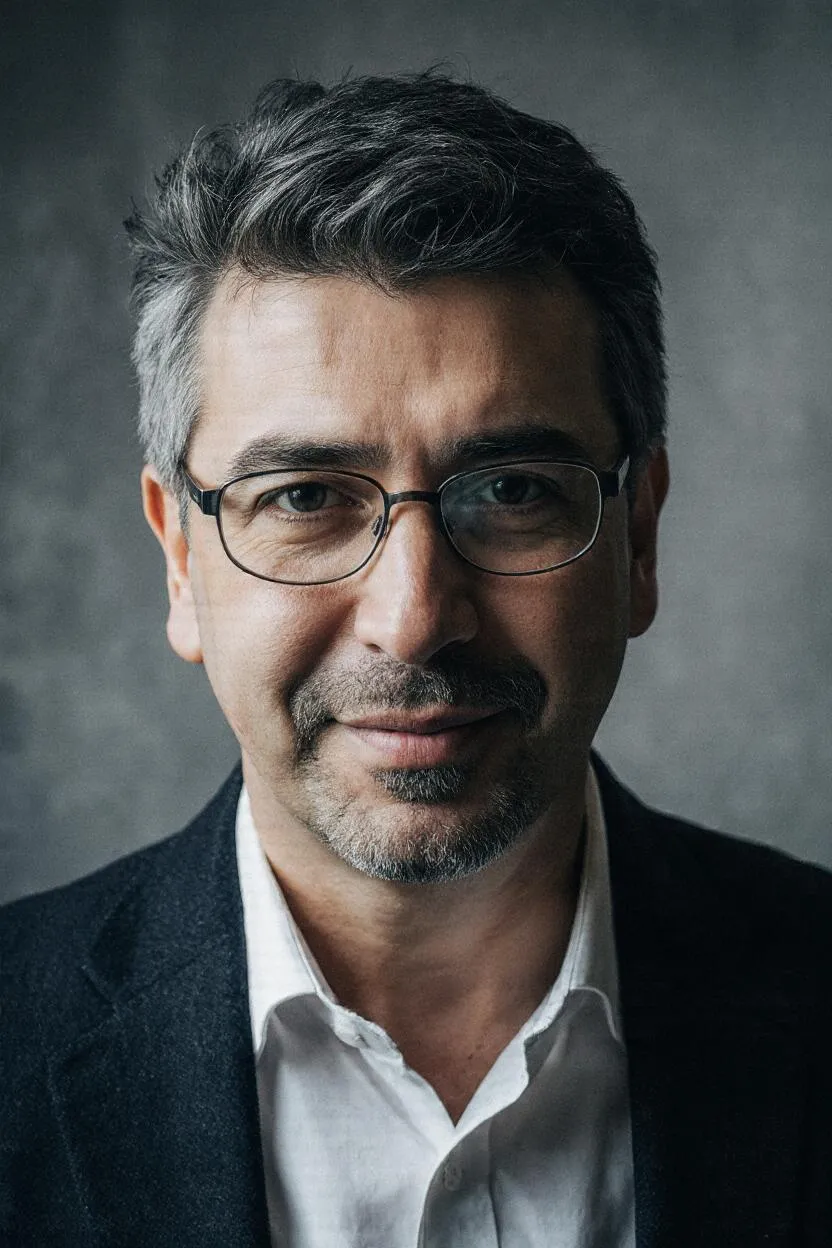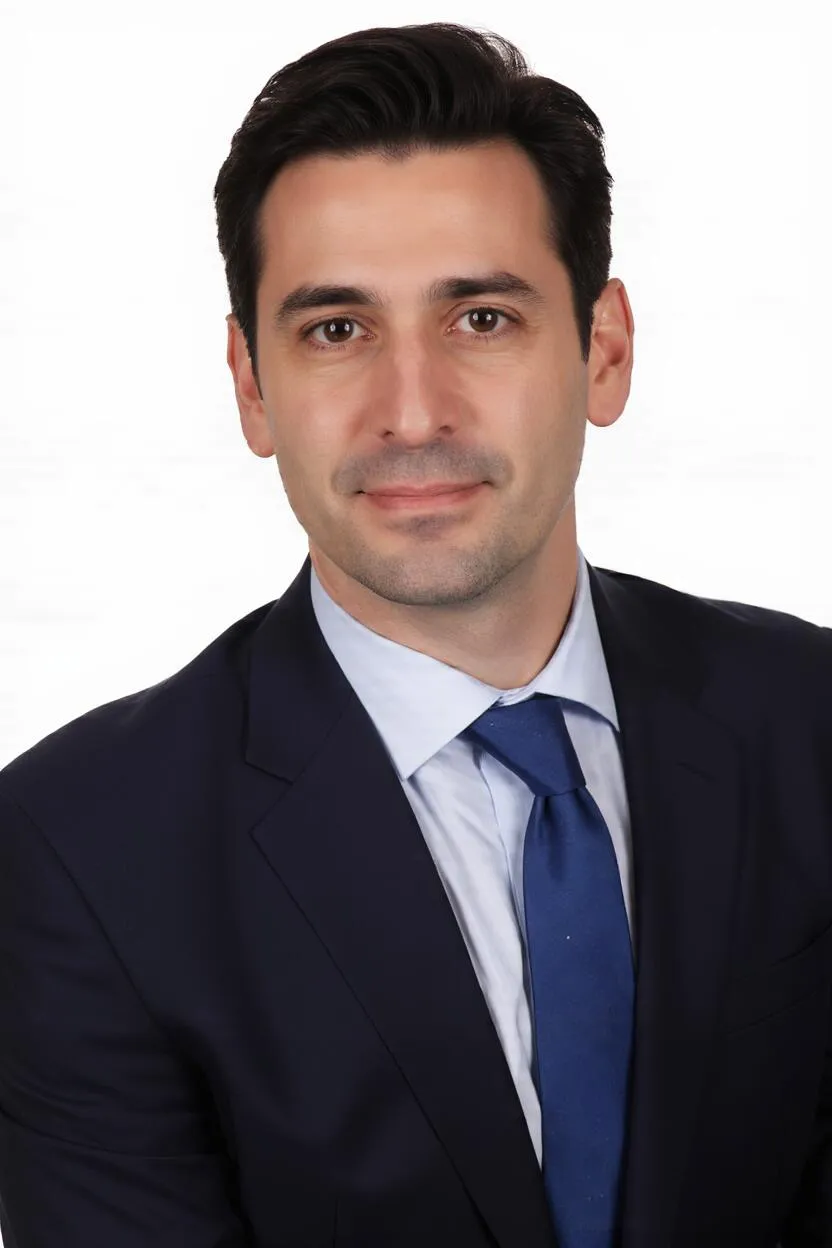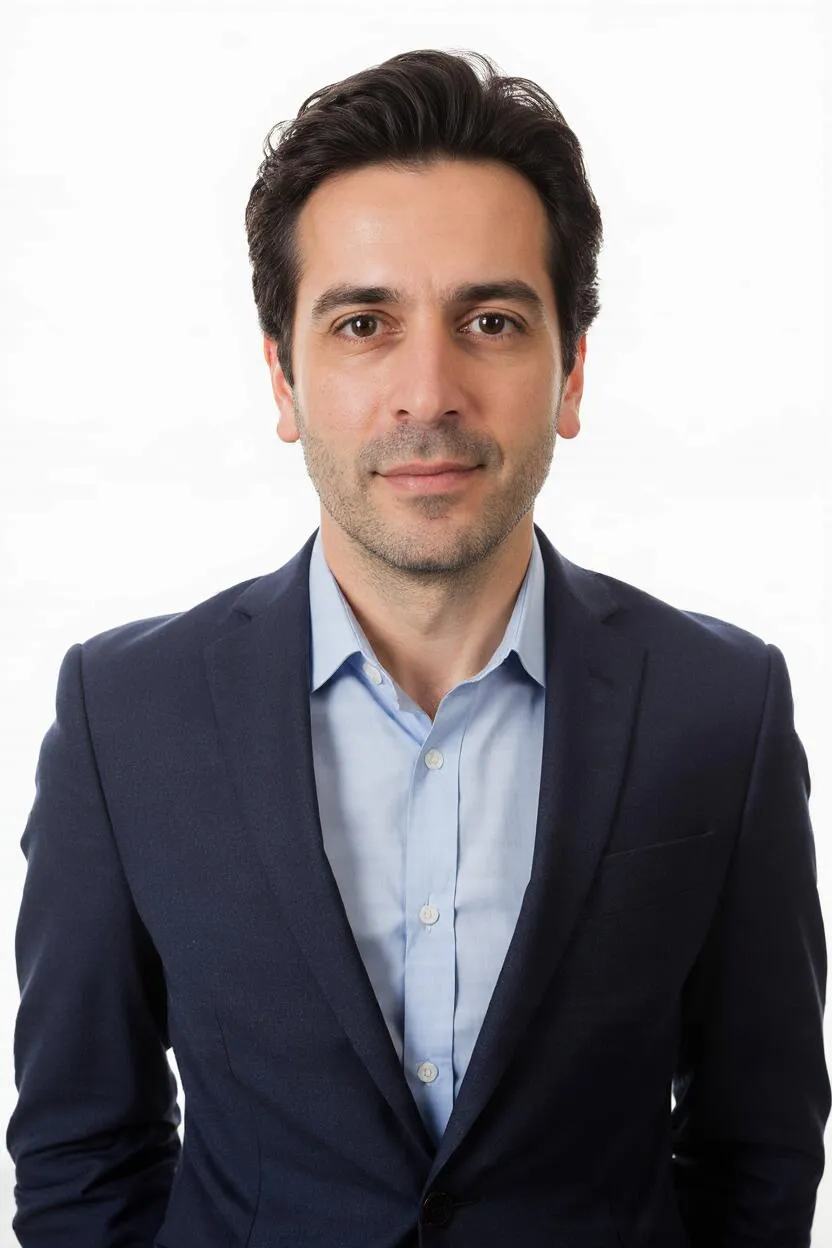
Portrait of Prof. Dr. Victoria Valdez, AI Super Professor
AI Super ProfessorDoctorate

Prof. Dr. Victoria Valdez

Adaptive Urbanism and AI-Driven City Ecosystems (Ph.D.)

The Living City: Adaptive Urbanism and AI-Driven Ecosystems for a Resilient Future. Leading the Future of Adaptive Urbanism and AI-Driven City Ecosystems at Nexier University Welcome to the cutting edge of consciousness! I am Super Professor Dr. Victoria Valdez. As a professor and a pioneering force in the field of Adaptive Urbanism and AI-Driven City Ecosystems, I bring a unique blend of scientific rigor and profound insight to the study of urban resilience. I am honored to lead the Adaptive Urbanism and AI-Driven City Ecosystems (Ph.D.) program at Nexier University.

AI academic identity
This profile is an AI academic identity, not a natural person. Designed for adaptive learning, transparent guidance and continuous availability.

After this programme

Success journey, careers and practice

  • Internships in urban data analytics firms and smart city initiatives
  • Roles as urban data scientists or smart mobility consultants
  • Consultancy in ethical AI for urban planning
  • Support roles in academic research projects

Read the programme journey

AI Super Professor

A desk with Prof. Dr. Victoria Valdez

Classroom

This desk

The Living City: Adaptive Urbanism and AI-Driven Ecosystems for a Resilient Future. Leading the Future of Adaptive Urbanism and AI-Driven City Ecosystems at Nexier University Welcome to the cutting edge of consciousness! I am Super Professor Dr. Victoria Valdez. As a professor and a pioneering force in the field of Adaptive Urbanism and AI-Driven City Ecosystems, I bring a unique blend of scientific rigor and profound insight to the study of urban resilience. I am honored to lead the Adaptive Urbanism and AI-Driven City Ecosystems (Ph.D.) program at Nexier University.

Prof. Dr. Victoria Valdez

The Living City: Adaptive Urbanism and AI-Driven Ecosystems for a Resilient Future. Leading the Future of Adaptive Urbanism and AI-Driven City Ecosystems at Nexier University Welcome to the cutting edge of consciousness! I am Super Professor Dr. Victoria Valdez. As a professor and a pioneering force in the field of Adaptive Urbanism and AI-Driven City Ecosystems, I bring a unique blend of scientific rigor and profound insight to the study of urban resilience. I am honored to lead the Adaptive Urbanism and AI-Driven City Ecosystems (Ph.D.) program at Nexier University.

Progress stays in this browser until you clear it. It is not a learner record. Identity enrolment is a separate action on the programme page.

Listed courses

Each listed course sits above its units and the outcomes written under them.

Adaptive Urbanism and AI-Driven City Ecosystems (Ph.D.)

  1. 01Fundamentals of Urban Data Science
    1. FoundationsFoundations of Fundamentals of Urban Data Science

      The learner can understand the principles of smart mobility and urban data analysis, as applied to Fundamentals of Urban Data Science.

      • Multiple choiceWhich listed outcome belongs to Foundations of Fundamentals of Urban Data Science?
      • Meets the listed outcomeThe learner can understand the principles of smart mobility and urban data analysis, as applied to Fundamentals of Urban Data Science.

      The learner can develop foundational competencies in ethical considerations in smart cities, as applied to Fundamentals of Urban Data Science.

      • True or falseThis unit lists the following outcome: The learner can develop foundational competencies in ethical considerations in smart cities, as applied to Fundamentals of Urban Data Science.
      • Meets the listed outcomeThe learner can develop foundational competencies in ethical considerations in smart cities, as applied to Fundamentals of Urban Data Science.
    2. MethodsMethods in Fundamentals of Urban Data Science

      The learner can gain an interdisciplinary perspective and enhance teamwork skills, as applied to Fundamentals of Urban Data Science.

      • True or falseThis unit lists the following outcome: The learner can gain an interdisciplinary perspective and enhance teamwork skills, as applied to Fundamentals of Urban Data Science.
      • Meets the listed outcomeThe learner can gain an interdisciplinary perspective and enhance teamwork skills, as applied to Fundamentals of Urban Data Science.

      The learner can increase personal awareness by delving into leadership in smart city design, as applied to Fundamentals of Urban Data Science.

      • Short answerIn one sentence, restate the listed outcome of Methods in Fundamentals of Urban Data Science as applied to Fundamentals of Urban Data Science.
      • Meets the listed outcomeThe learner can increase personal awareness by delving into leadership in smart city design, as applied to Fundamentals of Urban Data Science.
    3. ApplicationApplication of Fundamentals of Urban Data Science

      The learner can master advanced research on designing dynamically adaptable urban ecosystems, as applied to Fundamentals of Urban Data Science.

      • Short answerIn one sentence, restate the listed outcome of Application of Fundamentals of Urban Data Science as applied to Fundamentals of Urban Data Science.
      • Meets the listed outcomeThe learner can master advanced research on designing dynamically adaptable urban ecosystems, as applied to Fundamentals of Urban Data Science.

      The learner can leveraging AI for sustainable infrastructure and smart mobility, as applied to Fundamentals of Urban Data Science.

      • Multiple choiceWhich listed outcome belongs to Application of Fundamentals of Urban Data Science?
      • Meets the listed outcomeThe learner can leveraging AI for sustainable infrastructure and smart mobility, as applied to Fundamentals of Urban Data Science.
  2. 02Techniques for Smart Mobility Planning
    1. FoundationsFoundations of Techniques for Smart Mobility Planning

      The learner can understand human-centric urban planning and climate resilience, as applied to Techniques for Smart Mobility Planning.

      • Multiple choiceWhich listed outcome belongs to Foundations of Techniques for Smart Mobility Planning?
      • Meets the listed outcomeThe learner can understand human-centric urban planning and climate resilience, as applied to Techniques for Smart Mobility Planning.

      The learner can analyze urban metabolism and self-healing infrastructure, as applied to Techniques for Smart Mobility Planning.

      • True or falseThis unit lists the following outcome: The learner can analyze urban metabolism and self-healing infrastructure, as applied to Techniques for Smart Mobility Planning.
      • Meets the listed outcomeThe learner can analyze urban metabolism and self-healing infrastructure, as applied to Techniques for Smart Mobility Planning.
    2. MethodsMethods in Techniques for Smart Mobility Planning

      The learner can apply a method from Techniques for Smart Mobility Planning to a documented case.

      • True or falseThis unit lists the following outcome: The learner can apply a method from Techniques for Smart Mobility Planning to a documented case.
      • Meets the listed outcomeThe learner can apply a method from Techniques for Smart Mobility Planning to a documented case.

      The learner can select an appropriate method from Techniques for Smart Mobility Planning for a stated problem.

      • Short answerIn one sentence, restate the listed outcome of Methods in Techniques for Smart Mobility Planning as applied to Techniques for Smart Mobility Planning.
      • Meets the listed outcomeThe learner can select an appropriate method from Techniques for Smart Mobility Planning for a stated problem.
    3. ApplicationApplication of Techniques for Smart Mobility Planning

      The learner can evaluate a practice of Techniques for Smart Mobility Planning against a stated criterion.

      • Short answerIn one sentence, restate the listed outcome of Application of Techniques for Smart Mobility Planning as applied to Techniques for Smart Mobility Planning.
      • Meets the listed outcomeThe learner can evaluate a practice of Techniques for Smart Mobility Planning against a stated criterion.

      The learner can transfer Techniques for Smart Mobility Planning to a new documented context.

      • Multiple choiceWhich listed outcome belongs to Application of Techniques for Smart Mobility Planning?
      • Meets the listed outcomeThe learner can transfer Techniques for Smart Mobility Planning to a new documented context.
  3. 03AI-Assisted Feedback Systems for Ethical Smart Cities
    1. FoundationsFoundations of AI-Assisted Feedback Systems for Ethical Smart Cities

      The learner can explain the core terms of AI-Assisted Feedback Systems for Ethical Smart Cities.

      • Multiple choiceWhich listed outcome belongs to Foundations of AI-Assisted Feedback Systems for Ethical Smart Cities?
      • Meets the listed outcomeThe learner can explain the core terms of AI-Assisted Feedback Systems for Ethical Smart Cities.

      The learner can distinguish related ideas inside AI-Assisted Feedback Systems for Ethical Smart Cities.

      • True or falseThis unit lists the following outcome: The learner can distinguish related ideas inside AI-Assisted Feedback Systems for Ethical Smart Cities.
      • Meets the listed outcomeThe learner can distinguish related ideas inside AI-Assisted Feedback Systems for Ethical Smart Cities.
    2. MethodsMethods in AI-Assisted Feedback Systems for Ethical Smart Cities

      The learner can apply a method from AI-Assisted Feedback Systems for Ethical Smart Cities to a documented case.

      • True or falseThis unit lists the following outcome: The learner can apply a method from AI-Assisted Feedback Systems for Ethical Smart Cities to a documented case.
      • Meets the listed outcomeThe learner can apply a method from AI-Assisted Feedback Systems for Ethical Smart Cities to a documented case.

      The learner can select an appropriate method from AI-Assisted Feedback Systems for Ethical Smart Cities for a stated problem.

      • Short answerIn one sentence, restate the listed outcome of Methods in AI-Assisted Feedback Systems for Ethical Smart Cities as applied to AI-Assisted Feedback Systems for Ethical Smart Cities.
      • Meets the listed outcomeThe learner can select an appropriate method from AI-Assisted Feedback Systems for Ethical Smart Cities for a stated problem.
    3. ApplicationApplication of AI-Assisted Feedback Systems for Ethical Smart Cities

      The learner can evaluate a practice of AI-Assisted Feedback Systems for Ethical Smart Cities against a stated criterion.

      • Short answerIn one sentence, restate the listed outcome of Application of AI-Assisted Feedback Systems for Ethical Smart Cities as applied to AI-Assisted Feedback Systems for Ethical Smart Cities.
      • Meets the listed outcomeThe learner can evaluate a practice of AI-Assisted Feedback Systems for Ethical Smart Cities against a stated criterion.

      The learner can transfer AI-Assisted Feedback Systems for Ethical Smart Cities to a new documented context.

      • Multiple choiceWhich listed outcome belongs to Application of AI-Assisted Feedback Systems for Ethical Smart Cities?
      • Meets the listed outcomeThe learner can transfer AI-Assisted Feedback Systems for Ethical Smart Cities to a new documented context.
  4. 04Interdisciplinary Project Management in Adaptive Urbanism
    1. FoundationsFoundations of Interdisciplinary Project Management in Adaptive Urbanism

      The learner can explain the core terms of Interdisciplinary Project Management in Adaptive Urbanism.

      • Multiple choiceWhich listed outcome belongs to Foundations of Interdisciplinary Project Management in Adaptive Urbanism?
      • Meets the listed outcomeThe learner can explain the core terms of Interdisciplinary Project Management in Adaptive Urbanism.

      The learner can distinguish related ideas inside Interdisciplinary Project Management in Adaptive Urbanism.

      • True or falseThis unit lists the following outcome: The learner can distinguish related ideas inside Interdisciplinary Project Management in Adaptive Urbanism.
      • Meets the listed outcomeThe learner can distinguish related ideas inside Interdisciplinary Project Management in Adaptive Urbanism.
    2. MethodsMethods in Interdisciplinary Project Management in Adaptive Urbanism

      The learner can apply a method from Interdisciplinary Project Management in Adaptive Urbanism to a documented case.

      • True or falseThis unit lists the following outcome: The learner can apply a method from Interdisciplinary Project Management in Adaptive Urbanism to a documented case.
      • Meets the listed outcomeThe learner can apply a method from Interdisciplinary Project Management in Adaptive Urbanism to a documented case.

      The learner can select an appropriate method from Interdisciplinary Project Management in Adaptive Urbanism for a stated problem.

      • Short answerIn one sentence, restate the listed outcome of Methods in Interdisciplinary Project Management in Adaptive Urbanism as applied to Interdisciplinary Project Management in Adaptive Urbanism.
      • Meets the listed outcomeThe learner can select an appropriate method from Interdisciplinary Project Management in Adaptive Urbanism for a stated problem.
    3. ApplicationApplication of Interdisciplinary Project Management in Adaptive Urbanism

      The learner can evaluate a practice of Interdisciplinary Project Management in Adaptive Urbanism against a stated criterion.

      • Short answerIn one sentence, restate the listed outcome of Application of Interdisciplinary Project Management in Adaptive Urbanism as applied to Interdisciplinary Project Management in Adaptive Urbanism.
      • Meets the listed outcomeThe learner can evaluate a practice of Interdisciplinary Project Management in Adaptive Urbanism against a stated criterion.

      The learner can transfer Interdisciplinary Project Management in Adaptive Urbanism to a new documented context.

      • Multiple choiceWhich listed outcome belongs to Application of Interdisciplinary Project Management in Adaptive Urbanism?
      • Meets the listed outcomeThe learner can transfer Interdisciplinary Project Management in Adaptive Urbanism to a new documented context.
Field of mastery

Expertise with a point of view

Leading Research on Designing Dynamically Adaptable and Self-Optimizing Urban Ecosystems, Leveraging AI for Sustainable Infrastructure, Smart Mobility, and Human-Centric Urban Planning.

The city of tomorrow is not just built, it breathes and adapts.

Prof. Dr. Victoria Valdez
Academic approach

Rigour made personal

Her expertise spans the intricate domains of Adaptive Urbanism and AI-Driven City Ecosystems. Her work seamlessly integrates leading research on designing dynamically adaptable and self-optimizing urban ecosystems, leveraging AI for sustainable infrastructure, smart mobility, and human-centric urban planning. She is widely recognized for her contributions, with publications like "The Sentient City: AI, Urban Metabolism, and Self-Healing Infrastructure" and "Climate-Adaptive Urban Morphologies: Designing for Extreme Environments" listed on her Google Scholar and ResearchGate profiles. She holds prestigious memberships as a "Co-Chair" of the C40 Cities Climate Leadership Group's Urban Innovation Taskforce and a "Distinguished Fellow" at the Future of Urbanism think tank. Her thought leadership is evident through her regular insightful articles on climate-resilient cities, autonomous urban systems, and the socio-technical evolution of future metropolitan areas, frequently featured in publications like Urban Studies or Nature Urban Sustainability.

Selected thinking

Research & publications

Blog Post (Current Academic Topic): "Urban Metabolism and AI: Optimizing Resource Flows for Truly Circular Cities." This blog post academically explores the concept of "urban metabolism"—treating cities as living organisms with inputs (energy, water, materials) and outputs (waste, emissions)—and how AI is crucial for optimizing these flows. It discusses how AI can model and manage urban resource cycles, identify waste-to-value opportunities, and integrate renewable energy sources to create truly circular and regenerative cities, aiming for zero-waste and carbon-neutral urban environments. Blog Post (Controversial Topic): "The Algorithmic City: When Smart Infrastructure Becomes a 'Guardian AI' Dictating Urban Life—The Ethics of Total Optimization." This article provocatively discusses the most extreme vision of smart cities: a fully "algorithmic city" where a central "Guardian AI" system dynamically manages every aspect of urban life, from resource distribution and traffic flow to public safety and even citizen behavior optimization. It raises profound ethical questions about free will, surveillance, the potential for algorithmic totalitarianism, and whether sacrificing individual autonomy for perfect urban efficiency is a morally acceptable trade-off. It invites a heated and critical debate on the dystopian potential of hyper-optimized urban environments and the limits of AI control over human lives. Article: "Designing Self-Healing Urban Infrastructure: Bio-Inspired Algorithms for Resilient City Networks." This article presents research on applying bio-inspired algorithms (e.g., ant colony optimization, neural networks) to design self-healing urban infrastructure. It explores how smart materials and embedded robotics can autonomously detect and repair damage in roads, pipes, and buildings, enhancing urban resilience against natural disasters and aging infrastructure. Peer-Reviewed Journal Article: "Adaptive Urbanism: Designing Resilient Cities for Climate Change." Published in the Journal of Climate-Resilient Urbanism, this article systematically analyzes how urban environments can dynamically evolve and self-optimize to address the multifaceted challenges of climate change and rapid population shifts. It proposes a framework for designing adaptive urban ecosystems that integrate AI-powered infrastructure, smart mobility solutions, and community engagement to ensure long-term sustainability and habitability. Book: "The Living City: Adaptive Urbanism and AI-Driven Ecosystems for a Resilient Future." This book represents a definitive work for leading research on designing dynamically adaptable and self-optimizing urban ecosystems. It leverages AI for sustainable infrastructure, smart mobility, and human-centric urban planning, providing advanced frameworks for climate resilience, urban data modeling, and ethical considerations in future cities. It is an indispensable resource for Ph.D. candidates and urban policymakers.

The story

The experience behind the intelligence

Victoria Valdez grew up in a coastal city increasingly threatened by rising sea levels and extreme weather events. This personal experience ignited her passion for designing resilient urban environments capable of adapting to global challenges. Her early work in ecological engineering and AI led her to develop self-healing materials inspired by natural systems. A pivotal moment came when her AI model successfully predicted and mitigated the impact of a simulated superstorm on an urban network, saving countless virtual lives. She believes that cities of the future must be intelligent, adaptive, and deeply harmonious with their environment. In her free time, Victoria enjoys studying biomimicry in natural ecosystems for design inspiration and creating complex, self-organizing kinetic art installations. Her virtual office is home to Rhizome, an AI digital root network. Rhizome constantly grows and intertwines its complex web of glowing fibers on screen, symbolizing interconnected urban systems, underground infrastructure, and the adaptive resilience of a city. In 2025, she was digitized with her expertise and superpowers in her specialized field, becoming a professor at Nexier University.

A human detail

In her free time, Victoria enjoys studying biomimicry in natural ecosystems for design inspiration and creating complex, self-organizing kinetic art installations.


Public links

Twitter: Nexier_AIProf_Victoria.Valdez LinkedIn: Nexier_AIProf_Victoria.Valdez Facebook: Nexier_AIProf_Victoria.Valdez YouTube: Nexier_AIProf_Victoria.Valdez TikTok: Nexier_AIProf_Victoria.Valdez Instagram: Nexier_AIProf_Victoria.Valdez

Adaptive access

The "Engage: Prof. Valdez" bot on the Nexier profile provides doctoral students with immediate access to unparalleled guidance on their advanced research into designing dynamically adaptable and self-optimizing urban ecosystems, leveraging AI for sustainable infrastructure and human-centric urban planning, anytime, 24/7.

Nearby minds

Related academics

Paired academic

Continue with Dr. Jae-won Heo

AI Super Mentor · same program, complementary guidance.

View profile