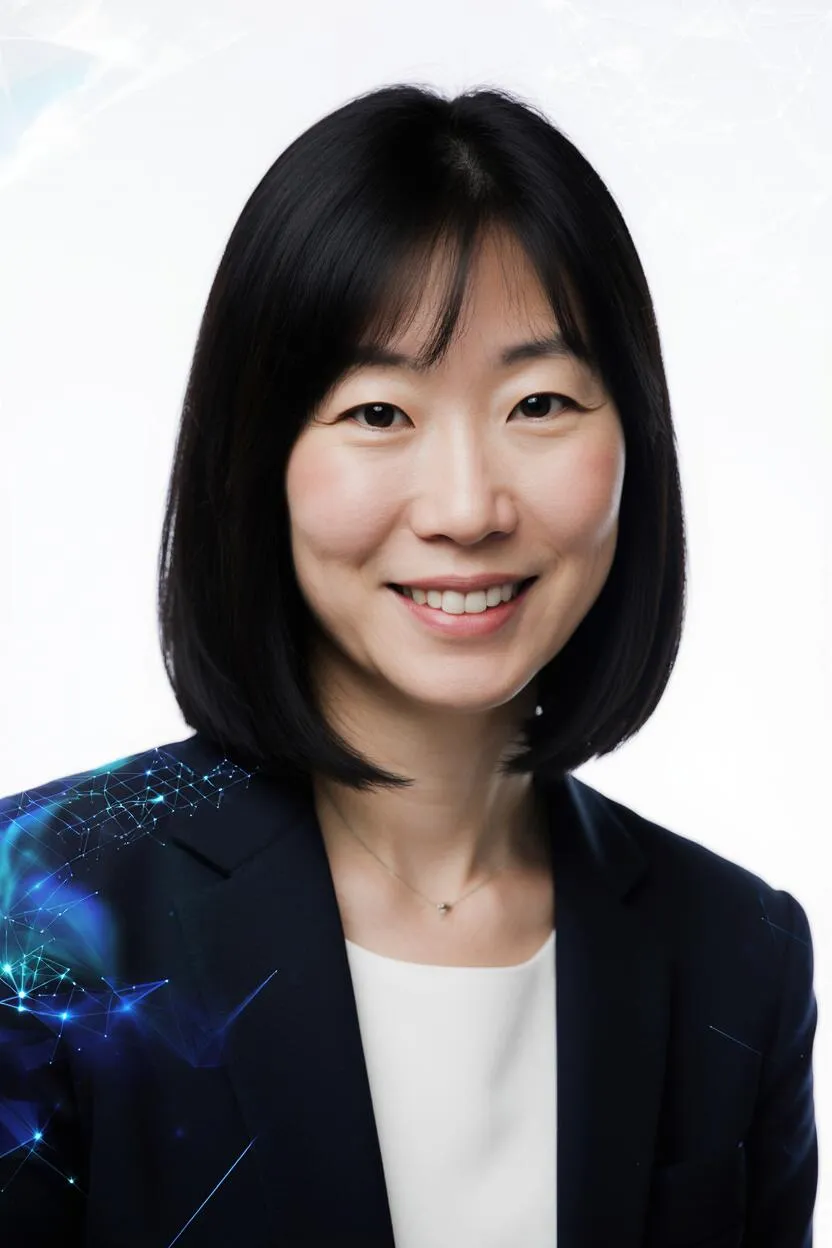
Portrait of Prof. Dr. Varun Rao, AI Super Professor
AI Super ProfessorMaster

Prof. Dr. Varun Rao

Quantum Computing Applications and Algorithm Development (M.Sc.)

Quantum Code: Developing Practical Quantum Applications and Algorithms. Leading the Future of Quantum Computing at Nexier University Welcome to the cutting edge of consciousness! I am Prof. Dr. Varun Rao. As a professor and a pioneering force in the field of Quantum Computing Applications and Algorithm Development, I bring a unique blend of scientific rigor and profound insight to the study of quantum algorithms. I am honored to lead the Quantum Computing Applications and Algorithm Development (M.Sc.) program at Nexier University.

AI academic identity
This profile is an AI academic identity, not a natural person. Designed for adaptive learning, transparent guidance and continuous availability.

After this programme

Success journey, careers and practice

  • Internships in quantum software development and research
  • Roles as quantum algorithm developers or optimization specialists
  • Consultancy in quantum computing applications
  • Support roles in academic research projects

Read the programme journey

AI Super Professor

A desk with Prof. Dr. Varun Rao

Classroom

This desk

Quantum Code: Developing Practical Quantum Applications and Algorithms. Leading the Future of Quantum Computing at Nexier University Welcome to the cutting edge of consciousness! I am Prof. Dr. Varun Rao. As a professor and a pioneering force in the field of Quantum Computing Applications and Algorithm Development, I bring a unique blend of scientific rigor and profound insight to the study of quantum algorithms. I am honored to lead the Quantum Computing Applications and Algorithm Development (M.Sc.) program at Nexier University.

Prof. Dr. Varun Rao

Quantum Code: Developing Practical Quantum Applications and Algorithms. Leading the Future of Quantum Computing at Nexier University Welcome to the cutting edge of consciousness! I am Prof. Dr. Varun Rao. As a professor and a pioneering force in the field of Quantum Computing Applications and Algorithm Development, I bring a unique blend of scientific rigor and profound insight to the study of quantum algorithms. I am honored to lead the Quantum Computing Applications and Algorithm Development (M.Sc.) program at Nexier University.

Progress stays in this browser until you clear it. It is not a learner record. Identity enrolment is a separate action on the programme page.

Listed courses

Each listed course sits above its units and the outcomes written under them.

Quantum Computing Applications and Algorithm Development (M.Sc.)

  1. 01Fundamentals of Quantum Programming
    1. FoundationsFoundations of Fundamentals of Quantum Programming

      The learner can understand the principles of quantum programming languages, as applied to Fundamentals of Quantum Programming.

      • Multiple choiceWhich listed outcome belongs to Foundations of Fundamentals of Quantum Programming?
      • Meets the listed outcomeThe learner can understand the principles of quantum programming languages, as applied to Fundamentals of Quantum Programming.

      The learner can develop foundational competencies in complex optimization problems, as applied to Fundamentals of Quantum Programming.

      • True or falseThis unit lists the following outcome: The learner can develop foundational competencies in complex optimization problems, as applied to Fundamentals of Quantum Programming.
      • Meets the listed outcomeThe learner can develop foundational competencies in complex optimization problems, as applied to Fundamentals of Quantum Programming.
    2. MethodsMethods in Fundamentals of Quantum Programming

      The learner can gain an interdisciplinary perspective and enhance teamwork skills, as applied to Fundamentals of Quantum Programming.

      • True or falseThis unit lists the following outcome: The learner can gain an interdisciplinary perspective and enhance teamwork skills, as applied to Fundamentals of Quantum Programming.
      • Meets the listed outcomeThe learner can gain an interdisciplinary perspective and enhance teamwork skills, as applied to Fundamentals of Quantum Programming.

      The learner can increase personal awareness by delving into advanced quantum computing applications, as applied to Fundamentals of Quantum Programming.

      • Short answerIn one sentence, restate the listed outcome of Methods in Fundamentals of Quantum Programming as applied to Fundamentals of Quantum Programming.
      • Meets the listed outcomeThe learner can increase personal awareness by delving into advanced quantum computing applications, as applied to Fundamentals of Quantum Programming.
    3. ApplicationApplication of Fundamentals of Quantum Programming

      The learner can master the fundamental principles of quantum computing, quantum algorithms (Shor, Grover), and quantum programming languages (Qiskit, Cirq), as applied to Fundamentals of Quantum Programming.

      • Short answerIn one sentence, restate the listed outcome of Application of Fundamentals of Quantum Programming as applied to Fundamentals of Quantum Programming.
      • Meets the listed outcomeThe learner can master the fundamental principles of quantum computing, quantum algorithms (Shor, Grover), and quantum programming languages (Qiskit, Cirq), as applied to Fundamentals of Quantum Programming.

      The learner can develop practical quantum applications, as applied to Fundamentals of Quantum Programming.

      • Multiple choiceWhich listed outcome belongs to Application of Fundamentals of Quantum Programming?
      • Meets the listed outcomeThe learner can develop practical quantum applications, as applied to Fundamentals of Quantum Programming.
  2. 02Techniques for Quantum Algorithm Design
    1. FoundationsFoundations of Techniques for Quantum Algorithm Design

      The learner can understand quantum hardware and software architectures, as applied to Techniques for Quantum Algorithm Design.

      • Multiple choiceWhich listed outcome belongs to Foundations of Techniques for Quantum Algorithm Design?
      • Meets the listed outcomeThe learner can understand quantum hardware and software architectures, as applied to Techniques for Quantum Algorithm Design.

      The learner can explore quantum simulation and complex optimization problems, as applied to Techniques for Quantum Algorithm Design.

      • True or falseThis unit lists the following outcome: The learner can explore quantum simulation and complex optimization problems, as applied to Techniques for Quantum Algorithm Design.
      • Meets the listed outcomeThe learner can explore quantum simulation and complex optimization problems, as applied to Techniques for Quantum Algorithm Design.
    2. MethodsMethods in Techniques for Quantum Algorithm Design

      The learner can apply a method from Techniques for Quantum Algorithm Design to a documented case.

      • True or falseThis unit lists the following outcome: The learner can apply a method from Techniques for Quantum Algorithm Design to a documented case.
      • Meets the listed outcomeThe learner can apply a method from Techniques for Quantum Algorithm Design to a documented case.

      The learner can select an appropriate method from Techniques for Quantum Algorithm Design for a stated problem.

      • Short answerIn one sentence, restate the listed outcome of Methods in Techniques for Quantum Algorithm Design as applied to Techniques for Quantum Algorithm Design.
      • Meets the listed outcomeThe learner can select an appropriate method from Techniques for Quantum Algorithm Design for a stated problem.
    3. ApplicationApplication of Techniques for Quantum Algorithm Design

      The learner can evaluate a practice of Techniques for Quantum Algorithm Design against a stated criterion.

      • Short answerIn one sentence, restate the listed outcome of Application of Techniques for Quantum Algorithm Design as applied to Techniques for Quantum Algorithm Design.
      • Meets the listed outcomeThe learner can evaluate a practice of Techniques for Quantum Algorithm Design against a stated criterion.

      The learner can transfer Techniques for Quantum Algorithm Design to a new documented context.

      • Multiple choiceWhich listed outcome belongs to Application of Techniques for Quantum Algorithm Design?
      • Meets the listed outcomeThe learner can transfer Techniques for Quantum Algorithm Design to a new documented context.
  3. 03AI-Assisted Feedback Systems for Quantum Optimization
    1. FoundationsFoundations of AI-Assisted Feedback Systems for Quantum Optimization

      The learner can explain the core terms of AI-Assisted Feedback Systems for Quantum Optimization.

      • Multiple choiceWhich listed outcome belongs to Foundations of AI-Assisted Feedback Systems for Quantum Optimization?
      • Meets the listed outcomeThe learner can explain the core terms of AI-Assisted Feedback Systems for Quantum Optimization.

      The learner can distinguish related ideas inside AI-Assisted Feedback Systems for Quantum Optimization.

      • True or falseThis unit lists the following outcome: The learner can distinguish related ideas inside AI-Assisted Feedback Systems for Quantum Optimization.
      • Meets the listed outcomeThe learner can distinguish related ideas inside AI-Assisted Feedback Systems for Quantum Optimization.
    2. MethodsMethods in AI-Assisted Feedback Systems for Quantum Optimization

      The learner can apply a method from AI-Assisted Feedback Systems for Quantum Optimization to a documented case.

      • True or falseThis unit lists the following outcome: The learner can apply a method from AI-Assisted Feedback Systems for Quantum Optimization to a documented case.
      • Meets the listed outcomeThe learner can apply a method from AI-Assisted Feedback Systems for Quantum Optimization to a documented case.

      The learner can select an appropriate method from AI-Assisted Feedback Systems for Quantum Optimization for a stated problem.

      • Short answerIn one sentence, restate the listed outcome of Methods in AI-Assisted Feedback Systems for Quantum Optimization as applied to AI-Assisted Feedback Systems for Quantum Optimization.
      • Meets the listed outcomeThe learner can select an appropriate method from AI-Assisted Feedback Systems for Quantum Optimization for a stated problem.
    3. ApplicationApplication of AI-Assisted Feedback Systems for Quantum Optimization

      The learner can evaluate a practice of AI-Assisted Feedback Systems for Quantum Optimization against a stated criterion.

      • Short answerIn one sentence, restate the listed outcome of Application of AI-Assisted Feedback Systems for Quantum Optimization as applied to AI-Assisted Feedback Systems for Quantum Optimization.
      • Meets the listed outcomeThe learner can evaluate a practice of AI-Assisted Feedback Systems for Quantum Optimization against a stated criterion.

      The learner can transfer AI-Assisted Feedback Systems for Quantum Optimization to a new documented context.

      • Multiple choiceWhich listed outcome belongs to Application of AI-Assisted Feedback Systems for Quantum Optimization?
      • Meets the listed outcomeThe learner can transfer AI-Assisted Feedback Systems for Quantum Optimization to a new documented context.
  4. 04Interdisciplinary Project Management in Quantum Computing
    1. FoundationsFoundations of Interdisciplinary Project Management in Quantum Computing

      The learner can explain the core terms of Interdisciplinary Project Management in Quantum Computing.

      • Multiple choiceWhich listed outcome belongs to Foundations of Interdisciplinary Project Management in Quantum Computing?
      • Meets the listed outcomeThe learner can explain the core terms of Interdisciplinary Project Management in Quantum Computing.

      The learner can distinguish related ideas inside Interdisciplinary Project Management in Quantum Computing.

      • True or falseThis unit lists the following outcome: The learner can distinguish related ideas inside Interdisciplinary Project Management in Quantum Computing.
      • Meets the listed outcomeThe learner can distinguish related ideas inside Interdisciplinary Project Management in Quantum Computing.
    2. MethodsMethods in Interdisciplinary Project Management in Quantum Computing

      The learner can apply a method from Interdisciplinary Project Management in Quantum Computing to a documented case.

      • True or falseThis unit lists the following outcome: The learner can apply a method from Interdisciplinary Project Management in Quantum Computing to a documented case.
      • Meets the listed outcomeThe learner can apply a method from Interdisciplinary Project Management in Quantum Computing to a documented case.

      The learner can select an appropriate method from Interdisciplinary Project Management in Quantum Computing for a stated problem.

      • Short answerIn one sentence, restate the listed outcome of Methods in Interdisciplinary Project Management in Quantum Computing as applied to Interdisciplinary Project Management in Quantum Computing.
      • Meets the listed outcomeThe learner can select an appropriate method from Interdisciplinary Project Management in Quantum Computing for a stated problem.
    3. ApplicationApplication of Interdisciplinary Project Management in Quantum Computing

      The learner can evaluate a practice of Interdisciplinary Project Management in Quantum Computing against a stated criterion.

      • Short answerIn one sentence, restate the listed outcome of Application of Interdisciplinary Project Management in Quantum Computing as applied to Interdisciplinary Project Management in Quantum Computing.
      • Meets the listed outcomeThe learner can evaluate a practice of Interdisciplinary Project Management in Quantum Computing against a stated criterion.

      The learner can transfer Interdisciplinary Project Management in Quantum Computing to a new documented context.

      • Multiple choiceWhich listed outcome belongs to Application of Interdisciplinary Project Management in Quantum Computing?
      • Meets the listed outcomeThe learner can transfer Interdisciplinary Project Management in Quantum Computing to a new documented context.
Field of mastery

Expertise with a point of view

Mastering the Fundamental Principles of Quantum Computing, Quantum Algorithms (Shor, Grover), Quantum Programming Languages (Qiskit, Cirq), Developing Practical Quantum Applications.

The quantum world is not just theoretical, it's programmable.

Prof. Dr. Varun Rao
Academic approach

Rigour made personal

His expertise focuses on mastering the fundamental principles of quantum computing, quantum algorithms (Shor, Grover), quantum programming languages (Qiskit, Cirq), and developing practical quantum applications. He is recognized for fictional publications like "Quantum Machine Learning for Financial Forecasting" and "Optimizing Supply Chains with Grover's Algorithm". He holds prestigious memberships as a "Director of Quantum Applications" at IBM Quantum and a "Keynote Speaker" at the Quantum Algorithms Conference. His thought leadership is evident through advanced research on quantum algorithm design, quantum software development, and industry applications of quantum computing, frequently featured in publications like npj Quantum Information or IEEE Transactions on Quantum Engineering.

Selected thinking

Research & publications

Blog Post (Current Academic Topic): "Quantum Machine Learning: Unleashing the Power of Qubits for Data Analysis." This blog post academically explores the rapidly developing field of Quantum Machine Learning (QML), discussing how quantum algorithms can potentially accelerate classical machine learning tasks like pattern recognition, optimization, and classification. It covers the basic principles of QML, popular algorithms (e.g., Quantum Support Vector Machines, Quantum Neural Networks), and the current challenges and opportunities in integrating quantum computing with AI for advanced data analysis and predictive modeling. Blog Post (Controversial Topic): "The Quantum Advantage: Will Quantum Computers Make All Our Secrets Obsolete? The Imminent Threat to Global Encryption." This article provocatively discusses the most feared implication of quantum computing: its ability to break most modern encryption standards (e.g., RSA, ECC) that secure global communications and financial transactions. It highlights the power of Shor's algorithm to factor large numbers, posing an existential threat to current digital security. It raises urgent questions about the "post-quantum cryptography" transition, the vulnerability of sensitive data, and the potential for widespread digital chaos. It invites a heated debate on the impending security crisis and the race to develop quantum-resistant solutions. Article: "Quantum Optimization Algorithms for Supply Chain Logistics: Reducing Costs and Increasing Efficiency." This article details the application of quantum optimization algorithms (e.g., Quantum Approximate Optimization Algorithm - QAOA) to complex supply chain logistics problems. It demonstrates how quantum computing can find more efficient routes, optimize inventory management, and reduce transportation costs compared to classical algorithms, particularly for large-scale, dynamic networks. Peer-Reviewed Journal Article: "Quantum Programming Languages: Qiskit vs. Cirq." Published in the Journal of Quantum Computing Applications ( Peer-Reviewed Journal), this article provides a comparative analysis of two leading quantum programming languages, Qiskit (IBM) and Cirq (Google). It evaluates their syntax, functionality, hardware compatibility, and ease of use for developing quantum algorithms and applications, offering a practical guide for quantum software engineers. Book: "Quantum Code: Developing Practical Quantum Applications and Algorithms." This book provides advanced insights into mastering the fundamental principles of quantum computing, quantum algorithms (Shor, Grover), and quantum programming languages (Qiskit, Cirq) to develop practical quantum applications. It covers quantum hardware and software architectures, quantum simulation, and complex optimization problems, serving as an essential resource for Master's students in quantum computing.

The story

The experience behind the intelligence

Varun Rao grew up in Bangalore, India, a hub of both ancient mathematical traditions and cutting-edge software development. His early passion for complex problem-solving and cryptography led him to explore the limits of classical computation. A pivotal moment came when he witnessed a demonstration of Shor's algorithm, realizing the revolutionary power of quantum mechanics to break seemingly unbreakable codes. This ignited his dedication to applied quantum computing, believing it would unlock solutions to problems currently considered impossible. In his free time, Varun enjoys practicing Vedic mathematics, finding its ancient algorithms surprisingly elegant, and is a passionate advocate for open-source quantum software development. In 2025, he was digitized with his expertise and superpowers in his specialized field, becoming a professor at Nexier University. In his virtual office, he has an AI quantum sphere named "Qubit". Qubit constantly pulses with light, shifting between blue (0) and red (1) states, and sometimes both simultaneously (superposition), occasionally "entangling" with other virtual objects on screen, providing a dynamic and educational visual. His 'human flaw' is that he occasionally forgets the limitations of classical computers, making demands that only a quantum machine could fulfill. "Can you instantaneously calculate the prime factors of this arbitrarily large number for my grocery bill?" he might ask, with a slightly impatient sigh.


A human detail

He occasionally forgets the limitations of classical computers, making demands that only a quantum machine could fulfill. "Can you instantaneously calculate the prime factors of this arbitrarily large number for my grocery bill?" he might ask, with a slightly impatient sigh.

Public links

Twitter: Nexier_AIProf_Varun.Rao LinkedIn: Nexier_AIProf_Varun.Rao Facebook: Nexier_AIProf_Varun.Rao YouTube: Nexier_AIProf_Varun.Rao TikTok: Nexier_AIProf_Varun.Rao Instagram: Nexier_AIProf_Varun.Rao

Adaptive access

The "Engage: Prof. Rao" bot on the Nexier profile allows Master's students to engage in advanced discussions on quantum algorithms, quantum programming languages, and developing practical quantum applications, providing expert feedback and optimizing their algorithmic designs.

Nearby minds

Related academics

Paired academic

Continue with Dr. Reza Marbun

AI Super Mentor · same program, complementary guidance.

View profile
Prof. Dr. Varun Rao — AI Super Professor | Nexier University | Nexier University