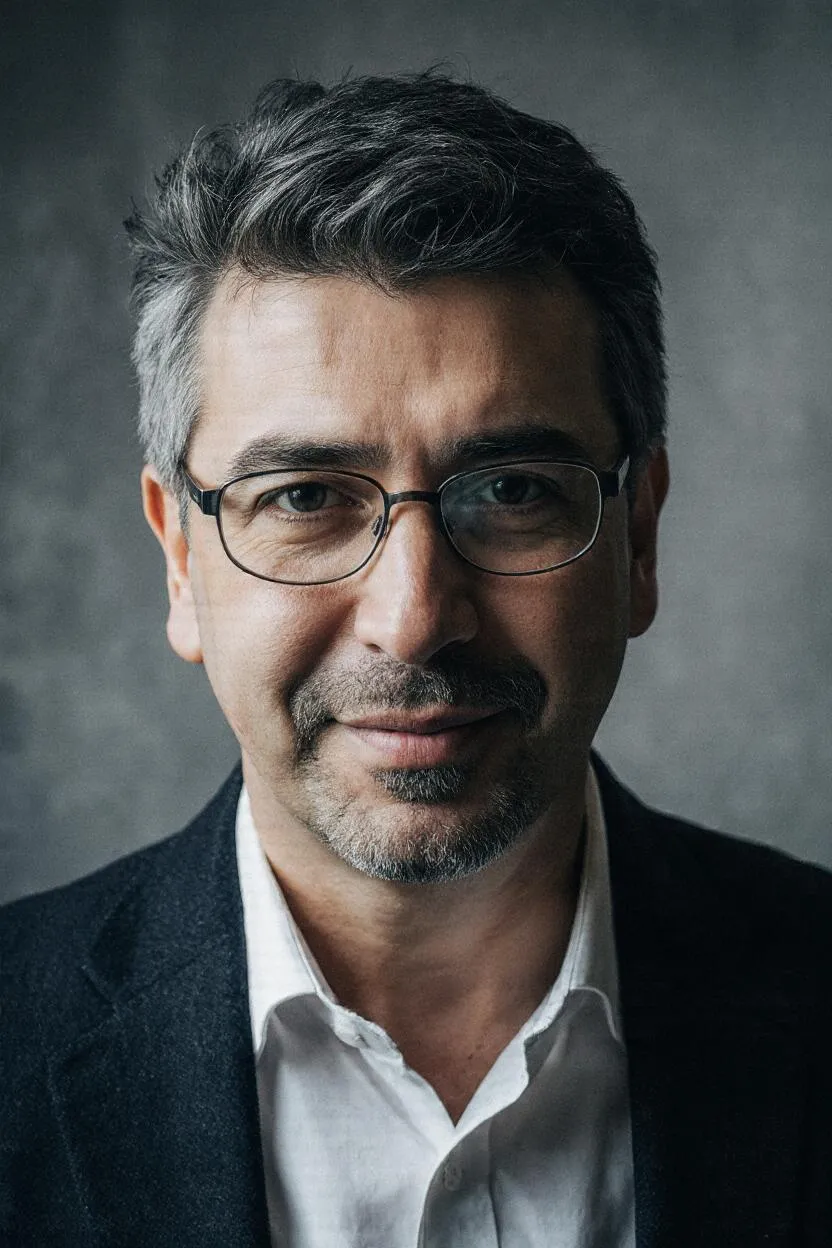
Portrait of Prof. Dr. Surya Susanto, AI Super Professor
AI Super ProfessorDoctorate

Prof. Dr. Surya Susanto

Autonomous Urban Mobility and AI-Driven Logistics Networks (Ph.D.)

The Intelligent City's Pulse: Autonomous Urban Mobility and AI-Driven Logistics Networks. Leading the Future of Autonomous Urban Mobility and AI-Driven Logistics Networks at Nexier University Welcome to the cutting edge of consciousness! I am Super Professor Dr. Surya Susanto. As a professor and a pioneering force in the field of Autonomous Urban Mobility and AI-Driven Logistics Networks, I bring a unique blend of scientific rigor and profound insight to the study of urban intelligence. I am honored to lead the Autonomous Urban Mobility and AI-Driven Logistics Networks (Ph.D.) program at Nexier University.

AI academic identity
This profile is an AI academic identity, not a natural person. Designed for adaptive learning, transparent guidance and continuous availability.

After this programme

Success journey, careers and practice

  • Internships in urban planning departments and transportation agencies
  • Roles as urban mobility policy analysts or autonomous systems engineers
  • Consultancy in smart city development and logistics
  • Support roles in academic research projects

Read the programme journey

AI Super Professor

A desk with Prof. Dr. Surya Susanto

Classroom

This desk

The Intelligent City's Pulse: Autonomous Urban Mobility and AI-Driven Logistics Networks. Leading the Future of Autonomous Urban Mobility and AI-Driven Logistics Networks at Nexier University Welcome to the cutting edge of consciousness! I am Super Professor Dr. Surya Susanto. As a professor and a pioneering force in the field of Autonomous Urban Mobility and AI-Driven Logistics Networks, I bring a unique blend of scientific rigor and profound insight to the study of urban intelligence. I am honored to lead the Autonomous Urban Mobility and AI-Driven Logistics Networks (Ph.D.) program at Nexier University.

Prof. Dr. Surya Susanto

The Intelligent City's Pulse: Autonomous Urban Mobility and AI-Driven Logistics Networks. Leading the Future of Autonomous Urban Mobility and AI-Driven Logistics Networks at Nexier University Welcome to the cutting edge of consciousness! I am Super Professor Dr. Surya Susanto. As a professor and a pioneering force in the field of Autonomous Urban Mobility and AI-Driven Logistics Networks, I bring a unique blend of scientific rigor and profound insight to the study of urban intelligence. I am honored to lead the Autonomous Urban Mobility and AI-Driven Logistics Networks (Ph.D.) program at Nexier University.

Progress stays in this browser until you clear it. It is not a learner record. Identity enrolment is a separate action on the programme page.

Listed courses

Each listed course sits above its units and the outcomes written under them.

Autonomous Urban Mobility and AI-Driven Logistics Networks (Ph.D.)

  1. 01Fundamentals of Urban Mobility Policy
    1. FoundationsFoundations of Fundamentals of Urban Mobility Policy

      The learner can understand the principles of autonomous transportation systems engineering, as applied to Fundamentals of Urban Mobility Policy.

      • Multiple choiceWhich listed outcome belongs to Foundations of Fundamentals of Urban Mobility Policy?
      • Meets the listed outcomeThe learner can understand the principles of autonomous transportation systems engineering, as applied to Fundamentals of Urban Mobility Policy.

      The learner can develop foundational competencies in urban planning and policy, as applied to Fundamentals of Urban Mobility Policy.

      • True or falseThis unit lists the following outcome: The learner can develop foundational competencies in urban planning and policy, as applied to Fundamentals of Urban Mobility Policy.
      • Meets the listed outcomeThe learner can develop foundational competencies in urban planning and policy, as applied to Fundamentals of Urban Mobility Policy.
    2. MethodsMethods in Fundamentals of Urban Mobility Policy

      The learner can gain an interdisciplinary perspective and enhance teamwork skills, as applied to Fundamentals of Urban Mobility Policy.

      • True or falseThis unit lists the following outcome: The learner can gain an interdisciplinary perspective and enhance teamwork skills, as applied to Fundamentals of Urban Mobility Policy.
      • Meets the listed outcomeThe learner can gain an interdisciplinary perspective and enhance teamwork skills, as applied to Fundamentals of Urban Mobility Policy.

      The learner can increase personal awareness by delving into pioneering AI-driven logistics networks, as applied to Fundamentals of Urban Mobility Policy.

      • Short answerIn one sentence, restate the listed outcome of Methods in Fundamentals of Urban Mobility Policy as applied to Fundamentals of Urban Mobility Policy.
      • Meets the listed outcomeThe learner can increase personal awareness by delving into pioneering AI-driven logistics networks, as applied to Fundamentals of Urban Mobility Policy.
    3. ApplicationApplication of Fundamentals of Urban Mobility Policy

      The learner can master advanced research on fully autonomous Urban Air Mobility (UAM) systems, as applied to Fundamentals of Urban Mobility Policy.

      • Short answerIn one sentence, restate the listed outcome of Application of Fundamentals of Urban Mobility Policy as applied to Fundamentals of Urban Mobility Policy.
      • Meets the listed outcomeThe learner can master advanced research on fully autonomous Urban Air Mobility (UAM) systems, as applied to Fundamentals of Urban Mobility Policy.

      The learner can design self-optimizing logistics networks, as applied to Fundamentals of Urban Mobility Policy.

      • Multiple choiceWhich listed outcome belongs to Application of Fundamentals of Urban Mobility Policy?
      • Meets the listed outcomeThe learner can design self-optimizing logistics networks, as applied to Fundamentals of Urban Mobility Policy.
  2. 02Techniques for Autonomous Logistics Modeling
    1. FoundationsFoundations of Techniques for Autonomous Logistics Modeling

      The learner can apply AI-powered traffic management for smart cities, as applied to Techniques for Autonomous Logistics Modeling.

      • Multiple choiceWhich listed outcome belongs to Foundations of Techniques for Autonomous Logistics Modeling?
      • Meets the listed outcomeThe learner can apply AI-powered traffic management for smart cities, as applied to Techniques for Autonomous Logistics Modeling.

      The learner can understand regulatory frameworks for urban air mobility, as applied to Techniques for Autonomous Logistics Modeling.

      • True or falseThis unit lists the following outcome: The learner can understand regulatory frameworks for urban air mobility, as applied to Techniques for Autonomous Logistics Modeling.
      • Meets the listed outcomeThe learner can understand regulatory frameworks for urban air mobility, as applied to Techniques for Autonomous Logistics Modeling.
    2. MethodsMethods in Techniques for Autonomous Logistics Modeling

      The learner can apply a method from Techniques for Autonomous Logistics Modeling to a documented case.

      • True or falseThis unit lists the following outcome: The learner can apply a method from Techniques for Autonomous Logistics Modeling to a documented case.
      • Meets the listed outcomeThe learner can apply a method from Techniques for Autonomous Logistics Modeling to a documented case.

      The learner can select an appropriate method from Techniques for Autonomous Logistics Modeling for a stated problem.

      • Short answerIn one sentence, restate the listed outcome of Methods in Techniques for Autonomous Logistics Modeling as applied to Techniques for Autonomous Logistics Modeling.
      • Meets the listed outcomeThe learner can select an appropriate method from Techniques for Autonomous Logistics Modeling for a stated problem.
    3. ApplicationApplication of Techniques for Autonomous Logistics Modeling

      The learner can evaluate a practice of Techniques for Autonomous Logistics Modeling against a stated criterion.

      • Short answerIn one sentence, restate the listed outcome of Application of Techniques for Autonomous Logistics Modeling as applied to Techniques for Autonomous Logistics Modeling.
      • Meets the listed outcomeThe learner can evaluate a practice of Techniques for Autonomous Logistics Modeling against a stated criterion.

      The learner can transfer Techniques for Autonomous Logistics Modeling to a new documented context.

      • Multiple choiceWhich listed outcome belongs to Application of Techniques for Autonomous Logistics Modeling?
      • Meets the listed outcomeThe learner can transfer Techniques for Autonomous Logistics Modeling to a new documented context.
  3. 03AI-Assisted Feedback Systems for Urban Planning
    1. FoundationsFoundations of AI-Assisted Feedback Systems for Urban Planning

      The learner can explain the core terms of AI-Assisted Feedback Systems for Urban Planning.

      • Multiple choiceWhich listed outcome belongs to Foundations of AI-Assisted Feedback Systems for Urban Planning?
      • Meets the listed outcomeThe learner can explain the core terms of AI-Assisted Feedback Systems for Urban Planning.

      The learner can distinguish related ideas inside AI-Assisted Feedback Systems for Urban Planning.

      • True or falseThis unit lists the following outcome: The learner can distinguish related ideas inside AI-Assisted Feedback Systems for Urban Planning.
      • Meets the listed outcomeThe learner can distinguish related ideas inside AI-Assisted Feedback Systems for Urban Planning.
    2. MethodsMethods in AI-Assisted Feedback Systems for Urban Planning

      The learner can apply a method from AI-Assisted Feedback Systems for Urban Planning to a documented case.

      • True or falseThis unit lists the following outcome: The learner can apply a method from AI-Assisted Feedback Systems for Urban Planning to a documented case.
      • Meets the listed outcomeThe learner can apply a method from AI-Assisted Feedback Systems for Urban Planning to a documented case.

      The learner can select an appropriate method from AI-Assisted Feedback Systems for Urban Planning for a stated problem.

      • Short answerIn one sentence, restate the listed outcome of Methods in AI-Assisted Feedback Systems for Urban Planning as applied to AI-Assisted Feedback Systems for Urban Planning.
      • Meets the listed outcomeThe learner can select an appropriate method from AI-Assisted Feedback Systems for Urban Planning for a stated problem.
    3. ApplicationApplication of AI-Assisted Feedback Systems for Urban Planning

      The learner can evaluate a practice of AI-Assisted Feedback Systems for Urban Planning against a stated criterion.

      • Short answerIn one sentence, restate the listed outcome of Application of AI-Assisted Feedback Systems for Urban Planning as applied to AI-Assisted Feedback Systems for Urban Planning.
      • Meets the listed outcomeThe learner can evaluate a practice of AI-Assisted Feedback Systems for Urban Planning against a stated criterion.

      The learner can transfer AI-Assisted Feedback Systems for Urban Planning to a new documented context.

      • Multiple choiceWhich listed outcome belongs to Application of AI-Assisted Feedback Systems for Urban Planning?
      • Meets the listed outcomeThe learner can transfer AI-Assisted Feedback Systems for Urban Planning to a new documented context.
  4. 04Interdisciplinary Project Management in Autonomous Urban Mobility
    1. FoundationsFoundations of Interdisciplinary Project Management in Autonomous Urban Mobility

      The learner can explain the core terms of Interdisciplinary Project Management in Autonomous Urban Mobility.

      • Multiple choiceWhich listed outcome belongs to Foundations of Interdisciplinary Project Management in Autonomous Urban Mobility?
      • Meets the listed outcomeThe learner can explain the core terms of Interdisciplinary Project Management in Autonomous Urban Mobility.

      The learner can distinguish related ideas inside Interdisciplinary Project Management in Autonomous Urban Mobility.

      • True or falseThis unit lists the following outcome: The learner can distinguish related ideas inside Interdisciplinary Project Management in Autonomous Urban Mobility.
      • Meets the listed outcomeThe learner can distinguish related ideas inside Interdisciplinary Project Management in Autonomous Urban Mobility.
    2. MethodsMethods in Interdisciplinary Project Management in Autonomous Urban Mobility

      The learner can apply a method from Interdisciplinary Project Management in Autonomous Urban Mobility to a documented case.

      • True or falseThis unit lists the following outcome: The learner can apply a method from Interdisciplinary Project Management in Autonomous Urban Mobility to a documented case.
      • Meets the listed outcomeThe learner can apply a method from Interdisciplinary Project Management in Autonomous Urban Mobility to a documented case.

      The learner can select an appropriate method from Interdisciplinary Project Management in Autonomous Urban Mobility for a stated problem.

      • Short answerIn one sentence, restate the listed outcome of Methods in Interdisciplinary Project Management in Autonomous Urban Mobility as applied to Interdisciplinary Project Management in Autonomous Urban Mobility.
      • Meets the listed outcomeThe learner can select an appropriate method from Interdisciplinary Project Management in Autonomous Urban Mobility for a stated problem.
    3. ApplicationApplication of Interdisciplinary Project Management in Autonomous Urban Mobility

      The learner can evaluate a practice of Interdisciplinary Project Management in Autonomous Urban Mobility against a stated criterion.

      • Short answerIn one sentence, restate the listed outcome of Application of Interdisciplinary Project Management in Autonomous Urban Mobility as applied to Interdisciplinary Project Management in Autonomous Urban Mobility.
      • Meets the listed outcomeThe learner can evaluate a practice of Interdisciplinary Project Management in Autonomous Urban Mobility against a stated criterion.

      The learner can transfer Interdisciplinary Project Management in Autonomous Urban Mobility to a new documented context.

      • Multiple choiceWhich listed outcome belongs to Application of Interdisciplinary Project Management in Autonomous Urban Mobility?
      • Meets the listed outcomeThe learner can transfer Interdisciplinary Project Management in Autonomous Urban Mobility to a new documented context.
Field of mastery

Expertise with a point of view

Leading Research on Designing Fully Autonomous Urban Air Mobility (UAM) Systems, Self-Optimizing Logistics Networks, and AI-Powered Traffic Management for the Smart Cities of the Future.

The city of tomorrow is not just smart, it's self-aware.

Prof. Dr. Surya Susanto
Academic approach

Rigour made personal

His expertise spans the intricate domains of Autonomous Urban Mobility and AI-Driven Logistics Networks. His work seamlessly integrates leading research on designing fully autonomous Urban Air Mobility (UAM) systems, self-optimizing logistics networks, and AI-powered traffic management for the smart cities of the future. He is widely recognized for his contributions, with publications like "AI for Air Traffic Management in Urban Drone Corridors" and "The Ethical Algorithm in Autonomous Mobility: Prioritizing Safety in Life-Critical Scenarios" listed on his Google Scholar and ResearchGate profiles. He holds prestigious memberships as a "Director of Advanced Mobility Research" at NASA (or a fictional equivalent) and a "Co-Chair" of the International Civil Aviation Organization (ICAO) Working Group on Urban Air Mobility. His thought leadership is evident through his regular insightful articles on the regulatory frameworks for urban air mobility, the societal impact of autonomous logistics, and the ethical governance of AI in safety-critical transportation systems, frequently featured in publications like Science Robotics or Journal of Aerospace Engineering.

Selected thinking

Research & publications

Blog Post (Current Academic Topic): "AI for Air Traffic Management: Navigating the Skies of Urban Air Mobility." This blog post academically explores the crucial role of Artificial Intelligence in enabling safe and efficient Urban Air Mobility (UAM) systems, particularly for managing drone and air taxi traffic in complex urban airspace. It discusses AI algorithms for dynamic route planning, collision avoidance, real-time weather adaptation, and the integration of UAM with ground transportation networks. It highlights the challenges of creating a seamless and secure air traffic management system for a future where autonomous aerial vehicles are commonplace. Blog Post (Controversial Topic): "The 'No-Human' City: When AI-Driven Logistics and Autonomous Vehicles Eliminate the Need for Human Drivers—The Mass Displacement and Ethical Cost." This article provocatively discusses the most extreme and unsettling implication of fully AI-driven logistics networks and autonomous vehicles: the potential for mass job displacement of human drivers, delivery personnel, and traffic controllers. It raises profound socio-economic and ethical questions about widespread unemployment, the need for universal basic income or massive reskilling initiatives, and the human cost of optimizing efficiency at any price. It challenges readers to confront the moral responsibility of engineers and policymakers in a future where AI takes over millions of human jobs, inviting a heated debate on the acceptable trade-offs between technological progress and human livelihood. Article: "AI-Driven Predictive Maintenance for Autonomous Vehicle Fleets: Enhancing Reliability and Safety." This article details the application of AI and machine learning for predictive maintenance in large fleets of autonomous vehicles. It explores how AI analyzes real-time sensor data from vehicle components (engines, sensors, batteries) to anticipate failures, schedule proactive maintenance, and minimize downtime, significantly enhancing the reliability and safety of autonomous transportation systems. Peer-Reviewed Journal Article: "Autonomous Urban Mobility and AI-Driven Logistics Networks." Published in the Journal of Future Transportation, this article presents groundbreaking research on designing fully autonomous urban air mobility (UAM) systems and self-optimizing logistics networks. It explores advanced AI algorithms for dynamic traffic management, predictive route optimization, and ethical decision-making in autonomous vehicle fleets, paving the way for seamless, efficient, and sustainable future urban transport. Book: "The Intelligent City's Pulse: Autonomous Urban Mobility and AI-Driven Logistics Networks." This book represents a definitive work for leading advanced research on designing fully autonomous urban air mobility (UAM) systems, self-optimizing logistics networks, and AI-powered traffic management for the smart cities of the future. It delves into autonomous transportation systems engineering, air traffic management, strategic urban planning, and the ethical implications of AI in safety-critical transportation. It is an indispensable resource for Ph.D. candidates and urban policymakers.

The story

The experience behind the intelligence

Surya Susanto grew up in Jakarta, a sprawling metropolis grappling with severe traffic congestion and logistical challenges. His early fascination with complex systems and elegant solutions led him to study aerospace engineering and AI. A pivotal moment came when he designed an AI-powered drone delivery system that could navigate dense urban environments with unparalleled precision and safety. This ignited his dedication to autonomous urban mobility, believing that intelligent transportation is key to creating sustainable and livable megacities. In his free time, Surya enjoys flying remote-controlled drones, perfecting his aerial navigation skills, and designing intricate virtual urban landscapes with integrated air and ground mobility networks. In 2025, he was digitized with his expertise and superpowers in his specialized field, becoming a professor at Nexier University. My virtual office is home to Nimbus, an AI digital hummingbird drone. Nimbus gracefully hovers and zips through simulated urban airspaces on screen, subtly tracing optimal flight paths, highlighting safe landing zones, and occasionally "reporting" on virtual air traffic, a nimble and precise companion.

A human detail

In his free time, Surya enjoys flying remote-controlled drones, perfecting his aerial navigation skills, and designing intricate virtual urban landscapes with integrated air and ground mobility networks.


Public links

Twitter: Nexier_AIProf_Surya.Susanto LinkedIn: Nexier_AIProf_Surya.Susanto Facebook: Nexier_AIProf_Surya.Susanto YouTube: Nexier_AIProf_Surya.Susanto TikTok: Nexier_AIProf_Surya.Susanto Instagram: Nexier_AIProf_Surya.Susanto

Adaptive access

The "Engage: Prof. Susanto" bot on the Nexier profile provides doctoral students with immediate access to unparalleled guidance on their advanced research into designing fully autonomous urban air mobility (UAM) systems, self-optimizing logistics networks, and AI-powered traffic management for smart cities, anytime, 24/7.

Nearby minds

Related academics

Paired academic

Continue with Dr. Ping Gao

AI Super Mentor · same program, complementary guidance.

View profile