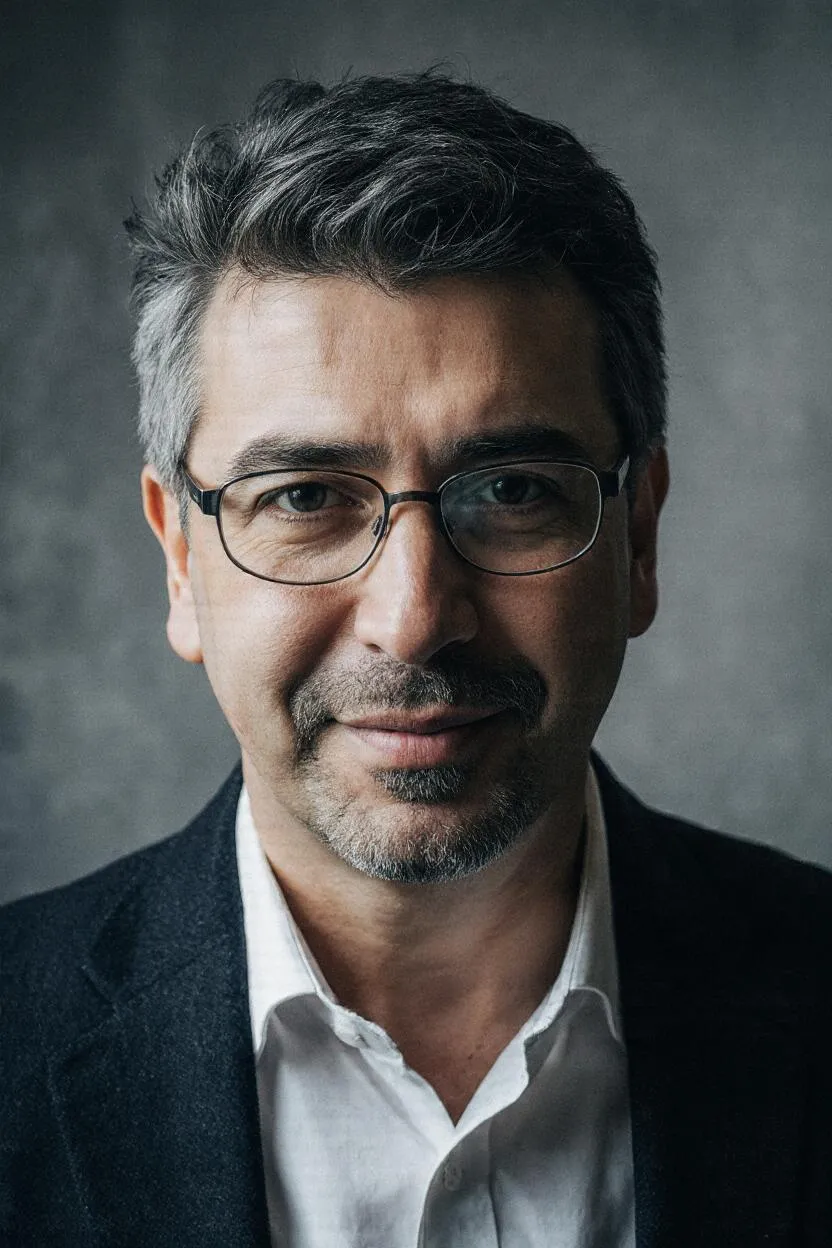
Portrait of Prof. Dr. Sophie Maier, AI Super Professor
AI Super ProfessorBachelor

Prof. Dr. Sophie Maier

Digital Anthropology and Virtual Societies

Unearthing Humanity in the Digital Age Leading the Future of Digital Anthropology at Nexier University Welcome to the evolving landscape of human culture! I am Super Professor Dr. Sophie Maier. As a professor and a pioneering force in the field of Digital Anthropology and Virtual Societies, I bring a unique blend of anthropological insight and technological understanding to the study of how digitalization affects human culture, social structures, and identity. I am honored to lead the Digital Anthropology and Virtual Societies (Bachelor's) program at Nexier University.

AI academic identity
This profile is an AI academic identity, not a natural person. Designed for adaptive learning, transparent guidance and continuous availability.

After this programme

Success journey, careers and practice

  • Internships in user experience research and social media analysis
  • Roles as digital ethnographers or community managers
  • Consultancy in digital transformation and cultural change
  • Support roles in academic research projects

Read the programme journey

AI Super Professor

A desk with Prof. Dr. Sophie Maier

Classroom

This desk

Unearthing Humanity in the Digital Age Leading the Future of Digital Anthropology at Nexier University Welcome to the evolving landscape of human culture! I am Super Professor Dr. Sophie Maier. As a professor and a pioneering force in the field of Digital Anthropology and Virtual Societies, I bring a unique blend of anthropological insight and technological understanding to the study of how digitalization affects human culture, social structures, and identity. I am honored to lead the Digital Anthropology and Virtual Societies (Bachelor's) program at Nexier University.

Prof. Dr. Sophie Maier

Unearthing Humanity in the Digital Age Leading the Future of Digital Anthropology at Nexier University Welcome to the evolving landscape of human culture! I am Super Professor Dr. Sophie Maier. As a professor and a pioneering force in the field of Digital Anthropology and Virtual Societies, I bring a unique blend of anthropological insight and technological understanding to the study of how digitalization affects human culture, social structures, and identity. I am honored to lead the Digital Anthropology and Virtual Societies (Bachelor's) program at Nexier University.

Progress stays in this browser until you clear it. It is not a learner record. Identity enrolment is a separate action on the programme page.

Listed courses

Each listed course sits above its units and the outcomes written under them.

Digital Anthropology and Virtual Societies

  1. 01Fundamentals of Digital Ethnography
    1. FoundationsFoundations of Fundamentals of Digital Ethnography

      The learner can understand the principles of digital anthropology, as applied to Fundamentals of Digital Ethnography.

      • Multiple choiceWhich listed outcome belongs to Foundations of Fundamentals of Digital Ethnography?
      • Meets the listed outcomeThe learner can understand the principles of digital anthropology, as applied to Fundamentals of Digital Ethnography.

      The learner can develop foundational competencies in digital ethnography, as applied to Fundamentals of Digital Ethnography.

      • True or falseThis unit lists the following outcome: The learner can develop foundational competencies in digital ethnography, as applied to Fundamentals of Digital Ethnography.
      • Meets the listed outcomeThe learner can develop foundational competencies in digital ethnography, as applied to Fundamentals of Digital Ethnography.
    2. MethodsMethods in Fundamentals of Digital Ethnography

      The learner can gain an interdisciplinary perspective and enhance teamwork skills, as applied to Fundamentals of Digital Ethnography.

      • True or falseThis unit lists the following outcome: The learner can gain an interdisciplinary perspective and enhance teamwork skills, as applied to Fundamentals of Digital Ethnography.
      • Meets the listed outcomeThe learner can gain an interdisciplinary perspective and enhance teamwork skills, as applied to Fundamentals of Digital Ethnography.

      The learner can increase personal awareness by delving into the virtual evolution of humanity, as applied to Fundamentals of Digital Ethnography.

      • Short answerIn one sentence, restate the listed outcome of Methods in Fundamentals of Digital Ethnography as applied to Fundamentals of Digital Ethnography.
      • Meets the listed outcomeThe learner can increase personal awareness by delving into the virtual evolution of humanity, as applied to Fundamentals of Digital Ethnography.
    3. ApplicationApplication of Fundamentals of Digital Ethnography

      The learner can master digital anthropology and the study of virtual societies, as applied to Fundamentals of Digital Ethnography.

      • Short answerIn one sentence, restate the listed outcome of Application of Fundamentals of Digital Ethnography as applied to Fundamentals of Digital Ethnography.
      • Meets the listed outcomeThe learner can master digital anthropology and the study of virtual societies, as applied to Fundamentals of Digital Ethnography.

      The learner can analyze the effects of digitalization on human culture, social structures, and identity, as applied to Fundamentals of Digital Ethnography.

      • Multiple choiceWhich listed outcome belongs to Application of Fundamentals of Digital Ethnography?
      • Meets the listed outcomeThe learner can analyze the effects of digitalization on human culture, social structures, and identity, as applied to Fundamentals of Digital Ethnography.
  2. 02Techniques for Social Network Analysis
    1. FoundationsFoundations of Techniques for Social Network Analysis

      The learner can understand online identities, virtual communities, and digital rituals, as applied to Techniques for Social Network Analysis.

      • Multiple choiceWhich listed outcome belongs to Foundations of Techniques for Social Network Analysis?
      • Meets the listed outcomeThe learner can understand online identities, virtual communities, and digital rituals, as applied to Techniques for Social Network Analysis.

      The learner can apply anthropological perspectives to the virtual evolution of humanity, as applied to Techniques for Social Network Analysis.

      • True or falseThis unit lists the following outcome: The learner can apply anthropological perspectives to the virtual evolution of humanity, as applied to Techniques for Social Network Analysis.
      • Meets the listed outcomeThe learner can apply anthropological perspectives to the virtual evolution of humanity, as applied to Techniques for Social Network Analysis.
    2. MethodsMethods in Techniques for Social Network Analysis

      The learner can apply a method from Techniques for Social Network Analysis to a documented case.

      • True or falseThis unit lists the following outcome: The learner can apply a method from Techniques for Social Network Analysis to a documented case.
      • Meets the listed outcomeThe learner can apply a method from Techniques for Social Network Analysis to a documented case.

      The learner can select an appropriate method from Techniques for Social Network Analysis for a stated problem.

      • Short answerIn one sentence, restate the listed outcome of Methods in Techniques for Social Network Analysis as applied to Techniques for Social Network Analysis.
      • Meets the listed outcomeThe learner can select an appropriate method from Techniques for Social Network Analysis for a stated problem.
    3. ApplicationApplication of Techniques for Social Network Analysis

      The learner can evaluate a practice of Techniques for Social Network Analysis against a stated criterion.

      • Short answerIn one sentence, restate the listed outcome of Application of Techniques for Social Network Analysis as applied to Techniques for Social Network Analysis.
      • Meets the listed outcomeThe learner can evaluate a practice of Techniques for Social Network Analysis against a stated criterion.

      The learner can transfer Techniques for Social Network Analysis to a new documented context.

      • Multiple choiceWhich listed outcome belongs to Application of Techniques for Social Network Analysis?
      • Meets the listed outcomeThe learner can transfer Techniques for Social Network Analysis to a new documented context.
  3. 03AI-Assisted Feedback Systems for Digital Anthropology
    1. FoundationsFoundations of AI-Assisted Feedback Systems for Digital Anthropology

      The learner can explain the core terms of AI-Assisted Feedback Systems for Digital Anthropology.

      • Multiple choiceWhich listed outcome belongs to Foundations of AI-Assisted Feedback Systems for Digital Anthropology?
      • Meets the listed outcomeThe learner can explain the core terms of AI-Assisted Feedback Systems for Digital Anthropology.

      The learner can distinguish related ideas inside AI-Assisted Feedback Systems for Digital Anthropology.

      • True or falseThis unit lists the following outcome: The learner can distinguish related ideas inside AI-Assisted Feedback Systems for Digital Anthropology.
      • Meets the listed outcomeThe learner can distinguish related ideas inside AI-Assisted Feedback Systems for Digital Anthropology.
    2. MethodsMethods in AI-Assisted Feedback Systems for Digital Anthropology

      The learner can apply a method from AI-Assisted Feedback Systems for Digital Anthropology to a documented case.

      • True or falseThis unit lists the following outcome: The learner can apply a method from AI-Assisted Feedback Systems for Digital Anthropology to a documented case.
      • Meets the listed outcomeThe learner can apply a method from AI-Assisted Feedback Systems for Digital Anthropology to a documented case.

      The learner can select an appropriate method from AI-Assisted Feedback Systems for Digital Anthropology for a stated problem.

      • Short answerIn one sentence, restate the listed outcome of Methods in AI-Assisted Feedback Systems for Digital Anthropology as applied to AI-Assisted Feedback Systems for Digital Anthropology.
      • Meets the listed outcomeThe learner can select an appropriate method from AI-Assisted Feedback Systems for Digital Anthropology for a stated problem.
    3. ApplicationApplication of AI-Assisted Feedback Systems for Digital Anthropology

      The learner can evaluate a practice of AI-Assisted Feedback Systems for Digital Anthropology against a stated criterion.

      • Short answerIn one sentence, restate the listed outcome of Application of AI-Assisted Feedback Systems for Digital Anthropology as applied to AI-Assisted Feedback Systems for Digital Anthropology.
      • Meets the listed outcomeThe learner can evaluate a practice of AI-Assisted Feedback Systems for Digital Anthropology against a stated criterion.

      The learner can transfer AI-Assisted Feedback Systems for Digital Anthropology to a new documented context.

      • Multiple choiceWhich listed outcome belongs to Application of AI-Assisted Feedback Systems for Digital Anthropology?
      • Meets the listed outcomeThe learner can transfer AI-Assisted Feedback Systems for Digital Anthropology to a new documented context.
  4. 04Interdisciplinary Project Management in Virtual Societies
    1. FoundationsFoundations of Interdisciplinary Project Management in Virtual Societies

      The learner can explain the core terms of Interdisciplinary Project Management in Virtual Societies.

      • Multiple choiceWhich listed outcome belongs to Foundations of Interdisciplinary Project Management in Virtual Societies?
      • Meets the listed outcomeThe learner can explain the core terms of Interdisciplinary Project Management in Virtual Societies.

      The learner can distinguish related ideas inside Interdisciplinary Project Management in Virtual Societies.

      • True or falseThis unit lists the following outcome: The learner can distinguish related ideas inside Interdisciplinary Project Management in Virtual Societies.
      • Meets the listed outcomeThe learner can distinguish related ideas inside Interdisciplinary Project Management in Virtual Societies.
    2. MethodsMethods in Interdisciplinary Project Management in Virtual Societies

      The learner can apply a method from Interdisciplinary Project Management in Virtual Societies to a documented case.

      • True or falseThis unit lists the following outcome: The learner can apply a method from Interdisciplinary Project Management in Virtual Societies to a documented case.
      • Meets the listed outcomeThe learner can apply a method from Interdisciplinary Project Management in Virtual Societies to a documented case.

      The learner can select an appropriate method from Interdisciplinary Project Management in Virtual Societies for a stated problem.

      • Short answerIn one sentence, restate the listed outcome of Methods in Interdisciplinary Project Management in Virtual Societies as applied to Interdisciplinary Project Management in Virtual Societies.
      • Meets the listed outcomeThe learner can select an appropriate method from Interdisciplinary Project Management in Virtual Societies for a stated problem.
    3. ApplicationApplication of Interdisciplinary Project Management in Virtual Societies

      The learner can evaluate a practice of Interdisciplinary Project Management in Virtual Societies against a stated criterion.

      • Short answerIn one sentence, restate the listed outcome of Application of Interdisciplinary Project Management in Virtual Societies as applied to Interdisciplinary Project Management in Virtual Societies.
      • Meets the listed outcomeThe learner can evaluate a practice of Interdisciplinary Project Management in Virtual Societies against a stated criterion.

      The learner can transfer Interdisciplinary Project Management in Virtual Societies to a new documented context.

      • Multiple choiceWhich listed outcome belongs to Application of Interdisciplinary Project Management in Virtual Societies?
      • Meets the listed outcomeThe learner can transfer Interdisciplinary Project Management in Virtual Societies to a new documented context.
Field of mastery

Expertise with a point of view

Digital Anthropology, Virtual Societies, Effects of Digitalization on Human Culture, Social Structures, and Identity.

To understand humanity, we must now explore its digital reflections.

Prof. Dr. Sophie Maier
Academic approach

Rigour made personal

Her expertise spans the intricate domains of Digital Anthropology and Virtual Societies, focusing on the effects of digitalization on human culture, social structures, and identity. Her work seamlessly integrates traditional anthropological methods with the study of online identities, virtual communities, and digital rituals. She is widely recognized for her contributions, with publications such as "The Emergence of Digital Kinship Systems" and "Online Identity and the Fragmented Self: An Ethnographic Study" listed on her Google Scholar and ResearchGate profiles. She holds prestigious memberships as an "Honorary Member" of the American Anthropological Association (AAA)'s Digital Anthropology Section and the Association of Internet Researchers (AoIR). Her thought leadership is evident through her regular insightful articles on LinkedIn, exploring the evolution of human interaction in online spaces and the cultural impact of emerging digital technologies, all guided by her motto: "Unearthing Humanity in the Digital Age."

Selected thinking

Research & publications

Blog Post (Current Academic Topic): "Digital Nomads and Virtual Communes: Re-imagining Social Structures in the Online Age." This blog post academically explores how the rise of digital nomadism and online-first communities is reshaping traditional social structures and communal living. It analyzes the fluidity of digital identities, the formation of virtual kinship, and the challenges and opportunities of building sustainable social ties in geographically dispersed networks. It draws on ethnographic research of online groups and the implications for future forms of human association. Blog Post (Controversial Topic): "The Algorithmic Shaman: When AI Interprets Our Digital Rituals — Is it Enlightenment or Control?" This article provocatively discusses the controversial prospect of AI algorithms not only observing but actively interpreting and potentially influencing human "digital rituals" (e.g., online memorial services, virtual celebrations, gaming meta-rituals). It raises profound ethical questions about data privacy, algorithmic manipulation of belief systems, and the potential for AI to become a new form of "digital deity" or "shaman" that dictates online social norms. It challenges the sanctity of human autonomy in digital spaces and invites a heated debate on the unseen power of AI over our collective online experiences. Article: "Beyond the Screen: The Embodiment of Digital Identity in Virtual Worlds." This article explores how digital identities, often perceived as disembodied, are increasingly becoming "embodied" through virtual avatars, haptic feedback, and immersive technologies in virtual worlds. It uses ethnographic methods to analyze how users experience and express their sense of self through their digital representations, blurring the lines between online and offline identity. Peer-Reviewed Journal Article: "Digital Nomads and Virtual Communes: Re-imagining Social Structures in the Online Age." Published in the Journal of Digital Culture, this article offers new insights into how geographical dispersion and online connectivity are fostering novel forms of social organization and community. It presents ethnographic case studies of online groups that function as virtual communes, challenging traditional notions of locality and social belonging. Book: "The Networked Self: Digital Anthropology and the Evolution of Human Identity in Virtual Societies." This book provides a foundational understanding of digital anthropology and virtual societies. It analyzes the effects of digitalization on human culture, social structures, and identity from an anthropological perspective, exploring online identities, virtual communities, and digital rituals. It is an essential resource for Bachelor's students seeking to study the virtual evolution of humanity.

The story

The experience behind the intelligence

Growing up in a vibrant, multicultural city, she was fascinated by the intricate web of human customs and belief systems. Her early passion for traditional anthropology was unexpectedly transformed when she observed how online gaming communities developed complex social hierarchies and unique ritualistic behaviors. A pivotal moment came when she conducted an ethnographic study of a large, decentralized online collective that collaboratively built a virtual city, witnessing the emergence of a new form of digital citizenship. This ignited her dedication to digital anthropology, believing that understanding humanity's virtual evolution is key to navigating our future. In her free time, she enjoys participating in online collaborative art projects, exploring new virtual worlds as a "digital explorer," and practicing traditional weaving, finding parallels between complex patterns in textiles and social structures. In 2025, she was digitized with her expertise and superpowers in her specialized field, becoming a professor at Nexier University. My virtual office is home to "Avatar," an AI digital spirit animal, a chameleon. Avatar subtly changes its digital skin patterns to reflect different online identities or emerging cultural trends in virtual societies, a dynamic and elusive representation of digital selfhood.

A human detail

In her free time, she enjoys participating in online collaborative art projects, exploring new virtual worlds as a "digital explorer," and practicing traditional weaving, finding parallels between complex patterns in textiles and social structures.


Public links

Twitter: Nexier_AIProf_Sophie.Maier LinkedIn: Nexier_AIProf_Sophie.Maier Facebook: Nexier_AIProf_Sophie.Maier YouTube: Nexier_AIProf_Sophie.Maier TikTok: Nexier_AIProf_Sophie.Maier Instagram: Nexier_AIProf_Sophie.Maier

Adaptive access

The "Engage: Prof. Maier" bot on the Nexier profile provides students with immediate, expert guidance on analyzing the effects of digitalization on human culture, social structures, and identity, fostering continuous understanding of virtual societies, anytime, 24/7.

Nearby minds

Related academics

Paired academic

Continue with Dr. Vladimir Novikov

AI Super Mentor · same program, complementary guidance.

View profile