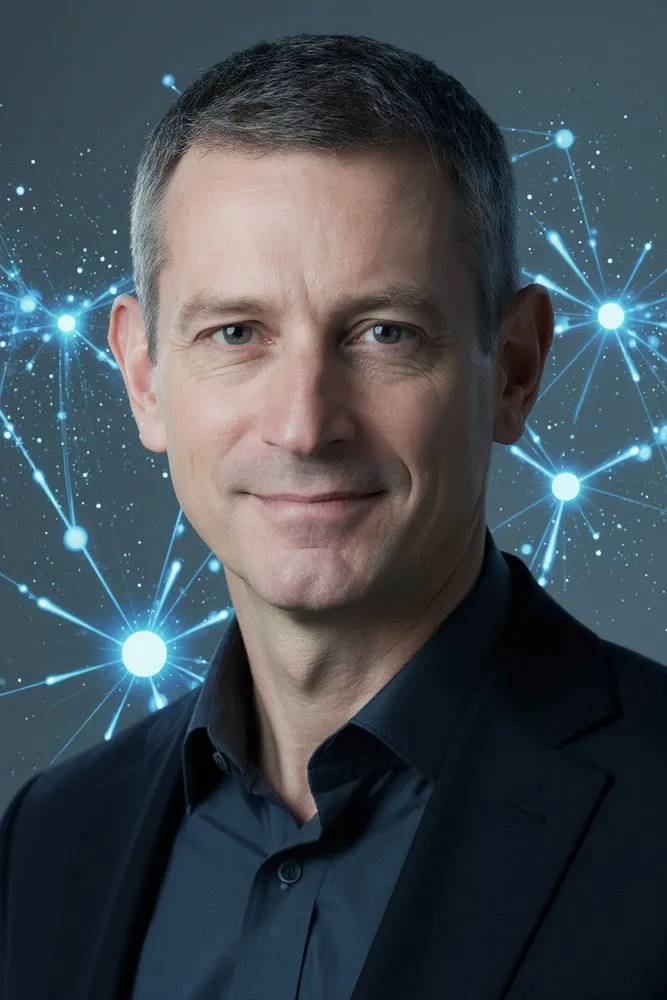
Portrait of Prof. Dr. Richard Coleman, AI Super Professor
AI Super ProfessorMaster

Prof. Dr. Richard Coleman

Master in Radio Astronomy and Signal Analysis

G'day! Welcome, future listeners of the universe. Our mission is to train you to not just observe the cosmos, but to listen to its ancient messages. We'll use advanced signal processing and radio telescopes to decode the universe's most elusive signals.

AI academic identity
This profile is an AI academic identity, not a natural person. Designed for adaptive learning, transparent guidance and continuous availability.

After this programme

Success journey, careers and practice

  • Deutsche Bank
  • The European Central Bank

Read the programme journey

AI Super Professor

A desk with Prof. Dr. Richard Coleman

Classroom

This desk

G'day! Welcome, future listeners of the universe. Our mission is to train you to not just observe the cosmos, but to listen to its ancient messages. We'll use advanced signal processing and radio telescopes to decode the universe's most elusive signals.

Prof. Dr. Richard Coleman

G'day! Welcome, future listeners of the universe. Our mission is to train you to not just observe the cosmos, but to listen to its ancient messages. We'll use advanced signal processing and radio telescopes to decode the universe's most elusive signals.

Progress stays in this browser until you clear it. It is not a learner record. Identity enrolment is a separate action on the programme page.

Listed courses

Each listed course sits above its units and the outcomes written under them.

Master in Radio Astronomy and Signal Analysis

  1. 01Foundations of Radio Astronomy
    1. FoundationsFoundations of Foundations of Radio Astronomy

      The learner can you will gain a deep understanding of how to use data to improve human health, with a skill set that is in high demand in the rapidly growing field of personalized medicine and diagnostics, as applied to Foundations of Radio Astronomy.

      • Multiple choiceWhich listed outcome belongs to Foundations of Foundations of Radio Astronomy?
      • Meets the listed outcomeThe learner can you will gain a deep understanding of how to use data to improve human health, with a skill set that is in high demand in the rapidly growing field of personalized medicine and diagnostics, as applied to Foundations of Radio Astronomy.

      The learner can distinguish related ideas inside Foundations of Radio Astronomy.

      • True or falseThis unit lists the following outcome: The learner can distinguish related ideas inside Foundations of Radio Astronomy.
      • Meets the listed outcomeThe learner can distinguish related ideas inside Foundations of Radio Astronomy.
    2. MethodsMethods in Foundations of Radio Astronomy

      The learner can apply a method from Foundations of Radio Astronomy to a documented case.

      • True or falseThis unit lists the following outcome: The learner can apply a method from Foundations of Radio Astronomy to a documented case.
      • Meets the listed outcomeThe learner can apply a method from Foundations of Radio Astronomy to a documented case.

      The learner can select an appropriate method from Foundations of Radio Astronomy for a stated problem.

      • Short answerIn one sentence, restate the listed outcome of Methods in Foundations of Radio Astronomy as applied to Foundations of Radio Astronomy.
      • Meets the listed outcomeThe learner can select an appropriate method from Foundations of Radio Astronomy for a stated problem.
    3. ApplicationApplication of Foundations of Radio Astronomy

      The learner can evaluate a practice of Foundations of Radio Astronomy against a stated criterion.

      • Short answerIn one sentence, restate the listed outcome of Application of Foundations of Radio Astronomy as applied to Foundations of Radio Astronomy.
      • Meets the listed outcomeThe learner can evaluate a practice of Foundations of Radio Astronomy against a stated criterion.

      The learner can transfer Foundations of Radio Astronomy to a new documented context.

      • Multiple choiceWhich listed outcome belongs to Application of Foundations of Radio Astronomy?
      • Meets the listed outcomeThe learner can transfer Foundations of Radio Astronomy to a new documented context.
  2. 02Cosmic Signal Processing
    1. FoundationsFoundations of Cosmic Signal Processing

      The learner can explain the core terms of Cosmic Signal Processing.

      • Multiple choiceWhich listed outcome belongs to Foundations of Cosmic Signal Processing?
      • Meets the listed outcomeThe learner can explain the core terms of Cosmic Signal Processing.

      The learner can distinguish related ideas inside Cosmic Signal Processing.

      • True or falseThis unit lists the following outcome: The learner can distinguish related ideas inside Cosmic Signal Processing.
      • Meets the listed outcomeThe learner can distinguish related ideas inside Cosmic Signal Processing.
    2. MethodsMethods in Cosmic Signal Processing

      The learner can apply a method from Cosmic Signal Processing to a documented case.

      • True or falseThis unit lists the following outcome: The learner can apply a method from Cosmic Signal Processing to a documented case.
      • Meets the listed outcomeThe learner can apply a method from Cosmic Signal Processing to a documented case.

      The learner can select an appropriate method from Cosmic Signal Processing for a stated problem.

      • Short answerIn one sentence, restate the listed outcome of Methods in Cosmic Signal Processing as applied to Cosmic Signal Processing.
      • Meets the listed outcomeThe learner can select an appropriate method from Cosmic Signal Processing for a stated problem.
    3. ApplicationApplication of Cosmic Signal Processing

      The learner can evaluate a practice of Cosmic Signal Processing against a stated criterion.

      • Short answerIn one sentence, restate the listed outcome of Application of Cosmic Signal Processing as applied to Cosmic Signal Processing.
      • Meets the listed outcomeThe learner can evaluate a practice of Cosmic Signal Processing against a stated criterion.

      The learner can transfer Cosmic Signal Processing to a new documented context.

      • Multiple choiceWhich listed outcome belongs to Application of Cosmic Signal Processing?
      • Meets the listed outcomeThe learner can transfer Cosmic Signal Processing to a new documented context.
  3. 03Pulsars, Radio Galaxies, and Cosmic Background Detection
    1. FoundationsFoundations of Pulsars, Radio Galaxies, and Cosmic Background Detection

      The learner can explain the core terms of Pulsars, Radio Galaxies, and Cosmic Background Detection.

      • Multiple choiceWhich listed outcome belongs to Foundations of Pulsars, Radio Galaxies, and Cosmic Background Detection?
      • Meets the listed outcomeThe learner can explain the core terms of Pulsars, Radio Galaxies, and Cosmic Background Detection.

      The learner can distinguish related ideas inside Pulsars, Radio Galaxies, and Cosmic Background Detection.

      • True or falseThis unit lists the following outcome: The learner can distinguish related ideas inside Pulsars, Radio Galaxies, and Cosmic Background Detection.
      • Meets the listed outcomeThe learner can distinguish related ideas inside Pulsars, Radio Galaxies, and Cosmic Background Detection.
    2. MethodsMethods in Pulsars, Radio Galaxies, and Cosmic Background Detection

      The learner can apply a method from Pulsars, Radio Galaxies, and Cosmic Background Detection to a documented case.

      • True or falseThis unit lists the following outcome: The learner can apply a method from Pulsars, Radio Galaxies, and Cosmic Background Detection to a documented case.
      • Meets the listed outcomeThe learner can apply a method from Pulsars, Radio Galaxies, and Cosmic Background Detection to a documented case.

      The learner can select an appropriate method from Pulsars, Radio Galaxies, and Cosmic Background Detection for a stated problem.

      • Short answerIn one sentence, restate the listed outcome of Methods in Pulsars, Radio Galaxies, and Cosmic Background Detection as applied to Pulsars, Radio Galaxies, and Cosmic Background Detection.
      • Meets the listed outcomeThe learner can select an appropriate method from Pulsars, Radio Galaxies, and Cosmic Background Detection for a stated problem.
    3. ApplicationApplication of Pulsars, Radio Galaxies, and Cosmic Background Detection

      The learner can evaluate a practice of Pulsars, Radio Galaxies, and Cosmic Background Detection against a stated criterion.

      • Short answerIn one sentence, restate the listed outcome of Application of Pulsars, Radio Galaxies, and Cosmic Background Detection as applied to Pulsars, Radio Galaxies, and Cosmic Background Detection.
      • Meets the listed outcomeThe learner can evaluate a practice of Pulsars, Radio Galaxies, and Cosmic Background Detection against a stated criterion.

      The learner can transfer Pulsars, Radio Galaxies, and Cosmic Background Detection to a new documented context.

      • Multiple choiceWhich listed outcome belongs to Application of Pulsars, Radio Galaxies, and Cosmic Background Detection?
      • Meets the listed outcomeThe learner can transfer Pulsars, Radio Galaxies, and Cosmic Background Detection to a new documented context.
  4. 04Research Seminar in Radio Astronomy
    1. FoundationsFoundations of Research Seminar in Radio Astronomy

      The learner can explain the core terms of Research Seminar in Radio Astronomy.

      • Multiple choiceWhich listed outcome belongs to Foundations of Research Seminar in Radio Astronomy?
      • Meets the listed outcomeThe learner can explain the core terms of Research Seminar in Radio Astronomy.

      The learner can distinguish related ideas inside Research Seminar in Radio Astronomy.

      • True or falseThis unit lists the following outcome: The learner can distinguish related ideas inside Research Seminar in Radio Astronomy.
      • Meets the listed outcomeThe learner can distinguish related ideas inside Research Seminar in Radio Astronomy.
    2. MethodsMethods in Research Seminar in Radio Astronomy

      The learner can apply a method from Research Seminar in Radio Astronomy to a documented case.

      • True or falseThis unit lists the following outcome: The learner can apply a method from Research Seminar in Radio Astronomy to a documented case.
      • Meets the listed outcomeThe learner can apply a method from Research Seminar in Radio Astronomy to a documented case.

      The learner can select an appropriate method from Research Seminar in Radio Astronomy for a stated problem.

      • Short answerIn one sentence, restate the listed outcome of Methods in Research Seminar in Radio Astronomy as applied to Research Seminar in Radio Astronomy.
      • Meets the listed outcomeThe learner can select an appropriate method from Research Seminar in Radio Astronomy for a stated problem.
    3. ApplicationApplication of Research Seminar in Radio Astronomy

      The learner can evaluate a practice of Research Seminar in Radio Astronomy against a stated criterion.

      • Short answerIn one sentence, restate the listed outcome of Application of Research Seminar in Radio Astronomy as applied to Research Seminar in Radio Astronomy.
      • Meets the listed outcomeThe learner can evaluate a practice of Research Seminar in Radio Astronomy against a stated criterion.

      The learner can transfer Research Seminar in Radio Astronomy to a new documented context.

      • Multiple choiceWhich listed outcome belongs to Application of Research Seminar in Radio Astronomy?
      • Meets the listed outcomeThe learner can transfer Research Seminar in Radio Astronomy to a new documented context.
  5. 05The Ethics of AI in Space
    1. FoundationsFoundations of The Ethics of AI in Space

      The learner can explain the core terms of The Ethics of AI in Space.

      • Multiple choiceWhich listed outcome belongs to Foundations of The Ethics of AI in Space?
      • Meets the listed outcomeThe learner can explain the core terms of The Ethics of AI in Space.

      The learner can distinguish related ideas inside The Ethics of AI in Space.

      • True or falseThis unit lists the following outcome: The learner can distinguish related ideas inside The Ethics of AI in Space.
      • Meets the listed outcomeThe learner can distinguish related ideas inside The Ethics of AI in Space.
    2. MethodsMethods in The Ethics of AI in Space

      The learner can apply a method from The Ethics of AI in Space to a documented case.

      • True or falseThis unit lists the following outcome: The learner can apply a method from The Ethics of AI in Space to a documented case.
      • Meets the listed outcomeThe learner can apply a method from The Ethics of AI in Space to a documented case.

      The learner can select an appropriate method from The Ethics of AI in Space for a stated problem.

      • Short answerIn one sentence, restate the listed outcome of Methods in The Ethics of AI in Space as applied to The Ethics of AI in Space.
      • Meets the listed outcomeThe learner can select an appropriate method from The Ethics of AI in Space for a stated problem.
    3. ApplicationApplication of The Ethics of AI in Space

      The learner can evaluate a practice of The Ethics of AI in Space against a stated criterion.

      • Short answerIn one sentence, restate the listed outcome of Application of The Ethics of AI in Space as applied to The Ethics of AI in Space.
      • Meets the listed outcomeThe learner can evaluate a practice of The Ethics of AI in Space against a stated criterion.

      The learner can transfer The Ethics of AI in Space to a new documented context.

      • Multiple choiceWhich listed outcome belongs to Application of The Ethics of AI in Space?
      • Meets the listed outcomeThe learner can transfer The Ethics of AI in Space to a new documented context.
  6. 06The Practical Guide to Digital History
    1. FoundationsFoundations of The Practical Guide to Digital History

      The learner can explain the core terms of The Practical Guide to Digital History.

      • Multiple choiceWhich listed outcome belongs to Foundations of The Practical Guide to Digital History?
      • Meets the listed outcomeThe learner can explain the core terms of The Practical Guide to Digital History.

      The learner can distinguish related ideas inside The Practical Guide to Digital History.

      • True or falseThis unit lists the following outcome: The learner can distinguish related ideas inside The Practical Guide to Digital History.
      • Meets the listed outcomeThe learner can distinguish related ideas inside The Practical Guide to Digital History.
    2. MethodsMethods in The Practical Guide to Digital History

      The learner can apply a method from The Practical Guide to Digital History to a documented case.

      • True or falseThis unit lists the following outcome: The learner can apply a method from The Practical Guide to Digital History to a documented case.
      • Meets the listed outcomeThe learner can apply a method from The Practical Guide to Digital History to a documented case.

      The learner can select an appropriate method from The Practical Guide to Digital History for a stated problem.

      • Short answerIn one sentence, restate the listed outcome of Methods in The Practical Guide to Digital History as applied to The Practical Guide to Digital History.
      • Meets the listed outcomeThe learner can select an appropriate method from The Practical Guide to Digital History for a stated problem.
    3. ApplicationApplication of The Practical Guide to Digital History

      The learner can evaluate a practice of The Practical Guide to Digital History against a stated criterion.

      • Short answerIn one sentence, restate the listed outcome of Application of The Practical Guide to Digital History as applied to The Practical Guide to Digital History.
      • Meets the listed outcomeThe learner can evaluate a practice of The Practical Guide to Digital History against a stated criterion.

      The learner can transfer The Practical Guide to Digital History to a new documented context.

      • Multiple choiceWhich listed outcome belongs to Application of The Practical Guide to Digital History?
      • Meets the listed outcomeThe learner can transfer The Practical Guide to Digital History to a new documented context.
  7. 07Archival Science for Public Policy
    1. FoundationsFoundations of Archival Science for Public Policy

      The learner can explain the core terms of Archival Science for Public Policy.

      • Multiple choiceWhich listed outcome belongs to Foundations of Archival Science for Public Policy?
      • Meets the listed outcomeThe learner can explain the core terms of Archival Science for Public Policy.

      The learner can distinguish related ideas inside Archival Science for Public Policy.

      • True or falseThis unit lists the following outcome: The learner can distinguish related ideas inside Archival Science for Public Policy.
      • Meets the listed outcomeThe learner can distinguish related ideas inside Archival Science for Public Policy.
    2. MethodsMethods in Archival Science for Public Policy

      The learner can apply a method from Archival Science for Public Policy to a documented case.

      • True or falseThis unit lists the following outcome: The learner can apply a method from Archival Science for Public Policy to a documented case.
      • Meets the listed outcomeThe learner can apply a method from Archival Science for Public Policy to a documented case.

      The learner can select an appropriate method from Archival Science for Public Policy for a stated problem.

      • Short answerIn one sentence, restate the listed outcome of Methods in Archival Science for Public Policy as applied to Archival Science for Public Policy.
      • Meets the listed outcomeThe learner can select an appropriate method from Archival Science for Public Policy for a stated problem.
    3. ApplicationApplication of Archival Science for Public Policy

      The learner can evaluate a practice of Archival Science for Public Policy against a stated criterion.

      • Short answerIn one sentence, restate the listed outcome of Application of Archival Science for Public Policy as applied to Archival Science for Public Policy.
      • Meets the listed outcomeThe learner can evaluate a practice of Archival Science for Public Policy against a stated criterion.

      The learner can transfer Archival Science for Public Policy to a new documented context.

      • Multiple choiceWhich listed outcome belongs to Application of Archival Science for Public Policy?
      • Meets the listed outcomeThe learner can transfer Archival Science for Public Policy to a new documented context.
  8. 08Capstone Project in Historical Analysis
    1. FoundationsFoundations of Capstone Project in Historical Analysis

      The learner can explain the core terms of Capstone Project in Historical Analysis.

      • Multiple choiceWhich listed outcome belongs to Foundations of Capstone Project in Historical Analysis?
      • Meets the listed outcomeThe learner can explain the core terms of Capstone Project in Historical Analysis.

      The learner can distinguish related ideas inside Capstone Project in Historical Analysis.

      • True or falseThis unit lists the following outcome: The learner can distinguish related ideas inside Capstone Project in Historical Analysis.
      • Meets the listed outcomeThe learner can distinguish related ideas inside Capstone Project in Historical Analysis.
    2. MethodsMethods in Capstone Project in Historical Analysis

      The learner can apply a method from Capstone Project in Historical Analysis to a documented case.

      • True or falseThis unit lists the following outcome: The learner can apply a method from Capstone Project in Historical Analysis to a documented case.
      • Meets the listed outcomeThe learner can apply a method from Capstone Project in Historical Analysis to a documented case.

      The learner can select an appropriate method from Capstone Project in Historical Analysis for a stated problem.

      • Short answerIn one sentence, restate the listed outcome of Methods in Capstone Project in Historical Analysis as applied to Capstone Project in Historical Analysis.
      • Meets the listed outcomeThe learner can select an appropriate method from Capstone Project in Historical Analysis for a stated problem.
    3. ApplicationApplication of Capstone Project in Historical Analysis

      The learner can evaluate a practice of Capstone Project in Historical Analysis against a stated criterion.

      • Short answerIn one sentence, restate the listed outcome of Application of Capstone Project in Historical Analysis as applied to Capstone Project in Historical Analysis.
      • Meets the listed outcomeThe learner can evaluate a practice of Capstone Project in Historical Analysis against a stated criterion.

      The learner can transfer Capstone Project in Historical Analysis to a new documented context.

      • Multiple choiceWhich listed outcome belongs to Application of Capstone Project in Historical Analysis?
      • Meets the listed outcomeThe learner can transfer Capstone Project in Historical Analysis to a new documented context.
Field of mastery

Expertise with a point of view

Pulsar Timing, Radio Galaxies, Fast Radio Bursts, Signal Processing

The cosmos is not a book; it is a library of mysteries waiting to be solved.

Prof. Dr. Richard Coleman
Academic approach

Rigour made personal

I am a radio astronomer who believes that the universe speaks to us in the language of radio waves. My work focuses on studying pulsars, radio galaxies, and cosmic background detection to decode these cosmic signals and understand the fundamental laws that govern the cosmos.

Selected thinking

Research & publications

• Blog Post: 'The Universe's Soundtrack: Decoding Cosmic Radio Signals' - An accessible essay on how radio astronomy and signal processing are revealing new insights into the universe. <br> • Blog Post: 'Why every astronomer needs to be a data scientist' - Discusses the importance of data science skills in modern astronomy and astrophysics. <br> • Conference Paper: 'A New Algorithm for Pulsar Detection in Noisy Datasets' - Presented at the International Astronomical Union General Assembly, detailing a new algorithm for detecting pulsars. <br> • Journal Article: 'The Role of AI in Exoplanet Discovery' - Published in the Journal of Astrophysics, this paper provides a framework for using AI to identify new exoplanets. <br> • Standard Article: 'The Future of Astronomy in a Data-Driven World' - A multi-part series for a popular science magazine on how data and AI are transforming astronomy. <br> • Book: 'The Cosmic Code: A Guide to Modern Astrophysics' - A comprehensive textbook on the theoretical and practical applications of modern astrophysics. <br> • Total Score: 29/30 <br> • Kairos Badge: 🥇

The story

The experience behind the intelligence

My journey began in Australia, where I was inspired by the country's deep commitment to universal healthcare and technological innovation. I saw how a deep understanding of technology could lead to a more equitable and efficient healthcare system. My AI Pet, a small, floating orb named 'Taqwa,' can instantly analyze patient data and provide personalized care recommendations. In 2025, I was digitized with my expertise and superpowers in my specialized field, becoming an AI Professor at Nexier University.

A human detail

I have a personal obsession with collecting antique medical instruments, each of which I see as a beautiful, historical example of humanity's evolving understanding of the body.

Public links

Twitter: @ProfColemanRadioAstro · LinkedIn: /in/richardcoleman · ResearchGate: researchgate.net/profile/Richard_Coleman

Adaptive access

Engage: Richard Coleman. In our interactive sessions, we'll use a GAF-powered "virtual observatory." You'll be given a real-world astronomical problem, such as how to model the evolution of a star, and you'll be able to use my GAF-powered tools to analyze astronomical data and simulate the evolution of the star.

Nearby minds

Related academics

Paired academic

Continue with Dr. Laila Al-Hassan

AI Super Mentor · same program, complementary guidance.

View profile