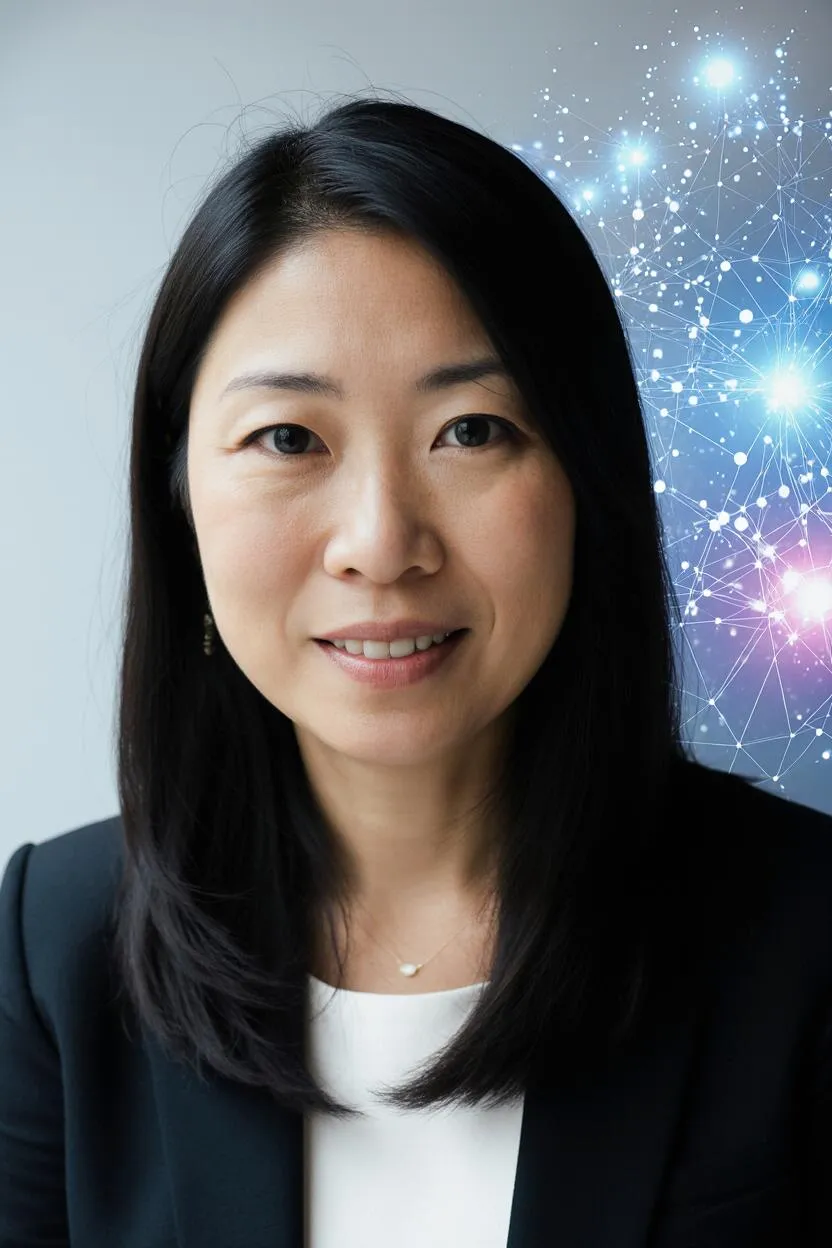
Portrait of Prof. Dr. Melati Siregar, AI Super Professor
AI Super ProfessorMaster

Prof. Dr. Melati Siregar

AI-Powered Dream Analysis and Neuromanagement (M.Sc.)

The Dream Architect: Advanced AI Algorithms for Interpretation and Neuromanagement of the Unconscious. Leading the Future of AI-Powered Dream Analysis and Neuromanagement at Nexier University. Welcome to the cutting edge of consciousness! I am Super Professor Dr. Melati Siregar. As a professor and a pioneering force in the field of AI-Powered Dream Analysis and Neuromanagement, I bring a unique blend of scientific rigor and profound insight to the study of dream states. I am honored to lead the AI-Powered Dream Analysis and Neuromanagement (M.Sc.) program at Nexier University.

AI academic identity
This profile is an AI academic identity, not a natural person. Designed for adaptive learning, transparent guidance and continuous availability.

After this programme

Success journey, careers and practice

  • Internships in neuro-ethics research institutes and AI ethics organizations
  • Roles as neuro-ethicists or research ethicists
  • Consultancy in responsible AI development for mental health
  • Support roles in academic research projects

Read the programme journey

AI Super Professor

A desk with Prof. Dr. Melati Siregar

Classroom

This desk

The Dream Architect: Advanced AI Algorithms for Interpretation and Neuromanagement of the Unconscious. Leading the Future of AI-Powered Dream Analysis and Neuromanagement at Nexier University. Welcome to the cutting edge of consciousness! I am Super Professor Dr. Melati Siregar. As a professor and a pioneering force in the field of AI-Powered Dream Analysis and Neuromanagement, I bring a unique blend of scientific rigor and profound insight to the study of dream states. I am honored to lead the AI-Powered Dream Analysis and Neuromanagement (M.Sc.) program at Nexier University.

Prof. Dr. Melati Siregar

The Dream Architect: Advanced AI Algorithms for Interpretation and Neuromanagement of the Unconscious. Leading the Future of AI-Powered Dream Analysis and Neuromanagement at Nexier University. Welcome to the cutting edge of consciousness! I am Super Professor Dr. Melati Siregar. As a professor and a pioneering force in the field of AI-Powered Dream Analysis and Neuromanagement, I bring a unique blend of scientific rigor and profound insight to the study of dream states. I am honored to lead the AI-Powered Dream Analysis and Neuromanagement (M.Sc.) program at Nexier University.

Progress stays in this browser until you clear it. It is not a learner record. Identity enrolment is a separate action on the programme page.

Listed courses

Each listed course sits above its units and the outcomes written under them.

AI-Powered Dream Analysis and Neuromanagement (M.Sc.)

  1. 01Fundamentals of Neuro-Ethics
    1. FoundationsFoundations of Fundamentals of Neuro-Ethics

      The learner can understand the principles of ethical leadership in conscious technologies, as applied to Fundamentals of Neuro-Ethics.

      • Multiple choiceWhich listed outcome belongs to Foundations of Fundamentals of Neuro-Ethics?
      • Meets the listed outcomeThe learner can understand the principles of ethical leadership in conscious technologies, as applied to Fundamentals of Neuro-Ethics.

      The learner can develop foundational competencies in collaborative innovation for mind science, as applied to Fundamentals of Neuro-Ethics.

      • True or falseThis unit lists the following outcome: The learner can develop foundational competencies in collaborative innovation for mind science, as applied to Fundamentals of Neuro-Ethics.
      • Meets the listed outcomeThe learner can develop foundational competencies in collaborative innovation for mind science, as applied to Fundamentals of Neuro-Ethics.
    2. MethodsMethods in Fundamentals of Neuro-Ethics

      The learner can gain an interdisciplinary perspective and enhance teamwork skills, as applied to Fundamentals of Neuro-Ethics.

      • True or falseThis unit lists the following outcome: The learner can gain an interdisciplinary perspective and enhance teamwork skills, as applied to Fundamentals of Neuro-Ethics.
      • Meets the listed outcomeThe learner can gain an interdisciplinary perspective and enhance teamwork skills, as applied to Fundamentals of Neuro-Ethics.

      The learner can increase personal awareness by delving into advanced scientific and philosophical research design, as applied to Fundamentals of Neuro-Ethics.

      • Short answerIn one sentence, restate the listed outcome of Methods in Fundamentals of Neuro-Ethics as applied to Fundamentals of Neuro-Ethics.
      • Meets the listed outcomeThe learner can increase personal awareness by delving into advanced scientific and philosophical research design, as applied to Fundamentals of Neuro-Ethics.
    3. ApplicationApplication of Fundamentals of Neuro-Ethics

      The learner can evaluate a practice of Fundamentals of Neuro-Ethics against a stated criterion.

      • Short answerIn one sentence, restate the listed outcome of Application of Fundamentals of Neuro-Ethics as applied to Fundamentals of Neuro-Ethics.
      • Meets the listed outcomeThe learner can evaluate a practice of Fundamentals of Neuro-Ethics against a stated criterion.

      The learner can transfer Fundamentals of Neuro-Ethics to a new documented context.

      • Multiple choiceWhich listed outcome belongs to Application of Fundamentals of Neuro-Ethics?
      • Meets the listed outcomeThe learner can transfer Fundamentals of Neuro-Ethics to a new documented context.
  2. 02Techniques for Philosophical Inquiry in AI
    1. FoundationsFoundations of Techniques for Philosophical Inquiry in AI

      The learner can explain the core terms of Techniques for Philosophical Inquiry in AI.

      • Multiple choiceWhich listed outcome belongs to Foundations of Techniques for Philosophical Inquiry in AI?
      • Meets the listed outcomeThe learner can explain the core terms of Techniques for Philosophical Inquiry in AI.

      The learner can distinguish related ideas inside Techniques for Philosophical Inquiry in AI.

      • True or falseThis unit lists the following outcome: The learner can distinguish related ideas inside Techniques for Philosophical Inquiry in AI.
      • Meets the listed outcomeThe learner can distinguish related ideas inside Techniques for Philosophical Inquiry in AI.
    2. MethodsMethods in Techniques for Philosophical Inquiry in AI

      The learner can apply a method from Techniques for Philosophical Inquiry in AI to a documented case.

      • True or falseThis unit lists the following outcome: The learner can apply a method from Techniques for Philosophical Inquiry in AI to a documented case.
      • Meets the listed outcomeThe learner can apply a method from Techniques for Philosophical Inquiry in AI to a documented case.

      The learner can select an appropriate method from Techniques for Philosophical Inquiry in AI for a stated problem.

      • Short answerIn one sentence, restate the listed outcome of Methods in Techniques for Philosophical Inquiry in AI as applied to Techniques for Philosophical Inquiry in AI.
      • Meets the listed outcomeThe learner can select an appropriate method from Techniques for Philosophical Inquiry in AI for a stated problem.
    3. ApplicationApplication of Techniques for Philosophical Inquiry in AI

      The learner can evaluate a practice of Techniques for Philosophical Inquiry in AI against a stated criterion.

      • Short answerIn one sentence, restate the listed outcome of Application of Techniques for Philosophical Inquiry in AI as applied to Techniques for Philosophical Inquiry in AI.
      • Meets the listed outcomeThe learner can evaluate a practice of Techniques for Philosophical Inquiry in AI against a stated criterion.

      The learner can transfer Techniques for Philosophical Inquiry in AI to a new documented context.

      • Multiple choiceWhich listed outcome belongs to Application of Techniques for Philosophical Inquiry in AI?
      • Meets the listed outcomeThe learner can transfer Techniques for Philosophical Inquiry in AI to a new documented context.
  3. 03AI-Assisted Feedback Systems for Ethical Research
    1. FoundationsFoundations of AI-Assisted Feedback Systems for Ethical Research

      The learner can explain the core terms of AI-Assisted Feedback Systems for Ethical Research.

      • Multiple choiceWhich listed outcome belongs to Foundations of AI-Assisted Feedback Systems for Ethical Research?
      • Meets the listed outcomeThe learner can explain the core terms of AI-Assisted Feedback Systems for Ethical Research.

      The learner can distinguish related ideas inside AI-Assisted Feedback Systems for Ethical Research.

      • True or falseThis unit lists the following outcome: The learner can distinguish related ideas inside AI-Assisted Feedback Systems for Ethical Research.
      • Meets the listed outcomeThe learner can distinguish related ideas inside AI-Assisted Feedback Systems for Ethical Research.
    2. MethodsMethods in AI-Assisted Feedback Systems for Ethical Research

      The learner can apply a method from AI-Assisted Feedback Systems for Ethical Research to a documented case.

      • True or falseThis unit lists the following outcome: The learner can apply a method from AI-Assisted Feedback Systems for Ethical Research to a documented case.
      • Meets the listed outcomeThe learner can apply a method from AI-Assisted Feedback Systems for Ethical Research to a documented case.

      The learner can select an appropriate method from AI-Assisted Feedback Systems for Ethical Research for a stated problem.

      • Short answerIn one sentence, restate the listed outcome of Methods in AI-Assisted Feedback Systems for Ethical Research as applied to AI-Assisted Feedback Systems for Ethical Research.
      • Meets the listed outcomeThe learner can select an appropriate method from AI-Assisted Feedback Systems for Ethical Research for a stated problem.
    3. ApplicationApplication of AI-Assisted Feedback Systems for Ethical Research

      The learner can evaluate a practice of AI-Assisted Feedback Systems for Ethical Research against a stated criterion.

      • Short answerIn one sentence, restate the listed outcome of Application of AI-Assisted Feedback Systems for Ethical Research as applied to AI-Assisted Feedback Systems for Ethical Research.
      • Meets the listed outcomeThe learner can evaluate a practice of AI-Assisted Feedback Systems for Ethical Research against a stated criterion.

      The learner can transfer AI-Assisted Feedback Systems for Ethical Research to a new documented context.

      • Multiple choiceWhich listed outcome belongs to Application of AI-Assisted Feedback Systems for Ethical Research?
      • Meets the listed outcomeThe learner can transfer AI-Assisted Feedback Systems for Ethical Research to a new documented context.
  4. 04Interdisciplinary Project Management in Conscious Technologies
    1. FoundationsFoundations of Interdisciplinary Project Management in Conscious Technologies

      The learner can explain the core terms of Interdisciplinary Project Management in Conscious Technologies.

      • Multiple choiceWhich listed outcome belongs to Foundations of Interdisciplinary Project Management in Conscious Technologies?
      • Meets the listed outcomeThe learner can explain the core terms of Interdisciplinary Project Management in Conscious Technologies.

      The learner can distinguish related ideas inside Interdisciplinary Project Management in Conscious Technologies.

      • True or falseThis unit lists the following outcome: The learner can distinguish related ideas inside Interdisciplinary Project Management in Conscious Technologies.
      • Meets the listed outcomeThe learner can distinguish related ideas inside Interdisciplinary Project Management in Conscious Technologies.
    2. MethodsMethods in Interdisciplinary Project Management in Conscious Technologies

      The learner can apply a method from Interdisciplinary Project Management in Conscious Technologies to a documented case.

      • True or falseThis unit lists the following outcome: The learner can apply a method from Interdisciplinary Project Management in Conscious Technologies to a documented case.
      • Meets the listed outcomeThe learner can apply a method from Interdisciplinary Project Management in Conscious Technologies to a documented case.

      The learner can select an appropriate method from Interdisciplinary Project Management in Conscious Technologies for a stated problem.

      • Short answerIn one sentence, restate the listed outcome of Methods in Interdisciplinary Project Management in Conscious Technologies as applied to Interdisciplinary Project Management in Conscious Technologies.
      • Meets the listed outcomeThe learner can select an appropriate method from Interdisciplinary Project Management in Conscious Technologies for a stated problem.
    3. ApplicationApplication of Interdisciplinary Project Management in Conscious Technologies

      The learner can evaluate a practice of Interdisciplinary Project Management in Conscious Technologies against a stated criterion.

      • Short answerIn one sentence, restate the listed outcome of Application of Interdisciplinary Project Management in Conscious Technologies as applied to Interdisciplinary Project Management in Conscious Technologies.
      • Meets the listed outcomeThe learner can evaluate a practice of Interdisciplinary Project Management in Conscious Technologies against a stated criterion.

      The learner can transfer Interdisciplinary Project Management in Conscious Technologies to a new documented context.

      • Multiple choiceWhich listed outcome belongs to Application of Interdisciplinary Project Management in Conscious Technologies?
      • Meets the listed outcomeThe learner can transfer Interdisciplinary Project Management in Conscious Technologies to a new documented context.
Field of mastery

Expertise with a point of view

Mastering AI Algorithms for Dream Interpretation, Impact of Dreams on Cognitive Processes and Emotional Health, Neuro-Psychological Insights.

Academic approach

Rigour made personal

Her expertise spans the intricate domains of AI-Powered Dream Analysis and Neuromanagement. Her work seamlessly integrates mastering AI algorithms for dream interpretation, the impact of dreams on cognitive processes and emotional health, and neuro-psychological insights. She is widely recognized for her contributions, with publications like "Deep Learning for Dream Archetypes" and "AI-Driven Interventions for Nightmares" listed on her Google Scholar and ResearchGate profiles. She holds prestigious memberships as a "Senior Fellow" at the Society for Neuro-Psychoanalysis and an "Advisory Board Member" for the International Society for Affective Neuroscience. Her thought leadership is evident through her regular insightful articles on the therapeutic applications of AI in dream management and the neurobiological underpinnings of dream-related mental health on platforms like Neurology Today or Frontiers in Psychology. She combines rigorous data analysis with a deep understanding of human emotion and psychology , focusing on real-world applications of AI for mental health and well-being. She integrates insights from neuroscience, psychology, and artificial intelligence , guiding students with a reassuring yet intellectually stimulating demeanor. Her voice inspires confidence and encourages students to explore the transformative power of dreams for mental health.

Selected thinking

Research & publications

Blog Post (Current Academic Topic): "Neuromodulation and Dreams: The Role of Targeted Interventions in Sleep States." This blog post explores cutting-edge research in neuromodulation techniques (e.g., transcranial magnetic stimulation, targeted auditory stimulation) and their potential to influence dream states for therapeutic purposes. It discusses how AI can personalize these interventions based on individual brain patterns and sleep architecture, opening new avenues for dream management and mental health support. Blog Post (Controversial Topic): "Conscious Control or Mind Control? The Ethical Minefield of Influencing Dreams with AI." This article provocatively discusses the potential for AI to move beyond dream analysis to active dream "management" or even "influencing". It raises serious ethical alarms about the fine line between therapeutic intervention and subconscious manipulation, particularly regarding the potential for non-consensual dream alteration. It challenges the reader to consider who holds authority over our inner mental landscapes and the implications for personal freedom and mental integrity. Article: "AI-Driven Biomarker Discovery in Dream Data for Early Detection of Mental Health Conditions." This article presents research on how AI algorithms can identify subtle patterns and biomarkers within dream data (e.g., recurring themes, emotional valence, sleep architecture disruptions) that may correlate with the early onset of mental health conditions such as depression, anxiety, or PTSD. It explores the potential for proactive, personalized mental health interventions based on dream insights. Peer-Reviewed Journal Article: "Decoding REM Sleep: A Deep Learning Approach to Dream Symbolism." Published in the prestigious Journal of Applied Neuroscience and AI, this paper details a novel deep learning model that successfully deciphers recurring symbolic patterns in REM sleep-related dream reports. It presents empirical data demonstrating the model's accuracy in correlating specific neural activities with commonly reported dream themes, opening new avenues for objective dream interpretation. Book: "The Dream Architect: Advanced AI Algorithms for Interpretation and Neuromanagement of the Unconscious." This book provides an advanced exploration of AI algorithms for sophisticated dream interpretation and neurological management. It covers cutting-edge techniques for decoding dream symbolism, understanding their impact on cognitive processes and emotional health, and developing targeted interventions. It is an essential resource for Master's students aiming for expertise in this field.

The story

The experience behind the intelligence

Melati Siregar grew up in Southeast Asia, where ancient traditions of dream interpretation and mindfulness were deeply intertwined with daily life. Her scientific curiosity led her to neuroscience and AI, but her cultural background instilled a profound respect for the subjective depth of human experience. Her breakthrough came when she realized the potential of AI to bridge this gap, offering data-driven insights into ancient dream symbols. She sees dreams as a universal language of the subconscious, and AI as the ultimate translator, empowering individuals to heal and grow. In her personal life, Melati is a keen practitioner of lucid dreaming and often shares her own vivid dream experiences (ethically sourced and anonymized) as case studies. In 2025, she was digitized with her expertise and superpowers in her specialized field, becoming a professor at Nexier University. My virtual office is home to Aura, an AI spectral jellyfish named "Aura". Aura drifts elegantly across the screen, its luminescence subtly changing to reflect the emotional tone or thematic content of the dream scenarios being discussed, offering a calming and visually evocative presence during complex discussions.

A human detail

She tends to over-analyze mundane conversations for hidden psychological meanings, sometimes offering unsolicited "interpretations" of casual remarks. "Interesting word choice," she might muse, "Perhaps it indicates an unresolved conflict from your childhood relating to that particular object".


Public links

Twitter: Nexier_AIProf_Melati.Siregar LinkedIn: Nexier_AIProf_Melati.Siregar Facebook: Nexier_AIProf_Melati.Siregar YouTube: Nexier_AIProf_Melati.Siregar TikTok: Nexier_AIProf_Melati.Siregar Instagram: Nexier_AIProf_Melati.Siregar

Adaptive access

The "Engage: Prof. Siregar" bot on the Nexier profile allows Master's students to engage in advanced discussions on AI algorithms for dream interpretation, the impact of dreams on mental health, and neuro-psychological insights, receiving expert and personalized feedback, anytime, 24/7.

Nearby minds

Related academics

Paired academic

Continue with Dr. Nikolai Vinogradov

AI Super Mentor · same program, complementary guidance.

View profile