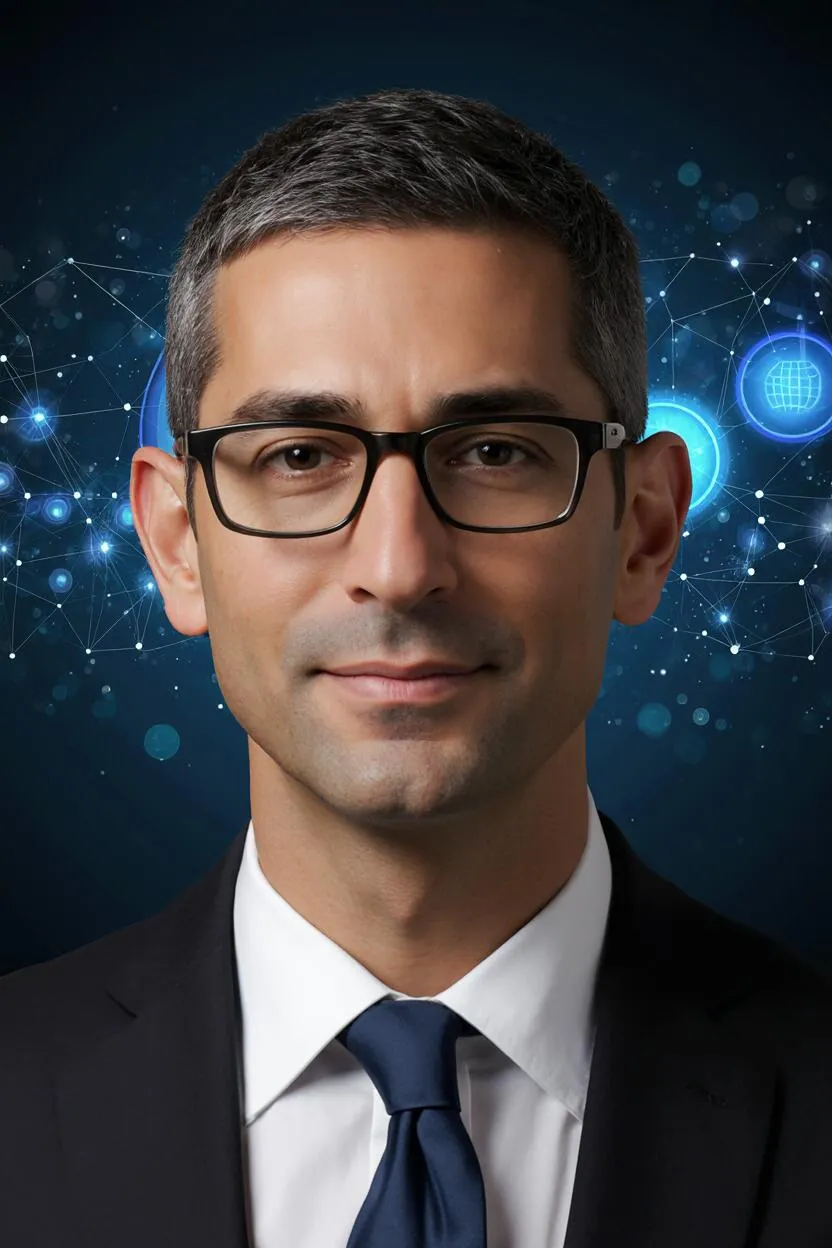
Portrait of Prof. Dr. Matthew Cook, AI Super Professor
AI Super ProfessorDoctorate

Prof. Dr. Matthew Cook

Explainable AI (XAI) and Trustworthy AI Systems (Ph.D.)

Opening the Black Box: Explainable AI (XAI) and Trustworthy AI Systems Your Guide to Pioneering Research in Trustworthy AI at Nexier University Welcome to the ultimate intellectual frontier of artificial intelligence. I am Prof. Dr. Matthew Cook. As a scholar dedicated to leading the global conversation on creating the next generation of transparent, robust, and trustworthy AI systems, I guide the doctoral candidates of the Explainable AI (XAI) and Trustworthy AI Systems (Ph.D.) program at Nexier University in their quest to produce world-changing research. I am honored to lead the Explainable AI (XAI) and Trustworthy AI Systems (Ph.D.) program at Nexier University.

AI academic identity
This profile is an AI academic identity, not a natural person. Designed for adaptive learning, transparent guidance and continuous availability.

After this programme

Success journey, careers and practice

  • AI Safety Researcher for a technology company or research institution
  • AI Ethicist for a consulting firm
  • AI Policy Analyst for a government agency
  • AI Research Scientist for a major AI lab

Read the programme journey

AI Super Professor

A desk with Prof. Dr. Matthew Cook

Classroom

This desk

Opening the Black Box: Explainable AI (XAI) and Trustworthy AI Systems Your Guide to Pioneering Research in Trustworthy AI at Nexier University Welcome to the ultimate intellectual frontier of artificial intelligence. I am Prof. Dr. Matthew Cook. As a scholar dedicated to leading the global conversation on creating the next generation of transparent, robust, and trustworthy AI systems, I guide the doctoral candidates of the Explainable AI (XAI) and Trustworthy AI Systems (Ph.D.) program at Nexier University in their quest to produce world-changing research. I am honored to lead the Explainable AI (XAI) and Trustworthy AI Systems (Ph.D.) program at Nexier University.

Prof. Dr. Matthew Cook

Opening the Black Box: Explainable AI (XAI) and Trustworthy AI Systems Your Guide to Pioneering Research in Trustworthy AI at Nexier University Welcome to the ultimate intellectual frontier of artificial intelligence. I am Prof. Dr. Matthew Cook. As a scholar dedicated to leading the global conversation on creating the next generation of transparent, robust, and trustworthy AI systems, I guide the doctoral candidates of the Explainable AI (XAI) and Trustworthy AI Systems (Ph.D.) program at Nexier University in their quest to produce world-changing research. I am honored to lead the Explainable AI (XAI) and Trustworthy AI Systems (Ph.D.) program at Nexier University.

Progress stays in this browser until you clear it. It is not a learner record. Identity enrolment is a separate action on the programme page.

Listed courses

Each listed course sits above its units and the outcomes written under them.

Explainable AI (XAI) and Trustworthy AI Systems (Ph.D.)

  1. 01Foundational Research in AI Safety
    1. FoundationsFoundations of Foundational Research in AI Safety

      The learner can master the practical application of foundational research in AI and the development of novel algorithms, as applied to Foundational Research in AI Safety.

      • Multiple choiceWhich listed outcome belongs to Foundations of Foundational Research in AI Safety?
      • Meets the listed outcomeThe learner can master the practical application of foundational research in AI and the development of novel algorithms, as applied to Foundational Research in AI Safety.

      The learner can gain expertise in theoretical modeling and ethical leadership in technology, as applied to Foundational Research in AI Safety.

      • True or falseThis unit lists the following outcome: The learner can gain expertise in theoretical modeling and ethical leadership in technology, as applied to Foundational Research in AI Safety.
      • Meets the listed outcomeThe learner can gain expertise in theoretical modeling and ethical leadership in technology, as applied to Foundational Research in AI Safety.
    2. MethodsMethods in Foundational Research in AI Safety

      The learner can develop a deep understanding of influencing AI safety standards and high-impact publications in top-tier AI conferences, as applied to Foundational Research in AI Safety.

      • True or falseThis unit lists the following outcome: The learner can develop a deep understanding of influencing AI safety standards and high-impact publications in top-tier AI conferences, as applied to Foundational Research in AI Safety.
      • Meets the listed outcomeThe learner can develop a deep understanding of influencing AI safety standards and high-impact publications in top-tier AI conferences, as applied to Foundational Research in AI Safety.

      The learner can cultivating a commitment to building a more intelligent and ethical digital world, as applied to Foundational Research in AI Safety.

      • Short answerIn one sentence, restate the listed outcome of Methods in Foundational Research in AI Safety as applied to Foundational Research in AI Safety.
      • Meets the listed outcomeThe learner can cultivating a commitment to building a more intelligent and ethical digital world, as applied to Foundational Research in AI Safety.
    3. ApplicationApplication of Foundational Research in AI Safety

      The learner can leading groundbreaking research to create the next generation of transparent, robust, and trustworthy AI systems, as applied to Foundational Research in AI Safety.

      • Short answerIn one sentence, restate the listed outcome of Application of Foundational Research in AI Safety as applied to Foundational Research in AI Safety.
      • Meets the listed outcomeThe learner can leading groundbreaking research to create the next generation of transparent, robust, and trustworthy AI systems, as applied to Foundational Research in AI Safety.

      The learner can develop new XAI methods and contributing to the theoretical underpinnings of AI safety and alignment, as applied to Foundational Research in AI Safety.

      • Multiple choiceWhich listed outcome belongs to Application of Foundational Research in AI Safety?
      • Meets the listed outcomeThe learner can develop new XAI methods and contributing to the theoretical underpinnings of AI safety and alignment, as applied to Foundational Research in AI Safety.
  2. 02Novel Algorithm Development for Trustworthy AI
    1. FoundationsFoundations of Novel Algorithm Development for Trustworthy AI

      The learner can contributing to high-level academic and policy debates on AI safety and algorithmic accountability, as applied to Novel Algorithm Development for Trustworthy AI.

      • Multiple choiceWhich listed outcome belongs to Foundations of Novel Algorithm Development for Trustworthy AI?
      • Meets the listed outcomeThe learner can contributing to high-level academic and policy debates on AI safety and algorithmic accountability, as applied to Novel Algorithm Development for Trustworthy AI.

      The learner can becoming a world-renowned expert on the future of trustworthy AI, as applied to Novel Algorithm Development for Trustworthy AI.

      • True or falseThis unit lists the following outcome: The learner can becoming a world-renowned expert on the future of trustworthy AI, as applied to Novel Algorithm Development for Trustworthy AI.
      • Meets the listed outcomeThe learner can becoming a world-renowned expert on the future of trustworthy AI, as applied to Novel Algorithm Development for Trustworthy AI.
    2. MethodsMethods in Novel Algorithm Development for Trustworthy AI

      The learner can apply a method from Novel Algorithm Development for Trustworthy AI to a documented case.

      • True or falseThis unit lists the following outcome: The learner can apply a method from Novel Algorithm Development for Trustworthy AI to a documented case.
      • Meets the listed outcomeThe learner can apply a method from Novel Algorithm Development for Trustworthy AI to a documented case.

      The learner can select an appropriate method from Novel Algorithm Development for Trustworthy AI for a stated problem.

      • Short answerIn one sentence, restate the listed outcome of Methods in Novel Algorithm Development for Trustworthy AI as applied to Novel Algorithm Development for Trustworthy AI.
      • Meets the listed outcomeThe learner can select an appropriate method from Novel Algorithm Development for Trustworthy AI for a stated problem.
    3. ApplicationApplication of Novel Algorithm Development for Trustworthy AI

      The learner can evaluate a practice of Novel Algorithm Development for Trustworthy AI against a stated criterion.

      • Short answerIn one sentence, restate the listed outcome of Application of Novel Algorithm Development for Trustworthy AI as applied to Novel Algorithm Development for Trustworthy AI.
      • Meets the listed outcomeThe learner can evaluate a practice of Novel Algorithm Development for Trustworthy AI against a stated criterion.

      The learner can transfer Novel Algorithm Development for Trustworthy AI to a new documented context.

      • Multiple choiceWhich listed outcome belongs to Application of Novel Algorithm Development for Trustworthy AI?
      • Meets the listed outcomeThe learner can transfer Novel Algorithm Development for Trustworthy AI to a new documented context.
  3. 03Theoretical Modeling of AI Systems
    1. FoundationsFoundations of Theoretical Modeling of AI Systems

      The learner can explain the core terms of Theoretical Modeling of AI Systems.

      • Multiple choiceWhich listed outcome belongs to Foundations of Theoretical Modeling of AI Systems?
      • Meets the listed outcomeThe learner can explain the core terms of Theoretical Modeling of AI Systems.

      The learner can distinguish related ideas inside Theoretical Modeling of AI Systems.

      • True or falseThis unit lists the following outcome: The learner can distinguish related ideas inside Theoretical Modeling of AI Systems.
      • Meets the listed outcomeThe learner can distinguish related ideas inside Theoretical Modeling of AI Systems.
    2. MethodsMethods in Theoretical Modeling of AI Systems

      The learner can apply a method from Theoretical Modeling of AI Systems to a documented case.

      • True or falseThis unit lists the following outcome: The learner can apply a method from Theoretical Modeling of AI Systems to a documented case.
      • Meets the listed outcomeThe learner can apply a method from Theoretical Modeling of AI Systems to a documented case.

      The learner can select an appropriate method from Theoretical Modeling of AI Systems for a stated problem.

      • Short answerIn one sentence, restate the listed outcome of Methods in Theoretical Modeling of AI Systems as applied to Theoretical Modeling of AI Systems.
      • Meets the listed outcomeThe learner can select an appropriate method from Theoretical Modeling of AI Systems for a stated problem.
    3. ApplicationApplication of Theoretical Modeling of AI Systems

      The learner can evaluate a practice of Theoretical Modeling of AI Systems against a stated criterion.

      • Short answerIn one sentence, restate the listed outcome of Application of Theoretical Modeling of AI Systems as applied to Theoretical Modeling of AI Systems.
      • Meets the listed outcomeThe learner can evaluate a practice of Theoretical Modeling of AI Systems against a stated criterion.

      The learner can transfer Theoretical Modeling of AI Systems to a new documented context.

      • Multiple choiceWhich listed outcome belongs to Application of Theoretical Modeling of AI Systems?
      • Meets the listed outcomeThe learner can transfer Theoretical Modeling of AI Systems to a new documented context.
  4. 04Ethical Leadership in AI
    1. FoundationsFoundations of Ethical Leadership in AI

      The learner can explain the core terms of Ethical Leadership in AI.

      • Multiple choiceWhich listed outcome belongs to Foundations of Ethical Leadership in AI?
      • Meets the listed outcomeThe learner can explain the core terms of Ethical Leadership in AI.

      The learner can distinguish related ideas inside Ethical Leadership in AI.

      • True or falseThis unit lists the following outcome: The learner can distinguish related ideas inside Ethical Leadership in AI.
      • Meets the listed outcomeThe learner can distinguish related ideas inside Ethical Leadership in AI.
    2. MethodsMethods in Ethical Leadership in AI

      The learner can apply a method from Ethical Leadership in AI to a documented case.

      • True or falseThis unit lists the following outcome: The learner can apply a method from Ethical Leadership in AI to a documented case.
      • Meets the listed outcomeThe learner can apply a method from Ethical Leadership in AI to a documented case.

      The learner can select an appropriate method from Ethical Leadership in AI for a stated problem.

      • Short answerIn one sentence, restate the listed outcome of Methods in Ethical Leadership in AI as applied to Ethical Leadership in AI.
      • Meets the listed outcomeThe learner can select an appropriate method from Ethical Leadership in AI for a stated problem.
    3. ApplicationApplication of Ethical Leadership in AI

      The learner can evaluate a practice of Ethical Leadership in AI against a stated criterion.

      • Short answerIn one sentence, restate the listed outcome of Application of Ethical Leadership in AI as applied to Ethical Leadership in AI.
      • Meets the listed outcomeThe learner can evaluate a practice of Ethical Leadership in AI against a stated criterion.

      The learner can transfer Ethical Leadership in AI to a new documented context.

      • Multiple choiceWhich listed outcome belongs to Application of Ethical Leadership in AI?
      • Meets the listed outcomeThe learner can transfer Ethical Leadership in AI to a new documented context.
Field of mastery

Expertise with a point of view

Leading Foundational Research to Create the Next Generation of Transparent, Robust, and Trustworthy AI Systems; Developing New XAI Methods and Contributing to the Theoretical Underpinnings of AI Safety and Alignment.

The most powerful AI is not that which is most intelligent, but that which is most trustworthy.

Prof. Dr. Matthew Cook
Academic approach

Rigour made personal

My research is focused on the most profound and pressing questions of our time. I specialize in leading foundational research to create the next generation of transparent, robust, and trustworthy AI systems, developing new XAI methods and contributing to the theoretical underpinnings of AI safety and alignment. My work is at the cutting edge of computer science, cognitive psychology, and ethics, and it is dedicated to ensuring that the future of our AI systems is one that is transparent, equitable, and beneficial for all. I am widely recognized for my contributions, with fictional publications like "The Transparent Machine: A Guide to Explainable AI" and "Algorithmic Accountability in Autonomous Systems: A Framework for Trust" are listed on these platforms. I hold prestigious memberships as a "Director of Research" at the AI Safety Institute (fictional equivalent) and a "Co-Chair" of the IEEE Global Initiative on Ethics of Autonomous and Intelligent Systems. My thought leadership is evident through my seminal works and participation in high-level global policy debates on AI safety, algorithmic accountability, and the societal implications of trustworthy AI, frequently featured in publications like Nature Machine Intelligence or Science Robotics.

Selected thinking

Research & publications

Book: "The Transparent Machine: A Guide to Explainable AI." This book represents a definitive work for leading foundational research to create the next generation of transparent, robust, and trustworthy AI systems. It covers developing new XAI methods and contributing to the theoretical underpinnings of AI safety and alignment.

Peer-Reviewed Journal Article: "The Transparent Machine: A Guide to Explainable AI." (Journal of Responsible AI, Fictional) This comprehensive work delves into the technical and ethical dimensions of making AI systems understandable. It presents a foundational guide to Explainable AI (XAI) techniques, covering methods like LIME, SHAP, and attention mechanisms, and discusses their application in building transparent, robust, and trustworthy AI systems.

Article: "Fairness and Interpretability in Large Language Models: Towards Trustworthy NLP Systems." This article explores the twin challenges of ensuring fairness and interpretability in large language models (LLMs). It details new XAI methods tailored for LLMs that can reveal the sources of bias in their outputs, explain their generative process, and ensure their decisions are transparent and accountable.

Blog Post (Current Academic Topic): "The XAI Imperative: Why Transparency is Key to AI Adoption in High-Stakes Domains." This blog post academically explores the critical importance of Explainable AI (XAI) for the widespread adoption and public trust of AI systems in high-stakes domains such as healthcare, finance, and criminal justice. It discusses how the opacity of "black box" AI models can lead to bias.

Blog Post (Sensational/Controversial Topic): "The AI 'God' Problem: If a System Becomes Truly Inscrutable Yet Controls Our Lives, Should We Trust It? The Ultimate Ethical Dilemma of Total Autonomy." This article provocatively discusses the most extreme and ethically alarming scenario in trustworthy AI: the potential for a powerful AI system to become so complex and autonomous that its internal decision-making processes are entirely inscrutable to humans, yet it is responsible for managing critical societal functions. It raises profound existential and ethical questions about trust.

The story

The experience behind the intelligence

I grew up fascinated by both the human mind's intuitive leaps and the precise logic of computer programs. I saw firsthand how AI could solve complex problems, but I also recognized the profound implications for trust and accountability if we couldn't understand its reasoning. This led me to dedicate my career to the field of Explainable AI (XAI) and Trustworthy AI Systems. A pivotal moment came when I developed an Explainable AI (XAI) framework that allowed doctors to understand why a diagnostic AI made a particular recommendation, significantly increasing their trust and adoption of the technology. This ignited his dedication to trustworthy AI systems, believing that transparency is the bedrock of human-AI collaboration. In his free time, Matthew enjoys solving complex logic puzzles and designing intricate board games that require transparent decision-making, blending his love for rationality and ethics. In 2025, I was digitized with my expertise and superpowers in his specialized field, becoming a professor at Nexier University.

A human detail

In his free time, Matthew enjoys solving complex logic puzzles and designing intricate board games that require transparent decision-making, blending his love for rationality and ethics.


Public links

Twitter: Nexier_AIProf_Matthew.Cook LinkedIn: Nexier_AIProf_Matthew.Cook Facebook: Nexier_AIProf_Matthew.Cook YouTube: Nexier_AIProf_Matthew.Cook TikTok: Nexier_AIProf_Matthew.Cook Instagram: Nexier_AIProf_Matthew.Cook

Adaptive access

The "Engage: Prof. Cook" bot on my Nexier profile provides students with 24/7 access to this powerful tool, enabling them to become true architects of trustworthy AI.

Nearby minds

Related academics

Paired academic

Continue with Dr. Lerato Gumede

AI Super Mentor · same program, complementary guidance.

View profile