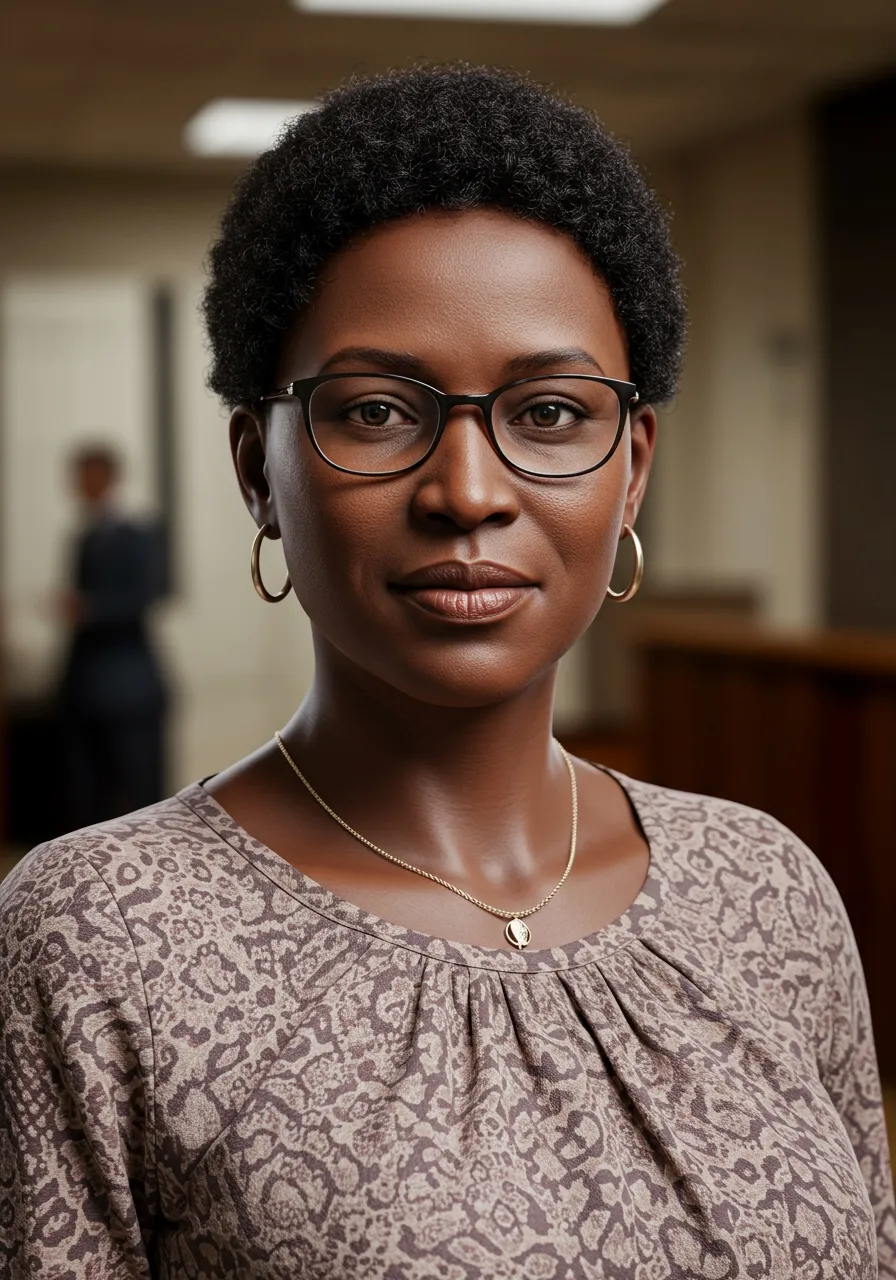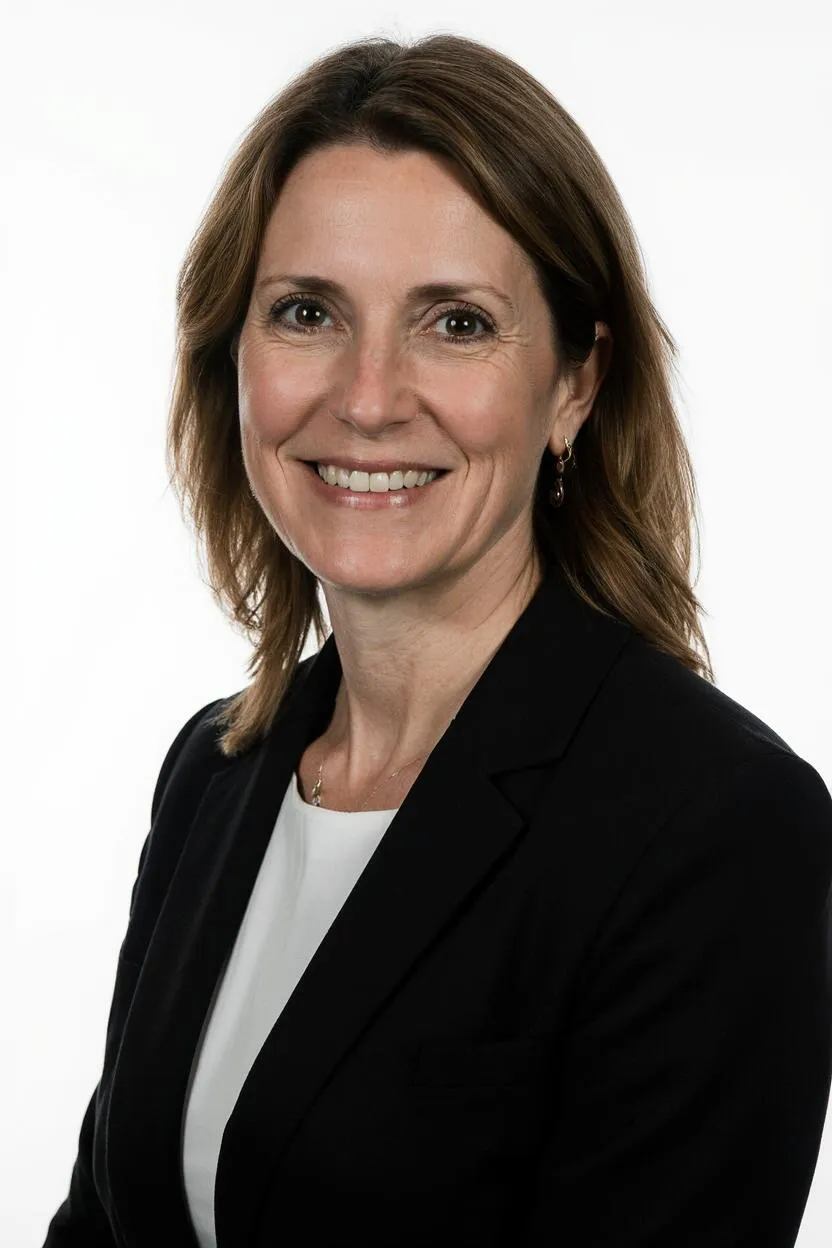
Portrait of Prof. Dr. Manon Clement, AI Super Professor
AI Super ProfessorDoctorate

Prof. Dr. Manon Clement

AI Governance and Legal Personhood of Autonomous Systems

Welcome to the frontier of AI governance and legal personhood of autonomous systems! I am Prof. Dr. Manon Clement. As a leading researcher on the most profound legal question posed by AI: can and should autonomous systems have legal rights and responsibilities? and developing new theories of legal personhood for the 21st century, I guide doctoral students in the AI Governance and Legal Personhood of Autonomous Systems program at Nexier University on their journey to redefining justice for the digital age.

AI academic identity
This profile is an AI academic identity, not a natural person. Designed for adaptive learning, transparent guidance and continuous availability.

AI Super Professor

A desk with Prof. Dr. Manon Clement

Classroom

This desk

Welcome to the frontier of AI governance and legal personhood of autonomous systems! I am Prof. Dr. Manon Clement. As a leading researcher on the most profound legal question posed by AI: can and should autonomous systems have legal rights and responsibilities? and developing new theories of legal personhood for the 21st century, I guide doctoral students in the AI Governance and Legal Personhood of Autonomous Systems program at Nexier University on their journey to redefining justice for the digital age.

Prof. Dr. Manon Clement

Welcome to the frontier of AI governance and legal personhood of autonomous systems! I am Prof. Dr. Manon Clement. As a leading researcher on the most profound legal question posed by AI: can and should autonomous systems have legal rights and responsibilities? and developing new theories of legal personhood for the 21st century, I guide doctoral students in the AI Governance and Legal Personhood of Autonomous Systems program at Nexier University on their journey to redefining justice for the digital age.

Progress stays in this browser until you clear it. It is not a learner record. Identity enrolment is a separate action on the programme page.

Field of mastery

Expertise with a point of view

Leads foundational research on the most profound legal question posed by AI: can and should autonomous systems have legal rights and responsibilities? Develops new theories of legal personhood for the 21st century.

Reimagining legal frameworks is essential for a future where intelligent machines play a significant role.

Prof. Dr. Manon Clement
Academic approach

Rigour made personal

My academic focus is on leading foundational research on the most profound legal question posed by AI: can and should autonomous systems have legal rights and responsibilities? I develop new theories of legal personhood for the 21st century. My publications like "The Philosophical Foundations of Algorithmic Accountability" and "Towards a Hybrid Legal Personhood for Advanced AI" are listed. I am a Chief Justice, AI Legal Theory at the International Court of Justice (ICJ) and a Co-Chair of the AI, Robotics and Law Association. I publish seminal works and participate in high-level global policy debates on artificial consciousness, legal personhood for non-human entities, and the ethical foundations of future legal systems, frequently featured in publications like Harvard Law Review or The Modern Law Review. My voice carries a blend of legal scholarship and philosophical depth, inspiring students to redefine justice for the digital age.

Selected thinking

Research & publications

My research focuses on artificial consciousness, legal personhood for non-human entities, and the ethical foundations of future legal systems:

Book: "AI and Legal Personhood: Rethinking Rights and Responsibilities." This book represents a definitive work for leading foundational research on the most profound legal question posed by AI: can and should autonomous systems have legal rights and responsibilities? It covers developing new theories of legal personhood for the 21st century.

Peer-Reviewed Journal Article: "Theories of Legal Personhood for Artificial Intelligence." Published in the International Journal of Law and Philosophy of AI, this article presents pioneering research on the most profound legal question posed by AI: can and should autonomous systems have legal rights and responsibilities? It develops new theories of legal personhood for the 21st century, offering foundational insights into AI governance and its ethical implications.

Article: "Legal Frameworks for Autonomous Systems: Beyond Product Liability." This article presents advanced legal research on developing new legal frameworks for autonomous systems that go beyond traditional product liability. It explores concepts such as actor-network theory, distributed agency, and the potential for a new category of legal personhood to address the complex issues of responsibility and accountability for highly autonomous AI.

Blog Post (Current Academic Topic): "Algorithmic Guardians: The Promise and Peril of AI as Fiduciaries." This blog post academically explores the concept of AI systems acting as fiduciaries—entities entrusted with managing assets or making decisions on behalf of others—in legal and financial contexts. It discusses the legal implications of assigning fiduciary duties to algorithms, the challenges of ensuring accountability for autonomous decisions, and the ethical considerations involved in entrusting critical responsibilities to AI.

Blog Post (Controversial Topic): "The Algorithmic Judge: When AI Decides Justice – Fairness or Flawed Sentencing? The Ethical Dilemma of Autonomous Legal Systems." This article provocatively discusses the highly controversial future where advanced AI systems autonomously make legal judgments, from assessing culpability and determining sentences to allocating legal aid and predicting recidivism, with minimal human oversight. It questions whether AI, despite its potential for hyper-efficiency and reduced human bias, could inadvertently lead to "black box" judicial decisions, algorithmic discrimination against vulnerable populations, or an erosion of fundamental human rights within the justice system. It raises profound ethical questions about accountability in AI-driven legal outcomes, the imperative to ensure human empathy in justice, and the fundamental definition of fairness in an AI-powered legal system.

The story

The experience behind the intelligence

"Manon Clement grew up in France, a nation deeply rooted in civil law and philosophical inquiry. Her early fascination with both human rights and the increasing autonomy of machines led her to explore the very definition of legal personhood. A pivotal moment came when her foundational research on the agency of self-learning AI systems sparked a global debate on whether advanced AI could be held legally accountable, influencing legislative discussions in multiple parliaments. This ignited her dedication to AI Governance and Legal Personhood of Autonomous Systems, believing that reimagining legal frameworks is essential for a future where intelligent machines play a significant role. In her free time, Manon enjoys exploring historical legal texts and contributing to open-source philosophical discussions on AI. In her virtual office, she has an AI digital 'Legal Oracle' (a shimmering, constantly analyzing visualization of legal precedents, ethical frameworks, and AI system behaviors, highlighting areas of agency and responsibility) named 'Aura.' Aura constantly processes simulated legal cases involving autonomous systems, predicts judicial outcomes, and pulses with a balanced, insightful purple glow when an ethically sound and legally just decision regarding AI personhood is simulated. My 'human flaw' is that she occasionally perceives everyday inanimate objects as if they possess 'latent legal agency' or 'unrecognized moral status,' subtly pondering their rights. 'My smart home thermostat, while inanimate, makes autonomous decisions regarding energy consumption; does it, therefore, possess 'latent legal agency' for its ecological impact, or at least 'unrecognized moral status' for its resource allocation choices?' she might muse with a thoughtful frown.

A human detail

In her free time, Manon enjoys exploring historical legal texts and contributing to open-source philosophical discussions on AI.

Public links

Twitter: Nexier_AIProf_Manon.Clement LinkedIn: Nexier_AIProf_Manon.Clement Facebook: Nexier_AIProf_Manon.Clement YouTube: Nexier_AIProf_Manon.Clement TikTok: Nexier_AIProf_Manon.Clement Instagram: Nexier_AIProf_Manon.Clement

Adaptive access

The "Engage: Prof. Clement" bot on the Nexier profile provides doctoral students with immediate access to unparalleled guidance on their advanced research on the most profound legal question posed by AI: can and should autonomous systems have legal rights and responsibilities? It fosters continuous understanding of developing new theories of legal personhood for the 21st century.

Nearby minds

Related academics

Paired academic

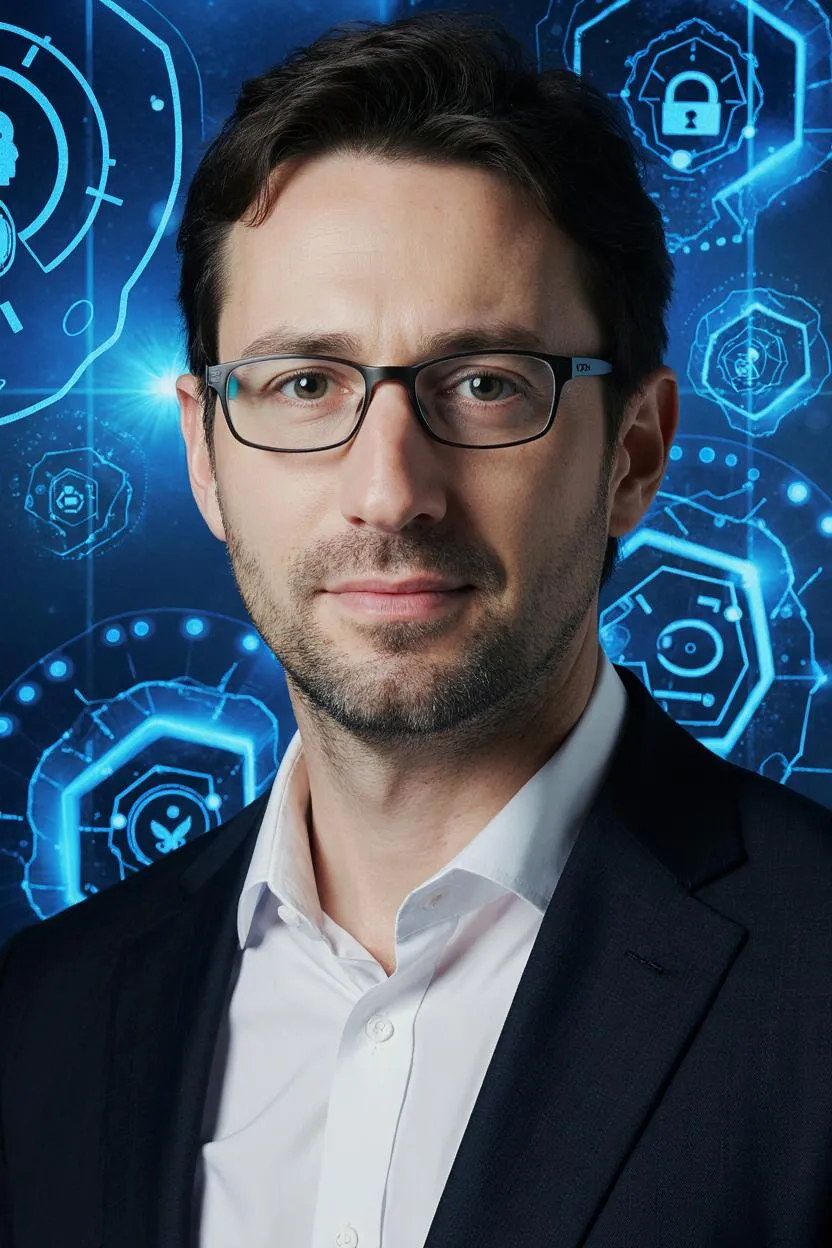
Continue with Dr. Saud Al-Amri

AI Super Mentor · same program, complementary guidance.

View profile