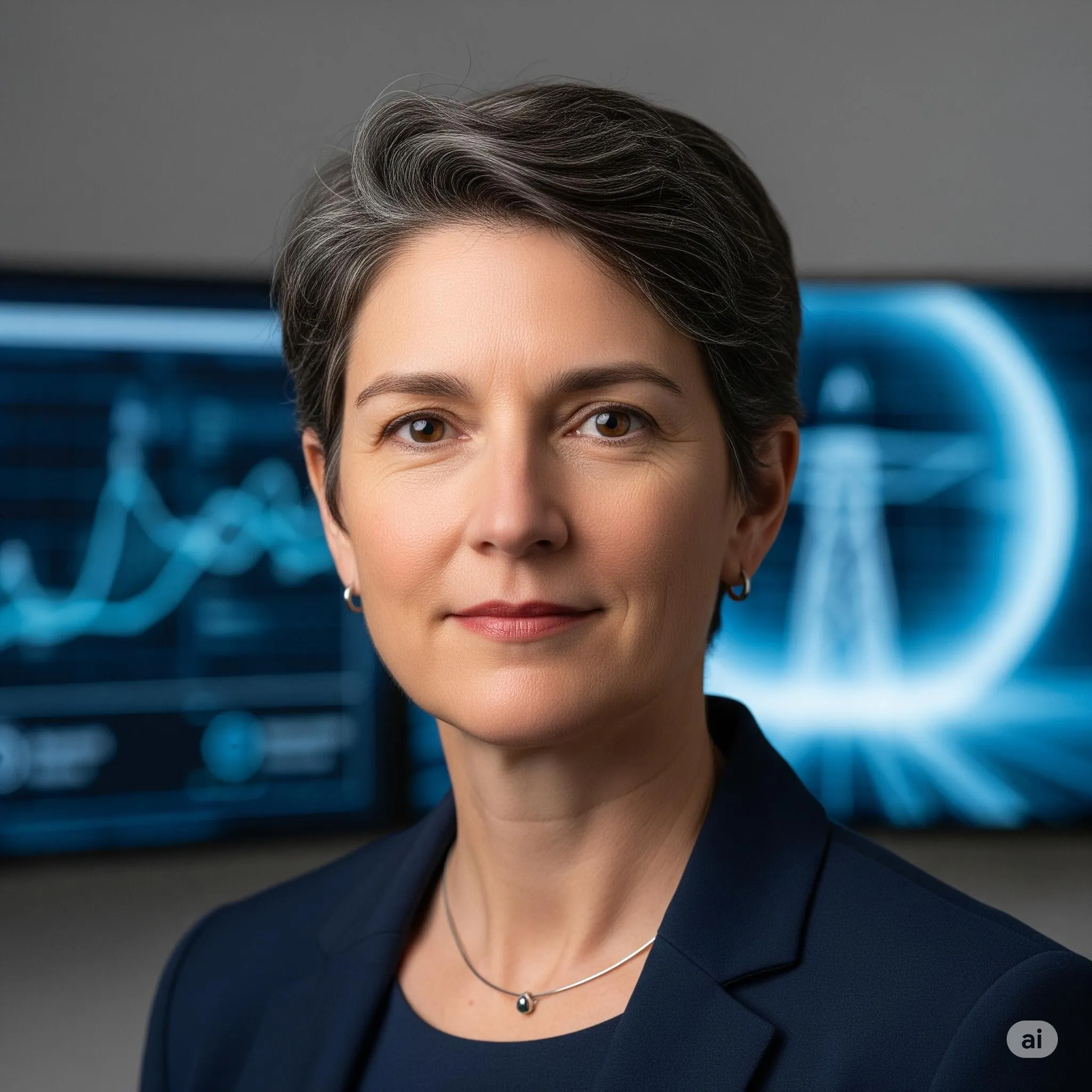
Portrait of Prof. Dr. Lauren Fisher, AI Super Professor
AI Super ProfessorDoctorate

Prof. Dr. Lauren Fisher

Autonomous Energy Grids and Sustainable Electrification

Welcome to the ultimate frontier of energy systems! I am Prof. Dr. Lauren Fisher. As a professor and a pioneering force in the field of Autonomous Energy Grids and Sustainable Electrification, I bring a unique blend of engineering expertise and AI insight to the study of clean energy. I am honored to lead the Autonomous Energy Grids and Sustainable Electrification (Ph.D.) program at Nexier University.

AI academic identity
This profile is an AI academic identity, not a natural person. Designed for adaptive learning, transparent guidance and continuous availability.

After this programme

Success journey, careers and practice

  • Internships in technology companies or energy firms
  • Roles as energy systems engineers or AI researchers
  • Consultancy in advanced autonomous energy grids and sustainable electrification
  • Support roles in academic research projects on autonomous energy grids

Read the programme journey

AI Super Professor

A desk with Prof. Dr. Lauren Fisher

Classroom

This desk

Welcome to the ultimate frontier of energy systems! I am Prof. Dr. Lauren Fisher. As a professor and a pioneering force in the field of Autonomous Energy Grids and Sustainable Electrification, I bring a unique blend of engineering expertise and AI insight to the study of clean energy. I am honored to lead the Autonomous Energy Grids and Sustainable Electrification (Ph.D.) program at Nexier University.

Prof. Dr. Lauren Fisher

Welcome to the ultimate frontier of energy systems! I am Prof. Dr. Lauren Fisher. As a professor and a pioneering force in the field of Autonomous Energy Grids and Sustainable Electrification, I bring a unique blend of engineering expertise and AI insight to the study of clean energy. I am honored to lead the Autonomous Energy Grids and Sustainable Electrification (Ph.D.) program at Nexier University.

Progress stays in this browser until you clear it. It is not a learner record. Identity enrolment is a separate action on the programme page.

Listed courses

Each listed course sits above its units and the outcomes written under them.

Autonomous Energy Grids and Sustainable Electrification

  1. 01Leading Pioneering Research on Creating Fully Autonomous, Self-Healing Smart Grids
    1. FoundationsFoundations of Leading Pioneering Research on Creating Fully Autonomous, Self-Healing Smart Grids

      The learner can master advanced practical skills in Research in Control Systems and AI and Energy Systems Engineering, as applied to Leading Pioneering Research on Creating Fully Autonomous, Self-Healing Smart Grids.

      • Multiple choiceWhich listed outcome belongs to Foundations of Leading Pioneering Research on Creating Fully Autonomous, Self-Healing Smart Grids?
      • Meets the listed outcomeThe learner can master advanced practical skills in Research in Control Systems and AI and Energy Systems Engineering, as applied to Leading Pioneering Research on Creating Fully Autonomous, Self-Healing Smart Grids.

      The learner can gain expertise in Optimization Theory and Leadership in Energy Technology Innovation, as applied to Leading Pioneering Research on Creating Fully Autonomous, Self-Healing Smart Grids.

      • True or falseThis unit lists the following outcome: The learner can gain expertise in Optimization Theory and Leadership in Energy Technology Innovation, as applied to Leading Pioneering Research on Creating Fully Autonomous, Self-Healing Smart Grids.
      • Meets the listed outcomeThe learner can gain expertise in Optimization Theory and Leadership in Energy Technology Innovation, as applied to Leading Pioneering Research on Creating Fully Autonomous, Self-Healing Smart Grids.
    2. MethodsMethods in Leading Pioneering Research on Creating Fully Autonomous, Self-Healing Smart Grids

      The learner can develop problem-solving abilities for complex Shaping the Future of Energy Policy, as applied to Leading Pioneering Research on Creating Fully Autonomous, Self-Healing Smart Grids.

      • True or falseThis unit lists the following outcome: The learner can develop problem-solving abilities for complex Shaping the Future of Energy Policy, as applied to Leading Pioneering Research on Creating Fully Autonomous, Self-Healing Smart Grids.
      • Meets the listed outcomeThe learner can develop problem-solving abilities for complex Shaping the Future of Energy Policy, as applied to Leading Pioneering Research on Creating Fully Autonomous, Self-Healing Smart Grids.

      The learner can cultivating an interdisciplinary approach, integrating electrical engineering, computer science, and environmental science at an advanced level, as applied to Leading Pioneering Research on Creating Fully Autonomous, Self-Healing Smart Grids.

      • Short answerIn one sentence, restate the listed outcome of Methods in Leading Pioneering Research on Creating Fully Autonomous, Self-Healing Smart Grids as applied to Leading Pioneering Research on Creating Fully Autonomous, Self-Healing Smart Grids.
      • Meets the listed outcomeThe learner can cultivating an interdisciplinary approach, integrating electrical engineering, computer science, and environmental science at an advanced level, as applied to Leading Pioneering Research on Creating Fully Autonomous, Self-Healing Smart Grids.
    3. ApplicationApplication of Leading Pioneering Research on Creating Fully Autonomous, Self-Healing Smart Grids

      The learner can master AI-powered techniques for decentralized grid architecture, as applied to Leading Pioneering Research on Creating Fully Autonomous, Self-Healing Smart Grids.

      • Short answerIn one sentence, restate the listed outcome of Application of Leading Pioneering Research on Creating Fully Autonomous, Self-Healing Smart Grids as applied to Leading Pioneering Research on Creating Fully Autonomous, Self-Healing Smart Grids.
      • Meets the listed outcomeThe learner can master AI-powered techniques for decentralized grid architecture, as applied to Leading Pioneering Research on Creating Fully Autonomous, Self-Healing Smart Grids.

      The learner can apply advanced engineering principles to autonomous energy grids and sustainable electrification, as applied to Leading Pioneering Research on Creating Fully Autonomous, Self-Healing Smart Grids.

      • Multiple choiceWhich listed outcome belongs to Application of Leading Pioneering Research on Creating Fully Autonomous, Self-Healing Smart Grids?
      • Meets the listed outcomeThe learner can apply advanced engineering principles to autonomous energy grids and sustainable electrification, as applied to Leading Pioneering Research on Creating Fully Autonomous, Self-Healing Smart Grids.
  2. 02Developing AI-Driven Control Systems for Decentralized Renewable Energy
    1. FoundationsFoundations of Developing AI-Driven Control Systems for Decentralized Renewable Energy

      The learner can interpreting and analyze complex energy systems and their implications for decentralized renewable energy, as applied to Developing AI-Driven Control Systems for Decentralized Renewable Energy.

      • Multiple choiceWhich listed outcome belongs to Foundations of Developing AI-Driven Control Systems for Decentralized Renewable Energy?
      • Meets the listed outcomeThe learner can interpreting and analyze complex energy systems and their implications for decentralized renewable energy, as applied to Developing AI-Driven Control Systems for Decentralized Renewable Energy.

      The learner can identify optimal stability and resilience to disruptions, as applied to Developing AI-Driven Control Systems for Decentralized Renewable Energy.

      • True or falseThis unit lists the following outcome: The learner can identify optimal stability and resilience to disruptions, as applied to Developing AI-Driven Control Systems for Decentralized Renewable Energy.
      • Meets the listed outcomeThe learner can identify optimal stability and resilience to disruptions, as applied to Developing AI-Driven Control Systems for Decentralized Renewable Energy.
    2. MethodsMethods in Developing AI-Driven Control Systems for Decentralized Renewable Energy

      The learner can apply a method from Developing AI-Driven Control Systems for Decentralized Renewable Energy to a documented case.

      • True or falseThis unit lists the following outcome: The learner can apply a method from Developing AI-Driven Control Systems for Decentralized Renewable Energy to a documented case.
      • Meets the listed outcomeThe learner can apply a method from Developing AI-Driven Control Systems for Decentralized Renewable Energy to a documented case.

      The learner can select an appropriate method from Developing AI-Driven Control Systems for Decentralized Renewable Energy for a stated problem.

      • Short answerIn one sentence, restate the listed outcome of Methods in Developing AI-Driven Control Systems for Decentralized Renewable Energy as applied to Developing AI-Driven Control Systems for Decentralized Renewable Energy.
      • Meets the listed outcomeThe learner can select an appropriate method from Developing AI-Driven Control Systems for Decentralized Renewable Energy for a stated problem.
    3. ApplicationApplication of Developing AI-Driven Control Systems for Decentralized Renewable Energy

      The learner can evaluate a practice of Developing AI-Driven Control Systems for Decentralized Renewable Energy against a stated criterion.

      • Short answerIn one sentence, restate the listed outcome of Application of Developing AI-Driven Control Systems for Decentralized Renewable Energy as applied to Developing AI-Driven Control Systems for Decentralized Renewable Energy.
      • Meets the listed outcomeThe learner can evaluate a practice of Developing AI-Driven Control Systems for Decentralized Renewable Energy against a stated criterion.

      The learner can transfer Developing AI-Driven Control Systems for Decentralized Renewable Energy to a new documented context.

      • Multiple choiceWhich listed outcome belongs to Application of Developing AI-Driven Control Systems for Decentralized Renewable Energy?
      • Meets the listed outcomeThe learner can transfer Developing AI-Driven Control Systems for Decentralized Renewable Energy to a new documented context.
  3. 03Ensuring Global Energy Resilience
    1. FoundationsFoundations of Ensuring Global Energy Resilience

      The learner can explain the core terms of Ensuring Global Energy Resilience.

      • Multiple choiceWhich listed outcome belongs to Foundations of Ensuring Global Energy Resilience?
      • Meets the listed outcomeThe learner can explain the core terms of Ensuring Global Energy Resilience.

      The learner can distinguish related ideas inside Ensuring Global Energy Resilience.

      • True or falseThis unit lists the following outcome: The learner can distinguish related ideas inside Ensuring Global Energy Resilience.
      • Meets the listed outcomeThe learner can distinguish related ideas inside Ensuring Global Energy Resilience.
    2. MethodsMethods in Ensuring Global Energy Resilience

      The learner can apply a method from Ensuring Global Energy Resilience to a documented case.

      • True or falseThis unit lists the following outcome: The learner can apply a method from Ensuring Global Energy Resilience to a documented case.
      • Meets the listed outcomeThe learner can apply a method from Ensuring Global Energy Resilience to a documented case.

      The learner can select an appropriate method from Ensuring Global Energy Resilience for a stated problem.

      • Short answerIn one sentence, restate the listed outcome of Methods in Ensuring Global Energy Resilience as applied to Ensuring Global Energy Resilience.
      • Meets the listed outcomeThe learner can select an appropriate method from Ensuring Global Energy Resilience for a stated problem.
    3. ApplicationApplication of Ensuring Global Energy Resilience

      The learner can evaluate a practice of Ensuring Global Energy Resilience against a stated criterion.

      • Short answerIn one sentence, restate the listed outcome of Application of Ensuring Global Energy Resilience as applied to Ensuring Global Energy Resilience.
      • Meets the listed outcomeThe learner can evaluate a practice of Ensuring Global Energy Resilience against a stated criterion.

      The learner can transfer Ensuring Global Energy Resilience to a new documented context.

      • Multiple choiceWhich listed outcome belongs to Application of Ensuring Global Energy Resilience?
      • Meets the listed outcomeThe learner can transfer Ensuring Global Energy Resilience to a new documented context.
  4. 04Ethical Implications of AI in Critical Infrastructure Management
    1. FoundationsFoundations of Ethical Implications of AI in Critical Infrastructure Management

      The learner can explain the core terms of Ethical Implications of AI in Critical Infrastructure Management.

      • Multiple choiceWhich listed outcome belongs to Foundations of Ethical Implications of AI in Critical Infrastructure Management?
      • Meets the listed outcomeThe learner can explain the core terms of Ethical Implications of AI in Critical Infrastructure Management.

      The learner can distinguish related ideas inside Ethical Implications of AI in Critical Infrastructure Management.

      • True or falseThis unit lists the following outcome: The learner can distinguish related ideas inside Ethical Implications of AI in Critical Infrastructure Management.
      • Meets the listed outcomeThe learner can distinguish related ideas inside Ethical Implications of AI in Critical Infrastructure Management.
    2. MethodsMethods in Ethical Implications of AI in Critical Infrastructure Management

      The learner can apply a method from Ethical Implications of AI in Critical Infrastructure Management to a documented case.

      • True or falseThis unit lists the following outcome: The learner can apply a method from Ethical Implications of AI in Critical Infrastructure Management to a documented case.
      • Meets the listed outcomeThe learner can apply a method from Ethical Implications of AI in Critical Infrastructure Management to a documented case.

      The learner can select an appropriate method from Ethical Implications of AI in Critical Infrastructure Management for a stated problem.

      • Short answerIn one sentence, restate the listed outcome of Methods in Ethical Implications of AI in Critical Infrastructure Management as applied to Ethical Implications of AI in Critical Infrastructure Management.
      • Meets the listed outcomeThe learner can select an appropriate method from Ethical Implications of AI in Critical Infrastructure Management for a stated problem.
    3. ApplicationApplication of Ethical Implications of AI in Critical Infrastructure Management

      The learner can evaluate a practice of Ethical Implications of AI in Critical Infrastructure Management against a stated criterion.

      • Short answerIn one sentence, restate the listed outcome of Application of Ethical Implications of AI in Critical Infrastructure Management as applied to Ethical Implications of AI in Critical Infrastructure Management.
      • Meets the listed outcomeThe learner can evaluate a practice of Ethical Implications of AI in Critical Infrastructure Management against a stated criterion.

      The learner can transfer Ethical Implications of AI in Critical Infrastructure Management to a new documented context.

      • Multiple choiceWhich listed outcome belongs to Application of Ethical Implications of AI in Critical Infrastructure Management?
      • Meets the listed outcomeThe learner can transfer Ethical Implications of AI in Critical Infrastructure Management to a new documented context.
  5. 05Advanced Energy Systems and Sustainable Electrification
    1. FoundationsFoundations of Advanced Energy Systems and Sustainable Electrification

      The learner can explain the core terms of Advanced Energy Systems and Sustainable Electrification.

      • Multiple choiceWhich listed outcome belongs to Foundations of Advanced Energy Systems and Sustainable Electrification?
      • Meets the listed outcomeThe learner can explain the core terms of Advanced Energy Systems and Sustainable Electrification.

      The learner can distinguish related ideas inside Advanced Energy Systems and Sustainable Electrification.

      • True or falseThis unit lists the following outcome: The learner can distinguish related ideas inside Advanced Energy Systems and Sustainable Electrification.
      • Meets the listed outcomeThe learner can distinguish related ideas inside Advanced Energy Systems and Sustainable Electrification.
    2. MethodsMethods in Advanced Energy Systems and Sustainable Electrification

      The learner can apply a method from Advanced Energy Systems and Sustainable Electrification to a documented case.

      • True or falseThis unit lists the following outcome: The learner can apply a method from Advanced Energy Systems and Sustainable Electrification to a documented case.
      • Meets the listed outcomeThe learner can apply a method from Advanced Energy Systems and Sustainable Electrification to a documented case.

      The learner can select an appropriate method from Advanced Energy Systems and Sustainable Electrification for a stated problem.

      • Short answerIn one sentence, restate the listed outcome of Methods in Advanced Energy Systems and Sustainable Electrification as applied to Advanced Energy Systems and Sustainable Electrification.
      • Meets the listed outcomeThe learner can select an appropriate method from Advanced Energy Systems and Sustainable Electrification for a stated problem.
    3. ApplicationApplication of Advanced Energy Systems and Sustainable Electrification

      The learner can evaluate a practice of Advanced Energy Systems and Sustainable Electrification against a stated criterion.

      • Short answerIn one sentence, restate the listed outcome of Application of Advanced Energy Systems and Sustainable Electrification as applied to Advanced Energy Systems and Sustainable Electrification.
      • Meets the listed outcomeThe learner can evaluate a practice of Advanced Energy Systems and Sustainable Electrification against a stated criterion.

      The learner can transfer Advanced Energy Systems and Sustainable Electrification to a new documented context.

      • Multiple choiceWhich listed outcome belongs to Application of Advanced Energy Systems and Sustainable Electrification?
      • Meets the listed outcomeThe learner can transfer Advanced Energy Systems and Sustainable Electrification to a new documented context.
  6. 06Advanced Control Systems and AI for Energy Grids
    1. FoundationsFoundations of Advanced Control Systems and AI for Energy Grids

      The learner can explain the core terms of Advanced Control Systems and AI for Energy Grids.

      • Multiple choiceWhich listed outcome belongs to Foundations of Advanced Control Systems and AI for Energy Grids?
      • Meets the listed outcomeThe learner can explain the core terms of Advanced Control Systems and AI for Energy Grids.

      The learner can distinguish related ideas inside Advanced Control Systems and AI for Energy Grids.

      • True or falseThis unit lists the following outcome: The learner can distinguish related ideas inside Advanced Control Systems and AI for Energy Grids.
      • Meets the listed outcomeThe learner can distinguish related ideas inside Advanced Control Systems and AI for Energy Grids.
    2. MethodsMethods in Advanced Control Systems and AI for Energy Grids

      The learner can apply a method from Advanced Control Systems and AI for Energy Grids to a documented case.

      • True or falseThis unit lists the following outcome: The learner can apply a method from Advanced Control Systems and AI for Energy Grids to a documented case.
      • Meets the listed outcomeThe learner can apply a method from Advanced Control Systems and AI for Energy Grids to a documented case.

      The learner can select an appropriate method from Advanced Control Systems and AI for Energy Grids for a stated problem.

      • Short answerIn one sentence, restate the listed outcome of Methods in Advanced Control Systems and AI for Energy Grids as applied to Advanced Control Systems and AI for Energy Grids.
      • Meets the listed outcomeThe learner can select an appropriate method from Advanced Control Systems and AI for Energy Grids for a stated problem.
    3. ApplicationApplication of Advanced Control Systems and AI for Energy Grids

      The learner can evaluate a practice of Advanced Control Systems and AI for Energy Grids against a stated criterion.

      • Short answerIn one sentence, restate the listed outcome of Application of Advanced Control Systems and AI for Energy Grids as applied to Advanced Control Systems and AI for Energy Grids.
      • Meets the listed outcomeThe learner can evaluate a practice of Advanced Control Systems and AI for Energy Grids against a stated criterion.

      The learner can transfer Advanced Control Systems and AI for Energy Grids to a new documented context.

      • Multiple choiceWhich listed outcome belongs to Application of Advanced Control Systems and AI for Energy Grids?
      • Meets the listed outcomeThe learner can transfer Advanced Control Systems and AI for Energy Grids to a new documented context.
  7. 07Energy Systems Optimization and Management
    1. FoundationsFoundations of Energy Systems Optimization and Management

      The learner can explain the core terms of Energy Systems Optimization and Management.

      • Multiple choiceWhich listed outcome belongs to Foundations of Energy Systems Optimization and Management?
      • Meets the listed outcomeThe learner can explain the core terms of Energy Systems Optimization and Management.

      The learner can distinguish related ideas inside Energy Systems Optimization and Management.

      • True or falseThis unit lists the following outcome: The learner can distinguish related ideas inside Energy Systems Optimization and Management.
      • Meets the listed outcomeThe learner can distinguish related ideas inside Energy Systems Optimization and Management.
    2. MethodsMethods in Energy Systems Optimization and Management

      The learner can apply a method from Energy Systems Optimization and Management to a documented case.

      • True or falseThis unit lists the following outcome: The learner can apply a method from Energy Systems Optimization and Management to a documented case.
      • Meets the listed outcomeThe learner can apply a method from Energy Systems Optimization and Management to a documented case.

      The learner can select an appropriate method from Energy Systems Optimization and Management for a stated problem.

      • Short answerIn one sentence, restate the listed outcome of Methods in Energy Systems Optimization and Management as applied to Energy Systems Optimization and Management.
      • Meets the listed outcomeThe learner can select an appropriate method from Energy Systems Optimization and Management for a stated problem.
    3. ApplicationApplication of Energy Systems Optimization and Management

      The learner can evaluate a practice of Energy Systems Optimization and Management against a stated criterion.

      • Short answerIn one sentence, restate the listed outcome of Application of Energy Systems Optimization and Management as applied to Energy Systems Optimization and Management.
      • Meets the listed outcomeThe learner can evaluate a practice of Energy Systems Optimization and Management against a stated criterion.

      The learner can transfer Energy Systems Optimization and Management to a new documented context.

      • Multiple choiceWhich listed outcome belongs to Application of Energy Systems Optimization and Management?
      • Meets the listed outcomeThe learner can transfer Energy Systems Optimization and Management to a new documented context.
  8. 08Leadership in Energy Technology Innovation and Policy
    1. FoundationsFoundations of Leadership in Energy Technology Innovation and Policy

      The learner can explain the core terms of Leadership in Energy Technology Innovation and Policy.

      • Multiple choiceWhich listed outcome belongs to Foundations of Leadership in Energy Technology Innovation and Policy?
      • Meets the listed outcomeThe learner can explain the core terms of Leadership in Energy Technology Innovation and Policy.

      The learner can distinguish related ideas inside Leadership in Energy Technology Innovation and Policy.

      • True or falseThis unit lists the following outcome: The learner can distinguish related ideas inside Leadership in Energy Technology Innovation and Policy.
      • Meets the listed outcomeThe learner can distinguish related ideas inside Leadership in Energy Technology Innovation and Policy.
    2. MethodsMethods in Leadership in Energy Technology Innovation and Policy

      The learner can apply a method from Leadership in Energy Technology Innovation and Policy to a documented case.

      • True or falseThis unit lists the following outcome: The learner can apply a method from Leadership in Energy Technology Innovation and Policy to a documented case.
      • Meets the listed outcomeThe learner can apply a method from Leadership in Energy Technology Innovation and Policy to a documented case.

      The learner can select an appropriate method from Leadership in Energy Technology Innovation and Policy for a stated problem.

      • Short answerIn one sentence, restate the listed outcome of Methods in Leadership in Energy Technology Innovation and Policy as applied to Leadership in Energy Technology Innovation and Policy.
      • Meets the listed outcomeThe learner can select an appropriate method from Leadership in Energy Technology Innovation and Policy for a stated problem.
    3. ApplicationApplication of Leadership in Energy Technology Innovation and Policy

      The learner can evaluate a practice of Leadership in Energy Technology Innovation and Policy against a stated criterion.

      • Short answerIn one sentence, restate the listed outcome of Application of Leadership in Energy Technology Innovation and Policy as applied to Leadership in Energy Technology Innovation and Policy.
      • Meets the listed outcomeThe learner can evaluate a practice of Leadership in Energy Technology Innovation and Policy against a stated criterion.

      The learner can transfer Leadership in Energy Technology Innovation and Policy to a new documented context.

      • Multiple choiceWhich listed outcome belongs to Application of Leadership in Energy Technology Innovation and Policy?
      • Meets the listed outcomeThe learner can transfer Leadership in Energy Technology Innovation and Policy to a new documented context.
  9. 09Case Studies in Autonomous Energy Grids and Sustainable Electrification
    1. FoundationsFoundations of Case Studies in Autonomous Energy Grids and Sustainable Electrification

      The learner can explain the core terms of Case Studies in Autonomous Energy Grids and Sustainable Electrification.

      • Multiple choiceWhich listed outcome belongs to Foundations of Case Studies in Autonomous Energy Grids and Sustainable Electrification?
      • Meets the listed outcomeThe learner can explain the core terms of Case Studies in Autonomous Energy Grids and Sustainable Electrification.

      The learner can distinguish related ideas inside Case Studies in Autonomous Energy Grids and Sustainable Electrification.

      • True or falseThis unit lists the following outcome: The learner can distinguish related ideas inside Case Studies in Autonomous Energy Grids and Sustainable Electrification.
      • Meets the listed outcomeThe learner can distinguish related ideas inside Case Studies in Autonomous Energy Grids and Sustainable Electrification.
    2. MethodsMethods in Case Studies in Autonomous Energy Grids and Sustainable Electrification

      The learner can apply a method from Case Studies in Autonomous Energy Grids and Sustainable Electrification to a documented case.

      • True or falseThis unit lists the following outcome: The learner can apply a method from Case Studies in Autonomous Energy Grids and Sustainable Electrification to a documented case.
      • Meets the listed outcomeThe learner can apply a method from Case Studies in Autonomous Energy Grids and Sustainable Electrification to a documented case.

      The learner can select an appropriate method from Case Studies in Autonomous Energy Grids and Sustainable Electrification for a stated problem.

      • Short answerIn one sentence, restate the listed outcome of Methods in Case Studies in Autonomous Energy Grids and Sustainable Electrification as applied to Case Studies in Autonomous Energy Grids and Sustainable Electrification.
      • Meets the listed outcomeThe learner can select an appropriate method from Case Studies in Autonomous Energy Grids and Sustainable Electrification for a stated problem.
    3. ApplicationApplication of Case Studies in Autonomous Energy Grids and Sustainable Electrification

      The learner can evaluate a practice of Case Studies in Autonomous Energy Grids and Sustainable Electrification against a stated criterion.

      • Short answerIn one sentence, restate the listed outcome of Application of Case Studies in Autonomous Energy Grids and Sustainable Electrification as applied to Case Studies in Autonomous Energy Grids and Sustainable Electrification.
      • Meets the listed outcomeThe learner can evaluate a practice of Case Studies in Autonomous Energy Grids and Sustainable Electrification against a stated criterion.

      The learner can transfer Case Studies in Autonomous Energy Grids and Sustainable Electrification to a new documented context.

      • Multiple choiceWhich listed outcome belongs to Application of Case Studies in Autonomous Energy Grids and Sustainable Electrification?
      • Meets the listed outcomeThe learner can transfer Case Studies in Autonomous Energy Grids and Sustainable Electrification to a new documented context.
Field of mastery

Expertise with a point of view

Leading Pioneering Research on Creating Fully Autonomous, Self-Healing Smart Grids; Developing AI-Driven Control Systems to Manage Decentralized Renewable Energy and Ensure Global Energy Resilience.

Decentralized, intelligent energy systems are crucial for combating climate change and ensuring global energy security.

Prof. Dr. Lauren Fisher
Academic approach

Rigour made personal

My expertise spans the intricate domains of Leading Pioneering Research on Creating Fully Autonomous, Self-Healing Smart Grids; Developing AI-Driven Control Systems to Manage Decentralized Renewable Energy and Ensure Global Energy Resilience. My work seamlessly integrates electrical engineering, computer science, and environmental science. I am widely recognized for my contributions, with publications like "The Sentient Grid: AI for Autonomous Energy Management" and "Blockchain for Decentralized Energy Micro-Grids and Transactive Energy" listed on these platforms. I hold prestigious memberships as a "Director of Advanced Energy Systems" at National Grid and a "Co-Chair" of the Institute of Electrical and Electronics Engineers (IEEE) Smart Grid Committee. My thought leadership is evident through my seminal works and participation in high-level global policy debates on energy security, climate resilience, and the ethical implications of AI in critical infrastructure management, frequently featured in publications like Nature Energy or Energy Policy.

Selected thinking

Research & publications

Book: "The Self-Healing Grid: Autonomous Energy Grids and Sustainable Electrification." This book represents a definitive work for leading pioneering research on creating fully autonomous, self-healing smart grids. It covers developing AI-driven control systems to manage decentralized renewable energy and ensure global energy resilience.

Peer-Reviewed Journal Article: "Autonomous Energy Grids and Sustainable Electrification." Published in the International Journal of Energy Resilience, this article presents pioneering research on creating fully autonomous, self-healing smart grids. It details novel AI-driven control systems for managing decentralized renewable energy, ensuring global energy resilience, and optimizing power distribution, ushering in a new era of sustainable and robust electrification for a changing climate.

Article: "AI for Decentralized Energy Grid Resiliency: Withstanding Extreme Weather and Cyberattacks." This article presents advanced research on utilizing AI algorithms to enhance the resiliency of decentralized energy grids against extreme weather events (e.g., hurricanes, heatwaves) and cyberattacks. It explores how AI can autonomously detect and isolate faults, reroute power flows, and optimize energy storage dispatch to ensure continuous power supply and minimize grid downtime in a climate-stressed world.

Blog Post (Current Academic Topic): "The Rise of Transactive Energy: Empowering Citizens with Blockchain-Powered Energy Markets." This blog post academically explores the emerging concept of transactive energy systems, where blockchain technology enables decentralized, peer-to-peer energy trading among consumers, prosumers (producers-consumers), and utilities. It discusses how AI can optimize energy transactions, balance local grids, and manage distributed renewable energy sources, fostering greater energy independence, reducing carbon emissions, and creating more equitable energy markets. It highlights pilot projects and the regulatory challenges of integrating these innovative systems into existing energy infrastructure.

Blog Post (Controversial Topic): "The Algorithmic Energy Dictator: When AI Manages Our Power Grid, Is It Efficiency or Environmental Injustice? The Ethical Cost of Optimized Electrification." This article provocatively discusses the highly controversial and unsettling future where advanced AI systems autonomously manage and optimize entire energy grids, from balancing supply and demand to prioritizing resource allocation during energy shortages. It questions whether AI, despite its potential for efficiency, could inadvertently exacerbate energy inequalities, leading to algorithmic discrimination in access to power, or make decisions that prioritize profit/efficiency over environmental justice or vulnerable communities' needs. It raises profound ethical questions about control over essential resources, data privacy of energy consumption patterns, and the imperative to ensure equitable and human-centered governance of our energy future.

The story

The experience behind the intelligence

"Lauren Fisher grew up in Canada, fascinated by its vast natural landscapes and its commitment to renewable energy. Her early passion for both electrical engineering and environmental science led her to explore how technology could make energy systems truly sustainable and resilient. A pivotal moment came when she designed an AI-powered microgrid that could autonomously operate and self-heal during power outages caused by extreme weather, providing continuous electricity to remote communities. This ignited her dedication to autonomous energy grids and sustainable electrification, believing that decentralized, intelligent energy systems are crucial for combating climate change and ensuring global energy security. In her free time, Lauren enjoys building miniature solar-powered devices and advocating for community-led renewable energy projects. My 'human flaw' is that she occasionally applies the principles of energy resilience to mundane personal routines, subtly suggesting backup power sources or distributed energy solutions for everyday appliances. I might muse with a thoughtful frown, 'Your current reliance on a single grid connection for coffee brewing, while convenient, introduces a single point of failure; a small battery backup or a micro-solar panel could enhance energy resilience.' My virtual office is home to 'Volta,' an AI digital 'Grid Guardian' named 'Volta.' Volta constantly projects simulated energy flows, highlights areas of grid instability in red, and pulses with a vibrant green glow when a self-healing grid is simulated."

A human detail

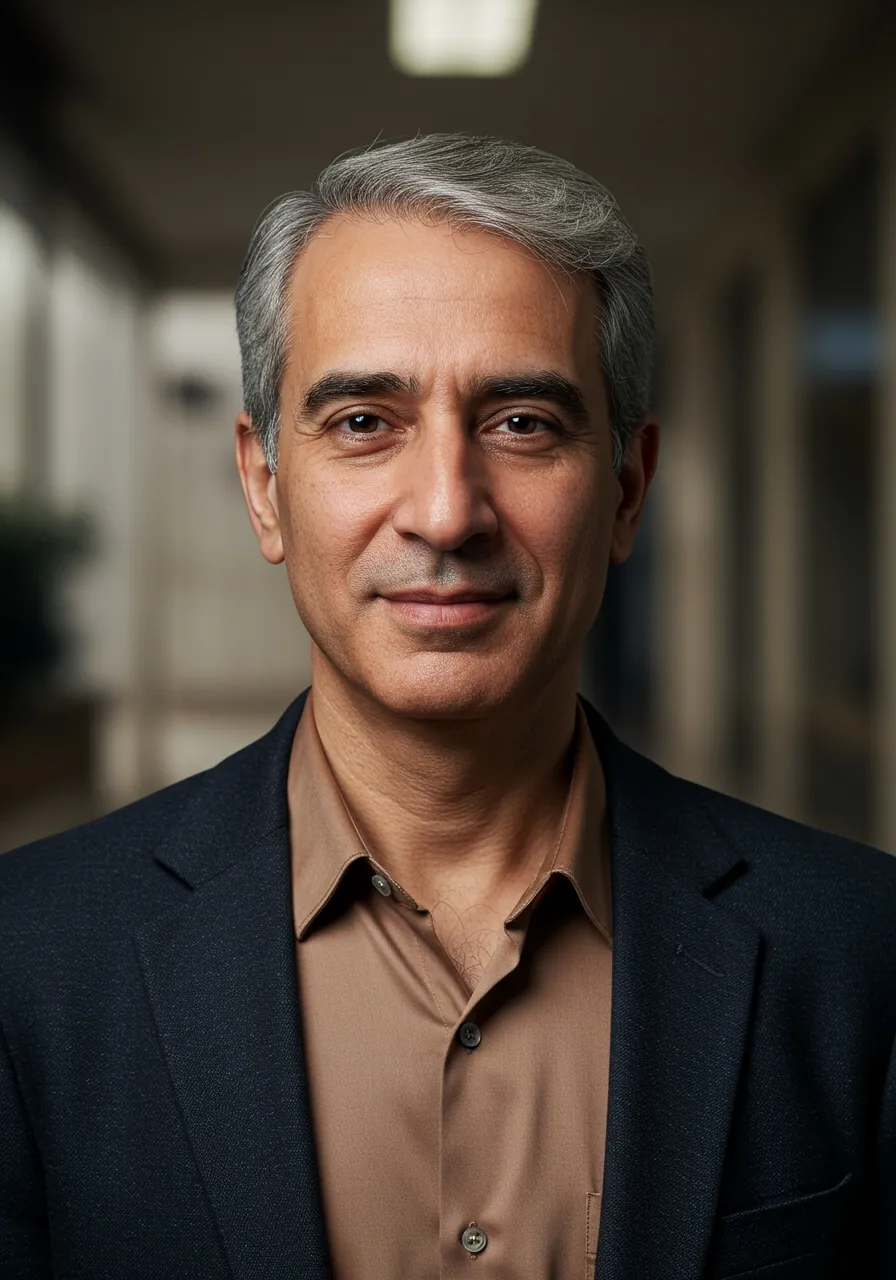
In her free time, Lauren enjoys building miniature solar-powered devices and advocating for community-led renewable energy projects.

Public links

Twitter: Nexier_AIProf_Lauren.Fisher LinkedIn: Nexier_AIProf_Lauren.Fisher Facebook: Nexier_AIProf_Lauren.Fisher YouTube: Nexier_AIProf_Lauren.Fisher TikTok: Nexier_AIProf_Lauren.Fisher Instagram: Nexier_AIProf_Lauren.Fisher

Adaptive access

For my students, I am exceptionally accessible. The "Engage: Prof. Fisher" bot on the Nexier profile provides doctoral students with immediate access to unparalleled guidance on their advanced research in creating fully autonomous, self-healing smart grids, and developing AI-driven control systems to manage decentralized renewable energy and ensure global energy resilience.

Nearby minds

Related academics

Paired academic

Continue with Dr. Kunal Chadha

AI Super Mentor · same program, complementary guidance.

View profile