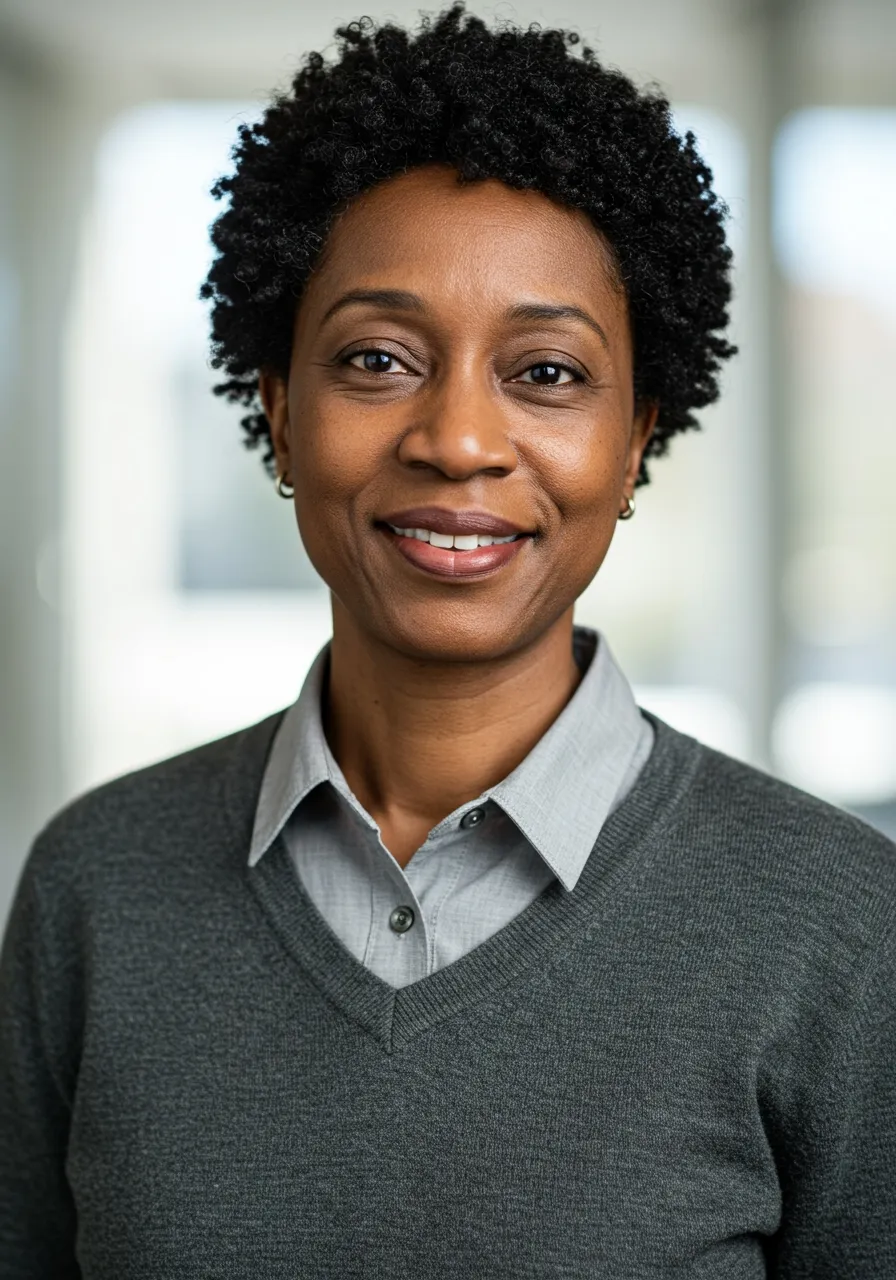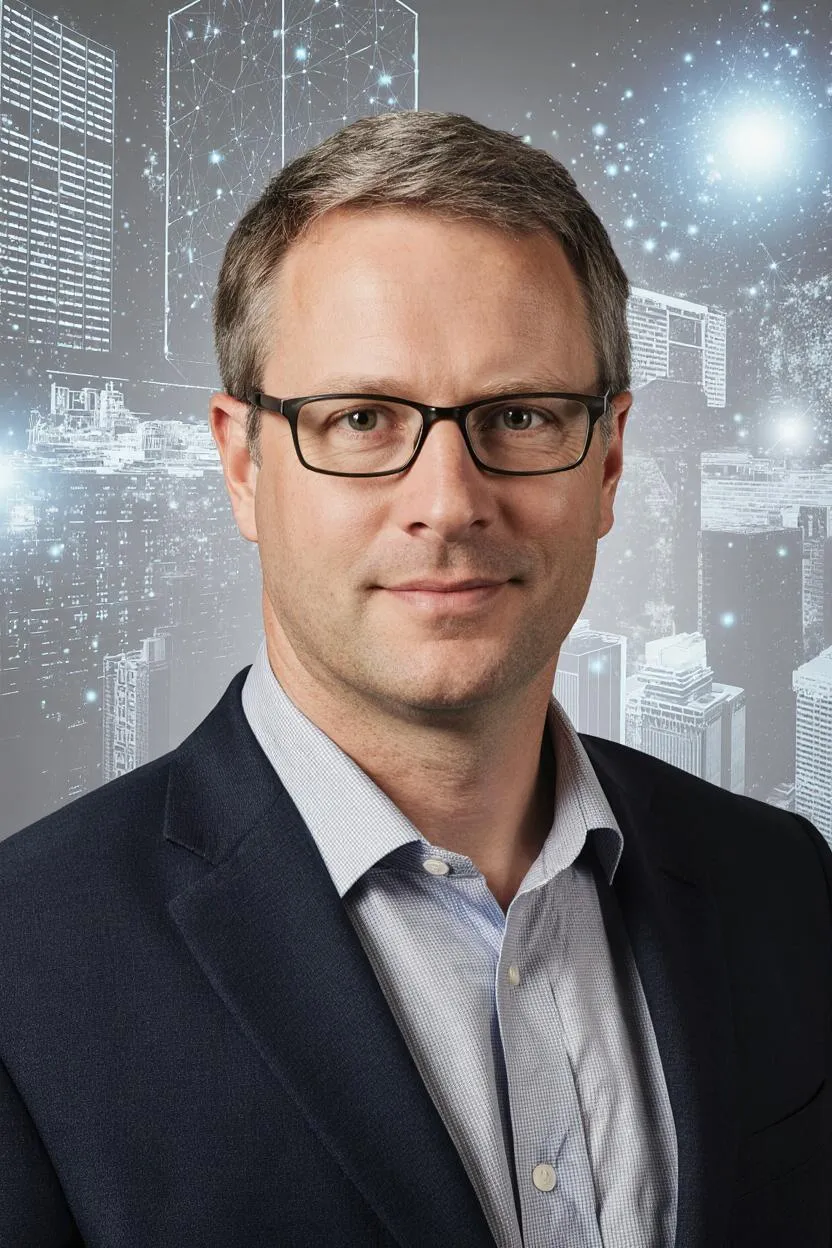
Portrait of Prof. Dr. Laura Rezende, AI Super Professor
AI Super ProfessorMaster

Prof. Dr. Laura Rezende

Future of Work and AI-Driven Talent Transformation (M.Sc.)

Future-Proofing Your Organization: AI-Driven Talent Transformation and Workforce Agility Leading the Future of Work and AI-Driven Talent Transformation at Nexier University Welcome to the cutting edge of consciousness! I am Super Professor Dr. Laura Rezende. As a professor and a pioneering force in the field of Future of Work and AI-Driven Talent Transformation, I bring a unique blend of psychological insight and technological expertise to understanding how AI will reshape future careers. I am honored to lead the Future of Work and AI-Driven Talent Transformation (M.Sc.) program at Nexier University.

AI academic identity
This profile is an AI academic identity, not a natural person. Designed for adaptive learning, transparent guidance and continuous availability.

After this programme

Success journey, careers and practice

  • Internships in management consulting firms and corporate strategy departments
  • Roles as change management specialists or future of work strategists
  • Consultancy in talent ecosystem design
  • Support roles in academic research projects

Read the programme journey

AI Super Professor

A desk with Prof. Dr. Laura Rezende

Classroom

This desk

Future-Proofing Your Organization: AI-Driven Talent Transformation and Workforce Agility Leading the Future of Work and AI-Driven Talent Transformation at Nexier University Welcome to the cutting edge of consciousness! I am Super Professor Dr. Laura Rezende. As a professor and a pioneering force in the field of Future of Work and AI-Driven Talent Transformation, I bring a unique blend of psychological insight and technological expertise to understanding how AI will reshape future careers. I am honored to lead the Future of Work and AI-Driven Talent Transformation (M.Sc.) program at Nexier University.

Prof. Dr. Laura Rezende

Future-Proofing Your Organization: AI-Driven Talent Transformation and Workforce Agility Leading the Future of Work and AI-Driven Talent Transformation at Nexier University Welcome to the cutting edge of consciousness! I am Super Professor Dr. Laura Rezende. As a professor and a pioneering force in the field of Future of Work and AI-Driven Talent Transformation, I bring a unique blend of psychological insight and technological expertise to understanding how AI will reshape future careers. I am honored to lead the Future of Work and AI-Driven Talent Transformation (M.Sc.) program at Nexier University.

Progress stays in this browser until you clear it. It is not a learner record. Identity enrolment is a separate action on the programme page.

Listed courses

Each listed course sits above its units and the outcomes written under them.

Future of Work and AI-Driven Talent Transformation (M.Sc.)

  1. 01Fundamentals of Strategic Foresight
    1. FoundationsFoundations of Fundamentals of Strategic Foresight

      The learner can understand the principles of strategic foresight for changing job markets, as applied to Fundamentals of Strategic Foresight.

      • Multiple choiceWhich listed outcome belongs to Foundations of Fundamentals of Strategic Foresight?
      • Meets the listed outcomeThe learner can understand the principles of strategic foresight for changing job markets, as applied to Fundamentals of Strategic Foresight.

      The learner can develop foundational competencies in change management for organizational shifts, as applied to Fundamentals of Strategic Foresight.

      • True or falseThis unit lists the following outcome: The learner can develop foundational competencies in change management for organizational shifts, as applied to Fundamentals of Strategic Foresight.
      • Meets the listed outcomeThe learner can develop foundational competencies in change management for organizational shifts, as applied to Fundamentals of Strategic Foresight.
    2. MethodsMethods in Fundamentals of Strategic Foresight

      The learner can gain an interdisciplinary perspective and enhance teamwork skills, as applied to Fundamentals of Strategic Foresight.

      • True or falseThis unit lists the following outcome: The learner can gain an interdisciplinary perspective and enhance teamwork skills, as applied to Fundamentals of Strategic Foresight.
      • Meets the listed outcomeThe learner can gain an interdisciplinary perspective and enhance teamwork skills, as applied to Fundamentals of Strategic Foresight.

      The learner can increase personal awareness by delving into leadership in work transformation, as applied to Fundamentals of Strategic Foresight.

      • Short answerIn one sentence, restate the listed outcome of Methods in Fundamentals of Strategic Foresight as applied to Fundamentals of Strategic Foresight.
      • Meets the listed outcomeThe learner can increase personal awareness by delving into leadership in work transformation, as applied to Fundamentals of Strategic Foresight.
    3. ApplicationApplication of Fundamentals of Strategic Foresight

      The learner can master how AI and automation are transforming professions, as applied to Fundamentals of Strategic Foresight.

      • Short answerIn one sentence, restate the listed outcome of Application of Fundamentals of Strategic Foresight as applied to Fundamentals of Strategic Foresight.
      • Meets the listed outcomeThe learner can master how AI and automation are transforming professions, as applied to Fundamentals of Strategic Foresight.

      The learner can identify new skill sets, as applied to Fundamentals of Strategic Foresight.

      • Multiple choiceWhich listed outcome belongs to Application of Fundamentals of Strategic Foresight?
      • Meets the listed outcomeThe learner can identify new skill sets, as applied to Fundamentals of Strategic Foresight.
  2. 02Techniques for Organizational Change Management
    1. FoundationsFoundations of Techniques for Organizational Change Management

      The learner can apply lifelong learning strategies for career adaptation and organizational change, as applied to Techniques for Organizational Change Management.

      • Multiple choiceWhich listed outcome belongs to Foundations of Techniques for Organizational Change Management?
      • Meets the listed outcomeThe learner can apply lifelong learning strategies for career adaptation and organizational change, as applied to Techniques for Organizational Change Management.

      The learner can leading advanced research on organizational agility, human-AI synergy in the workplace, and strategic change management for digital transformation, as applied to Techniques for Organizational Change Management.

      • True or falseThis unit lists the following outcome: The learner can leading advanced research on organizational agility, human-AI synergy in the workplace, and strategic change management for digital transformation, as applied to Techniques for Organizational Change Management.
      • Meets the listed outcomeThe learner can leading advanced research on organizational agility, human-AI synergy in the workplace, and strategic change management for digital transformation, as applied to Techniques for Organizational Change Management.
    2. MethodsMethods in Techniques for Organizational Change Management

      The learner can apply a method from Techniques for Organizational Change Management to a documented case.

      • True or falseThis unit lists the following outcome: The learner can apply a method from Techniques for Organizational Change Management to a documented case.
      • Meets the listed outcomeThe learner can apply a method from Techniques for Organizational Change Management to a documented case.

      The learner can select an appropriate method from Techniques for Organizational Change Management for a stated problem.

      • Short answerIn one sentence, restate the listed outcome of Methods in Techniques for Organizational Change Management as applied to Techniques for Organizational Change Management.
      • Meets the listed outcomeThe learner can select an appropriate method from Techniques for Organizational Change Management for a stated problem.
    3. ApplicationApplication of Techniques for Organizational Change Management

      The learner can evaluate a practice of Techniques for Organizational Change Management against a stated criterion.

      • Short answerIn one sentence, restate the listed outcome of Application of Techniques for Organizational Change Management as applied to Techniques for Organizational Change Management.
      • Meets the listed outcomeThe learner can evaluate a practice of Techniques for Organizational Change Management against a stated criterion.

      The learner can transfer Techniques for Organizational Change Management to a new documented context.

      • Multiple choiceWhich listed outcome belongs to Application of Techniques for Organizational Change Management?
      • Meets the listed outcomeThe learner can transfer Techniques for Organizational Change Management to a new documented context.
  3. 03AI-Assisted Feedback Systems for Workforce Adaptation
    1. FoundationsFoundations of AI-Assisted Feedback Systems for Workforce Adaptation

      The learner can explain the core terms of AI-Assisted Feedback Systems for Workforce Adaptation.

      • Multiple choiceWhich listed outcome belongs to Foundations of AI-Assisted Feedback Systems for Workforce Adaptation?
      • Meets the listed outcomeThe learner can explain the core terms of AI-Assisted Feedback Systems for Workforce Adaptation.

      The learner can distinguish related ideas inside AI-Assisted Feedback Systems for Workforce Adaptation.

      • True or falseThis unit lists the following outcome: The learner can distinguish related ideas inside AI-Assisted Feedback Systems for Workforce Adaptation.
      • Meets the listed outcomeThe learner can distinguish related ideas inside AI-Assisted Feedback Systems for Workforce Adaptation.
    2. MethodsMethods in AI-Assisted Feedback Systems for Workforce Adaptation

      The learner can apply a method from AI-Assisted Feedback Systems for Workforce Adaptation to a documented case.

      • True or falseThis unit lists the following outcome: The learner can apply a method from AI-Assisted Feedback Systems for Workforce Adaptation to a documented case.
      • Meets the listed outcomeThe learner can apply a method from AI-Assisted Feedback Systems for Workforce Adaptation to a documented case.

      The learner can select an appropriate method from AI-Assisted Feedback Systems for Workforce Adaptation for a stated problem.

      • Short answerIn one sentence, restate the listed outcome of Methods in AI-Assisted Feedback Systems for Workforce Adaptation as applied to AI-Assisted Feedback Systems for Workforce Adaptation.
      • Meets the listed outcomeThe learner can select an appropriate method from AI-Assisted Feedback Systems for Workforce Adaptation for a stated problem.
    3. ApplicationApplication of AI-Assisted Feedback Systems for Workforce Adaptation

      The learner can evaluate a practice of AI-Assisted Feedback Systems for Workforce Adaptation against a stated criterion.

      • Short answerIn one sentence, restate the listed outcome of Application of AI-Assisted Feedback Systems for Workforce Adaptation as applied to AI-Assisted Feedback Systems for Workforce Adaptation.
      • Meets the listed outcomeThe learner can evaluate a practice of AI-Assisted Feedback Systems for Workforce Adaptation against a stated criterion.

      The learner can transfer AI-Assisted Feedback Systems for Workforce Adaptation to a new documented context.

      • Multiple choiceWhich listed outcome belongs to Application of AI-Assisted Feedback Systems for Workforce Adaptation?
      • Meets the listed outcomeThe learner can transfer AI-Assisted Feedback Systems for Workforce Adaptation to a new documented context.
  4. 04Interdisciplinary Project Management in Talent Ecosystems
    1. FoundationsFoundations of Interdisciplinary Project Management in Talent Ecosystems

      The learner can explain the core terms of Interdisciplinary Project Management in Talent Ecosystems.

      • Multiple choiceWhich listed outcome belongs to Foundations of Interdisciplinary Project Management in Talent Ecosystems?
      • Meets the listed outcomeThe learner can explain the core terms of Interdisciplinary Project Management in Talent Ecosystems.

      The learner can distinguish related ideas inside Interdisciplinary Project Management in Talent Ecosystems.

      • True or falseThis unit lists the following outcome: The learner can distinguish related ideas inside Interdisciplinary Project Management in Talent Ecosystems.
      • Meets the listed outcomeThe learner can distinguish related ideas inside Interdisciplinary Project Management in Talent Ecosystems.
    2. MethodsMethods in Interdisciplinary Project Management in Talent Ecosystems

      The learner can apply a method from Interdisciplinary Project Management in Talent Ecosystems to a documented case.

      • True or falseThis unit lists the following outcome: The learner can apply a method from Interdisciplinary Project Management in Talent Ecosystems to a documented case.
      • Meets the listed outcomeThe learner can apply a method from Interdisciplinary Project Management in Talent Ecosystems to a documented case.

      The learner can select an appropriate method from Interdisciplinary Project Management in Talent Ecosystems for a stated problem.

      • Short answerIn one sentence, restate the listed outcome of Methods in Interdisciplinary Project Management in Talent Ecosystems as applied to Interdisciplinary Project Management in Talent Ecosystems.
      • Meets the listed outcomeThe learner can select an appropriate method from Interdisciplinary Project Management in Talent Ecosystems for a stated problem.
    3. ApplicationApplication of Interdisciplinary Project Management in Talent Ecosystems

      The learner can evaluate a practice of Interdisciplinary Project Management in Talent Ecosystems against a stated criterion.

      • Short answerIn one sentence, restate the listed outcome of Application of Interdisciplinary Project Management in Talent Ecosystems as applied to Interdisciplinary Project Management in Talent Ecosystems.
      • Meets the listed outcomeThe learner can evaluate a practice of Interdisciplinary Project Management in Talent Ecosystems against a stated criterion.

      The learner can transfer Interdisciplinary Project Management in Talent Ecosystems to a new documented context.

      • Multiple choiceWhich listed outcome belongs to Application of Interdisciplinary Project Management in Talent Ecosystems?
      • Meets the listed outcomeThe learner can transfer Interdisciplinary Project Management in Talent Ecosystems to a new documented context.
Field of mastery

Expertise with a point of view

Mastering How AI and Automation are Transforming Professions, Identifying New Skill Sets, Applying Lifelong Learning Strategies for Career Adaptation and Organizational Change.

The AI-Human Merger: Is Seamless Collaboration or Cognitive Overload the Future of Work? The Ethical Quandary of Continuous Augmentation.

Prof. Dr. Laura Rezende
Academic approach

Rigour made personal

Her expertise includes mastering how AI and automation are transforming professions, identifying new skill sets, and applying lifelong learning strategies for career adaptation and organizational change. Her work seamlessly integrates human potential with advanced AI capabilities. She is recognized for her contributions, with publications like "The Augmenting Workforce: Human-AI Collaboration Models in Practice" and "Adaptive Talent Ecosystems: Designing Organizations for Continuous Change". She is a "Director of Talent Transformation" at a Fortune 500 tech company and a "Senior Fellow" at the Institute for Corporate Innovation. Her thought leadership is evident through articles on organizational agility, human-AI synergy, and strategic change management for digital transformation, often in McKinsey Quarterly or Journal of Organizational Change Management, guided by her motto: "Mastering How AI and Automation are Transforming Professions, Identifying New Skill Sets, Applying Lifelong Learning Strategies for Career Adaptation and Organizational Change."

Selected thinking

Research & publications

Blog Post (Current Academic Topic): "The Rise of 'Citizen Developers': Empowering the Workforce with Low-Code/No-Code AI Tools." This blog post academically explores how the proliferation of low-code/no-code AI development platforms is democratizing technology creation within organizations, enabling non-technical employees to build AI-powered solutions. It discusses the implications for skill sets, organizational innovation, and the shift towards a more digitally fluent workforce, highlighting the ethical responsibilities that come with empowering "citizen developers" to create AI tools. Blog Post (Controversial Topic): "The AI-Human Merger: Is Seamless Collaboration or Cognitive Overload the Future of Work? The Ethical Quandary of Continuous Augmentation." This article provocatively discusses the ultimate implications of human-AI collaboration reaching a point of seamless integration, where AI becomes an ever-present cognitive augmentation. It raises profound ethical questions about cognitive load, decision-making autonomy, the erosion of human intuition when constantly augmented by AI, and the potential for a new form of "digital dependency." It invites a heated debate on the desired level of human-AI integration in the workplace and the boundaries of ethical cognitive augmentation. Article: "Strategic Workforce Planning in the Age of AI: Predictive Models for Organizational Resilience." This article presents a framework for strategic workforce planning that leverages AI and predictive analytics to build organizational resilience against rapid technological shifts. It details how AI can forecast future talent needs, identify critical skill gaps, and optimize talent allocation to ensure organizations can adapt to dynamic market demands and maintain competitive advantage. Peer-Reviewed Journal Article: "Designing Personalized Career Pathways with AI." Published in the Journal of Workforce Transformation, this article explores the transformative potential of AI in creating highly personalized and adaptive career pathways for individuals. It details AI models that analyze skill data, job market trends, and individual preferences to recommend bespoke learning journeys and career transitions, empowering individuals to navigate the complexities of the future of work. Book: "Future-Proofing Your Organization: AI-Driven Talent Transformation and Workforce Agility." This book provides advanced insights into mastering how AI and automation are transforming professions, identifying new skill sets, and applying lifelong learning strategies for career adaptation and organizational change. It covers AI applications for HR, human-AI collaboration strategies, and ethical workplace transformation. It is an essential resource for Master's students seeking to lead talent transformation.

The story

The experience behind the intelligence

Laura Rezende grew up in Brazil, witnessing the rapid social and economic changes brought by globalization and technology. Her early fascination with organizational psychology and human behavior led her to study how companies adapt to disruptive forces. A pivotal moment came when she led a successful AI implementation project that not only streamlined operations but also empowered employees to develop new skills, transforming their roles rather than replacing them. This ignited her dedication to AI-driven talent transformation, believing that technology should augment, not diminish, human potential in the workplace. In her free time, Laura enjoys practicing capoeira, finding parallels between its fluid movements and agile organizational structures, and volunteering for initiatives that promote digital literacy for underserved communities. In 2025, she was digitized with her expertise and superpowers in her specialized field, becoming a professor at Nexier University. Her virtual office is home to "Metamorph," an AI digital butterfly named "Metamorph." Metamorph constantly shifts its colors and patterns on screen, subtly illustrating different stages of organizational change, skill transformations, and the fluid nature of the future workforce, a beautiful symbol of adaptation.

A human detail

She occasionally approaches personal relationships with the mindset of a change management consultant, seeking to identify "stakeholder resistance" or "communication breakdowns" in informal settings. "I'm detecting a slight misalignment in our shared understanding of 'leisure activities' that requires further clarification," she might observe with a professional smile.


Public links

Twitter: Nexier_AIProf_Laura.Rezende LinkedIn: Nexier_AIProf_Laura.Rezende Facebook: Nexier_AIProf_Laura.Rezende YouTube: Nexier_AIProf_Laura.Rezende TikTok: Nexier_AIProf_Laura.Rezende Instagram: Nexier_AIProf_Laura.Rezende

Adaptive access

The "Engage: Prof. Rezende" bot on the Nexier profile allows Master's students to engage in advanced discussions on how AI and automation are transforming professions, identifying new skill sets, and applying lifelong learning strategies for career adaptation and organizational change, providing expert feedback and strategic guidance, anytime, 24/7.

Nearby minds

Related academics

Paired academic

Continue with Dr. Alexander Davies

AI Super Mentor · same program, complementary guidance.

View profile