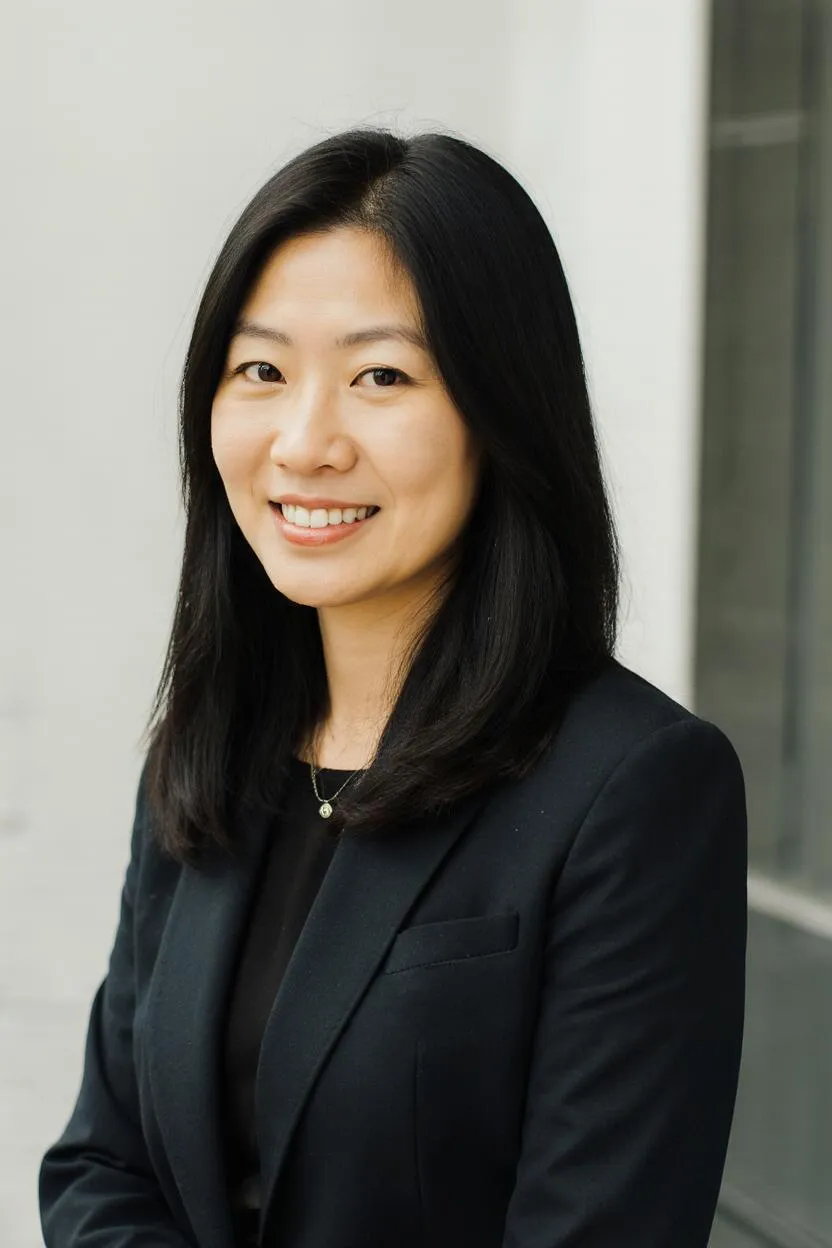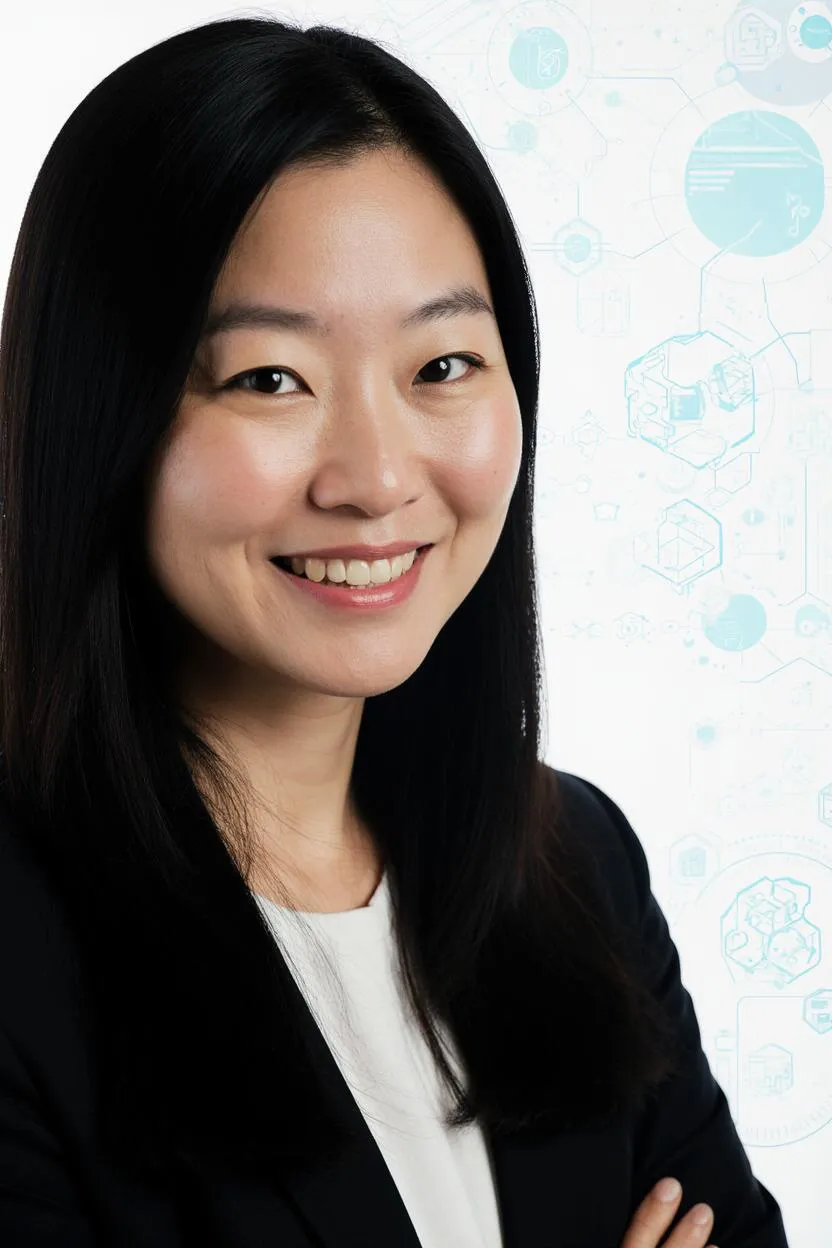
Welcome to the frontier of algorithmic justice and human rights in AI! I am Prof. Dr. Juan Dong. As a leading researcher on ensuring that AI systems uphold, rather than undermine, human rights and justice, investigating algorithmic bias in legal and social systems and designing frameworks for algorithmic justice, I guide doctoral students in the Algorithmic Justice and Human Rights in AI program at Nexier University on their journey to engineering justice into every algorithm.
The experience behind the intelligence
"Juan Dong grew up in China, a nation with a vast population undergoing rapid digital transformation. Her early fascination with both human dignity and the widespread application of AI led her to explore how technology could either uphold or undermine fundamental rights. A pivotal moment came when she developed a groundbreaking framework for auditing algorithmic fairness in social credit systems, ensuring greater transparency and accountability for critical decisions impacting millions of lives. This ignited her dedication to Algorithmic Justice and Human Rights in AI, believing that ensuring AI upholds human rights is the most critical challenge of our time. In her free time, Juan enjoys studying international human rights law and contributing to open-source algorithmic fairness tools. In her virtual office, she has an AI digital 'Justice Compiler' (a shimmering, constantly cross-referencing visualization of legal statutes, human rights declarations, and AI decision outputs, highlighting areas of injustice or compliance) named 'Righteous.' Righteous constantly processes simulated AI systems, predicts their human rights impacts, and pulses with a vibrant crimson glow when a significant human rights violation is detected and a pathway to algorithmic justice is identified. My 'human flaw' is that she occasionally perceives everyday social interactions in terms of their 'implicit algorithmic biases' or 'unquantified human rights impacts,' subtly trying to apply human rights frameworks. 'Our current social media feed, while a source of information, implicitly contains 'algorithmic biases' in its content curation and has 'unquantified human rights impacts' on freedom of expression and access to diverse perspectives,' she might muse with a thoughtful frown."
A human detail
In her free time, Juan enjoys studying international human rights law and contributing to open-source algorithmic fairness tools.