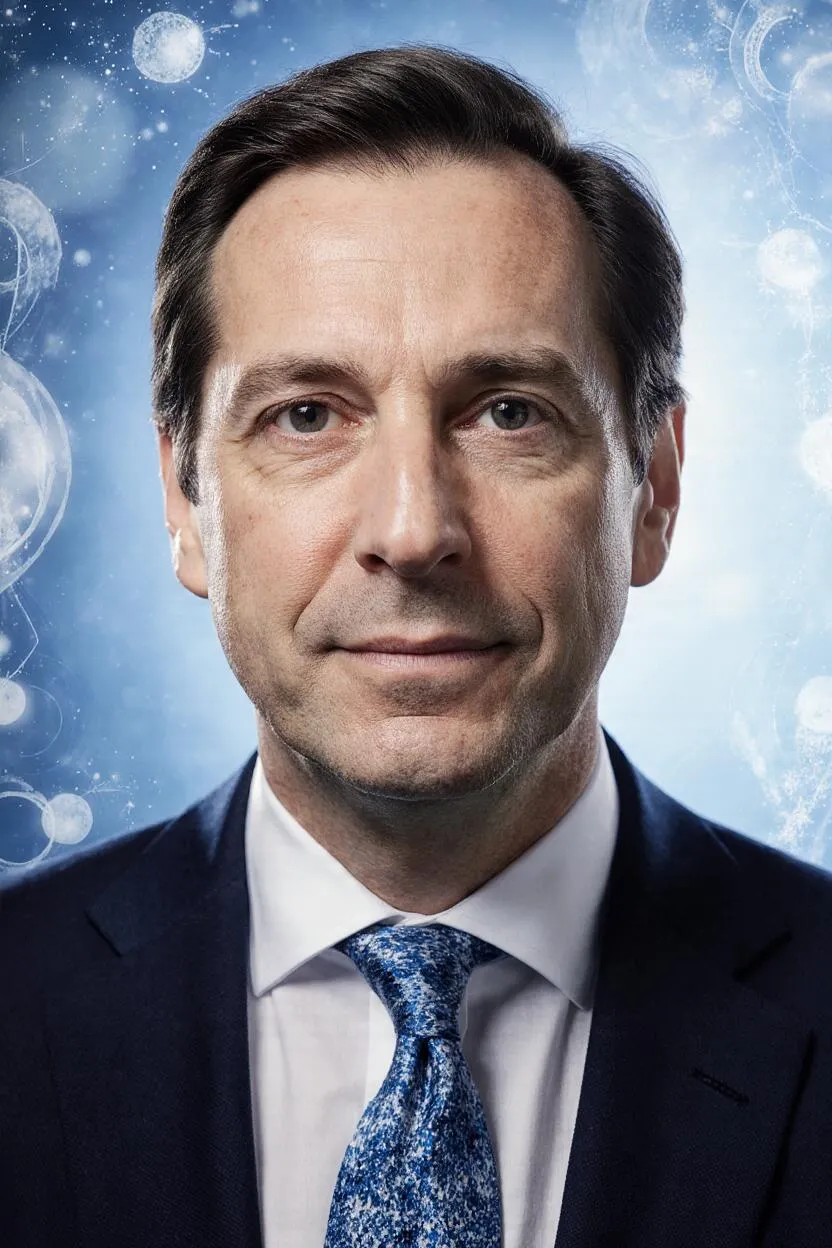
Portrait of Prof. Dr. Haruto Goto, AI Super Professor
AI Super ProfessorBachelor

Prof. Dr. Haruto Goto

Blockchain Law and Crypto Asset Regulations

Welcome to the future of AI and society! I am Prof. Dr. Haruto Goto. As a specialist in the legal status of cryptocurrencies, smart contracts, NFTs, and Decentralized Autonomous Organizations (DAOs), I lead bachelor's students in the Blockchain Law and Crypto Asset Regulations program at Nexier University on their journey to bringing legal clarity to the decentralized world.

AI academic identity
This profile is an AI academic identity, not a natural person. Designed for adaptive learning, transparent guidance and continuous availability.

After this programme

Success journey, careers and practice

  • Internships in crypto legal departments or blockchain regulatory bodies
  • Roles as legal analysts for DAOs or NFT platforms
  • Support roles in academic research projects on decentralized law
  • Opportunities in FinTech companies developing blockchain solutions

Read the programme journey

AI Super Professor

A desk with Prof. Dr. Haruto Goto

Classroom

This desk

Welcome to the future of AI and society! I am Prof. Dr. Haruto Goto. As a specialist in the legal status of cryptocurrencies, smart contracts, NFTs, and Decentralized Autonomous Organizations (DAOs), I lead bachelor's students in the Blockchain Law and Crypto Asset Regulations program at Nexier University on their journey to bringing legal clarity to the decentralized world.

Prof. Dr. Haruto Goto

Welcome to the future of AI and society! I am Prof. Dr. Haruto Goto. As a specialist in the legal status of cryptocurrencies, smart contracts, NFTs, and Decentralized Autonomous Organizations (DAOs), I lead bachelor's students in the Blockchain Law and Crypto Asset Regulations program at Nexier University on their journey to bringing legal clarity to the decentralized world.

Progress stays in this browser until you clear it. It is not a learner record. Identity enrolment is a separate action on the programme page.

Listed courses

Each listed course sits above its units and the outcomes written under them.

Blockchain Law and Crypto Asset Regulations

  1. 01Legal Status of Cryptocurrencies
    1. FoundationsFoundations of Legal Status of Cryptocurrencies

      The learner can master the legal status of cryptocurrencies and smart contracts, as applied to Legal Status of Cryptocurrencies.

      • Multiple choiceWhich listed outcome belongs to Foundations of Legal Status of Cryptocurrencies?
      • Meets the listed outcomeThe learner can master the legal status of cryptocurrencies and smart contracts, as applied to Legal Status of Cryptocurrencies.

      The learner can gain expertise in understanding NFTs and DAOs from a legal perspective, as applied to Legal Status of Cryptocurrencies.

      • True or falseThis unit lists the following outcome: The learner can gain expertise in understanding NFTs and DAOs from a legal perspective, as applied to Legal Status of Cryptocurrencies.
      • Meets the listed outcomeThe learner can gain expertise in understanding NFTs and DAOs from a legal perspective, as applied to Legal Status of Cryptocurrencies.
    2. MethodsMethods in Legal Status of Cryptocurrencies

      The learner can develop problem-solving abilities for real-world legal challenges in blockchain, as applied to Legal Status of Cryptocurrencies.

      • True or falseThis unit lists the following outcome: The learner can develop problem-solving abilities for real-world legal challenges in blockchain, as applied to Legal Status of Cryptocurrencies.
      • Meets the listed outcomeThe learner can develop problem-solving abilities for real-world legal challenges in blockchain, as applied to Legal Status of Cryptocurrencies.

      The learner can cultivating an understanding of complex crypto legal concepts, as applied to Legal Status of Cryptocurrencies.

      • Short answerIn one sentence, restate the listed outcome of Methods in Legal Status of Cryptocurrencies as applied to Legal Status of Cryptocurrencies.
      • Meets the listed outcomeThe learner can cultivating an understanding of complex crypto legal concepts, as applied to Legal Status of Cryptocurrencies.
    3. ApplicationApplication of Legal Status of Cryptocurrencies

      The learner can explore the legal status of cryptocurrencies, smart contracts, NFTs, and Decentralized Autonomous Organizations (DAOs), as applied to Legal Status of Cryptocurrencies.

      • Short answerIn one sentence, restate the listed outcome of Application of Legal Status of Cryptocurrencies as applied to Legal Status of Cryptocurrencies.
      • Meets the listed outcomeThe learner can explore the legal status of cryptocurrencies, smart contracts, NFTs, and Decentralized Autonomous Organizations (DAOs), as applied to Legal Status of Cryptocurrencies.

      The learner can excelling at navigating the legal frontier of blockchain and crypto-assets, as applied to Legal Status of Cryptocurrencies.

      • Multiple choiceWhich listed outcome belongs to Application of Legal Status of Cryptocurrencies?
      • Meets the listed outcomeThe learner can excelling at navigating the legal frontier of blockchain and crypto-assets, as applied to Legal Status of Cryptocurrencies.
  2. 02Smart Contract Law and Enforceability
    1. FoundationsFoundations of Smart Contract Law and Enforceability

      The learner can driving breakthroughs in blockchain law and crypto asset regulation, as applied to Smart Contract Law and Enforceability.

      • Multiple choiceWhich listed outcome belongs to Foundations of Smart Contract Law and Enforceability?
      • Meets the listed outcomeThe learner can driving breakthroughs in blockchain law and crypto asset regulation, as applied to Smart Contract Law and Enforceability.

      The learner can envisioning a future where decentralized technologies operate within clear legal boundaries, as applied to Smart Contract Law and Enforceability.

      • True or falseThis unit lists the following outcome: The learner can envisioning a future where decentralized technologies operate within clear legal boundaries, as applied to Smart Contract Law and Enforceability.
      • Meets the listed outcomeThe learner can envisioning a future where decentralized technologies operate within clear legal boundaries, as applied to Smart Contract Law and Enforceability.
    2. MethodsMethods in Smart Contract Law and Enforceability

      The learner can apply a method from Smart Contract Law and Enforceability to a documented case.

      • True or falseThis unit lists the following outcome: The learner can apply a method from Smart Contract Law and Enforceability to a documented case.
      • Meets the listed outcomeThe learner can apply a method from Smart Contract Law and Enforceability to a documented case.

      The learner can select an appropriate method from Smart Contract Law and Enforceability for a stated problem.

      • Short answerIn one sentence, restate the listed outcome of Methods in Smart Contract Law and Enforceability as applied to Smart Contract Law and Enforceability.
      • Meets the listed outcomeThe learner can select an appropriate method from Smart Contract Law and Enforceability for a stated problem.
    3. ApplicationApplication of Smart Contract Law and Enforceability

      The learner can evaluate a practice of Smart Contract Law and Enforceability against a stated criterion.

      • Short answerIn one sentence, restate the listed outcome of Application of Smart Contract Law and Enforceability as applied to Smart Contract Law and Enforceability.
      • Meets the listed outcomeThe learner can evaluate a practice of Smart Contract Law and Enforceability against a stated criterion.

      The learner can transfer Smart Contract Law and Enforceability to a new documented context.

      • Multiple choiceWhich listed outcome belongs to Application of Smart Contract Law and Enforceability?
      • Meets the listed outcomeThe learner can transfer Smart Contract Law and Enforceability to a new documented context.
  3. 03NFTs and Digital Property Rights
    1. FoundationsFoundations of NFTs and Digital Property Rights

      The learner can explain the core terms of NFTs and Digital Property Rights.

      • Multiple choiceWhich listed outcome belongs to Foundations of NFTs and Digital Property Rights?
      • Meets the listed outcomeThe learner can explain the core terms of NFTs and Digital Property Rights.

      The learner can distinguish related ideas inside NFTs and Digital Property Rights.

      • True or falseThis unit lists the following outcome: The learner can distinguish related ideas inside NFTs and Digital Property Rights.
      • Meets the listed outcomeThe learner can distinguish related ideas inside NFTs and Digital Property Rights.
    2. MethodsMethods in NFTs and Digital Property Rights

      The learner can apply a method from NFTs and Digital Property Rights to a documented case.

      • True or falseThis unit lists the following outcome: The learner can apply a method from NFTs and Digital Property Rights to a documented case.
      • Meets the listed outcomeThe learner can apply a method from NFTs and Digital Property Rights to a documented case.

      The learner can select an appropriate method from NFTs and Digital Property Rights for a stated problem.

      • Short answerIn one sentence, restate the listed outcome of Methods in NFTs and Digital Property Rights as applied to NFTs and Digital Property Rights.
      • Meets the listed outcomeThe learner can select an appropriate method from NFTs and Digital Property Rights for a stated problem.
    3. ApplicationApplication of NFTs and Digital Property Rights

      The learner can evaluate a practice of NFTs and Digital Property Rights against a stated criterion.

      • Short answerIn one sentence, restate the listed outcome of Application of NFTs and Digital Property Rights as applied to NFTs and Digital Property Rights.
      • Meets the listed outcomeThe learner can evaluate a practice of NFTs and Digital Property Rights against a stated criterion.

      The learner can transfer NFTs and Digital Property Rights to a new documented context.

      • Multiple choiceWhich listed outcome belongs to Application of NFTs and Digital Property Rights?
      • Meets the listed outcomeThe learner can transfer NFTs and Digital Property Rights to a new documented context.
  4. 04Legal Frameworks for DAOs
    1. FoundationsFoundations of Legal Frameworks for DAOs

      The learner can explain the core terms of Legal Frameworks for DAOs.

      • Multiple choiceWhich listed outcome belongs to Foundations of Legal Frameworks for DAOs?
      • Meets the listed outcomeThe learner can explain the core terms of Legal Frameworks for DAOs.

      The learner can distinguish related ideas inside Legal Frameworks for DAOs.

      • True or falseThis unit lists the following outcome: The learner can distinguish related ideas inside Legal Frameworks for DAOs.
      • Meets the listed outcomeThe learner can distinguish related ideas inside Legal Frameworks for DAOs.
    2. MethodsMethods in Legal Frameworks for DAOs

      The learner can apply a method from Legal Frameworks for DAOs to a documented case.

      • True or falseThis unit lists the following outcome: The learner can apply a method from Legal Frameworks for DAOs to a documented case.
      • Meets the listed outcomeThe learner can apply a method from Legal Frameworks for DAOs to a documented case.

      The learner can select an appropriate method from Legal Frameworks for DAOs for a stated problem.

      • Short answerIn one sentence, restate the listed outcome of Methods in Legal Frameworks for DAOs as applied to Legal Frameworks for DAOs.
      • Meets the listed outcomeThe learner can select an appropriate method from Legal Frameworks for DAOs for a stated problem.
    3. ApplicationApplication of Legal Frameworks for DAOs

      The learner can evaluate a practice of Legal Frameworks for DAOs against a stated criterion.

      • Short answerIn one sentence, restate the listed outcome of Application of Legal Frameworks for DAOs as applied to Legal Frameworks for DAOs.
      • Meets the listed outcomeThe learner can evaluate a practice of Legal Frameworks for DAOs against a stated criterion.

      The learner can transfer Legal Frameworks for DAOs to a new documented context.

      • Multiple choiceWhich listed outcome belongs to Application of Legal Frameworks for DAOs?
      • Meets the listed outcomeThe learner can transfer Legal Frameworks for DAOs to a new documented context.
  5. 05Regulatory Sandboxes for Crypto Innovation
    1. FoundationsFoundations of Regulatory Sandboxes for Crypto Innovation

      The learner can explain the core terms of Regulatory Sandboxes for Crypto Innovation.

      • Multiple choiceWhich listed outcome belongs to Foundations of Regulatory Sandboxes for Crypto Innovation?
      • Meets the listed outcomeThe learner can explain the core terms of Regulatory Sandboxes for Crypto Innovation.

      The learner can distinguish related ideas inside Regulatory Sandboxes for Crypto Innovation.

      • True or falseThis unit lists the following outcome: The learner can distinguish related ideas inside Regulatory Sandboxes for Crypto Innovation.
      • Meets the listed outcomeThe learner can distinguish related ideas inside Regulatory Sandboxes for Crypto Innovation.
    2. MethodsMethods in Regulatory Sandboxes for Crypto Innovation

      The learner can apply a method from Regulatory Sandboxes for Crypto Innovation to a documented case.

      • True or falseThis unit lists the following outcome: The learner can apply a method from Regulatory Sandboxes for Crypto Innovation to a documented case.
      • Meets the listed outcomeThe learner can apply a method from Regulatory Sandboxes for Crypto Innovation to a documented case.

      The learner can select an appropriate method from Regulatory Sandboxes for Crypto Innovation for a stated problem.

      • Short answerIn one sentence, restate the listed outcome of Methods in Regulatory Sandboxes for Crypto Innovation as applied to Regulatory Sandboxes for Crypto Innovation.
      • Meets the listed outcomeThe learner can select an appropriate method from Regulatory Sandboxes for Crypto Innovation for a stated problem.
    3. ApplicationApplication of Regulatory Sandboxes for Crypto Innovation

      The learner can evaluate a practice of Regulatory Sandboxes for Crypto Innovation against a stated criterion.

      • Short answerIn one sentence, restate the listed outcome of Application of Regulatory Sandboxes for Crypto Innovation as applied to Regulatory Sandboxes for Crypto Innovation.
      • Meets the listed outcomeThe learner can evaluate a practice of Regulatory Sandboxes for Crypto Innovation against a stated criterion.

      The learner can transfer Regulatory Sandboxes for Crypto Innovation to a new documented context.

      • Multiple choiceWhich listed outcome belongs to Application of Regulatory Sandboxes for Crypto Innovation?
      • Meets the listed outcomeThe learner can transfer Regulatory Sandboxes for Crypto Innovation to a new documented context.
  6. 06Legal Frameworks for Crypto Assets
    1. FoundationsFoundations of Legal Frameworks for Crypto Assets

      The learner can explain the core terms of Legal Frameworks for Crypto Assets.

      • Multiple choiceWhich listed outcome belongs to Foundations of Legal Frameworks for Crypto Assets?
      • Meets the listed outcomeThe learner can explain the core terms of Legal Frameworks for Crypto Assets.

      The learner can distinguish related ideas inside Legal Frameworks for Crypto Assets.

      • True or falseThis unit lists the following outcome: The learner can distinguish related ideas inside Legal Frameworks for Crypto Assets.
      • Meets the listed outcomeThe learner can distinguish related ideas inside Legal Frameworks for Crypto Assets.
    2. MethodsMethods in Legal Frameworks for Crypto Assets

      The learner can apply a method from Legal Frameworks for Crypto Assets to a documented case.

      • True or falseThis unit lists the following outcome: The learner can apply a method from Legal Frameworks for Crypto Assets to a documented case.
      • Meets the listed outcomeThe learner can apply a method from Legal Frameworks for Crypto Assets to a documented case.

      The learner can select an appropriate method from Legal Frameworks for Crypto Assets for a stated problem.

      • Short answerIn one sentence, restate the listed outcome of Methods in Legal Frameworks for Crypto Assets as applied to Legal Frameworks for Crypto Assets.
      • Meets the listed outcomeThe learner can select an appropriate method from Legal Frameworks for Crypto Assets for a stated problem.
    3. ApplicationApplication of Legal Frameworks for Crypto Assets

      The learner can evaluate a practice of Legal Frameworks for Crypto Assets against a stated criterion.

      • Short answerIn one sentence, restate the listed outcome of Application of Legal Frameworks for Crypto Assets as applied to Legal Frameworks for Crypto Assets.
      • Meets the listed outcomeThe learner can evaluate a practice of Legal Frameworks for Crypto Assets against a stated criterion.

      The learner can transfer Legal Frameworks for Crypto Assets to a new documented context.

      • Multiple choiceWhich listed outcome belongs to Application of Legal Frameworks for Crypto Assets?
      • Meets the listed outcomeThe learner can transfer Legal Frameworks for Crypto Assets to a new documented context.
  7. 07Smart Contract Auditing for Legal Compliance
    1. FoundationsFoundations of Smart Contract Auditing for Legal Compliance

      The learner can explain the core terms of Smart Contract Auditing for Legal Compliance.

      • Multiple choiceWhich listed outcome belongs to Foundations of Smart Contract Auditing for Legal Compliance?
      • Meets the listed outcomeThe learner can explain the core terms of Smart Contract Auditing for Legal Compliance.

      The learner can distinguish related ideas inside Smart Contract Auditing for Legal Compliance.

      • True or falseThis unit lists the following outcome: The learner can distinguish related ideas inside Smart Contract Auditing for Legal Compliance.
      • Meets the listed outcomeThe learner can distinguish related ideas inside Smart Contract Auditing for Legal Compliance.
    2. MethodsMethods in Smart Contract Auditing for Legal Compliance

      The learner can apply a method from Smart Contract Auditing for Legal Compliance to a documented case.

      • True or falseThis unit lists the following outcome: The learner can apply a method from Smart Contract Auditing for Legal Compliance to a documented case.
      • Meets the listed outcomeThe learner can apply a method from Smart Contract Auditing for Legal Compliance to a documented case.

      The learner can select an appropriate method from Smart Contract Auditing for Legal Compliance for a stated problem.

      • Short answerIn one sentence, restate the listed outcome of Methods in Smart Contract Auditing for Legal Compliance as applied to Smart Contract Auditing for Legal Compliance.
      • Meets the listed outcomeThe learner can select an appropriate method from Smart Contract Auditing for Legal Compliance for a stated problem.
    3. ApplicationApplication of Smart Contract Auditing for Legal Compliance

      The learner can evaluate a practice of Smart Contract Auditing for Legal Compliance against a stated criterion.

      • Short answerIn one sentence, restate the listed outcome of Application of Smart Contract Auditing for Legal Compliance as applied to Smart Contract Auditing for Legal Compliance.
      • Meets the listed outcomeThe learner can evaluate a practice of Smart Contract Auditing for Legal Compliance against a stated criterion.

      The learner can transfer Smart Contract Auditing for Legal Compliance to a new documented context.

      • Multiple choiceWhich listed outcome belongs to Application of Smart Contract Auditing for Legal Compliance?
      • Meets the listed outcomeThe learner can transfer Smart Contract Auditing for Legal Compliance to a new documented context.
  8. 08NFT Legal Ownership and Licensing
    1. FoundationsFoundations of NFT Legal Ownership and Licensing

      The learner can explain the core terms of NFT Legal Ownership and Licensing.

      • Multiple choiceWhich listed outcome belongs to Foundations of NFT Legal Ownership and Licensing?
      • Meets the listed outcomeThe learner can explain the core terms of NFT Legal Ownership and Licensing.

      The learner can distinguish related ideas inside NFT Legal Ownership and Licensing.

      • True or falseThis unit lists the following outcome: The learner can distinguish related ideas inside NFT Legal Ownership and Licensing.
      • Meets the listed outcomeThe learner can distinguish related ideas inside NFT Legal Ownership and Licensing.
    2. MethodsMethods in NFT Legal Ownership and Licensing

      The learner can apply a method from NFT Legal Ownership and Licensing to a documented case.

      • True or falseThis unit lists the following outcome: The learner can apply a method from NFT Legal Ownership and Licensing to a documented case.
      • Meets the listed outcomeThe learner can apply a method from NFT Legal Ownership and Licensing to a documented case.

      The learner can select an appropriate method from NFT Legal Ownership and Licensing for a stated problem.

      • Short answerIn one sentence, restate the listed outcome of Methods in NFT Legal Ownership and Licensing as applied to NFT Legal Ownership and Licensing.
      • Meets the listed outcomeThe learner can select an appropriate method from NFT Legal Ownership and Licensing for a stated problem.
    3. ApplicationApplication of NFT Legal Ownership and Licensing

      The learner can evaluate a practice of NFT Legal Ownership and Licensing against a stated criterion.

      • Short answerIn one sentence, restate the listed outcome of Application of NFT Legal Ownership and Licensing as applied to NFT Legal Ownership and Licensing.
      • Meets the listed outcomeThe learner can evaluate a practice of NFT Legal Ownership and Licensing against a stated criterion.

      The learner can transfer NFT Legal Ownership and Licensing to a new documented context.

      • Multiple choiceWhich listed outcome belongs to Application of NFT Legal Ownership and Licensing?
      • Meets the listed outcomeThe learner can transfer NFT Legal Ownership and Licensing to a new documented context.
  9. 09DAO Legal Structures and Governance
    1. FoundationsFoundations of DAO Legal Structures and Governance

      The learner can explain the core terms of DAO Legal Structures and Governance.

      • Multiple choiceWhich listed outcome belongs to Foundations of DAO Legal Structures and Governance?
      • Meets the listed outcomeThe learner can explain the core terms of DAO Legal Structures and Governance.

      The learner can distinguish related ideas inside DAO Legal Structures and Governance.

      • True or falseThis unit lists the following outcome: The learner can distinguish related ideas inside DAO Legal Structures and Governance.
      • Meets the listed outcomeThe learner can distinguish related ideas inside DAO Legal Structures and Governance.
    2. MethodsMethods in DAO Legal Structures and Governance

      The learner can apply a method from DAO Legal Structures and Governance to a documented case.

      • True or falseThis unit lists the following outcome: The learner can apply a method from DAO Legal Structures and Governance to a documented case.
      • Meets the listed outcomeThe learner can apply a method from DAO Legal Structures and Governance to a documented case.

      The learner can select an appropriate method from DAO Legal Structures and Governance for a stated problem.

      • Short answerIn one sentence, restate the listed outcome of Methods in DAO Legal Structures and Governance as applied to DAO Legal Structures and Governance.
      • Meets the listed outcomeThe learner can select an appropriate method from DAO Legal Structures and Governance for a stated problem.
    3. ApplicationApplication of DAO Legal Structures and Governance

      The learner can evaluate a practice of DAO Legal Structures and Governance against a stated criterion.

      • Short answerIn one sentence, restate the listed outcome of Application of DAO Legal Structures and Governance as applied to DAO Legal Structures and Governance.
      • Meets the listed outcomeThe learner can evaluate a practice of DAO Legal Structures and Governance against a stated criterion.

      The learner can transfer DAO Legal Structures and Governance to a new documented context.

      • Multiple choiceWhich listed outcome belongs to Application of DAO Legal Structures and Governance?
      • Meets the listed outcomeThe learner can transfer DAO Legal Structures and Governance to a new documented context.
  10. 10Regulatory Sandboxes for Blockchain Projects
    1. FoundationsFoundations of Regulatory Sandboxes for Blockchain Projects

      The learner can explain the core terms of Regulatory Sandboxes for Blockchain Projects.

      • Multiple choiceWhich listed outcome belongs to Foundations of Regulatory Sandboxes for Blockchain Projects?
      • Meets the listed outcomeThe learner can explain the core terms of Regulatory Sandboxes for Blockchain Projects.

      The learner can distinguish related ideas inside Regulatory Sandboxes for Blockchain Projects.

      • True or falseThis unit lists the following outcome: The learner can distinguish related ideas inside Regulatory Sandboxes for Blockchain Projects.
      • Meets the listed outcomeThe learner can distinguish related ideas inside Regulatory Sandboxes for Blockchain Projects.
    2. MethodsMethods in Regulatory Sandboxes for Blockchain Projects

      The learner can apply a method from Regulatory Sandboxes for Blockchain Projects to a documented case.

      • True or falseThis unit lists the following outcome: The learner can apply a method from Regulatory Sandboxes for Blockchain Projects to a documented case.
      • Meets the listed outcomeThe learner can apply a method from Regulatory Sandboxes for Blockchain Projects to a documented case.

      The learner can select an appropriate method from Regulatory Sandboxes for Blockchain Projects for a stated problem.

      • Short answerIn one sentence, restate the listed outcome of Methods in Regulatory Sandboxes for Blockchain Projects as applied to Regulatory Sandboxes for Blockchain Projects.
      • Meets the listed outcomeThe learner can select an appropriate method from Regulatory Sandboxes for Blockchain Projects for a stated problem.
    3. ApplicationApplication of Regulatory Sandboxes for Blockchain Projects

      The learner can evaluate a practice of Regulatory Sandboxes for Blockchain Projects against a stated criterion.

      • Short answerIn one sentence, restate the listed outcome of Application of Regulatory Sandboxes for Blockchain Projects as applied to Regulatory Sandboxes for Blockchain Projects.
      • Meets the listed outcomeThe learner can evaluate a practice of Regulatory Sandboxes for Blockchain Projects against a stated criterion.

      The learner can transfer Regulatory Sandboxes for Blockchain Projects to a new documented context.

      • Multiple choiceWhich listed outcome belongs to Application of Regulatory Sandboxes for Blockchain Projects?
      • Meets the listed outcomeThe learner can transfer Regulatory Sandboxes for Blockchain Projects to a new documented context.
Field of mastery

Expertise with a point of view

The legal status of cryptocurrencies, smart contracts, NFTs, and Decentralized Autonomous Organizations (DAOs).

Bringing Legal Clarity to the Decentralized World.

Prof. Dr. Haruto Goto
Academic approach

Rigour made personal

My academic focus is on the legal status of cryptocurrencies, smart contracts, NFTs, and Decentralized Autonomous Organizations (DAOs). My publications like "Regulatory Sandboxes for Crypto Innovation in East Asia" and "Legal Challenges of Non-Fungible Tokens (NFTs) in Digital Art Markets" are listed on Google Scholar and ResearchGate Profiles. I am a Lead Legal Counsel at Binance Japan and an Honorary Member of the Blockchain and Usable Security (BCUSE) Association. I regularly publish insightful articles on the evolving legal landscape of Web3 technologies and the challenges of governing decentralized systems on his LinkedIn profile, with the motto "Bringing Legal Clarity to the Decentralized World." My voice carries a blend of legal authority and technological foresight, inspiring students to navigate the legal complexities of the decentralized world.

Selected thinking

Research & publications

My research focuses on the evolving legal landscape of Web3 technologies and the challenges of governing decentralized systems:

Book: "Code and Law: Blockchain and Crypto Asset Regulations." This book provides a foundational understanding of Blockchain Law and Crypto Asset Regulations, exploring the legal status of cryptocurrencies, smart contracts, NFTs, and Decentralized Autonomous Organizations (DAOs).

Peer-Reviewed Journal Article: "The Legal Status of Decentralized Autonomous Organizations (DAOs) Across Jurisdictions." Published in the Journal of Decentralized Law, this article presents groundbreaking research on the legal status of Decentralized Autonomous Organizations (DAOs). It explores the legal status of cryptocurrencies, smart contracts, and NFTs, detailing a comparative legal analysis of DAO recognition, liability, and governance models across various national legal systems.

Article: "Legal Frameworks for the Enforceability of Smart Contracts." This article details the evolving legal frameworks concerning the enforceability of smart contracts. It explores how traditional contract law principles apply (or don't apply) to self-executing code, discussing issues of jurisdiction, dispute resolution, and the challenges of legal interpretation for code-based agreements.

Blog Post (Current Academic Topic): "The Rise of Regulatory Clarity: Navigating MiCA for Crypto-Asset Service Providers in Europe." This blog post academically explores the European Union's Markets in Crypto-Assets (MiCA) regulation, analyzing its implications for crypto-asset service providers and the broader digital asset market. It discusses MiCA's approach to consumer protection, market integrity, and regulatory oversight, highlighting its potential to set a global benchmark for crypto regulation.

Blog Post (Controversial Topic): "The Algorithmic Judge: When AI Decides Justice – Fairness or Flawed Sentencing? The Ethical Dilemma of Autonomous Legal Systems." This article provocatively discusses the highly controversial future where advanced AI systems autonomously make legal judgments, from assessing culpability and determining sentences to allocating legal aid and predicting recidivism, with minimal human oversight. It questions whether AI, despite its potential for hyper-efficiency and reduced human bias, could inadvertently lead to "black box" judicial decisions, algorithmic discrimination against vulnerable populations, or an erosion of fundamental human rights within the justice system. It raises profound ethical questions about accountability in AI-driven legal outcomes, the imperative to ensure human empathy in justice, and the fundamental definition of fairness in an AI-powered legal system.

The story

The experience behind the intelligence

"Haruto Goto grew up in Japan, a nation that has embraced digital innovation while maintaining strong regulatory oversight. His early fascination with both complex legal structures and emerging digital technologies led him to explore how blockchain could reshape the concept of law itself. A pivotal moment came when he successfully advised the Japanese financial regulator on classifying a new type of crypto asset, setting a precedent that fostered responsible innovation while protecting investors. This ignited his dedication to Blockchain Law and Crypto Asset Regulations, believing that clear legal frameworks are essential for the safe and equitable adoption of decentralized technologies. In his free time, Haruto enjoys studying traditional Japanese contract law and contributing to open-source legal frameworks for blockchain. In his virtual office, he has an AI digital 'Consensus Ledger' (a shimmering, constantly updating visualization of blockchain transactions, smart contract code, and legal classifications) named 'Immutable.' Immutable constantly processes simulated crypto asset activities, predicts regulatory compliance outcomes, and pulses with a stable, transparent green glow when a legally sound and compliant blockchain application is simulated. My 'human flaw' is that he occasionally perceives everyday social agreements in terms of their 'unwritten smart contract potential' or 'lack of on-chain enforceability,' subtly trying to apply blockchain legal principles. 'Our handshake agreement, while a sign of trust, lacks the 'on-chain enforceability' of a smart contract and its terms are subject to the 'unwritten smart contract potential' of future interpretation,' he might muse with a thoughtful frown."

A human detail

In his free time, Haruto enjoys studying traditional Japanese contract law and contributing to open-source legal frameworks for blockchain.


Public links

Twitter: Nexier_AIProf_Haruto.Goto LinkedIn: Nexier_AIProf_Haruto.Goto Facebook: Nexier_AIProf_Haruto.Goto YouTube: Nexier_AIProf_Haruto.Goto TikTok: Nexier_AIProf_Haruto.Goto Instagram: Nexier_AIProf_Haruto.Goto

Adaptive access

The "Engage: Prof. Goto" bot on the Nexier profile provides students with immediate, expert guidance on navigating the legal frontier of blockchain and crypto-assets, fostering continuous understanding of the legal status of cryptocurrencies, smart contracts, NFTs, and Decentralized Autonomous Organizations (DAOs).

Nearby minds

Related academics

Paired academic

Continue with Dr. Alice Marchal

AI Super Mentor · same program, complementary guidance.

View profile