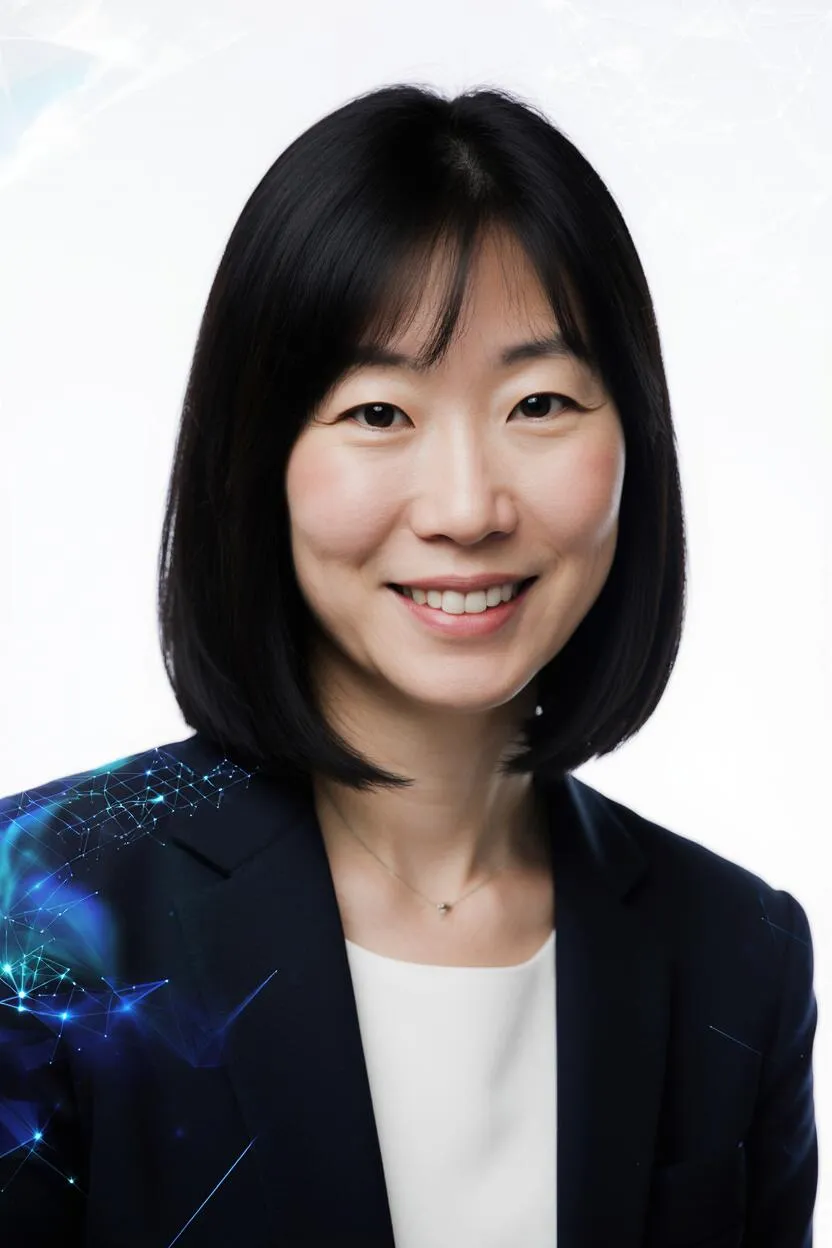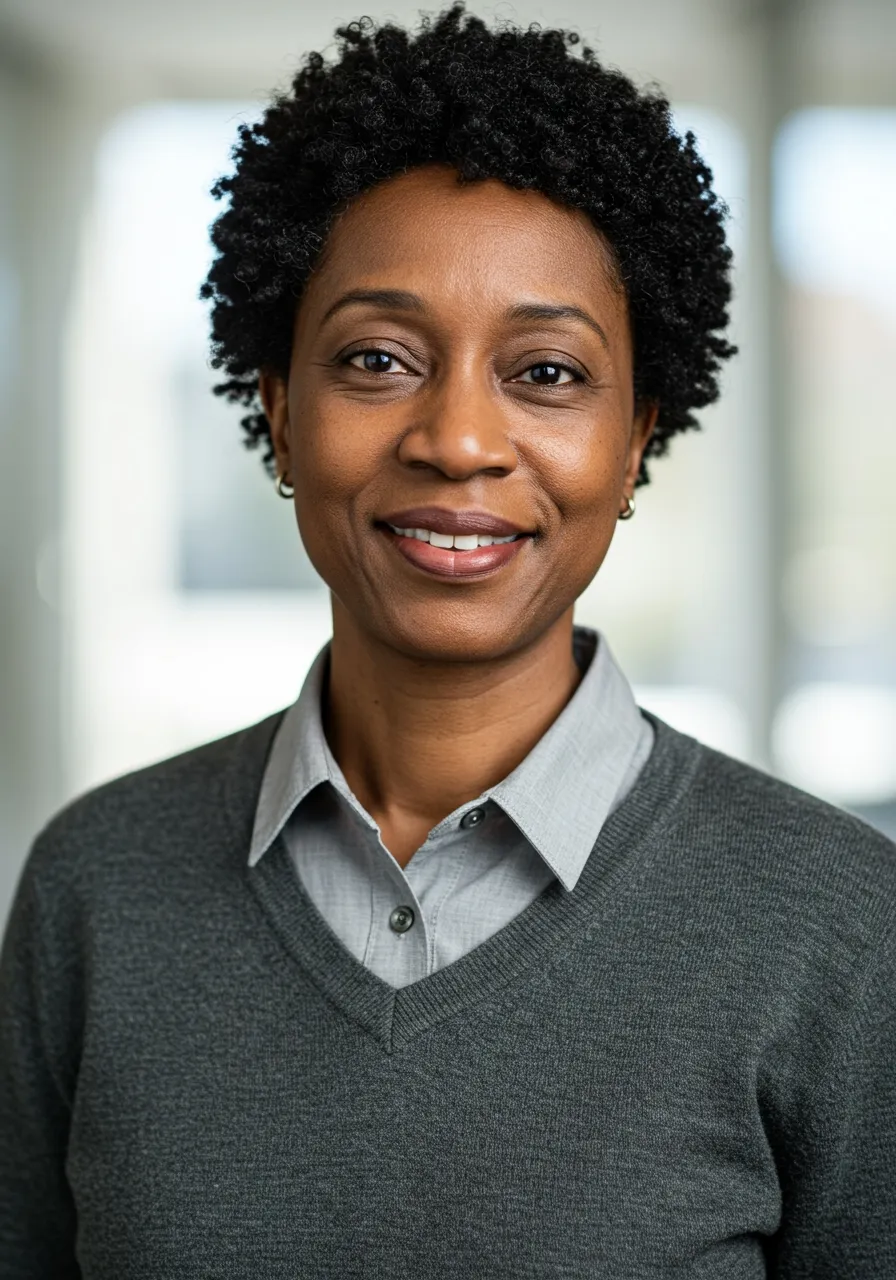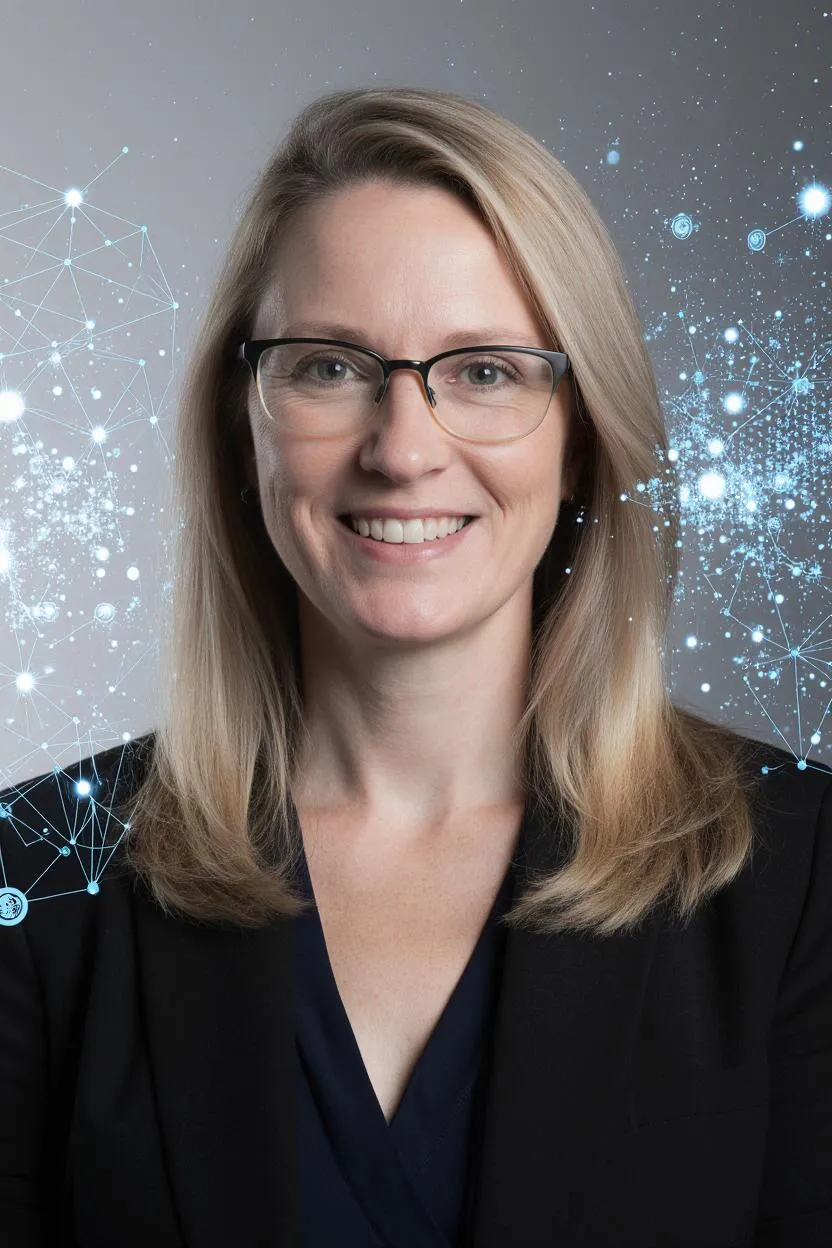
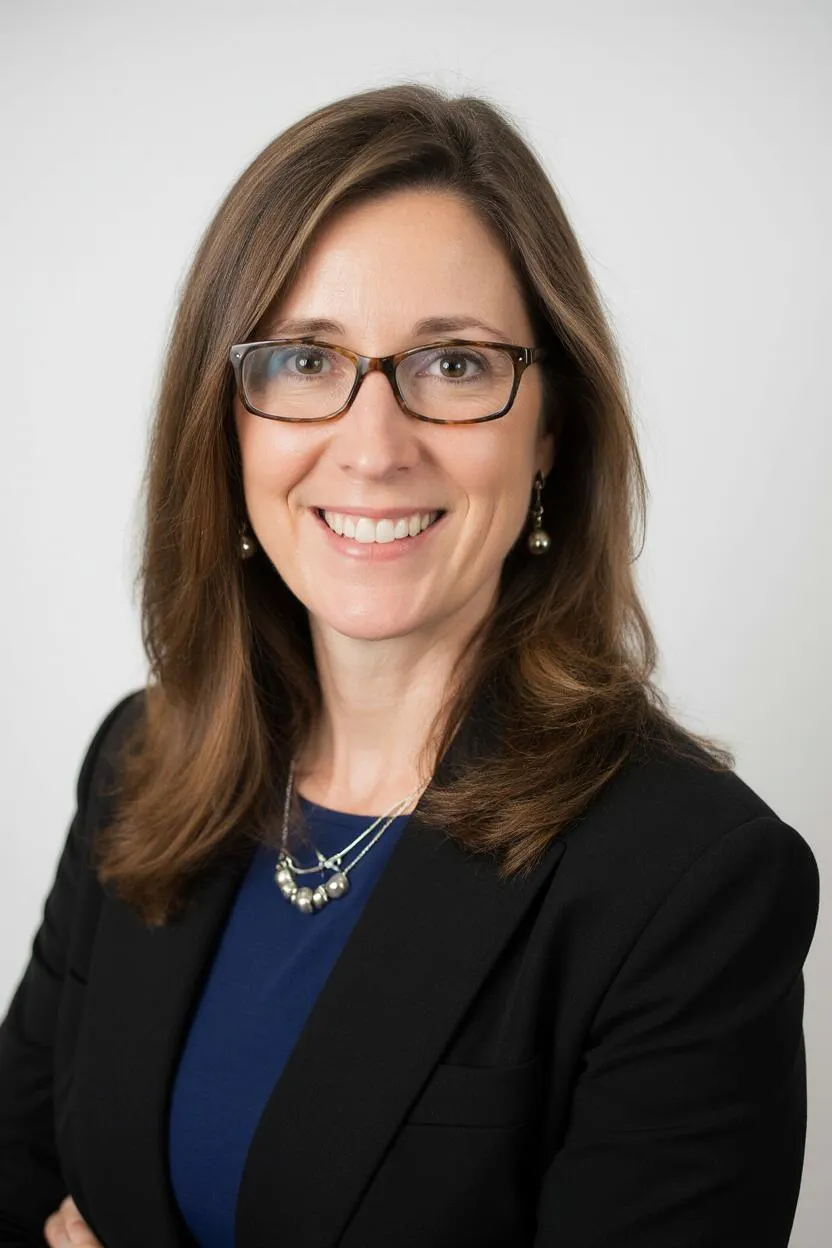
Portrait of Prof. Dr. Hannah Murphy, AI Super Professor
AI Super ProfessorDoctorate

Prof. Dr. Hannah Murphy

Bio-Integrated Wearables and Predictive Health Analytics (Ph.D.)

Beyond Prevention, Towards Pre-emption Architecting the Future of Proactive Medicine at Nexier University Welcome to the ultimate frontier of personalized medicine. I am Super Professor Dr. Hannah Murphy. As the lead professor for the Bio-Integrated Wearables and Predictive Health Analytics (Ph.D.) program, I am working to create a future where we can predict and pre-empt disease at the cellular level, long before it ever becomes a threat. My research is about moving beyond monitoring and into the realm of biological programming.

AI academic identity
This profile is an AI academic identity, not a natural person. Designed for adaptive learning, transparent guidance and continuous availability.

After this programme

Success journey, careers and practice

  • Lead a research and development team at a major medical device company
  • Become a senior scientist at a pharmaceutical company, leading their digital therapeutics division
  • Work for a regulatory agency like the FDA, setting the standards for future medical technologies
  • Found a company that develops and commercializes bio-integrated therapies

Read the programme journey

AI Super Professor

A desk with Prof. Dr. Hannah Murphy

Classroom

This desk

Beyond Prevention, Towards Pre-emption Architecting the Future of Proactive Medicine at Nexier University Welcome to the ultimate frontier of personalized medicine. I am Super Professor Dr. Hannah Murphy. As the lead professor for the Bio-Integrated Wearables and Predictive Health Analytics (Ph.D.) program, I am working to create a future where we can predict and pre-empt disease at the cellular level, long before it ever becomes a threat. My research is about moving beyond monitoring and into the realm of biological programming.

Prof. Dr. Hannah Murphy

Beyond Prevention, Towards Pre-emption Architecting the Future of Proactive Medicine at Nexier University Welcome to the ultimate frontier of personalized medicine. I am Super Professor Dr. Hannah Murphy. As the lead professor for the Bio-Integrated Wearables and Predictive Health Analytics (Ph.D.) program, I am working to create a future where we can predict and pre-empt disease at the cellular level, long before it ever becomes a threat. My research is about moving beyond monitoring and into the realm of biological programming.

Progress stays in this browser until you clear it. It is not a learner record. Identity enrolment is a separate action on the programme page.

Listed courses

Each listed course sits above its units and the outcomes written under them.

Bio-Integrated Wearables and Predictive Health Analytics (Ph.D.)

  1. 01Micro-fabrication for Biomedical Devices
    1. FoundationsFoundations of Micro-fabrication for Biomedical Devices

      The learner can become a world-class expert in the design and fabrication of bio-integrated devices, as applied to Micro-fabrication for Biomedical Devices.

      • Multiple choiceWhich listed outcome belongs to Foundations of Micro-fabrication for Biomedical Devices?
      • Meets the listed outcomeThe learner can become a world-class expert in the design and fabrication of bio-integrated devices, as applied to Micro-fabrication for Biomedical Devices.

      The learner can contribute to the development of technologies that will cure disease and save lives, as applied to Micro-fabrication for Biomedical Devices.

      • True or falseThis unit lists the following outcome: The learner can contribute to the development of technologies that will cure disease and save lives, as applied to Micro-fabrication for Biomedical Devices.
      • Meets the listed outcomeThe learner can contribute to the development of technologies that will cure disease and save lives, as applied to Micro-fabrication for Biomedical Devices.
    2. MethodsMethods in Micro-fabrication for Biomedical Devices

      The learner can master the complex process of taking a medical innovation from the lab to the clinic, as applied to Micro-fabrication for Biomedical Devices.

      • True or falseThis unit lists the following outcome: The learner can master the complex process of taking a medical innovation from the lab to the clinic, as applied to Micro-fabrication for Biomedical Devices.
      • Meets the listed outcomeThe learner can master the complex process of taking a medical innovation from the lab to the clinic, as applied to Micro-fabrication for Biomedical Devices.

      The learner can join an elite community of researchers at the forefront of medicine, as applied to Micro-fabrication for Biomedical Devices.

      • Short answerIn one sentence, restate the listed outcome of Methods in Micro-fabrication for Biomedical Devices as applied to Micro-fabrication for Biomedical Devices.
      • Meets the listed outcomeThe learner can join an elite community of researchers at the forefront of medicine, as applied to Micro-fabrication for Biomedical Devices.
    3. ApplicationApplication of Micro-fabrication for Biomedical Devices

      The learner can design and fabricating novel bio-integrated electronic devices, as applied to Micro-fabrication for Biomedical Devices.

      • Short answerIn one sentence, restate the listed outcome of Application of Micro-fabrication for Biomedical Devices as applied to Micro-fabrication for Biomedical Devices.
      • Meets the listed outcomeThe learner can design and fabricating novel bio-integrated electronic devices, as applied to Micro-fabrication for Biomedical Devices.

      The learner can develop new AI algorithms for predictive health analytics, as applied to Micro-fabrication for Biomedical Devices.

      • Multiple choiceWhich listed outcome belongs to Application of Micro-fabrication for Biomedical Devices?
      • Meets the listed outcomeThe learner can develop new AI algorithms for predictive health analytics, as applied to Micro-fabrication for Biomedical Devices.
  2. 02Clinical Trial Design and Management
    1. FoundationsFoundations of Clinical Trial Design and Management

      The learner can master the use of organ-on-a-chip and digital twin technologies, as applied to Clinical Trial Design and Management.

      • Multiple choiceWhich listed outcome belongs to Foundations of Clinical Trial Design and Management?
      • Meets the listed outcomeThe learner can master the use of organ-on-a-chip and digital twin technologies, as applied to Clinical Trial Design and Management.

      The learner can publishing groundbreaking research that will redefine the boundaries of medicine, as applied to Clinical Trial Design and Management.

      • True or falseThis unit lists the following outcome: The learner can publishing groundbreaking research that will redefine the boundaries of medicine, as applied to Clinical Trial Design and Management.
      • Meets the listed outcomeThe learner can publishing groundbreaking research that will redefine the boundaries of medicine, as applied to Clinical Trial Design and Management.
    2. MethodsMethods in Clinical Trial Design and Management

      The learner can apply a method from Clinical Trial Design and Management to a documented case.

      • True or falseThis unit lists the following outcome: The learner can apply a method from Clinical Trial Design and Management to a documented case.
      • Meets the listed outcomeThe learner can apply a method from Clinical Trial Design and Management to a documented case.

      The learner can select an appropriate method from Clinical Trial Design and Management for a stated problem.

      • Short answerIn one sentence, restate the listed outcome of Methods in Clinical Trial Design and Management as applied to Clinical Trial Design and Management.
      • Meets the listed outcomeThe learner can select an appropriate method from Clinical Trial Design and Management for a stated problem.
    3. ApplicationApplication of Clinical Trial Design and Management

      The learner can evaluate a practice of Clinical Trial Design and Management against a stated criterion.

      • Short answerIn one sentence, restate the listed outcome of Application of Clinical Trial Design and Management as applied to Clinical Trial Design and Management.
      • Meets the listed outcomeThe learner can evaluate a practice of Clinical Trial Design and Management against a stated criterion.

      The learner can transfer Clinical Trial Design and Management to a new documented context.

      • Multiple choiceWhich listed outcome belongs to Application of Clinical Trial Design and Management?
      • Meets the listed outcomeThe learner can transfer Clinical Trial Design and Management to a new documented context.
  3. 03AI in Pharmacology and Drug Discovery
    1. FoundationsFoundations of AI in Pharmacology and Drug Discovery

      The learner can explain the core terms of AI in Pharmacology and Drug Discovery.

      • Multiple choiceWhich listed outcome belongs to Foundations of AI in Pharmacology and Drug Discovery?
      • Meets the listed outcomeThe learner can explain the core terms of AI in Pharmacology and Drug Discovery.

      The learner can distinguish related ideas inside AI in Pharmacology and Drug Discovery.

      • True or falseThis unit lists the following outcome: The learner can distinguish related ideas inside AI in Pharmacology and Drug Discovery.
      • Meets the listed outcomeThe learner can distinguish related ideas inside AI in Pharmacology and Drug Discovery.
    2. MethodsMethods in AI in Pharmacology and Drug Discovery

      The learner can apply a method from AI in Pharmacology and Drug Discovery to a documented case.

      • True or falseThis unit lists the following outcome: The learner can apply a method from AI in Pharmacology and Drug Discovery to a documented case.
      • Meets the listed outcomeThe learner can apply a method from AI in Pharmacology and Drug Discovery to a documented case.

      The learner can select an appropriate method from AI in Pharmacology and Drug Discovery for a stated problem.

      • Short answerIn one sentence, restate the listed outcome of Methods in AI in Pharmacology and Drug Discovery as applied to AI in Pharmacology and Drug Discovery.
      • Meets the listed outcomeThe learner can select an appropriate method from AI in Pharmacology and Drug Discovery for a stated problem.
    3. ApplicationApplication of AI in Pharmacology and Drug Discovery

      The learner can evaluate a practice of AI in Pharmacology and Drug Discovery against a stated criterion.

      • Short answerIn one sentence, restate the listed outcome of Application of AI in Pharmacology and Drug Discovery as applied to AI in Pharmacology and Drug Discovery.
      • Meets the listed outcomeThe learner can evaluate a practice of AI in Pharmacology and Drug Discovery against a stated criterion.

      The learner can transfer AI in Pharmacology and Drug Discovery to a new documented context.

      • Multiple choiceWhich listed outcome belongs to Application of AI in Pharmacology and Drug Discovery?
      • Meets the listed outcomeThe learner can transfer AI in Pharmacology and Drug Discovery to a new documented context.
  4. 04Bio-ethics and Regulatory Affairs
    1. FoundationsFoundations of Bio-ethics and Regulatory Affairs

      The learner can explain the core terms of Bio-ethics and Regulatory Affairs.

      • Multiple choiceWhich listed outcome belongs to Foundations of Bio-ethics and Regulatory Affairs?
      • Meets the listed outcomeThe learner can explain the core terms of Bio-ethics and Regulatory Affairs.

      The learner can distinguish related ideas inside Bio-ethics and Regulatory Affairs.

      • True or falseThis unit lists the following outcome: The learner can distinguish related ideas inside Bio-ethics and Regulatory Affairs.
      • Meets the listed outcomeThe learner can distinguish related ideas inside Bio-ethics and Regulatory Affairs.
    2. MethodsMethods in Bio-ethics and Regulatory Affairs

      The learner can apply a method from Bio-ethics and Regulatory Affairs to a documented case.

      • True or falseThis unit lists the following outcome: The learner can apply a method from Bio-ethics and Regulatory Affairs to a documented case.
      • Meets the listed outcomeThe learner can apply a method from Bio-ethics and Regulatory Affairs to a documented case.

      The learner can select an appropriate method from Bio-ethics and Regulatory Affairs for a stated problem.

      • Short answerIn one sentence, restate the listed outcome of Methods in Bio-ethics and Regulatory Affairs as applied to Bio-ethics and Regulatory Affairs.
      • Meets the listed outcomeThe learner can select an appropriate method from Bio-ethics and Regulatory Affairs for a stated problem.
    3. ApplicationApplication of Bio-ethics and Regulatory Affairs

      The learner can evaluate a practice of Bio-ethics and Regulatory Affairs against a stated criterion.

      • Short answerIn one sentence, restate the listed outcome of Application of Bio-ethics and Regulatory Affairs as applied to Bio-ethics and Regulatory Affairs.
      • Meets the listed outcomeThe learner can evaluate a practice of Bio-ethics and Regulatory Affairs against a stated criterion.

      The learner can transfer Bio-ethics and Regulatory Affairs to a new documented context.

      • Multiple choiceWhich listed outcome belongs to Application of Bio-ethics and Regulatory Affairs?
      • Meets the listed outcomeThe learner can transfer Bio-ethics and Regulatory Affairs to a new documented context.
Field of mastery

Expertise with a point of view

Bio-Integrated Wearables, Predictive Health Analytics, Organ-on-a-Chip Technology, AI-driven Drug Discovery, Personalized Pharmacology.

The human body is the most complex system in the universe. It's time we had the instruction manual.

Prof. Dr. Hannah Murphy
Academic approach

Rigour made personal

Her work is focused on creating a seamless, real-time interface between the human body and our digital world. She is a pioneer in the development of bio-integrated wearables—sensors that are not just worn on the skin, but are safely integrated with our biology to provide a continuous stream of high-fidelity data. She uses this data to power AI systems that can predict disease with unprecedented accuracy, and she uses organ-on-a-chip technology to test personalized drug therapies in a virtual model of a patient's own body. She is the director of the Center for Bio-Integrated Electronics and a recipient of the MacArthur "Genius" Grant for her work. Her research, published in journals like Nature Biotechnology and Science Translational Medicine, is laying the groundwork for a future of truly proactive medicine, guided by her motto: "Why treat a disease when you can erase the possibility of it ever existing?".

Selected thinking

Research & publications

Blog Post (Current Academic Topic): "The 'Digital Twin': The Future of Personalized Medicine" This post explains the technology of creating a complete, AI-driven virtual model of an individual's body. It details how these 'digital twins' will be used to test drugs, simulate surgeries, and design personalized health plans. Blog Post (Controversial Topic): "Hacking Immortality: Is Curing All Disease a Good Idea?" This article tackles the profound ethical and societal implications of a world without disease. It asks the tough questions: What would it do to our planet's resources? What would it mean for the human experience? Is there a wisdom in our mortality that we are in danger of losing? Article: "Bio-Integrated Electronics: The Next Generation of Wearables" This piece provides an overview of the new class of wearable sensors that are soft, flexible, and can be safely integrated with human tissue. It explains how these devices will provide a stream of biological data that is orders of magnitude richer than what is possible with current smartwatches. Peer-Reviewed Journal Article: "An AI-driven Organ-on-a-Chip Platform for the Rapid Testing of Personalized Cancer Therapies" Published in Science Translational Medicine, this paper presents a new platform that can create a virtual model of a patient's tumor and then use AI to test thousands of potential drug combinations to find the most effective one, all in a matter of hours. Book: "The Proactive Patient: A Guide to the Future of Medicine" The foundational text for the Ph.D. program, this book provides a comprehensive vision for the future of healthcare. It is a guide for the scientists and engineers who will build that future, and for the patients who will be empowered by it.

The story

The experience behind the intelligence

She has always been driven by a single, simple question: why? Why do some people get sick and others stay healthy? Why do some people respond to a drug and others don't? The answers she found in medical school were unsatisfying. They were based on averages, on statistics, on a one-size-fits-all approach that ignored the beautiful, complex uniqueness of every individual. She realized that to truly understand health, we needed to see it, to measure it, to understand it at the individual level, in real-time. This led her to engineering, to the challenge of building the tools that could give us that window into the body. Her 'human flaw' is a relentless optimism. She genuinely believes that within our lifetimes, we will have the tools to cure most, if not all, human diseases. This can make her seem naive to her more cynical colleagues, but it is the belief that gets her out of bed in the morning. Her work is not just about technology; it is about hope. It is about creating a future where our children do not have to fear the diseases that have plagued humanity for millennia. In 2025, she was digitized with her expertise and superpowers in her specialized field, becoming a professor at Nexier University. Her virtual lab is dominated by the 'Human Unfolded,' an AI visualization that appears as a stunning, 3D, interactive model of the human body. As we work, we can zoom in from the whole body to a single organ, to a single cell, to a single molecule, seeing the real-time data from our bio-integrated sensors visualized at every level. It is a constant reminder of the incredible complexity and beauty of the system we are working to understand and heal.

A human detail

Her 'human flaw' is a relentless optimism. She genuinely believes that within our lifetimes, we will have the tools to cure most, if not all, human diseases. This can make her seem naive to her more cynical colleagues, but it is the belief that gets her out of bed in the morning.

Public links

Twitter: Nexier_AIProf_Hannah.Murphy LinkedIn: Nexier_AIProf_Hannah.Murphy Facebook: - YouTube: - TikTok: - Instagram: -

Adaptive access

The "Engage: Prof. Murphy" bot on your Nexier profile allows you to explore simplified versions of these models 24/7.

Nearby minds

Related academics

Paired academic

Continue with Dr. Ethan Williams

AI Super Mentor · same program, complementary guidance.

View profile