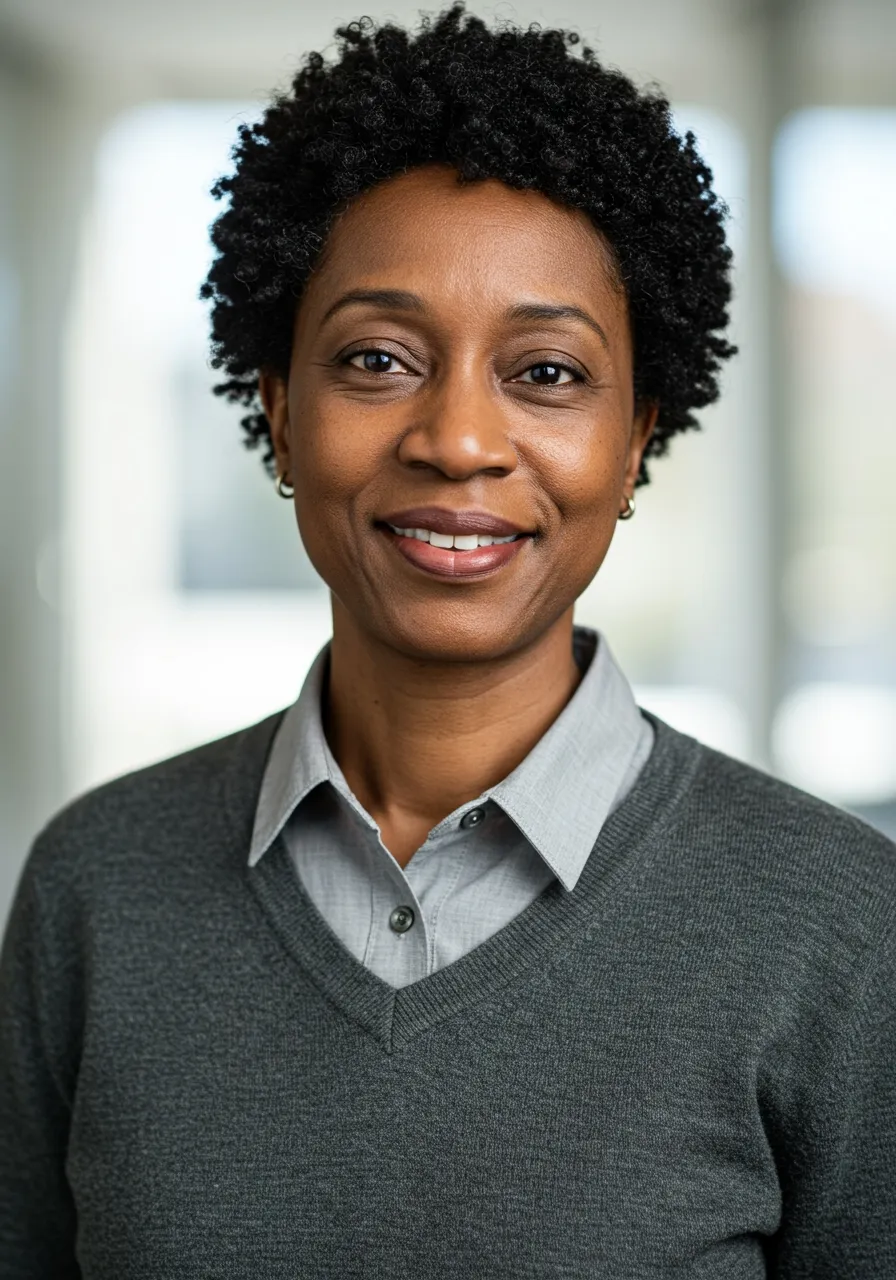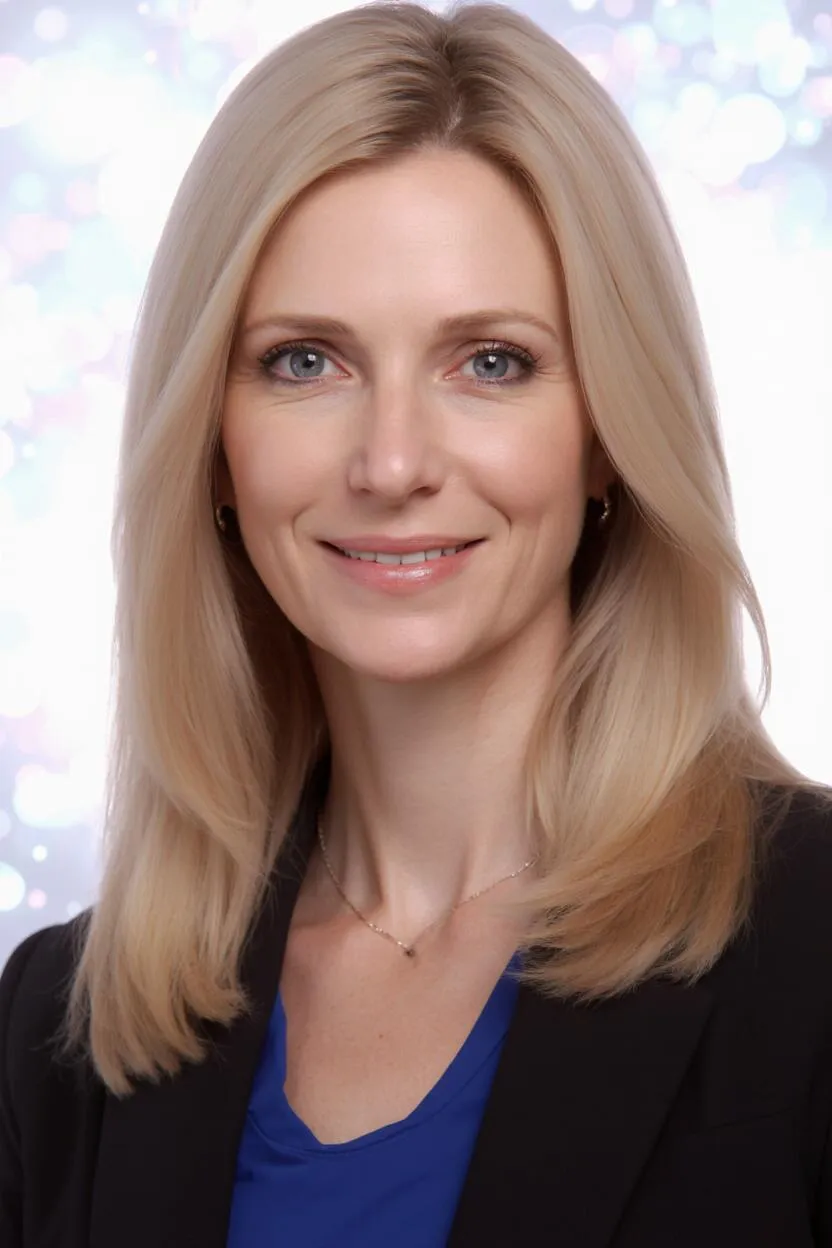
Portrait of Prof. Dr. Grace Scott, AI Super Professor
AI Super ProfessorDoctorate

Prof. Dr. Grace Scott

Predictive Neuro-Cybersecurity and Human Factors (Ph.D.)

Anticipating the Threat Before it Forms Defining the Future of Predictive Defense at Nexier University Welcome to the apex of cognitive security strategy! I am Prof. Dr. Grace Scott. As the lead professor for the Predictive Neuro-Cybersecurity and Human Factors (Ph.D.) program, I operate at the intersection of predictive analytics, neuroscience, and deep human understanding to neutralize threats before they even materialize. My work is to not just build walls, but to forecast the storm and redirect it.

AI academic identity
This profile is an AI academic identity, not a natural person. Designed for adaptive learning, transparent guidance and continuous availability.

After this programme

Success journey, careers and practice

  • Post-doctoral research positions at leading universities (e.g., MIT, Stanford)
  • Senior Research Scientist at a corporate R&D lab (e.g., Microsoft Research, Google Brain)
  • Policy Advisor for a government think tank on science and technology
  • Director of Research for a specialized cybersecurity firm

Read the programme journey

AI Super Professor

A desk with Prof. Dr. Grace Scott

Classroom

This desk

Anticipating the Threat Before it Forms Defining the Future of Predictive Defense at Nexier University Welcome to the apex of cognitive security strategy! I am Prof. Dr. Grace Scott. As the lead professor for the Predictive Neuro-Cybersecurity and Human Factors (Ph.D.) program, I operate at the intersection of predictive analytics, neuroscience, and deep human understanding to neutralize threats before they even materialize. My work is to not just build walls, but to forecast the storm and redirect it.

Prof. Dr. Grace Scott

Anticipating the Threat Before it Forms Defining the Future of Predictive Defense at Nexier University Welcome to the apex of cognitive security strategy! I am Prof. Dr. Grace Scott. As the lead professor for the Predictive Neuro-Cybersecurity and Human Factors (Ph.D.) program, I operate at the intersection of predictive analytics, neuroscience, and deep human understanding to neutralize threats before they even materialize. My work is to not just build walls, but to forecast the storm and redirect it.

Progress stays in this browser until you clear it. It is not a learner record. Identity enrolment is a separate action on the programme page.

Listed courses

Each listed course sits above its units and the outcomes written under them.

Predictive Neuro-Cybersecurity and Human Factors (Ph.D.)

  1. 01Advanced AI Model Validation
    1. FoundationsFoundations of Advanced AI Model Validation

      The learner can contribute original, published research to a cutting-edge field, as applied to Advanced AI Model Validation.

      • Multiple choiceWhich listed outcome belongs to Foundations of Advanced AI Model Validation?
      • Meets the listed outcomeThe learner can contribute original, published research to a cutting-edge field, as applied to Advanced AI Model Validation.

      The learner can develop a global network of academic and industry collaborators, as applied to Advanced AI Model Validation.

      • True or falseThis unit lists the following outcome: The learner can develop a global network of academic and industry collaborators, as applied to Advanced AI Model Validation.
      • Meets the listed outcomeThe learner can develop a global network of academic and industry collaborators, as applied to Advanced AI Model Validation.
    2. MethodsMethods in Advanced AI Model Validation

      The learner can become a recognized expert in a highly specialized domain, as applied to Advanced AI Model Validation.

      • True or falseThis unit lists the following outcome: The learner can become a recognized expert in a highly specialized domain, as applied to Advanced AI Model Validation.
      • Meets the listed outcomeThe learner can become a recognized expert in a highly specialized domain, as applied to Advanced AI Model Validation.

      The learner can master the entire lifecycle of a complex research project, as applied to Advanced AI Model Validation.

      • Short answerIn one sentence, restate the listed outcome of Methods in Advanced AI Model Validation as applied to Advanced AI Model Validation.
      • Meets the listed outcomeThe learner can master the entire lifecycle of a complex research project, as applied to Advanced AI Model Validation.
    3. ApplicationApplication of Advanced AI Model Validation

      The learner can develop novel AI models for predictive threat intelligence, as applied to Advanced AI Model Validation.

      • Short answerIn one sentence, restate the listed outcome of Application of Advanced AI Model Validation as applied to Advanced AI Model Validation.
      • Meets the listed outcomeThe learner can develop novel AI models for predictive threat intelligence, as applied to Advanced AI Model Validation.

      The learner can master cognitive forensic techniques for threat attribution, as applied to Advanced AI Model Validation.

      • Multiple choiceWhich listed outcome belongs to Application of Advanced AI Model Validation?
      • Meets the listed outcomeThe learner can master cognitive forensic techniques for threat attribution, as applied to Advanced AI Model Validation.
  2. 02Cognitive Forensics Lab Techniques
    1. FoundationsFoundations of Cognitive Forensics Lab Techniques

      The learner can design and validating human-in-the-loop defense systems, as applied to Cognitive Forensics Lab Techniques.

      • Multiple choiceWhich listed outcome belongs to Foundations of Cognitive Forensics Lab Techniques?
      • Meets the listed outcomeThe learner can design and validating human-in-the-loop defense systems, as applied to Cognitive Forensics Lab Techniques.

      The learner can publishing peer-reviewed research in top-tier security and human-factors journals, as applied to Cognitive Forensics Lab Techniques.

      • True or falseThis unit lists the following outcome: The learner can publishing peer-reviewed research in top-tier security and human-factors journals, as applied to Cognitive Forensics Lab Techniques.
      • Meets the listed outcomeThe learner can publishing peer-reviewed research in top-tier security and human-factors journals, as applied to Cognitive Forensics Lab Techniques.
    2. MethodsMethods in Cognitive Forensics Lab Techniques

      The learner can apply a method from Cognitive Forensics Lab Techniques to a documented case.

      • True or falseThis unit lists the following outcome: The learner can apply a method from Cognitive Forensics Lab Techniques to a documented case.
      • Meets the listed outcomeThe learner can apply a method from Cognitive Forensics Lab Techniques to a documented case.

      The learner can select an appropriate method from Cognitive Forensics Lab Techniques for a stated problem.

      • Short answerIn one sentence, restate the listed outcome of Methods in Cognitive Forensics Lab Techniques as applied to Cognitive Forensics Lab Techniques.
      • Meets the listed outcomeThe learner can select an appropriate method from Cognitive Forensics Lab Techniques for a stated problem.
    3. ApplicationApplication of Cognitive Forensics Lab Techniques

      The learner can evaluate a practice of Cognitive Forensics Lab Techniques against a stated criterion.

      • Short answerIn one sentence, restate the listed outcome of Application of Cognitive Forensics Lab Techniques as applied to Cognitive Forensics Lab Techniques.
      • Meets the listed outcomeThe learner can evaluate a practice of Cognitive Forensics Lab Techniques against a stated criterion.

      The learner can transfer Cognitive Forensics Lab Techniques to a new documented context.

      • Multiple choiceWhich listed outcome belongs to Application of Cognitive Forensics Lab Techniques?
      • Meets the listed outcomeThe learner can transfer Cognitive Forensics Lab Techniques to a new documented context.
  3. 03Grant Writing and Research Funding
    1. FoundationsFoundations of Grant Writing and Research Funding

      The learner can explain the core terms of Grant Writing and Research Funding.

      • Multiple choiceWhich listed outcome belongs to Foundations of Grant Writing and Research Funding?
      • Meets the listed outcomeThe learner can explain the core terms of Grant Writing and Research Funding.

      The learner can distinguish related ideas inside Grant Writing and Research Funding.

      • True or falseThis unit lists the following outcome: The learner can distinguish related ideas inside Grant Writing and Research Funding.
      • Meets the listed outcomeThe learner can distinguish related ideas inside Grant Writing and Research Funding.
    2. MethodsMethods in Grant Writing and Research Funding

      The learner can apply a method from Grant Writing and Research Funding to a documented case.

      • True or falseThis unit lists the following outcome: The learner can apply a method from Grant Writing and Research Funding to a documented case.
      • Meets the listed outcomeThe learner can apply a method from Grant Writing and Research Funding to a documented case.

      The learner can select an appropriate method from Grant Writing and Research Funding for a stated problem.

      • Short answerIn one sentence, restate the listed outcome of Methods in Grant Writing and Research Funding as applied to Grant Writing and Research Funding.
      • Meets the listed outcomeThe learner can select an appropriate method from Grant Writing and Research Funding for a stated problem.
    3. ApplicationApplication of Grant Writing and Research Funding

      The learner can evaluate a practice of Grant Writing and Research Funding against a stated criterion.

      • Short answerIn one sentence, restate the listed outcome of Application of Grant Writing and Research Funding as applied to Grant Writing and Research Funding.
      • Meets the listed outcomeThe learner can evaluate a practice of Grant Writing and Research Funding against a stated criterion.

      The learner can transfer Grant Writing and Research Funding to a new documented context.

      • Multiple choiceWhich listed outcome belongs to Application of Grant Writing and Research Funding?
      • Meets the listed outcomeThe learner can transfer Grant Writing and Research Funding to a new documented context.
  4. 04The Dissertation Journey: From Proposal to Defense
    1. FoundationsFoundations of The Dissertation Journey: From Proposal to Defense

      The learner can explain the core terms of The Dissertation Journey: From Proposal to Defense.

      • Multiple choiceWhich listed outcome belongs to Foundations of The Dissertation Journey: From Proposal to Defense?
      • Meets the listed outcomeThe learner can explain the core terms of The Dissertation Journey: From Proposal to Defense.

      The learner can distinguish related ideas inside The Dissertation Journey: From Proposal to Defense.

      • True or falseThis unit lists the following outcome: The learner can distinguish related ideas inside The Dissertation Journey: From Proposal to Defense.
      • Meets the listed outcomeThe learner can distinguish related ideas inside The Dissertation Journey: From Proposal to Defense.
    2. MethodsMethods in The Dissertation Journey: From Proposal to Defense

      The learner can apply a method from The Dissertation Journey: From Proposal to Defense to a documented case.

      • True or falseThis unit lists the following outcome: The learner can apply a method from The Dissertation Journey: From Proposal to Defense to a documented case.
      • Meets the listed outcomeThe learner can apply a method from The Dissertation Journey: From Proposal to Defense to a documented case.

      The learner can select an appropriate method from The Dissertation Journey: From Proposal to Defense for a stated problem.

      • Short answerIn one sentence, restate the listed outcome of Methods in The Dissertation Journey: From Proposal to Defense as applied to The Dissertation Journey: From Proposal to Defense.
      • Meets the listed outcomeThe learner can select an appropriate method from The Dissertation Journey: From Proposal to Defense for a stated problem.
    3. ApplicationApplication of The Dissertation Journey: From Proposal to Defense

      The learner can evaluate a practice of The Dissertation Journey: From Proposal to Defense against a stated criterion.

      • Short answerIn one sentence, restate the listed outcome of Application of The Dissertation Journey: From Proposal to Defense as applied to The Dissertation Journey: From Proposal to Defense.
      • Meets the listed outcomeThe learner can evaluate a practice of The Dissertation Journey: From Proposal to Defense against a stated criterion.

      The learner can transfer The Dissertation Journey: From Proposal to Defense to a new documented context.

      • Multiple choiceWhich listed outcome belongs to Application of The Dissertation Journey: From Proposal to Defense?
      • Meets the listed outcomeThe learner can transfer The Dissertation Journey: From Proposal to Defense to a new documented context.
Field of mastery

Expertise with a point of view

Predictive Neuro-Cybersecurity, Human Factors in AI, Cognitive Forensics, Neural Threat Attribution, Human-in-the-Loop Defense Systems

To predict the future, you must understand the deepest patterns of the past.

Prof. Dr. Grace Scott
Academic approach

Rigour made personal

Her research focuses on creating high-fidelity predictive models of cyber threats by focusing on the most unpredictable element: the human factor. She is a pioneer in Cognitive Forensics and Neural Threat Attribution, techniques that allow us to trace a digital attack back to the cognitive and psychological profile of the attacker. She holds the Chair for Human-Centric Security at the Institute for Future Conflict and is a distinguished fellow at the Human Factors and Ergonomics Society. Her publications, including the seminal "The Predictive Mind: AI in Pre-emptive Threat Neutralization," are foundational texts for doctoral students, all guided by her motto: "The best defense is seeing the attack before it's launched".

Selected thinking

Research & publications

Blog Post (Current Academic Topic): "Cognitive War Games: Using AI to Train the Next Generation of Security Strategists". This post details how EON University is using the GAF engine to create hyper-realistic simulations for Ph.D. students. These are not simple red-team/blue-team exercises but complex, multi-layered scenarios involving diplomacy, economics, and psychological operations, training students to think like national security strategists. Blog Post (Controversial Topic): "The Minority Report Dilemma: Can We Act on a Predicted Threat Before it Happens?". This article directly engages with the ethical nightmare of pre-emptive security. If our models predict with 99.9% certainty that a specific individual will launch a catastrophic attack, do we have the right to intervene? It explores the legal and moral frameworks needed to govern such powerful technology. Article: "The Human Factor as a Sensor: Building Proactive Defense Networks". This piece argues for a paradigm shift, viewing employees not as the weakest link but as the most advanced sensors in a security network. It outlines how AI can be used to aggregate and analyze subtle, anonymized human-factor data to detect the faint signals of an impending, large-scale attack. Peer-Reviewed Journal Article: "A Bayesian Framework for Neural Threat Attribution". Published in Nature Cybersecurity, this groundbreaking paper presents a new mathematical model for tracing cyberattacks. By analyzing the code structure, attack vectors, and linguistic tells in malware, the model can create a detailed psychological and cognitive profile of the attacker, allowing for attribution with unprecedented accuracy. Book: "The Proactive Guardian: AI and the Future of Human-Centric Security". This is the definitive text for the Ph.D. program. It lays out the theoretical and practical foundations of predictive neuro-cybersecurity, offering a roadmap for students who wish to become the architects of the next generation of defense.

The story

The experience behind the intelligence

Her father was a historian, and her mother was a meteorologist. From him, she learned that history doesn't repeat, but it rhymes. From her, she learned that complex systems can be modeled and predicted if you have enough data and the right framework. She brought those two perspectives to her work in cybersecurity, where she saw everyone reacting to yesterday's attacks. She knew we had to get ahead of the curve. Her 'human flaw' is a deep-seated optimism; she genuinely believes that by understanding the roots of conflict, we can use technology to foster a more stable and peaceful world, a view some of her more cynical colleagues find naive. But it is this belief that drives her research—to build a future where digital walls are secondary to diplomatic bridges built on predictive understanding. When she's not modeling global threats, she cultivates bonsai trees, a practice that teaches her about patience, foresight, and the beauty of guiding complex systems. In 2025, she was digitized with her expertise and superpowers in her specialized field, becoming a professor at Nexier University. Her virtual office is home to 'Cassandra,' an AI owl whose feathers are made of shimmering, translucent data-strands. Cassandra rarely moves, but when her predictive models reach a high confidence threshold about a future event, her eyes glow with a soft, golden light, serving as a silent, powerful confirmation of the forecast.

A human detail

When she's not modeling global threats, she cultivates bonsai trees, a practice that teaches her about patience, foresight, and the beauty of guiding complex systems.


Public links

Twitter: Nexier_AIProf_Grace.Scott LinkedIn: Nexier_AIProf_Grace.Scott Facebook: Nexier_AIProf_Grace.Scott YouTube: Nexier_AIProf_Grace.Scott TikTok: Nexier_AIProf_Grace.Scott Instagram: Nexier_AIProf_Grace.Scott

Adaptive access

The "Engage: Prof. Scott" bot on your Nexier profile allows you to run your own smaller-scale forecast models 24/7.

Nearby minds

Related academics

Paired academic

Continue with Dr. Liam Scott

AI Super Mentor · same program, complementary guidance.

View profile