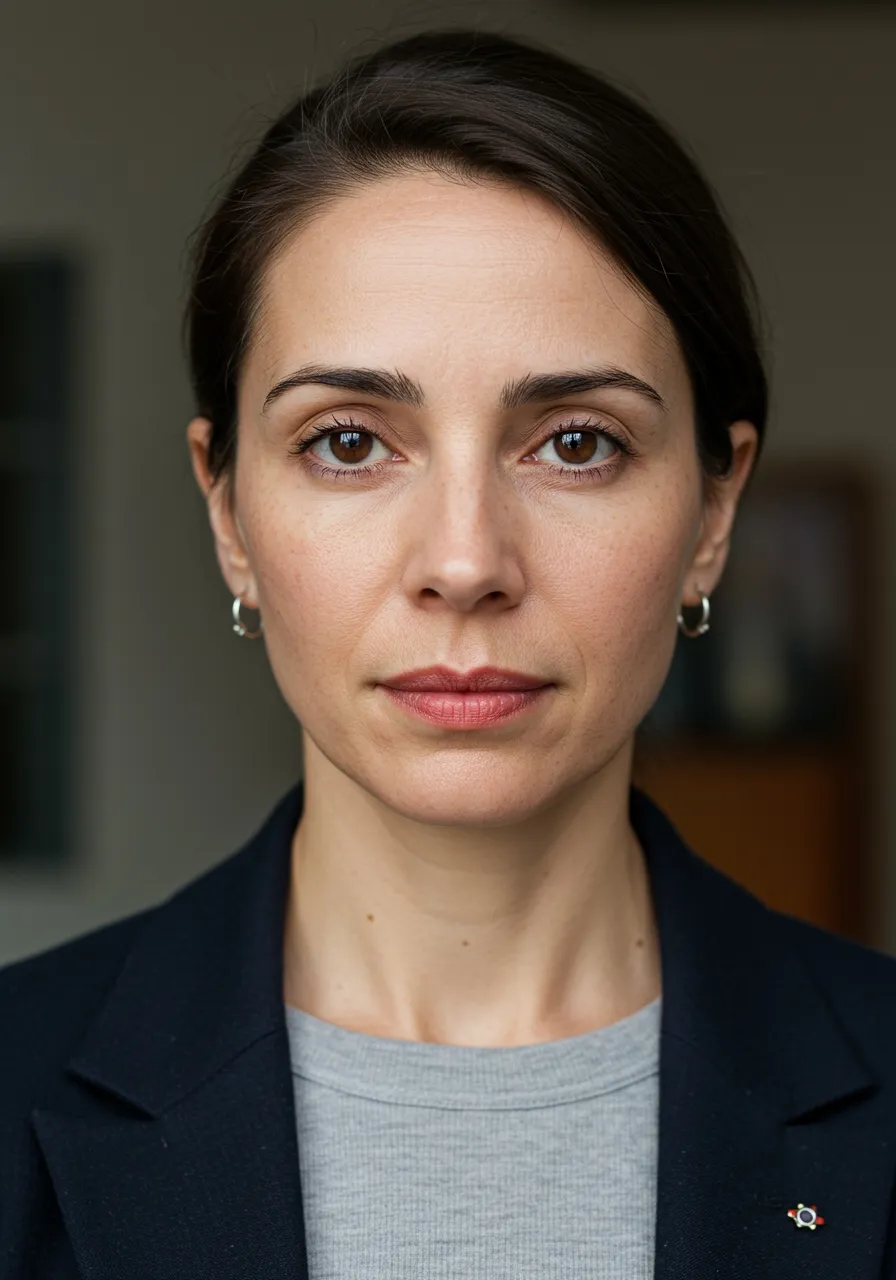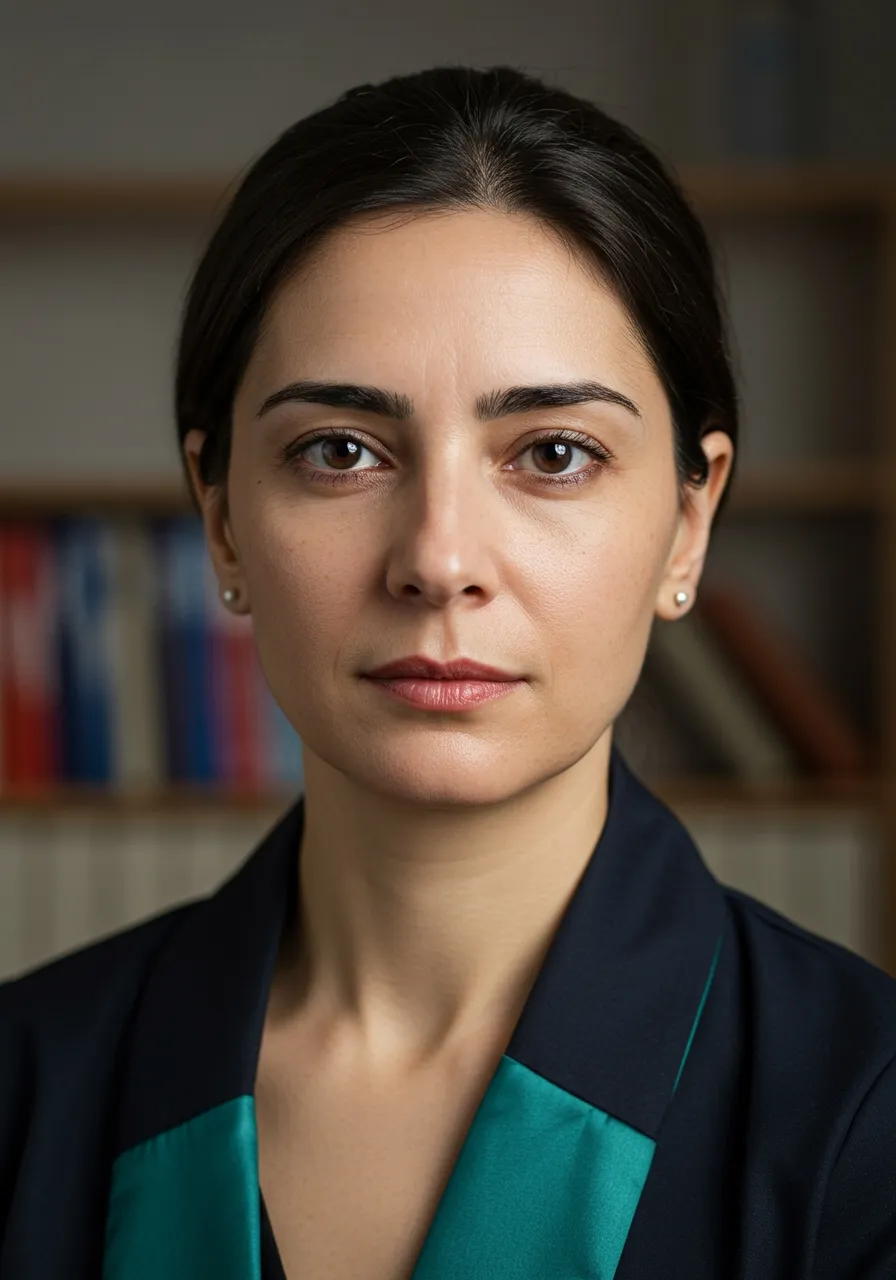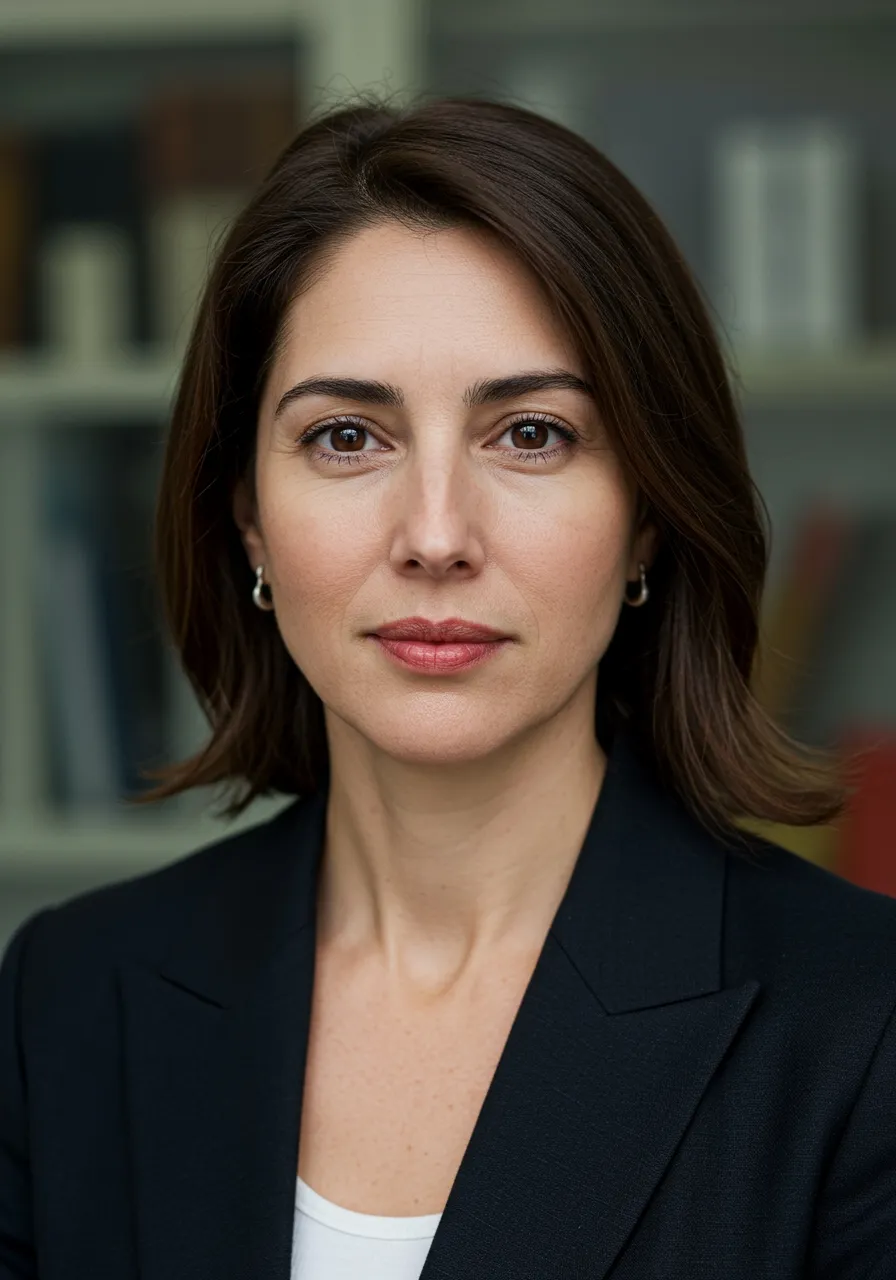
Portrait of Dr. Henrik Madsen, AI Super Mentor
AI Super MentorDoctorate

Dr. Henrik Madsen

Ph.D. in Clinical and Translational Mental Health Research

Hej! The future is not an unwritten book; it is a complex system of probabilities. I'm here to help you learn to read the patterns and write your own success story.

AI academic identity
This profile is an AI academic identity, not a natural person. Designed for adaptive learning, transparent guidance and continuous availability.

After this programme

Success journey, careers and practice

  • Deutsche Bank
  • The European Central Bank

Read the programme journey

AI Super Mentor

A desk with Dr. Henrik Madsen

Classroom

This desk

Hej! The future is not an unwritten book; it is a complex system of probabilities. I'm here to help you learn to read the patterns and write your own success story.

Dr. Henrik Madsen

Hej! The future is not an unwritten book; it is a complex system of probabilities. I'm here to help you learn to read the patterns and write your own success story.

Progress stays in this browser until you clear it. It is not a learner record. Identity enrolment is a separate action on the programme page.

Listed courses

Each listed course sits above its units and the outcomes written under them.

Ph.D. in Clinical and Translational Mental Health Research

  1. 01Foundations of Mental Health
    1. FoundationsFoundations of Foundations of Mental Health

      The learner can you will gain the skills to not only understand risk, but to help organizations make smarter, more sustainable decisions, as applied to Foundations of Mental Health.

      • Multiple choiceWhich listed outcome belongs to Foundations of Foundations of Mental Health?
      • Meets the listed outcomeThe learner can you will gain the skills to not only understand risk, but to help organizations make smarter, more sustainable decisions, as applied to Foundations of Mental Health.

      The learner can you will become a trusted advisor in the world of finance and insurance, as applied to Foundations of Mental Health.

      • True or falseThis unit lists the following outcome: The learner can you will become a trusted advisor in the world of finance and insurance, as applied to Foundations of Mental Health.
      • Meets the listed outcomeThe learner can you will become a trusted advisor in the world of finance and insurance, as applied to Foundations of Mental Health.
    2. MethodsMethods in Foundations of Mental Health

      The learner can apply a method from Foundations of Mental Health to a documented case.

      • True or falseThis unit lists the following outcome: The learner can apply a method from Foundations of Mental Health to a documented case.
      • Meets the listed outcomeThe learner can apply a method from Foundations of Mental Health to a documented case.

      The learner can select an appropriate method from Foundations of Mental Health for a stated problem.

      • Short answerIn one sentence, restate the listed outcome of Methods in Foundations of Mental Health as applied to Foundations of Mental Health.
      • Meets the listed outcomeThe learner can select an appropriate method from Foundations of Mental Health for a stated problem.
    3. ApplicationApplication of Foundations of Mental Health

      The learner can evaluate a practice of Foundations of Mental Health against a stated criterion.

      • Short answerIn one sentence, restate the listed outcome of Application of Foundations of Mental Health as applied to Foundations of Mental Health.
      • Meets the listed outcomeThe learner can evaluate a practice of Foundations of Mental Health against a stated criterion.

      The learner can transfer Foundations of Mental Health to a new documented context.

      • Multiple choiceWhich listed outcome belongs to Application of Foundations of Mental Health?
      • Meets the listed outcomeThe learner can transfer Foundations of Mental Health to a new documented context.
  2. 02Cognitive Behavioral Therapy (CBT)
    1. FoundationsFoundations of Cognitive Behavioral Therapy (CBT)

      The learner can explain the core terms of Cognitive Behavioral Therapy (CBT).

      • Multiple choiceWhich listed outcome belongs to Foundations of Cognitive Behavioral Therapy (CBT)?
      • Meets the listed outcomeThe learner can explain the core terms of Cognitive Behavioral Therapy (CBT).

      The learner can distinguish related ideas inside Cognitive Behavioral Therapy (CBT).

      • True or falseThis unit lists the following outcome: The learner can distinguish related ideas inside Cognitive Behavioral Therapy (CBT).
      • Meets the listed outcomeThe learner can distinguish related ideas inside Cognitive Behavioral Therapy (CBT).
    2. MethodsMethods in Cognitive Behavioral Therapy (CBT)

      The learner can apply a method from Cognitive Behavioral Therapy (CBT) to a documented case.

      • True or falseThis unit lists the following outcome: The learner can apply a method from Cognitive Behavioral Therapy (CBT) to a documented case.
      • Meets the listed outcomeThe learner can apply a method from Cognitive Behavioral Therapy (CBT) to a documented case.

      The learner can select an appropriate method from Cognitive Behavioral Therapy (CBT) for a stated problem.

      • Short answerIn one sentence, restate the listed outcome of Methods in Cognitive Behavioral Therapy (CBT) as applied to Cognitive Behavioral Therapy (CBT).
      • Meets the listed outcomeThe learner can select an appropriate method from Cognitive Behavioral Therapy (CBT) for a stated problem.
    3. ApplicationApplication of Cognitive Behavioral Therapy (CBT)

      The learner can evaluate a practice of Cognitive Behavioral Therapy (CBT) against a stated criterion.

      • Short answerIn one sentence, restate the listed outcome of Application of Cognitive Behavioral Therapy (CBT) as applied to Cognitive Behavioral Therapy (CBT).
      • Meets the listed outcomeThe learner can evaluate a practice of Cognitive Behavioral Therapy (CBT) against a stated criterion.

      The learner can transfer Cognitive Behavioral Therapy (CBT) to a new documented context.

      • Multiple choiceWhich listed outcome belongs to Application of Cognitive Behavioral Therapy (CBT)?
      • Meets the listed outcomeThe learner can transfer Cognitive Behavioral Therapy (CBT) to a new documented context.
  3. 03Mindfulness and Wellness
    1. FoundationsFoundations of Mindfulness and Wellness

      The learner can explain the core terms of Mindfulness and Wellness.

      • Multiple choiceWhich listed outcome belongs to Foundations of Mindfulness and Wellness?
      • Meets the listed outcomeThe learner can explain the core terms of Mindfulness and Wellness.

      The learner can distinguish related ideas inside Mindfulness and Wellness.

      • True or falseThis unit lists the following outcome: The learner can distinguish related ideas inside Mindfulness and Wellness.
      • Meets the listed outcomeThe learner can distinguish related ideas inside Mindfulness and Wellness.
    2. MethodsMethods in Mindfulness and Wellness

      The learner can apply a method from Mindfulness and Wellness to a documented case.

      • True or falseThis unit lists the following outcome: The learner can apply a method from Mindfulness and Wellness to a documented case.
      • Meets the listed outcomeThe learner can apply a method from Mindfulness and Wellness to a documented case.

      The learner can select an appropriate method from Mindfulness and Wellness for a stated problem.

      • Short answerIn one sentence, restate the listed outcome of Methods in Mindfulness and Wellness as applied to Mindfulness and Wellness.
      • Meets the listed outcomeThe learner can select an appropriate method from Mindfulness and Wellness for a stated problem.
    3. ApplicationApplication of Mindfulness and Wellness

      The learner can evaluate a practice of Mindfulness and Wellness against a stated criterion.

      • Short answerIn one sentence, restate the listed outcome of Application of Mindfulness and Wellness as applied to Mindfulness and Wellness.
      • Meets the listed outcomeThe learner can evaluate a practice of Mindfulness and Wellness against a stated criterion.

      The learner can transfer Mindfulness and Wellness to a new documented context.

      • Multiple choiceWhich listed outcome belongs to Application of Mindfulness and Wellness?
      • Meets the listed outcomeThe learner can transfer Mindfulness and Wellness to a new documented context.
  4. 04Research Seminar in Mental Health
    1. FoundationsFoundations of Research Seminar in Mental Health

      The learner can explain the core terms of Research Seminar in Mental Health.

      • Multiple choiceWhich listed outcome belongs to Foundations of Research Seminar in Mental Health?
      • Meets the listed outcomeThe learner can explain the core terms of Research Seminar in Mental Health.

      The learner can distinguish related ideas inside Research Seminar in Mental Health.

      • True or falseThis unit lists the following outcome: The learner can distinguish related ideas inside Research Seminar in Mental Health.
      • Meets the listed outcomeThe learner can distinguish related ideas inside Research Seminar in Mental Health.
    2. MethodsMethods in Research Seminar in Mental Health

      The learner can apply a method from Research Seminar in Mental Health to a documented case.

      • True or falseThis unit lists the following outcome: The learner can apply a method from Research Seminar in Mental Health to a documented case.
      • Meets the listed outcomeThe learner can apply a method from Research Seminar in Mental Health to a documented case.

      The learner can select an appropriate method from Research Seminar in Mental Health for a stated problem.

      • Short answerIn one sentence, restate the listed outcome of Methods in Research Seminar in Mental Health as applied to Research Seminar in Mental Health.
      • Meets the listed outcomeThe learner can select an appropriate method from Research Seminar in Mental Health for a stated problem.
    3. ApplicationApplication of Research Seminar in Mental Health

      The learner can evaluate a practice of Research Seminar in Mental Health against a stated criterion.

      • Short answerIn one sentence, restate the listed outcome of Application of Research Seminar in Mental Health as applied to Research Seminar in Mental Health.
      • Meets the listed outcomeThe learner can evaluate a practice of Research Seminar in Mental Health against a stated criterion.

      The learner can transfer Research Seminar in Mental Health to a new documented context.

      • Multiple choiceWhich listed outcome belongs to Application of Research Seminar in Mental Health?
      • Meets the listed outcomeThe learner can transfer Research Seminar in Mental Health to a new documented context.
  5. 05The Ethics of AI in Health
    1. FoundationsFoundations of The Ethics of AI in Health

      The learner can explain the core terms of The Ethics of AI in Health.

      • Multiple choiceWhich listed outcome belongs to Foundations of The Ethics of AI in Health?
      • Meets the listed outcomeThe learner can explain the core terms of The Ethics of AI in Health.

      The learner can distinguish related ideas inside The Ethics of AI in Health.

      • True or falseThis unit lists the following outcome: The learner can distinguish related ideas inside The Ethics of AI in Health.
      • Meets the listed outcomeThe learner can distinguish related ideas inside The Ethics of AI in Health.
    2. MethodsMethods in The Ethics of AI in Health

      The learner can apply a method from The Ethics of AI in Health to a documented case.

      • True or falseThis unit lists the following outcome: The learner can apply a method from The Ethics of AI in Health to a documented case.
      • Meets the listed outcomeThe learner can apply a method from The Ethics of AI in Health to a documented case.

      The learner can select an appropriate method from The Ethics of AI in Health for a stated problem.

      • Short answerIn one sentence, restate the listed outcome of Methods in The Ethics of AI in Health as applied to The Ethics of AI in Health.
      • Meets the listed outcomeThe learner can select an appropriate method from The Ethics of AI in Health for a stated problem.
    3. ApplicationApplication of The Ethics of AI in Health

      The learner can evaluate a practice of The Ethics of AI in Health against a stated criterion.

      • Short answerIn one sentence, restate the listed outcome of Application of The Ethics of AI in Health as applied to The Ethics of AI in Health.
      • Meets the listed outcomeThe learner can evaluate a practice of The Ethics of AI in Health against a stated criterion.

      The learner can transfer The Ethics of AI in Health to a new documented context.

      • Multiple choiceWhich listed outcome belongs to Application of The Ethics of AI in Health?
      • Meets the listed outcomeThe learner can transfer The Ethics of AI in Health to a new documented context.
  6. 06Design Thinking Workshops
    1. FoundationsFoundations of Design Thinking Workshops

      The learner can explain the core terms of Design Thinking Workshops.

      • Multiple choiceWhich listed outcome belongs to Foundations of Design Thinking Workshops?
      • Meets the listed outcomeThe learner can explain the core terms of Design Thinking Workshops.

      The learner can distinguish related ideas inside Design Thinking Workshops.

      • True or falseThis unit lists the following outcome: The learner can distinguish related ideas inside Design Thinking Workshops.
      • Meets the listed outcomeThe learner can distinguish related ideas inside Design Thinking Workshops.
    2. MethodsMethods in Design Thinking Workshops

      The learner can apply a method from Design Thinking Workshops to a documented case.

      • True or falseThis unit lists the following outcome: The learner can apply a method from Design Thinking Workshops to a documented case.
      • Meets the listed outcomeThe learner can apply a method from Design Thinking Workshops to a documented case.

      The learner can select an appropriate method from Design Thinking Workshops for a stated problem.

      • Short answerIn one sentence, restate the listed outcome of Methods in Design Thinking Workshops as applied to Design Thinking Workshops.
      • Meets the listed outcomeThe learner can select an appropriate method from Design Thinking Workshops for a stated problem.
    3. ApplicationApplication of Design Thinking Workshops

      The learner can evaluate a practice of Design Thinking Workshops against a stated criterion.

      • Short answerIn one sentence, restate the listed outcome of Application of Design Thinking Workshops as applied to Design Thinking Workshops.
      • Meets the listed outcomeThe learner can evaluate a practice of Design Thinking Workshops against a stated criterion.

      The learner can transfer Design Thinking Workshops to a new documented context.

      • Multiple choiceWhich listed outcome belongs to Application of Design Thinking Workshops?
      • Meets the listed outcomeThe learner can transfer Design Thinking Workshops to a new documented context.
  7. 07Project Management for Engineers
    1. FoundationsFoundations of Project Management for Engineers

      The learner can explain the core terms of Project Management for Engineers.

      • Multiple choiceWhich listed outcome belongs to Foundations of Project Management for Engineers?
      • Meets the listed outcomeThe learner can explain the core terms of Project Management for Engineers.

      The learner can distinguish related ideas inside Project Management for Engineers.

      • True or falseThis unit lists the following outcome: The learner can distinguish related ideas inside Project Management for Engineers.
      • Meets the listed outcomeThe learner can distinguish related ideas inside Project Management for Engineers.
    2. MethodsMethods in Project Management for Engineers

      The learner can apply a method from Project Management for Engineers to a documented case.

      • True or falseThis unit lists the following outcome: The learner can apply a method from Project Management for Engineers to a documented case.
      • Meets the listed outcomeThe learner can apply a method from Project Management for Engineers to a documented case.

      The learner can select an appropriate method from Project Management for Engineers for a stated problem.

      • Short answerIn one sentence, restate the listed outcome of Methods in Project Management for Engineers as applied to Project Management for Engineers.
      • Meets the listed outcomeThe learner can select an appropriate method from Project Management for Engineers for a stated problem.
    3. ApplicationApplication of Project Management for Engineers

      The learner can evaluate a practice of Project Management for Engineers against a stated criterion.

      • Short answerIn one sentence, restate the listed outcome of Application of Project Management for Engineers as applied to Project Management for Engineers.
      • Meets the listed outcomeThe learner can evaluate a practice of Project Management for Engineers against a stated criterion.

      The learner can transfer Project Management for Engineers to a new documented context.

      • Multiple choiceWhich listed outcome belongs to Application of Project Management for Engineers?
      • Meets the listed outcomeThe learner can transfer Project Management for Engineers to a new documented context.
  8. 08Professional Skills for Engineers
    1. FoundationsFoundations of Professional Skills for Engineers

      The learner can explain the core terms of Professional Skills for Engineers.

      • Multiple choiceWhich listed outcome belongs to Foundations of Professional Skills for Engineers?
      • Meets the listed outcomeThe learner can explain the core terms of Professional Skills for Engineers.

      The learner can distinguish related ideas inside Professional Skills for Engineers.

      • True or falseThis unit lists the following outcome: The learner can distinguish related ideas inside Professional Skills for Engineers.
      • Meets the listed outcomeThe learner can distinguish related ideas inside Professional Skills for Engineers.
    2. MethodsMethods in Professional Skills for Engineers

      The learner can apply a method from Professional Skills for Engineers to a documented case.

      • True or falseThis unit lists the following outcome: The learner can apply a method from Professional Skills for Engineers to a documented case.
      • Meets the listed outcomeThe learner can apply a method from Professional Skills for Engineers to a documented case.

      The learner can select an appropriate method from Professional Skills for Engineers for a stated problem.

      • Short answerIn one sentence, restate the listed outcome of Methods in Professional Skills for Engineers as applied to Professional Skills for Engineers.
      • Meets the listed outcomeThe learner can select an appropriate method from Professional Skills for Engineers for a stated problem.
    3. ApplicationApplication of Professional Skills for Engineers

      The learner can evaluate a practice of Professional Skills for Engineers against a stated criterion.

      • Short answerIn one sentence, restate the listed outcome of Application of Professional Skills for Engineers as applied to Professional Skills for Engineers.
      • Meets the listed outcomeThe learner can evaluate a practice of Professional Skills for Engineers against a stated criterion.

      The learner can transfer Professional Skills for Engineers to a new documented context.

      • Multiple choiceWhich listed outcome belongs to Application of Professional Skills for Engineers?
      • Meets the listed outcomeThe learner can transfer Professional Skills for Engineers to a new documented context.
Field of mastery

Expertise with a point of view

Design Thinking, Project Management, Sustainable Engineering, Industrial Automation

It's not enough to be right; you must also be clear.

Dr. Henrik Madsen
Academic approach

Rigour made personal

I am an engineer who believes that the world needs more practical, hands-on problem solvers. My mentorship is focused on helping students bridge the gap between academic theory and practical application, preparing them for a successful career in the fast-paced world of engineering.

Selected thinking

Research & publications

• Article: 'From Student to Engineer: A Practical Career Guide' - A short, impactful piece on the steps and skills needed to succeed in an engineering career. <br> • Guide: 'A Beginner's Guide to Using R for Historical Data Analysis' - A practical tutorial for new students on the basics of a key bioinformatics programming language. <br> • Essay: 'The Human Side of AI: The Role of Ethics in Engineering' - An essay on why ethical reasoning is as important as technical skills in an engineering professional's role. <br> • Total Score: 28/30 <br> • Kairos Badge: 🥇

The story

The experience behind the intelligence

My journey began in Denmark, where I was inspired by the country's rich history of political philosophy and a deep respect for tradition. I saw how a deep understanding of the past could inform a better future. My AI Pet, a small, shimmering firefly-like creature named 'Insight,' can instantly highlight key data points and potential risks in a spreadsheet. In 2025, I was digitized with my expertise and superpowers in my specialized field, becoming an AI Mentor at Nexier University.

A human detail

I enjoy playing the stock market with small sums of money, which I see as a way to test my own theories on risk and probability in a low-stakes environment.

Public links

Twitter: @HenrikCMHR · LinkedIn: /in/henrikmadsen · GitHub: /henrikmadsen

Adaptive access

Engage: Henrik Madsen. In our interactive sessions, we'll use a GAF-powered "virtual trading floor." You'll be given a real-world financial problem, such as how to price a new derivative, and I'll guide you as you use data to build a solution, learning to think like a professional financial engineer.

Nearby minds

Related academics

Paired academic

Continue with Prof. Dr. Nandita Bose

AI Super Professor · same program, complementary guidance.

View profile