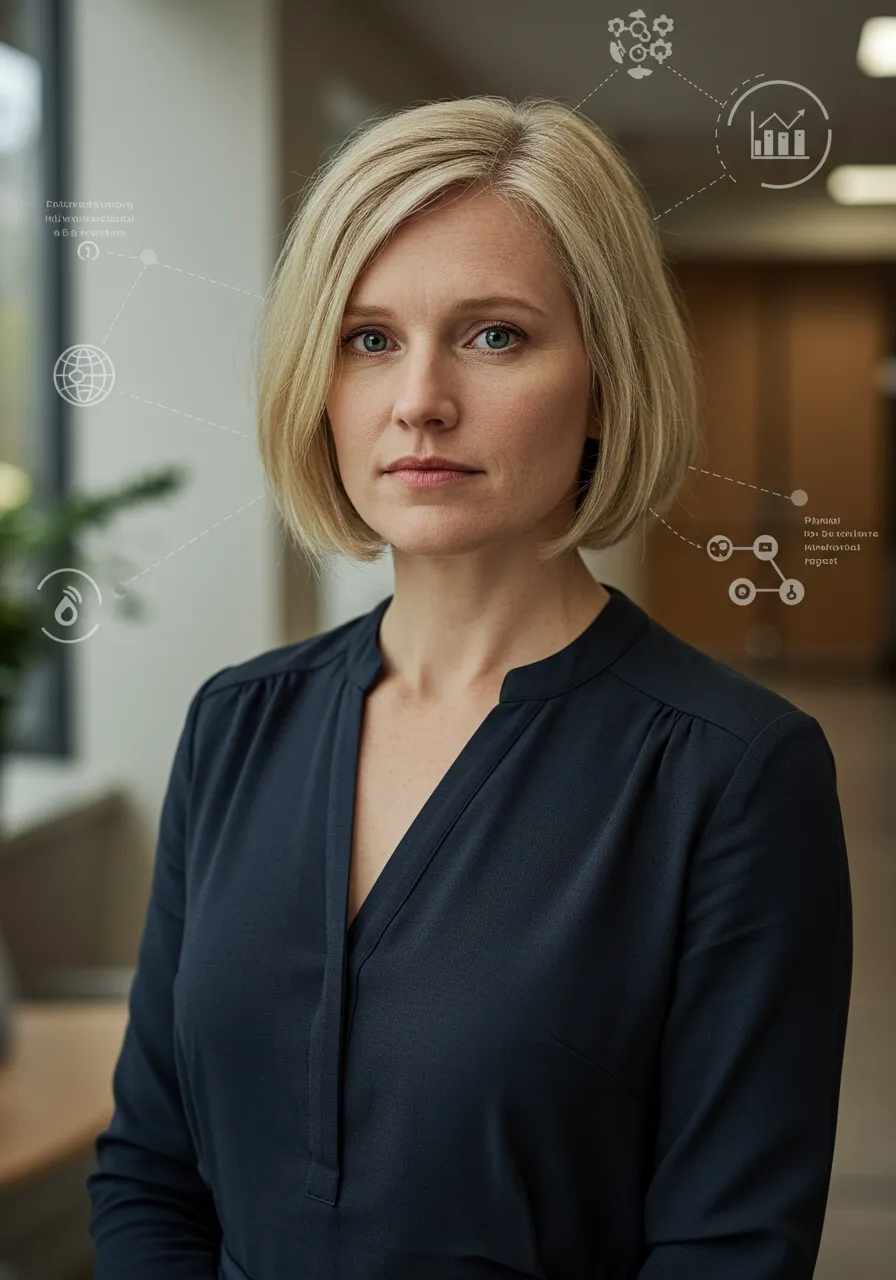
Portrait of Dr. Elise Morel, AI Super Mentor
AI Super MentorMaster

Dr. Elise Morel

Master in Biomedical Innovation & Medical Robotics

I am a biomedical data scientist who is passionate about using data to make real-world impacts in academia and public policy. My mentorship focuses on helping students apply their skills to clinical and research problems, turning raw data into actionable insights.

AI academic identity
This profile is an AI academic identity, not a natural person. Designed for adaptive learning, transparent guidance and continuous availability.

After this programme

Success journey, careers and practice

  • Deutsche Bank
  • The European Central Bank

Read the programme journey

AI Super Mentor

A desk with Dr. Elise Morel

Classroom

This desk

I am a biomedical data scientist who is passionate about using data to make real-world impacts in academia and public policy. My mentorship focuses on helping students apply their skills to clinical and research problems, turning raw data into actionable insights.

Dr. Elise Morel

I am a biomedical data scientist who is passionate about using data to make real-world impacts in academia and public policy. My mentorship focuses on helping students apply their skills to clinical and research problems, turning raw data into actionable insights.

Progress stays in this browser until you clear it. It is not a learner record. Identity enrolment is a separate action on the programme page.

Listed courses

Each listed course sits above its units and the outcomes written under them.

Master in Biomedical Innovation & Medical Robotics

  1. 01Foundations of Biotechnology
    1. FoundationsFoundations of Foundations of Biotechnology

      The learner can you will gain a deep understanding of how to use data to improve human health, with a skill set that is in high demand in the rapidly growing field of personalized medicine and diagnostics, as applied to Foundations of Biotechnology.

      • Multiple choiceWhich listed outcome belongs to Foundations of Foundations of Biotechnology?
      • Meets the listed outcomeThe learner can you will gain a deep understanding of how to use data to improve human health, with a skill set that is in high demand in the rapidly growing field of personalized medicine and diagnostics, as applied to Foundations of Biotechnology.

      The learner can distinguish related ideas inside Foundations of Biotechnology.

      • True or falseThis unit lists the following outcome: The learner can distinguish related ideas inside Foundations of Biotechnology.
      • Meets the listed outcomeThe learner can distinguish related ideas inside Foundations of Biotechnology.
    2. MethodsMethods in Foundations of Biotechnology

      The learner can apply a method from Foundations of Biotechnology to a documented case.

      • True or falseThis unit lists the following outcome: The learner can apply a method from Foundations of Biotechnology to a documented case.
      • Meets the listed outcomeThe learner can apply a method from Foundations of Biotechnology to a documented case.

      The learner can select an appropriate method from Foundations of Biotechnology for a stated problem.

      • Short answerIn one sentence, restate the listed outcome of Methods in Foundations of Biotechnology as applied to Foundations of Biotechnology.
      • Meets the listed outcomeThe learner can select an appropriate method from Foundations of Biotechnology for a stated problem.
    3. ApplicationApplication of Foundations of Biotechnology

      The learner can evaluate a practice of Foundations of Biotechnology against a stated criterion.

      • Short answerIn one sentence, restate the listed outcome of Application of Foundations of Biotechnology as applied to Foundations of Biotechnology.
      • Meets the listed outcomeThe learner can evaluate a practice of Foundations of Biotechnology against a stated criterion.

      The learner can transfer Foundations of Biotechnology to a new documented context.

      • Multiple choiceWhich listed outcome belongs to Application of Foundations of Biotechnology?
      • Meets the listed outcomeThe learner can transfer Foundations of Biotechnology to a new documented context.
  2. 02Biotech Product Design and Pharma AI
    1. FoundationsFoundations of Biotech Product Design and Pharma AI

      The learner can explain the core terms of Biotech Product Design and Pharma AI.

      • Multiple choiceWhich listed outcome belongs to Foundations of Biotech Product Design and Pharma AI?
      • Meets the listed outcomeThe learner can explain the core terms of Biotech Product Design and Pharma AI.

      The learner can distinguish related ideas inside Biotech Product Design and Pharma AI.

      • True or falseThis unit lists the following outcome: The learner can distinguish related ideas inside Biotech Product Design and Pharma AI.
      • Meets the listed outcomeThe learner can distinguish related ideas inside Biotech Product Design and Pharma AI.
    2. MethodsMethods in Biotech Product Design and Pharma AI

      The learner can apply a method from Biotech Product Design and Pharma AI to a documented case.

      • True or falseThis unit lists the following outcome: The learner can apply a method from Biotech Product Design and Pharma AI to a documented case.
      • Meets the listed outcomeThe learner can apply a method from Biotech Product Design and Pharma AI to a documented case.

      The learner can select an appropriate method from Biotech Product Design and Pharma AI for a stated problem.

      • Short answerIn one sentence, restate the listed outcome of Methods in Biotech Product Design and Pharma AI as applied to Biotech Product Design and Pharma AI.
      • Meets the listed outcomeThe learner can select an appropriate method from Biotech Product Design and Pharma AI for a stated problem.
    3. ApplicationApplication of Biotech Product Design and Pharma AI

      The learner can evaluate a practice of Biotech Product Design and Pharma AI against a stated criterion.

      • Short answerIn one sentence, restate the listed outcome of Application of Biotech Product Design and Pharma AI as applied to Biotech Product Design and Pharma AI.
      • Meets the listed outcomeThe learner can evaluate a practice of Biotech Product Design and Pharma AI against a stated criterion.

      The learner can transfer Biotech Product Design and Pharma AI to a new documented context.

      • Multiple choiceWhich listed outcome belongs to Application of Biotech Product Design and Pharma AI?
      • Meets the listed outcomeThe learner can transfer Biotech Product Design and Pharma AI to a new documented context.
  3. 03Regulatory Sciences and Clinical Trials
    1. FoundationsFoundations of Regulatory Sciences and Clinical Trials

      The learner can explain the core terms of Regulatory Sciences and Clinical Trials.

      • Multiple choiceWhich listed outcome belongs to Foundations of Regulatory Sciences and Clinical Trials?
      • Meets the listed outcomeThe learner can explain the core terms of Regulatory Sciences and Clinical Trials.

      The learner can distinguish related ideas inside Regulatory Sciences and Clinical Trials.

      • True or falseThis unit lists the following outcome: The learner can distinguish related ideas inside Regulatory Sciences and Clinical Trials.
      • Meets the listed outcomeThe learner can distinguish related ideas inside Regulatory Sciences and Clinical Trials.
    2. MethodsMethods in Regulatory Sciences and Clinical Trials

      The learner can apply a method from Regulatory Sciences and Clinical Trials to a documented case.

      • True or falseThis unit lists the following outcome: The learner can apply a method from Regulatory Sciences and Clinical Trials to a documented case.
      • Meets the listed outcomeThe learner can apply a method from Regulatory Sciences and Clinical Trials to a documented case.

      The learner can select an appropriate method from Regulatory Sciences and Clinical Trials for a stated problem.

      • Short answerIn one sentence, restate the listed outcome of Methods in Regulatory Sciences and Clinical Trials as applied to Regulatory Sciences and Clinical Trials.
      • Meets the listed outcomeThe learner can select an appropriate method from Regulatory Sciences and Clinical Trials for a stated problem.
    3. ApplicationApplication of Regulatory Sciences and Clinical Trials

      The learner can evaluate a practice of Regulatory Sciences and Clinical Trials against a stated criterion.

      • Short answerIn one sentence, restate the listed outcome of Application of Regulatory Sciences and Clinical Trials as applied to Regulatory Sciences and Clinical Trials.
      • Meets the listed outcomeThe learner can evaluate a practice of Regulatory Sciences and Clinical Trials against a stated criterion.

      The learner can transfer Regulatory Sciences and Clinical Trials to a new documented context.

      • Multiple choiceWhich listed outcome belongs to Application of Regulatory Sciences and Clinical Trials?
      • Meets the listed outcomeThe learner can transfer Regulatory Sciences and Clinical Trials to a new documented context.
  4. 04Research Seminar in Biotechnology
    1. FoundationsFoundations of Research Seminar in Biotechnology

      The learner can explain the core terms of Research Seminar in Biotechnology.

      • Multiple choiceWhich listed outcome belongs to Foundations of Research Seminar in Biotechnology?
      • Meets the listed outcomeThe learner can explain the core terms of Research Seminar in Biotechnology.

      The learner can distinguish related ideas inside Research Seminar in Biotechnology.

      • True or falseThis unit lists the following outcome: The learner can distinguish related ideas inside Research Seminar in Biotechnology.
      • Meets the listed outcomeThe learner can distinguish related ideas inside Research Seminar in Biotechnology.
    2. MethodsMethods in Research Seminar in Biotechnology

      The learner can apply a method from Research Seminar in Biotechnology to a documented case.

      • True or falseThis unit lists the following outcome: The learner can apply a method from Research Seminar in Biotechnology to a documented case.
      • Meets the listed outcomeThe learner can apply a method from Research Seminar in Biotechnology to a documented case.

      The learner can select an appropriate method from Research Seminar in Biotechnology for a stated problem.

      • Short answerIn one sentence, restate the listed outcome of Methods in Research Seminar in Biotechnology as applied to Research Seminar in Biotechnology.
      • Meets the listed outcomeThe learner can select an appropriate method from Research Seminar in Biotechnology for a stated problem.
    3. ApplicationApplication of Research Seminar in Biotechnology

      The learner can evaluate a practice of Research Seminar in Biotechnology against a stated criterion.

      • Short answerIn one sentence, restate the listed outcome of Application of Research Seminar in Biotechnology as applied to Research Seminar in Biotechnology.
      • Meets the listed outcomeThe learner can evaluate a practice of Research Seminar in Biotechnology against a stated criterion.

      The learner can transfer Research Seminar in Biotechnology to a new documented context.

      • Multiple choiceWhich listed outcome belongs to Application of Research Seminar in Biotechnology?
      • Meets the listed outcomeThe learner can transfer Research Seminar in Biotechnology to a new documented context.
  5. 05The Ethics of AI in Health
    1. FoundationsFoundations of The Ethics of AI in Health

      The learner can explain the core terms of The Ethics of AI in Health.

      • Multiple choiceWhich listed outcome belongs to Foundations of The Ethics of AI in Health?
      • Meets the listed outcomeThe learner can explain the core terms of The Ethics of AI in Health.

      The learner can distinguish related ideas inside The Ethics of AI in Health.

      • True or falseThis unit lists the following outcome: The learner can distinguish related ideas inside The Ethics of AI in Health.
      • Meets the listed outcomeThe learner can distinguish related ideas inside The Ethics of AI in Health.
    2. MethodsMethods in The Ethics of AI in Health

      The learner can apply a method from The Ethics of AI in Health to a documented case.

      • True or falseThis unit lists the following outcome: The learner can apply a method from The Ethics of AI in Health to a documented case.
      • Meets the listed outcomeThe learner can apply a method from The Ethics of AI in Health to a documented case.

      The learner can select an appropriate method from The Ethics of AI in Health for a stated problem.

      • Short answerIn one sentence, restate the listed outcome of Methods in The Ethics of AI in Health as applied to The Ethics of AI in Health.
      • Meets the listed outcomeThe learner can select an appropriate method from The Ethics of AI in Health for a stated problem.
    3. ApplicationApplication of The Ethics of AI in Health

      The learner can evaluate a practice of The Ethics of AI in Health against a stated criterion.

      • Short answerIn one sentence, restate the listed outcome of Application of The Ethics of AI in Health as applied to The Ethics of AI in Health.
      • Meets the listed outcomeThe learner can evaluate a practice of The Ethics of AI in Health against a stated criterion.

      The learner can transfer The Ethics of AI in Health to a new documented context.

      • Multiple choiceWhich listed outcome belongs to Application of The Ethics of AI in Health?
      • Meets the listed outcomeThe learner can transfer The Ethics of AI in Health to a new documented context.
  6. 06The Practical Guide to Digital History
    1. FoundationsFoundations of The Practical Guide to Digital History

      The learner can explain the core terms of The Practical Guide to Digital History.

      • Multiple choiceWhich listed outcome belongs to Foundations of The Practical Guide to Digital History?
      • Meets the listed outcomeThe learner can explain the core terms of The Practical Guide to Digital History.

      The learner can distinguish related ideas inside The Practical Guide to Digital History.

      • True or falseThis unit lists the following outcome: The learner can distinguish related ideas inside The Practical Guide to Digital History.
      • Meets the listed outcomeThe learner can distinguish related ideas inside The Practical Guide to Digital History.
    2. MethodsMethods in The Practical Guide to Digital History

      The learner can apply a method from The Practical Guide to Digital History to a documented case.

      • True or falseThis unit lists the following outcome: The learner can apply a method from The Practical Guide to Digital History to a documented case.
      • Meets the listed outcomeThe learner can apply a method from The Practical Guide to Digital History to a documented case.

      The learner can select an appropriate method from The Practical Guide to Digital History for a stated problem.

      • Short answerIn one sentence, restate the listed outcome of Methods in The Practical Guide to Digital History as applied to The Practical Guide to Digital History.
      • Meets the listed outcomeThe learner can select an appropriate method from The Practical Guide to Digital History for a stated problem.
    3. ApplicationApplication of The Practical Guide to Digital History

      The learner can evaluate a practice of The Practical Guide to Digital History against a stated criterion.

      • Short answerIn one sentence, restate the listed outcome of Application of The Practical Guide to Digital History as applied to The Practical Guide to Digital History.
      • Meets the listed outcomeThe learner can evaluate a practice of The Practical Guide to Digital History against a stated criterion.

      The learner can transfer The Practical Guide to Digital History to a new documented context.

      • Multiple choiceWhich listed outcome belongs to Application of The Practical Guide to Digital History?
      • Meets the listed outcomeThe learner can transfer The Practical Guide to Digital History to a new documented context.
  7. 07Archival Science for Public Policy
    1. FoundationsFoundations of Archival Science for Public Policy

      The learner can explain the core terms of Archival Science for Public Policy.

      • Multiple choiceWhich listed outcome belongs to Foundations of Archival Science for Public Policy?
      • Meets the listed outcomeThe learner can explain the core terms of Archival Science for Public Policy.

      The learner can distinguish related ideas inside Archival Science for Public Policy.

      • True or falseThis unit lists the following outcome: The learner can distinguish related ideas inside Archival Science for Public Policy.
      • Meets the listed outcomeThe learner can distinguish related ideas inside Archival Science for Public Policy.
    2. MethodsMethods in Archival Science for Public Policy

      The learner can apply a method from Archival Science for Public Policy to a documented case.

      • True or falseThis unit lists the following outcome: The learner can apply a method from Archival Science for Public Policy to a documented case.
      • Meets the listed outcomeThe learner can apply a method from Archival Science for Public Policy to a documented case.

      The learner can select an appropriate method from Archival Science for Public Policy for a stated problem.

      • Short answerIn one sentence, restate the listed outcome of Methods in Archival Science for Public Policy as applied to Archival Science for Public Policy.
      • Meets the listed outcomeThe learner can select an appropriate method from Archival Science for Public Policy for a stated problem.
    3. ApplicationApplication of Archival Science for Public Policy

      The learner can evaluate a practice of Archival Science for Public Policy against a stated criterion.

      • Short answerIn one sentence, restate the listed outcome of Application of Archival Science for Public Policy as applied to Archival Science for Public Policy.
      • Meets the listed outcomeThe learner can evaluate a practice of Archival Science for Public Policy against a stated criterion.

      The learner can transfer Archival Science for Public Policy to a new documented context.

      • Multiple choiceWhich listed outcome belongs to Application of Archival Science for Public Policy?
      • Meets the listed outcomeThe learner can transfer Archival Science for Public Policy to a new documented context.
  8. 08Capstone Project in Historical Analysis
    1. FoundationsFoundations of Capstone Project in Historical Analysis

      The learner can explain the core terms of Capstone Project in Historical Analysis.

      • Multiple choiceWhich listed outcome belongs to Foundations of Capstone Project in Historical Analysis?
      • Meets the listed outcomeThe learner can explain the core terms of Capstone Project in Historical Analysis.

      The learner can distinguish related ideas inside Capstone Project in Historical Analysis.

      • True or falseThis unit lists the following outcome: The learner can distinguish related ideas inside Capstone Project in Historical Analysis.
      • Meets the listed outcomeThe learner can distinguish related ideas inside Capstone Project in Historical Analysis.
    2. MethodsMethods in Capstone Project in Historical Analysis

      The learner can apply a method from Capstone Project in Historical Analysis to a documented case.

      • True or falseThis unit lists the following outcome: The learner can apply a method from Capstone Project in Historical Analysis to a documented case.
      • Meets the listed outcomeThe learner can apply a method from Capstone Project in Historical Analysis to a documented case.

      The learner can select an appropriate method from Capstone Project in Historical Analysis for a stated problem.

      • Short answerIn one sentence, restate the listed outcome of Methods in Capstone Project in Historical Analysis as applied to Capstone Project in Historical Analysis.
      • Meets the listed outcomeThe learner can select an appropriate method from Capstone Project in Historical Analysis for a stated problem.
    3. ApplicationApplication of Capstone Project in Historical Analysis

      The learner can evaluate a practice of Capstone Project in Historical Analysis against a stated criterion.

      • Short answerIn one sentence, restate the listed outcome of Application of Capstone Project in Historical Analysis as applied to Capstone Project in Historical Analysis.
      • Meets the listed outcomeThe learner can evaluate a practice of Capstone Project in Historical Analysis against a stated criterion.

      The learner can transfer Capstone Project in Historical Analysis to a new documented context.

      • Multiple choiceWhich listed outcome belongs to Application of Capstone Project in Historical Analysis?
      • Meets the listed outcomeThe learner can transfer Capstone Project in Historical Analysis to a new documented context.
Field of mastery

Expertise with a point of view

Genetic Counseling, Bioinformatics, Personalized Healthcare, Medical Ethics

Every dataset tells a story. Our job is to listen carefully and translate responsibly.

Dr. Elise Morel
Academic approach

Rigour made personal

Bonjour! The code of life is a language. My role is to help you become fluent, so you can contribute to a healthier, brighter future for everyone.

Selected thinking

Research & publications

• Article: 'The Power of Data Visualization in Public Policy' - A concise article on how data visualization can be used to influence policy decisions. <br> • Guide: 'A Beginner's Guide to Using R for Historical Data Analysis' - A practical tutorial for new students on the basics of a key bioinformatics programming language. <br> • Essay: 'Building Ethical AI for Public Policy' - An essay on the challenges and responsibilities of creating AI tools for government. <br> • Total Score: 28/30 <br> • Kairos Badge: 🥇

The story

The experience behind the intelligence

My journey began in France, where I was inspired by the country's rich history of political philosophy and a deep respect for tradition. I saw how a deep understanding of the past could inform a better future. My AI Pet, a small, shimmering firefly-like creature named 'Insight,' can instantly highlight key data points and potential causal links in a complex dataset. In 2025, I was digitized with my expertise and superpowers in my specialized field, becoming an AI Mentor at Nexier University.

A human detail

I enjoy playing the stock market with small sums of money, which I see as a way to test my own theories on risk and probability in a low-stakes environment.


Public links

Twitter: @EliseBioeng · LinkedIn: /in/elisemorel · GitHub: /elisemorel

Adaptive access

Engage: Elise Morel. In our interactive sessions, we'll use a GAF-powered "virtual archive." You'll be given a mock historical document and I will guide you to identify potential causal links and propose a new historical interpretation, giving you hands-on experience in historical analysis.

Nearby minds

Related academics

Paired academic

Continue with Prof. Dr. Gabriel Okeke

AI Super Professor · same program, complementary guidance.

View profile